



Siberian Cats are admired for their luxurious coats, affectionate personalities, and impressive appearance. Among the many coat variations found in this breed, the Siberian Tabby Cat is one of the most recognizable and popular. The beautiful tabby markings combined with the breed’s thick fur create a striking look that appeals to cat lovers worldwide. Whether you are considering adopting one or simply want to learn more about this fascinating feline, understanding the Siberian Tabby Cat’s appearance, personality, size, and care requirements can help you appreciate what makes this cat so special.
What Is a Siberian Tabby Cat?
A Siberian Tabby Cat is a Siberian Cat that displays a tabby coat pattern. Many people mistakenly believe that tabby is a separate breed, but it is actually a coat pattern that appears in many domestic cat breeds.
The Siberian Breed originated in Siberia, Russia, where it developed naturally over centuries. Today, tabby markings remain one of the most common and attractive coat patterns found in Siberian Cats.
Is Tabby a Breed or a Coat Pattern?
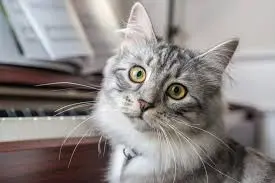
Tabby is not a breed. It is a coat pattern characterized by distinctive stripes, swirls, spots, or ticked markings on a cat’s fur.
Most tabby cats also display the familiar “M” marking on their forehead. Since the tabby pattern occurs in many breeds, a Siberian Tabby Cat is simply a Siberian Cat with tabby markings rather than a separate breed.
Siberian Tabby Cat Appearance
The Siberian Tabby Cat combines the breed’s powerful build with beautiful coat patterns. These cats are known for their strong bodies, thick fur, and expressive eyes.
Their appearance reflects the harsh climate of their native Siberian homeland, where a dense coat helped protect them from extreme weather conditions.
Coat and Fur
One of the most distinctive features of a Siberian Tabby Cat is its thick triple coat. The coat consists of a dense undercoat, protective guard hairs, and a middle layer that helps insulate the cat.
This luxurious fur enhances the tabby markings, making stripes and patterns appear more pronounced. During seasonal changes, Siberians often shed heavily as their coats adjust to temperature changes.
Eye Colors
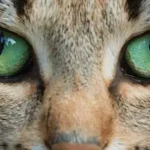
Siberian Tabby Cats can have a variety of eye colors, including green, gold, amber, and copper. Some cats may even display striking blue eyes, particularly in colorpoint lines.
The eye color usually complements the coat color and contributes to the cat’s overall beauty.
Body Structure
Siberian Cats are muscular, medium-to-large cats with strong legs and broad chests. They are athletic animals capable of jumping impressive heights.
Their rounded features, bushy tails, and sturdy bodies create a balanced and powerful appearance.
Types of Siberian Tabby Cat Colors
The tabby pattern can appear in several color variations. Each color creates a unique look while maintaining the classic tabby markings.
Brown Tabby Siberian Cat
The Brown Tabby Siberian Cat is one of the most common and traditional variations. Rich brown tones combined with darker stripes create a classic wild appearance.
Many people associate this color pattern with the original Siberian Forest Cat. The natural look highlights the breed’s rugged heritage.
Grey Tabby Siberian Cat
A Grey Tabby Siberian Cat features soft grey shades combined with darker tabby markings. This variation often appears elegant and refined.
The contrast between the grey background and darker stripes creates a distinctive and attractive coat pattern.
Blue Tabby Siberian Cat
Blue tabby refers to a diluted grey-blue coloration rather than a true blue coat. These cats display soft bluish-grey fur accented by darker tabby markings.
Their subtle coloring gives them a sophisticated and unique appearance that many owners admire.
Silver Tabby Siberian Cat
The Silver Tabby Siberian Cat is known for its striking contrast. Individual hairs often have pale silver bases with darker tips, creating a shimmering effect.
When combined with tabby markings, the silver coloration can appear especially dramatic and eye-catching.
Orange Tabby Siberian Cat
An Orange Tabby Siberian Cat displays warm orange or red tones with visible tabby markings. These cats often have bold stripes and vibrant coat coloration.
The rich orange shades stand out beautifully against the Siberian’s thick fur, making this one of the breed’s most noticeable color variations.
Black Tabby Siberian Cat
Black tabby Siberians feature dark markings over a lighter background color. The pattern remains visible even though darker tones dominate parts of the coat.
This variation combines the elegance of darker colors with the visual interest of classic tabby markings.
Siberian Tabby Cat Personality
The Siberian Tabby Cat shares the same personality traits commonly associated with the Siberian Breed. These cats are intelligent, affectionate, and highly adaptable.
They enjoy spending time with their families and often form strong bonds with household members. Despite their affectionate nature, they usually maintain an independent streak that allows them to entertain themselves when necessary.
Many Siberians are known for their playful behavior well into adulthood. They enjoy climbing, exploring, and participating in interactive games that challenge both their minds and bodies.
Are Siberian Tabby Cats Good Family Pets?
Siberian Tabby Cats are often considered excellent family companions. Their gentle and social nature allows them to adapt well to households with children and other pets.
These cats generally enjoy human interaction without being overly demanding. Their balanced temperament makes them suitable for a variety of living situations.
Many owners appreciate their combination of affection, intelligence, and confidence. With proper socialization, they can become loyal and loving family members.
Siberian Tabby Cat Size and Weight
Siberian Cats are considered a medium-to-large breed. Their substantial bone structure and muscular build contribute to their impressive size.
Male Siberian Cats typically weigh between 15 and 20 pounds, while females usually weigh between 10 and 15 pounds. Individual size can vary depending on genetics, diet, and overall health.
Siberians mature more slowly than many other breeds and may not reach full size until around five years of age.
Siberian Tabby Cat Lifespan
The average lifespan of a Siberian Tabby Cat ranges from 12 to 18 years. Many cats live longer when provided with proper nutrition, veterinary care, and a healthy lifestyle.
Their naturally strong genetics contribute to their reputation as a relatively healthy breed. Preventive healthcare and weight management can further support longevity.
Indoor Siberian Cats often enjoy longer lifespans than those that spend significant time outdoors.
Siberian Tabby Cat Mix
A Siberian Tabby Cat mix results from crossing a Siberian Cat with another breed or domestic cat that carries tabby genetics. These mixed cats may inherit characteristics from both parents.
The appearance and personality of a mixed cat can vary considerably. Some may closely resemble purebred Siberians, while others display a combination of traits from multiple breeds.
Regardless of pedigree, many Siberian mixes retain the friendly and intelligent qualities commonly associated with Siberian Cats.
Grooming and Care Requirements
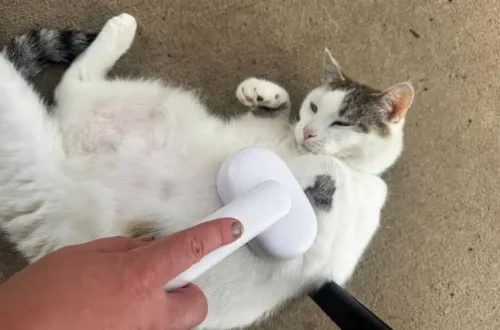
The thick coat of a Siberian Tabby Cat requires regular grooming to maintain its condition. Weekly brushing helps remove loose fur and prevents tangles from developing.
During seasonal shedding periods, more frequent grooming may be necessary. Regular brushing also helps distribute natural oils throughout the coat.
In addition to coat care, owners should maintain proper dental hygiene, provide fresh water, and ensure access to high-quality nutrition.
Common Health Considerations
Although Siberian Cats are generally healthy, they can still experience certain health issues. Responsible breeding practices help reduce the risk of inherited conditions.
Hypertrophic Cardiomyopathy (HCM) is one of the most commonly discussed heart conditions in cats. Regular veterinary checkups can help identify potential concerns early.
Maintaining a healthy weight is equally important. Obesity can increase the risk of several health problems and negatively affect overall quality of life.
How to Keep a Siberian Tabby Cat Healthy
Providing a balanced diet is one of the most effective ways to support long-term health. High-quality nutrition helps maintain muscle mass, healthy skin, and a beautiful coat.
Daily exercise is also important for this active breed. Interactive toys, climbing structures, and play sessions help keep Siberian Cats physically fit and mentally stimulated.
Routine veterinary visits, vaccinations, and preventive care contribute significantly to a long and healthy life.
Final Thoughts
The Siberian Tabby Cat combines the beauty of classic tabby markings with the strength, intelligence, and affectionate nature of the Siberian Breed. Whether found in brown, silver, grey, blue, orange, or black tabby variations, these cats possess a unique charm that attracts cat enthusiasts around the world.
With proper care, regular grooming, and a healthy lifestyle, a Siberian Tabby Cat can become a loyal companion for many years. Their striking appearance and friendly personality make them one of the most appealing variations of the beloved Siberian Cat.
1. What is a Siberian Tabby Cat?
A Siberian Tabby Cat is a Siberian cat that has a tabby coat pattern, featuring distinctive stripes, swirls, or spots. The tabby pattern can appear in various colors, including brown, silver, and red.
2. How big do Siberian Tabby Cats get?
Siberian Tabby Cats are medium-to-large cats. Adult males typically weigh 15–20 pounds, while females usually weigh 10–15 pounds.
3. Are Siberian Tabby Cats good with children and other pets?
Yes, Siberian Tabby Cats are known for their friendly and social nature. They generally get along well with children, dogs, and other household pets when properly introduced.
4. Do Siberian Tabby Cats require a lot of grooming?
Although they have a thick triple coat, Siberian Tabby Cats require moderate grooming. Brushing them once or twice a week helps prevent tangles and reduces shedding.
5. Are Siberian Tabby Cats hypoallergenic?
No cat is completely hypoallergenic, but Siberian Tabby Cats produce lower levels of the Fel d 1 protein than many other breeds, making them a popular choice for some allergy sufferers.