



Introduction
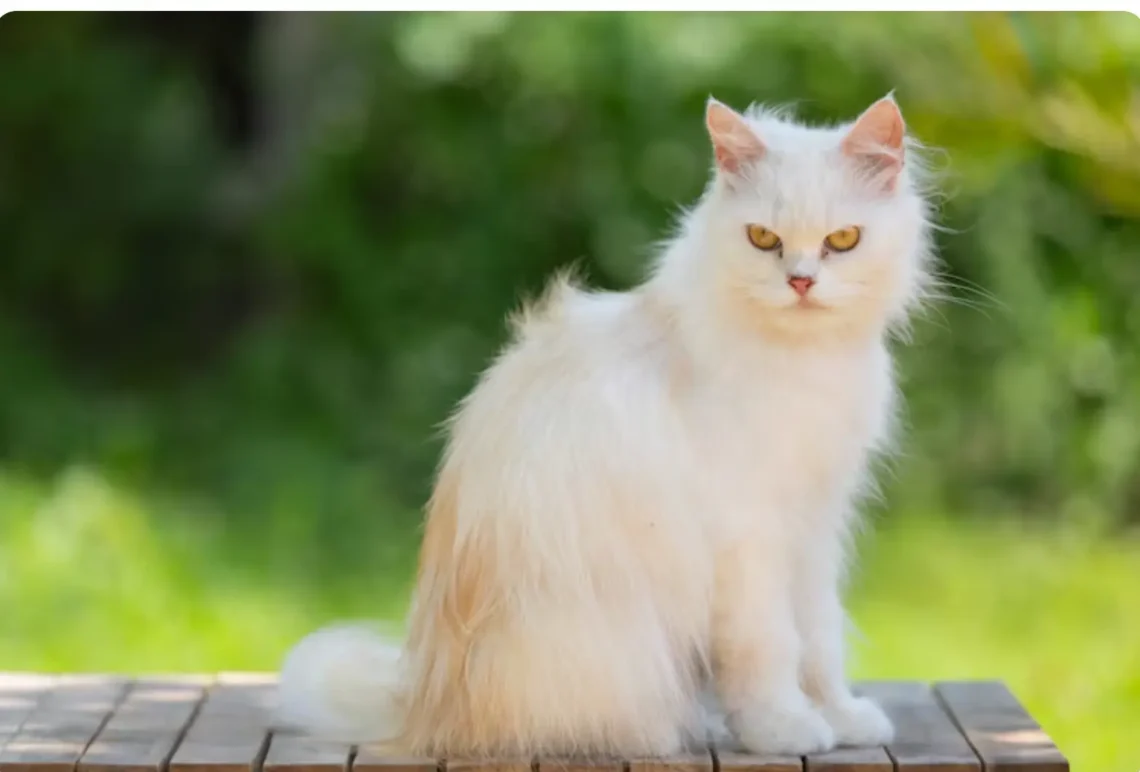
The Siberian cat is one of the oldest and most beloved cat breeds in the world. Originating from the dense forests of Russia, this large, semi-longhaired breed has been captivating cat lovers for centuries — and for good reason. Known for their dog-like loyalty, playful energy, and surprisingly low allergy risk, Siberian cats make exceptional companions for families, singles, and seniors alike.
Whether you’re considering bringing a Siberian home or simply want to learn more about this remarkable Russian forest cat, this guide covers everything you need to know — from history and temperament to grooming, health, costs, and frequently asked questions.
Table of Contents
1. What Is a Siberian Cat?
The Siberian cat — also called the Siberian forest cat, Russian Siberian cat, or Russian forest cat — is a large, naturally occurring domestic cat breed from Russia. It belongs to the broader category of “forest cats,” which also includes breeds like the Norwegian Forest Cat and Maine Coon.
The breed is recognized by all major cat registries, including The International Cat Association (TICA) and the Cat Fanciers’ Association (CFA). Siberians are prized for their:
- Thick, triple-layer coat built for cold climates
- Muscular, powerful build
- Affectionate, dog-like personality
- Relatively lower levels of the Fel d 1 protein, which is the primary allergen in cats
If you’re looking for a cat that is intelligent, loving, and adventurous, the Siberian domestic cat checks every box.
2. History and Origins of the Siberian Forest Cat
Ancient Roots in Russia
The Siberian forest cat has existed in Russia for at least 1,000 years, with references appearing in Russian fairy tales and folk stories as far back as the 13th century. These cats developed naturally in the harsh Siberian climate, which shaped their robust bodies and dense, weather-resistant coats.
For centuries, Siberians lived in Russian monasteries, farms, and homes — valued not just as companions but as skilled hunters who kept rodent populations under control.
Recognition as a Breed
Despite their long history, Siberians weren’t formally recognized as a distinct breed until 1987, when the first breed standard was written in St. Petersburg (then Leningrad). The Russian Siberian cat was exported to the United States in 1990, and TICA granted it official championship status in 1996.
The Name Debate: Siberian vs. Russian Siberian Forest Cat
You may encounter several names for this breed:
| Name | Meaning |
| Siberian cat | Most common name used globally |
| Siberian forest cat | Highlights its forest-dwelling origins |
| Russian Siberian cat | Emphasizes its Russian heritage |
| Russian forest cat | Informal term used interchangeably |
| Russian Siberian forest cat | Full formal descriptor |
All of these names refer to the same breed. “Siberian” and “Siberian forest cat” are the most widely accepted terms.
3. Physical Characteristics
Siberians are large, powerfully built cats with a surprisingly agile, athletic body. Here’s what to expect:
Size
| Trait | Details |
| Weight (Male) | 12–20 lbs (5.5–9 kg) |
| Weight (Female) | 8–12 lbs (3.5–5.5 kg) |
| Body Type | Medium-large, muscular |
| Maturity | Takes 4–5 years to fully mature |
Coat
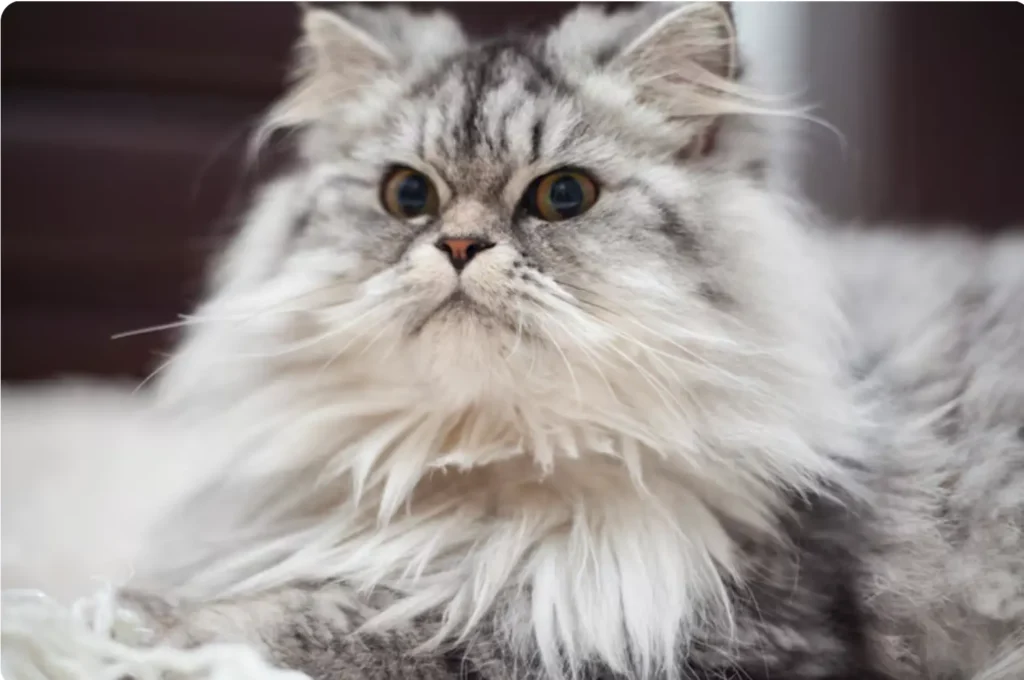
- Length: Semi-longhaired with a triple-layer coat
- Texture: Water-resistant outer coat, dense undercoat, and soft middle layer
- Colors: Virtually all colors and patterns, including tabby, solid, colorpoint (Neva Masquerade), and more
- Seasonal shedding: Heavy shedding in spring and fall
Facial Features
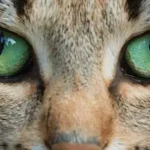
- Large, almost round eyes (green, gold, or copper; blue in colorpoints)
- Broad, rounded muzzle
- Medium to large, rounded ears with tufts
- Strong chin and wide forehead
4. Siberian Cat Personality and Temperament
One of the most endearing traits of Siberians is their personality. These cats behave more like dogs than stereotypical aloof felines.
Key Personality Traits
Affectionate and loyal. Siberians form deep bonds with their families. They’ll often follow you from room to room, greet you at the door, and sleep beside you at night.
Playful and energetic. Even as adults, Siberians retain a kitten-like playfulness. They love interactive toys, puzzle feeders, and games of fetch.
Intelligent and curious. This breed figures things out quickly. Don’t be surprised if your Siberian learns to open cabinet doors or figure out the mechanics of a puzzle toy.
Social and gentle. Siberians typically get along well with children, other cats, and even cat-friendly dogs. They’re rarely aggressive and tend to be patient with kids.
Vocal but not demanding. They communicate with soft chirps, trills, and meows — but they’re not as demanding or loud as breeds like the Siamese.
Water-curious. Many Siberians are fascinated by water, dipping their paws in water bowls or joining you near the shower.
Ideal Home Environment
- Families with children ✓
- Multi-pet households ✓
- Active individuals ✓
- Apartment living (with enrichment) ✓
- First-time cat owners ✓
5. Are Siberian Cats Hypoallergenic?
This is one of the most searched questions about Siberian cats — and the answer is nuanced.
No cat is 100% hypoallergenic. However, Siberians are widely considered one of the best breeds for allergy sufferers because they produce lower levels of Fel d 1, the primary allergenic protein found in cat saliva, skin, and urine.
What the Research Suggests
Several small studies and breeder reports suggest that some Siberians — particularly females and neutered males — produce significantly less Fel d 1 than the average cat. Some allergy sufferers report little to no reaction around Siberians, while others still experience mild symptoms.
Tips for Allergy Sufferers Considering a Siberian
- Spend time with the specific cat before adopting
- Ask breeders about Fel d 1 testing (some reputable breeders test their cats)
- Keep up with regular grooming to reduce dander spread
- Use HEPA air filters in the home
- Consult your allergist before committing
6. Siberian Cat vs. Other Breeds: Key Differences
How does the Siberian cat breed compare to other similar large, semi-longhaired cats?
| Feature | Siberian | Norwegian Forest Cat | Maine Coon |
| Origin | Russia | Norway | United States |
| Weight | 8–20 lbs | 8–18 lbs | 9–25 lbs |
| Coat | Triple-layer, dense | Double-layer, water-resistant | Shaggy, silky |
| Allergen Level | Lower Fel d 1 | Average | Average |
| Personality | Dog-like, affectionate | Independent, calm | Friendly, dog-like |
| Maturity | 4–5 years | 3–4 years | 3–5 years |
| Vocalization | Soft, moderate | Quiet | Moderate |
7. Feeding Your Siberian Cat
Siberians are large, active cats with correspondingly hearty appetites. Getting their diet right supports their muscular build and luxurious coat.
Dietary Needs
- High protein: Cats are obligate carnivores. Look for foods where a named meat (chicken, turkey, salmon) is the first ingredient.
- Moderate fat: Supports coat health and energy
- Low carbohydrates: Cats don’t process grains efficiently
- Wet food: Helps with hydration, especially for males prone to urinary issues
Feeding Schedule by Age
| Age | Feeding Frequency |
| Kittens (under 6 months) | 3–4 times daily |
| Juveniles (6–12 months) | 2–3 times daily |
| Adults (1–7 years) | 2 times daily |
| Seniors (7+ years) | 2 times daily (adjusted calories) |
Expert Tip
Because Siberians take 4–5 years to fully mature, they benefit from kitten-formula food for longer than most breeds. Discuss the transition timeline with your vet.
8. Grooming and Coat Care
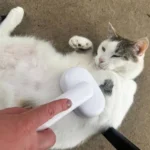
The Siberian’s thick, triple-layered coat is beautiful but requires regular maintenance — especially during seasonal shedding periods.
Weekly Grooming Routine
- Brushing: 2–3 times per week with a steel comb or slicker brush; daily during spring/fall shedding
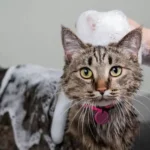
- Bathing: Every 4–6 weeks (their coat is water-resistant, so work shampoo in thoroughly)
- Ear cleaning: Weekly inspection; clean gently with a vet-approved solution if needed
- Nail trimming: Every 2–3 weeks
- Dental care: Brush teeth 2–3 times per week or use dental treats/water additives
Matting Prevention
The Siberian coat, while semi-self-maintaining, can mat around the armpits, belly, and behind the ears. Regular brushing prevents painful tangles.
Common Grooming Mistake
Many owners skip grooming during winter, assuming the coat doesn’t need attention. In reality, the dense winter coat requires more frequent brushing to prevent mats and reduce hairballs.
9. Health and Lifespan
Siberians are generally a robust, healthy breed — their natural development over centuries in harsh conditions selected for hardiness. However, like all breeds, they have some health predispositions to be aware of.
Average Lifespan
12–15 years, with some living into their late teens with proper care.
Common Health Concerns
Hypertrophic Cardiomyopathy (HCM). The most common heart disease in cats. Responsible breeders screen for HCM using echocardiograms. Always ask about cardiac screening before purchasing.
Polycystic Kidney Disease (PKD). A genetic condition where cysts form on the kidneys. DNA testing can identify carriers.
Hereditary Cancer. Rare but present in some bloodlines; reputable breeders screen for this.
Dental disease. Common in all cats. Regular dental care significantly reduces risk.
Preventive Health Checklist
- Annual vet visits (twice yearly for seniors)
- Core vaccinations on schedule
- Monthly flea, tick, and heartworm prevention
- Annual bloodwork after age 7
- Cardiac screening for breeding cats
10. Exercise and Enrichment Needs
Siberians are athletic and curious. Without adequate stimulation, they can become bored and develop destructive habits.
Daily Exercise Recommendations
- Minimum: 20–30 minutes of active play per day
- Ideal: Two 15-minute interactive play sessions + environmental enrichment
Best Enrichment Ideas
- Cat trees and climbing structures (tall ones — Siberians love height)
- Puzzle feeders and treat-dispensing toys
- Window perches with bird feeders outside
- Wand toys and laser pointers for interactive play
- Leash training (many Siberians adapt well to harness walks)
Are Siberians Indoor or Outdoor Cats?
Siberians can thrive as indoor-only cats as long as they receive adequate enrichment. If outdoor access is desired, a secure catio (enclosed outdoor space) is the safest option — it provides stimulation while protecting them from traffic, predators, and disease.
11. Siberian Cat Costs: Purchase, Adoption & Ongoing Care
Purchase Price
| Source | Price Range |
| Reputable breeder (pet quality) | $1,200–$2,500 |
| Reputable breeder (show/breeding quality) | $2,500–$4,000+ |
| Rescue/adoption | $75–$200 |
Prices vary based on bloodline, coat color, breeder reputation, and location.
First-Year Setup Costs
| Item | Estimated Cost |
| Spay/neuter | $200–$500 |
| Initial vet visit + vaccines | $150–$300 |
| Cat tree, beds, toys | $200–$400 |
| Litter box + litter | $50–$150 |
| Food and water dishes | $20–$60 |
| Carrier | $40–$100 |
| Total (approx.) | $660–$1,510 |
Annual Ongoing Costs
| Expense | Estimated Annual Cost |
| Food (premium wet + dry) | $600–$1,200 |
| Veterinary care | $300–$600 |
| Grooming supplies | $50–$100 |
| Litter | $150–$300 |
| Toys and enrichment | $50–$150 |
| Total (approx.) | $1,150–$2,350/year |
12. Is a Siberian Cat Right for You?
Pros of Owning a Siberian Cat
- Deeply affectionate and loyal
- Gets along well with children and other pets
- Lower allergen levels than most breeds
- Intelligent and easy to engage with
- Adaptable to various living situations
- Robust health and long lifespan
Cons of Owning a Siberian Cat
- Heavy seasonal shedding requires regular grooming
- Higher purchase price than many breeds
- Needs significant daily mental and physical stimulation
- Takes 4–5 years to fully mature (extended “kitten phase”)
- Not ideal for very small spaces without enrichment
Best Owner Profile
The Siberian cat breed thrives with owners who:
- Want an interactive, engaged companion
- Have time for daily play and weekly grooming
- Are open to a large, active cat in the home
- Prefer a gentle, social breed over an independent one
Conclusion
The Siberian cat is a truly extraordinary breed — ancient in origin, magnificent in appearance, and remarkable in personality. Whether you’re drawn to the luxurious triple-layered coat, the loyal and playful temperament, or the potential benefit for allergy sufferers, the Siberian forest cat has something to offer almost every cat lover.
Before bringing a Siberian home, make sure you’re prepared for the grooming commitment, the enrichment needs, and the ongoing costs. If you are, you’ll be rewarded with a devoted companion who will enrich your life for 12 to 15 years — or more.
For families, active individuals, or anyone looking for a cat that’s as smart as it is beautiful, the Russian Siberian cat may just be the perfect match.
FAQ Section
Q1: What is a Siberian cat? A Siberian cat is a large, semi-longhaired domestic cat breed that originated naturally in the forests of Russia. Known for its triple-layered coat, muscular build, and affectionate personality, it is one of the oldest cat breeds in the world.
Q2: Are Siberian cats hypoallergenic? No cat is fully hypoallergenic, but Siberians produce lower levels of the Fel d 1 protein than most breeds, making them a better option for many allergy sufferers. Results vary by individual cat and person, so spending time with a specific cat before adopting is highly recommended.
Q3: How big do Siberian cats get? Males typically weigh between 12–20 lbs and females between 8–12 lbs. They are considered a large breed and take 4–5 years to reach full maturity.
Q4: What is the difference between a Siberian cat and a Siberian forest cat? They are the same breed. “Siberian forest cat” is simply a more descriptive name that highlights the breed’s natural forest origins in Russia.
Q5: Do Siberian cats shed a lot? Yes. Siberians have a dense triple-layer coat and shed heavily during seasonal coat changes in spring and fall. Regular brushing (2–3 times per week, daily during shedding season) helps manage loose fur.
Q6: Are Siberian cats good with kids and other pets? Absolutely. Siberians are gentle, social, and patient. They typically do very well in households with children, other cats, and cat-friendly dogs.
Q7: How long do Siberian cats live? The average lifespan of a Siberian cat is 12–15 years. With excellent care and regular veterinary attention, some live into their late teens.
Q8: How much does a Siberian cat cost? From a reputable breeder, expect to pay between $1,200 and $2,500 for a pet-quality kitten. Show-quality cats can cost $2,500–$4,000 or more. Rescue organizations may have adult Siberians available for $75–$200.
Q9: Are Siberian cats indoor cats? Siberians can thrive indoors as long as they receive adequate enrichment and daily play. If outdoor access is desired, a secure catio is the safest option.
Q10: What do Siberian cats eat? Siberians do best on a high-protein, low-carbohydrate diet. A combination of premium wet food and dry food is commonly recommended. Always consult your veterinarian for personalized dietary guidance.
Q11: Are Siberian cats vocal? Siberians are moderately vocal. They communicate with soft trills, chirps, and gentle meows but are not as loud or demanding as some other breeds like the Siamese or Bengal.
Q12: What health problems do Siberian cats have? The main health concerns in Siberians include Hypertrophic Cardiomyopathy (HCM), Polycystic Kidney Disease (PKD), and dental disease. Buying from a breeder who health-tests their cats significantly reduces risk.