

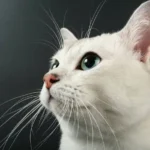


Siberian Cats are famous for their luxurious coats, affectionate personalities, and striking appearance. Their thick fur helps them survive the harsh winters of their native Siberia, but it also raises an important question for many potential owners: Do Siberian Cats shed? While the Siberian Breed is often associated with hypoallergenic qualities, it is not a shed-free cat. Understanding how and why Siberian Cats shed can help owners manage loose fur, maintain a healthy coat, and keep their homes cleaner. This guide explains everything you need to know about Siberian Cat shedding, including seasonal shedding, grooming requirements, and practical ways to control cat hair.
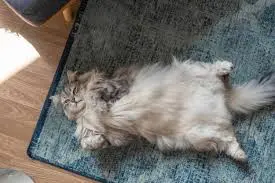
Siberian Cat Shedding Overview
Siberian Cat shedding is a normal and natural process. Like most long-haired cat breeds, Siberians shed old and damaged hair to make room for healthy new growth.
Their dense triple coat consists of an undercoat, middle layer, and protective guard hairs. Because of this thick coat structure, shedding can sometimes appear more noticeable than it actually is.
Do Siberian Cats Shed?
Yes, Siberian Cats shed. Despite being considered one of the more allergy-friendly cat breeds, they are not hairless or non-shedding cats.
All Siberian Cats naturally lose hair throughout the year. The amount of shedding varies depending on factors such as season, age, health, diet, and indoor living conditions.
Do Siberian Cats Shed a Lot?
Siberian Cats can shed a significant amount, especially during seasonal coat changes. However, many owners find that their shedding is manageable with regular grooming.
Compared to some other long-haired breeds, Siberians often shed less continuously throughout the year. Instead, they tend to experience heavier shedding during specific seasons when they replace their coats.
Why Do Siberian Cats Shed?
Shedding serves an important purpose in maintaining a healthy coat. It allows old fur to be replaced by new hair while helping the skin remain healthy.
Several factors influence how much a Siberian Cat sheds during the year.
Seasonal Shedding
Seasonal shedding is one of the most common reasons for increased hair loss. Siberian Cats developed in cold climates and naturally adjust their coats as temperatures change.
During spring, many Siberians shed their thick winter coat to prepare for warmer weather. Some cats also experience a smaller shedding period as winter approaches.
Natural Coat Renewal
Like all cats, Siberians continuously replace older hairs with new growth. This process occurs year-round and helps maintain the quality of the coat.
Even indoor cats experience natural coat renewal, although it may be less dramatic than seasonal shedding.
Diet and Health Factors
Nutrition plays a major role in coat health. A poor-quality diet can contribute to excessive shedding, dull fur, and skin problems.
Health conditions, stress, allergies, or parasites may also increase hair loss. Sudden changes in shedding patterns should always be monitored carefully.
When Do Siberian Cats Shed the Most?
Most Siberian Cats shed the most during spring. This period is often referred to as “blowing the coat” because large amounts of winter fur are released over a relatively short time.
Some Siberians may also experience increased shedding during autumn as their coats adjust for colder weather. Indoor living can sometimes alter these seasonal cycles because temperature conditions remain more stable.
Are Siberian Cats Hypoallergenic If They Shed?
Many people assume that shedding and allergies are the same thing, but they are not. A cat’s fur is not usually the primary cause of allergic reactions.
Cat allergies are commonly triggered by a protein called Fel d 1, which is found in saliva, skin oils, and dander. Siberian Cats are often considered among the more hypoallergenic cats because some individuals may produce lower levels of this protein.
Even though Siberian Cats shed, some people who are allergic to cats find they can tolerate the breed better than others. However, no cat is completely allergen-free.
Siberian Cat Shedding vs Other Long-Haired Breeds
The Siberian Forest Cat is often compared to other long-haired breeds such as the Maine Coon. Both breeds possess thick coats and require regular grooming.
However, many owners report that Siberians shed more seasonally, while some long-haired breeds experience more consistent year-round shedding. Individual cats may vary significantly regardless of breed.
The texture of the Siberian coat can also make loose fur easier to remove through brushing compared to some other long-haired breeds.
How to Manage Siberian Cat Shedding
Although shedding cannot be eliminated, it can be controlled effectively with proper care. Consistent grooming and healthy lifestyle habits make a noticeable difference.
Regular Brushing
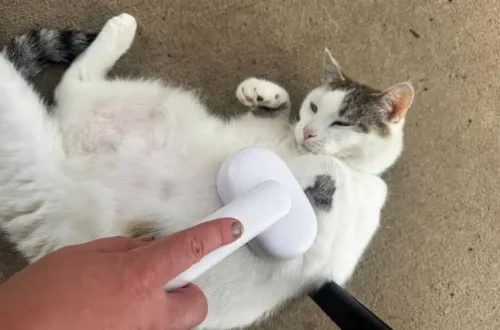
Regular brushing is one of the most effective ways to manage shedding. Brushing removes loose hairs before they spread throughout the home.
Most Siberian Cats benefit from brushing at least once or twice per week. During seasonal shedding periods, more frequent grooming may be necessary.
Proper Nutrition
A balanced diet supports healthy skin and coat development. High-quality protein, essential fatty acids, and proper hydration all contribute to coat health.
Cats that receive appropriate nutrition often experience healthier fur and more manageable shedding levels.
Hydration
Adequate water intake supports healthy skin and overall wellness. Proper hydration helps maintain coat condition and may reduce dryness-related shedding.
Providing fresh water daily is an important part of coat care and general health maintenance.
Routine Grooming
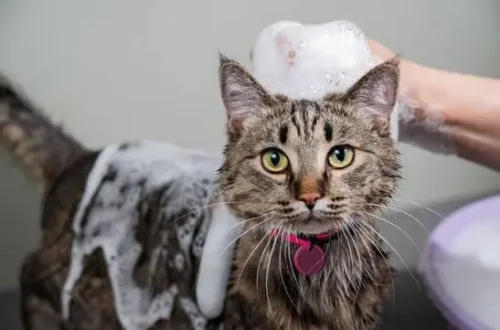
In addition to brushing, routine grooming includes checking for mats, cleaning ears, trimming nails, and monitoring skin condition.
Regular grooming sessions also provide an opportunity to identify potential health concerns before they become serious.
Signs of Excessive Shedding
Some shedding is completely normal, but excessive hair loss may indicate an underlying problem. Owners should pay attention to sudden or unusual changes in the coat.
Warning signs include bald patches, thinning fur, irritated skin, excessive scratching, or hair loss concentrated in specific areas. These symptoms may suggest allergies, infections, parasites, or other medical conditions.
A healthy Siberian Cat should maintain a full, thick coat even during seasonal shedding periods.
When to See a Veterinarian
A veterinarian should be consulted if shedding becomes unusually heavy or is accompanied by other symptoms. Persistent scratching, redness, weight loss, or behavioral changes may indicate a medical issue.
Early diagnosis often leads to more effective treatment. Professional evaluation is especially important when hair loss appears suddenly or continues for an extended period.
Regular veterinary checkups also help monitor overall health and coat condition throughout a cat’s life.
Tips for Keeping Your Home Free of Cat Hair
Managing shedding becomes easier when a few simple habits are followed consistently. Small adjustments can greatly reduce the amount of fur found around the home.
Brush your cat regularly, vacuum frequently, wash bedding often, and use lint rollers on furniture and clothing. Air purifiers may also help reduce airborne hair and dander.
Creating a regular grooming routine can significantly decrease the amount of loose fur that accumulates indoors.
Does Coat Color Affect Shedding?
Coat color generally does not affect how much a Siberian Cat sheds. Whether a cat is a colourpoint Neva Masquerade, a traditional tabby, or another coat variation, shedding patterns are primarily influenced by genetics, season, health, and grooming habits.
The appearance of shedding may seem different depending on coat colour. Lighter hairs are often more visible on dark furniture, while darker hairs may stand out on light-colored surfaces.
Final Thoughts
Siberian Cat shedding is a normal part of owning this beautiful, long-haired breed. While Siberians do shed, their shedding is often manageable with proper grooming, good nutrition, and routine care. Most shedding occurs during seasonal coat changes, particularly in spring when the thick winter coat is replaced.
For many owners, the Siberian Cat’s affectionate personality, intelligence, and stunning appearance easily outweigh the extra grooming requirements. By understanding why shedding occurs and how to manage it effectively, you can keep your Siberian Cat healthy while maintaining a cleaner and more comfortable home.
1. Do Siberian cats shed a lot?
Siberian cats shed moderately throughout the year, with heavier shedding periods during seasonal coat changes in spring and fall.
2. Why do Siberian cats shed more in certain seasons?
Their thick triple coat adapts to temperature changes, causing increased shedding when they lose their winter or summer coat.
3. How can I reduce Siberian cat shedding?
Regular brushing, a balanced diet, proper hydration, and routine grooming can help manage shedding and keep the coat healthy.
4. How often should I groom a shedding Siberian cat?
Brushing two to three times per week is usually sufficient, though daily grooming may be helpful during peak shedding seasons.
5. Is excessive shedding in Siberian cats normal?
Some shedding is normal, but sudden or excessive hair loss may indicate stress, allergies, parasites, or a health issue that requires veterinary attention.