






Introduction
Siberian cat kittens are among the most charming and sought-after feline companions in the world. Known for their fluffy coats, playful personalities, and affectionate nature, these kittens quickly become beloved members of the family. As the younger version of the majestic Siberian cat, they combine intelligence, curiosity, and gentle behavior in one adorable package. Whether you are considering bringing home a Siberian kitten or simply want to learn more about the breed, understanding their growth, care requirements, temperament, and development is essential. This guide covers everything you need to know about Siberian cat kittens, from their appearance and personality to care, pricing, and choosing a healthy kitten.
What Are Siberian Cat Kittens?
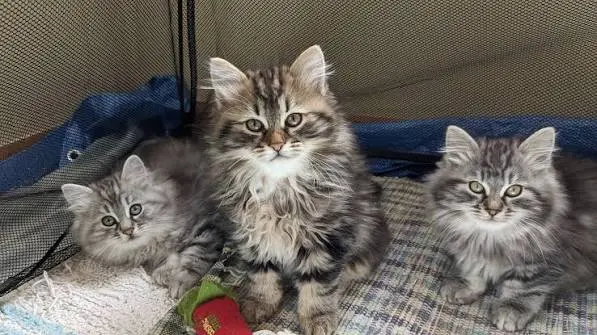
Siberian cat kittens are the young offspring of the Siberian cat, a natural breed that originated in Russia. These kittens are born with a strong build and gradually develop the breed’s signature thick triple coat.
The Siberian Forest Cat is known for its adaptability and friendly nature. Even at a young age, Siberian kittens display confidence, intelligence, and a playful attitude that makes them enjoyable companions.
Unlike some breeds that remain reserved, Siberian kittens often form strong bonds with their owners and enjoy participating in daily household activities.
Physical Characteristics of Siberian Cat Kittens
Siberian cat kittens have a distinctive appearance that sets them apart from many other breeds. Their fluffy coats, rounded features, and expressive eyes give them an irresistibly cute look.
Although they start small, they grow into large and muscular cats. Their development occurs gradually, with many Siberians taking several years to reach full maturity.
Coat and Fur
One of the most recognizable features of Siberian kittens is their luxurious coat. Even at a young age, their fur appears soft and dense.
As they grow, the breed develops a triple coat that helps protect against harsh weather conditions. Regular grooming helps keep the coat healthy and free of loose hair.
Eye Color
Siberian kittens are often born with blue eyes. As they mature, the eye color may change to green, gold, amber, or a combination of shades.
Some kittens, especially those belonging to the Neva Masquerade variety, may retain beautiful blue eyes throughout adulthood.
Size and Build
Although tiny at birth, Siberian kittens are naturally sturdy and well-proportioned. Their bodies develop steadily, resulting in the powerful build for which the breed is known.
They tend to have strong legs, broad chests, and a balanced body structure that supports their active lifestyle.
Siberian Kitten Personality and Temperament
The personality of a Siberian kitten is one of the main reasons the breed is so popular. These kittens are affectionate without being overly demanding.
They enjoy spending time with people and are often described as social and friendly. Many owners find that Siberian kittens happily follow them around the house and participate in everyday activities.
Despite their playful energy, they also have a gentle side. They usually adapt well to family environments and often get along with other pets.
Intelligent and Curious
Siberian kittens are highly intelligent. They enjoy exploring new environments and learning through play.
Puzzle toys, climbing structures, and interactive games help keep their minds stimulated. Their curiosity often leads them to investigate anything new in their surroundings.
Playful and Active
These kittens have plenty of energy and enjoy activities that involve running, climbing, and chasing toys.
Daily play sessions help support healthy physical development and prevent boredom. Interactive play also strengthens the bond between kittens and their owners.
Growth Stages of Siberian Kittens
Siberian kittens grow steadily throughout their first few years. Unlike some breeds that mature quickly, Siberians are known for their extended development period.
Birth to 8 Weeks
During the first few weeks, kittens rely heavily on their mother for nourishment and care. Their eyes open, mobility improves, and social development begins.
Responsible breeders typically keep kittens with their mother during this important stage.
2 to 6 Months
This period is characterized by rapid growth and increased activity. Kittens become more independent and begin exploring their environment with confidence.
Socialization during this stage is extremely important for future behavior.
6 to 12 Months
By this age, Siberian kittens start resembling miniature adults. Their bodies become stronger, and their personalities become more defined.
Many continue experiencing significant growth during this stage.
Full Maturity
Unlike many breeds, Siberians may not reach full maturity until three to five years of age. Their muscular build and full coat continue developing throughout this period.
Caring for a Siberian Kitten
Proper care helps ensure healthy growth and development. Meeting a kitten’s physical and emotional needs creates the foundation for a happy life.
Feeding Requirements
A high-quality kitten diet provides the nutrients necessary for healthy growth. Protein-rich food supports muscle development and energy needs.
Fresh water should always be available. Feeding schedules may vary depending on age and activity level.
Grooming Needs
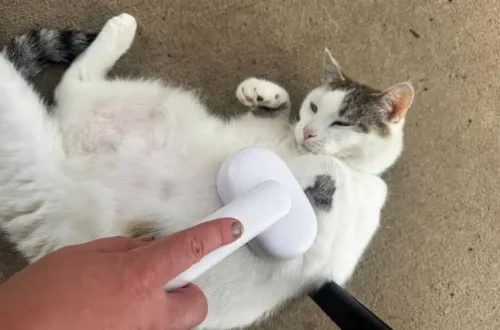
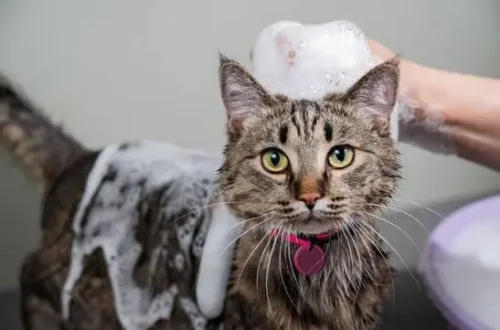
Although Siberian kittens have thick coats, grooming requirements are generally manageable. Regular brushing helps remove loose fur and prevents tangles.
Introducing grooming routines early can make future maintenance much easier.
Exercise and Play
Physical activity is essential for healthy development. Interactive toys, climbing towers, and play sessions provide both exercise and mental stimulation.
Active play also helps kittens build confidence and improve coordination.
Litter Training
Most Siberian kittens learn litter habits quickly. Providing a clean and easily accessible litter box encourages good behavior.
Consistency and positive reinforcement usually lead to successful training.
Are Siberian Kittens Good With Kids?
Siberian kittens are often considered excellent companions for families with children. Their gentle and patient nature allows them to adapt well to household environments.
Many enjoy interactive play and can form strong bonds with younger family members. Proper supervision and respectful handling help create positive interactions between children and kittens.
Teaching children how to interact gently with pets benefits both the kitten and the family.
Common Health Considerations
Siberian kittens are generally healthy, but regular veterinary care remains important. Routine checkups help monitor growth and detect potential concerns early.
Vaccinations, parasite prevention, and proper nutrition contribute to overall health. Responsible breeders also perform health screening to reduce the risk of inherited conditions.
Early veterinary care provides the best foundation for long-term well-being.
How to Choose a Healthy Siberian Kitten
Selecting a healthy kitten requires careful observation and research. Reputable breeders prioritize health, socialization, and responsible breeding practices.
When evaluating a kitten, look for:
- Bright, clear eyes
- Clean ears
- Healthy coat
- Good energy levels
- Friendly behavior
- Proper veterinary records
Avoid purchasing kittens from sources that cannot provide health information or proof of responsible breeding practices.
Siberian Cat Kitten Price
The Siberian kitten price can vary significantly depending on location, pedigree, breeder reputation, and bloodline quality.
Pet-quality kittens generally cost less than show-quality kittens. Additional factors such as vaccinations, registration, and health testing may also influence pricing.
Potential owners should consider ongoing expenses such as food, veterinary care, grooming supplies, and pet insurance when budgeting for a kitten.
Buying vs Adopting a Siberian Kitten
Many people search for Siberian cat kittens for sale when looking for a new companion. Purchasing from a reputable breeder can provide detailed information about the kitten’s health history and pedigree.
Adoption is another option worth considering. Occasionally, Siberian cats and kittens become available through rescue organizations or breed-specific adoption groups.
Both approaches can lead to a rewarding ownership experience when done responsibly.
Preparing Your Home for a Siberian Kitten
Preparing your home before bringing a kitten home can help ensure a smooth transition. Creating a safe environment reduces stress and supports successful adjustment.
Important items include:
- Food and water bowls
- Litter box
- Scratching post
- Comfortable bed
- Interactive toys
- Grooming supplies
Kitten-proofing areas that contain electrical cords, toxic plants, or small objects can help prevent accidents.
Common Mistakes New Owners Make
New kitten owners sometimes underestimate the amount of attention and stimulation Siberian kittens require. Lack of mental enrichment can lead to boredom and unwanted behaviors.
Another common mistake is overfeeding treats. Maintaining a balanced diet is essential for healthy growth and weight management.
Skipping routine veterinary visits can also result in missed opportunities for preventive care.
Why Siberian Kittens Are So Popular
Siberian kittens have earned a loyal following because they combine beauty, intelligence, and affection. Their playful personalities make them entertaining companions, while their gentle nature helps them fit into a variety of households.
Many owners appreciate their social behavior and strong attachment to family members. Their unique appearance and impressive coat only add to their appeal.
For those seeking an engaging and loving feline companion, Siberian kittens offer a wonderful combination of qualities.
Final Thoughts
Siberian cat kittens are intelligent, affectionate, and beautiful companions that thrive in loving homes. Their playful personalities, strong family bonds, and impressive physical features make them one of the most admired cat breeds in the world. With proper nutrition, socialization, veterinary care, and attention, these kittens can grow into healthy and confident adult cats. Whether you are researching the breed or preparing to welcome a Siberian kitten into your family, understanding their needs is the first step toward a rewarding and lifelong relationship.
Faqs
1. How big do Siberian Cat kittens get?
Siberian Cat kittens grow into medium-to-large cats. Adult males typically weigh 15–20 pounds, while females usually reach 10–15 pounds.
2. What should Siberian Cat kittens eat?
Siberian Cat kittens need a high-quality, protein-rich kitten food that supports healthy growth, strong muscles, and brain development.
3. When do Siberian Cat kittens stop growing?
Most Siberian Cat kittens continue growing until they are 3 to 5 years old, although they reach most of their adult size by 12 to 18 months.
4. Are Siberian Cat kittens easy to train?
Yes. Siberian Cat kittens are intelligent and curious, making them easy to litter train and teach simple commands with positive reinforcement.
5. Are Siberian Cat kittens good with children and other pets?
Yes. Siberian Cat kittens are affectionate, playful, and social. With proper introductions, they usually get along well with children, cats, and dogs.