




Introduction
Providing the right food is one of the most important parts of caring for a Siberian cat. This large and active breed has unique nutritional needs that support healthy growth, strong muscles, a thick coat, and long-term well-being. While Siberians are known for their impressive size and playful nature, their diet plays a major role in maintaining their health throughout every stage of life. Understanding the best Siberian cat food and diet can help owners make informed feeding decisions and avoid common nutritional mistakes. This guide covers everything from kitten nutrition to adult feeding, healthy weight management, hydration, and foods that should be avoided.
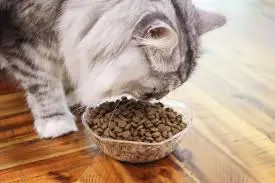
Siberian Cat Food and Diet Overview
The Siberian cat is a naturally athletic breed with a strong body and moderate to high energy levels. Because of their muscular build, they require a balanced diet rich in animal-based protein and essential nutrients.
A healthy Siberian cat diet should include high-quality protein, healthy fats, vitamins, minerals, and adequate moisture. The goal is to support muscle maintenance, coat health, immune function, and overall vitality. Feeding a nutritionally complete diet helps reduce the risk of obesity and other diet-related health issues.
What Is the Best Diet for a Siberian Cat?
The best diet for a Siberian cat is one that closely matches the nutritional needs of an obligate carnivore. Cats naturally rely on animal protein as their primary source of nutrition.
A quality diet should feature real meat such as chicken, turkey, beef, fish, or lamb as the main ingredient. Foods containing excessive fillers, artificial additives, and low-quality by-products should be limited whenever possible.
A balanced feeding plan should provide:
- High-quality animal protein
- Moderate healthy fats
- Essential vitamins and minerals
- Taurine for heart and eye health
- Adequate moisture through food and water
Choosing a complete and balanced commercial cat food that meets recognized nutritional standards is often the simplest option for most owners.
Nutritional Needs of Siberian Cats
Animal Protein Requirements
Protein is the foundation of a healthy Siberian cat diet. Since Siberians are large and muscular, they require sufficient protein to support tissue repair, muscle development, and daily energy needs.
Foods that contain meat as the primary ingredient generally provide better nutritional value than diets dominated by plant-based ingredients. Protein also helps maintain a healthy body condition throughout adulthood.
Healthy Fats
Healthy fats provide energy and support skin and coat health. Siberian cats have a thick triple coat that benefits from proper fat intake.
Omega-3 and Omega-6 fatty acids can help maintain a shiny coat and healthy skin. These nutrients may also support joint health and overall wellness.
Vitamins and Minerals
Vitamins and minerals contribute to numerous bodily functions, including immune health, bone development, and metabolism. A complete diet should provide the right balance of nutrients without requiring excessive supplementation.
Most premium commercial cat foods already contain the necessary vitamins and minerals required for healthy growth and maintenance.
Taurine Importance
Taurine is an essential amino acid that cats cannot produce in sufficient amounts on their own. It plays a critical role in heart function, vision, and reproductive health.
A taurine deficiency can lead to serious health problems. This is one reason why feeding nutritionally complete cat food is so important.
Feeding Siberian Cats at Different Life Stages
Siberian Kitten Food Requirements
Kittens grow rapidly and require more calories and nutrients than adult cats. A high-quality kitten formula provides the extra protein, fat, and energy needed during development.
Siberian kittens should be fed several small meals throughout the day. Frequent feeding helps support steady growth and provides consistent energy levels.
During the first year, proper nutrition contributes to healthy bone development, muscle growth, and immune system function.
Adult Siberian Cat Diet
Adult Siberian cats need a balanced diet that supports muscle maintenance and healthy body weight. Portion sizes should be adjusted based on age, activity level, and individual metabolism.
Many adults thrive on a combination of wet and dry food. This approach can provide nutritional variety while helping maintain hydration.
Monitoring body condition is important because overfeeding can gradually lead to weight gain.
Senior Siberian Cat Diet
As Siberian cats age, their nutritional requirements may change. Some seniors become less active and require fewer calories to maintain a healthy weight.
Senior-friendly diets often contain easily digestible ingredients and additional nutrients that support joint and overall health. Regular veterinary checkups can help determine whether dietary adjustments are necessary.
Wet Food vs Dry Food for Siberian Cats
Many owners wonder whether wet food or dry food is better for a Siberian cat. The truth is that both options can be beneficial when used correctly.
Wet food contains a higher moisture content, which supports hydration and urinary health. It is often more appealing to picky eaters and can help increase daily water intake.
Dry food offers convenience, a longer shelf life, and easy portion control. It can also be useful for free-feeding in certain situations.
A combination of wet and dry food is often considered an effective feeding strategy because it provides the benefits of both options.
How Much Should a Siberian Cat Eat?
The amount a Siberian cat should eat depends on several factors, including age, activity level, weight, and overall health.
Highly active cats generally require more calories than less active individuals. Kittens also need more food relative to their body size because they are growing rapidly.
Most adult Siberian cats benefit from measured meals rather than unlimited access to food. Following feeding guidelines and monitoring body condition can help maintain an ideal weight.
If a cat begins gaining or losing weight unexpectedly, portion sizes may need adjustment.
Foods Siberian Cats Should Avoid
Some foods can be harmful or even toxic to cats. Owners should avoid feeding the following items:
- Chocolate
- Onions
- Garlic
- Grapes
- Raisins
- Alcohol
- Caffeine
- Xylitol
- Raw dough
- Excessively fatty foods
Many human foods contain ingredients that are unsafe for cats. When in doubt, it is best to consult a veterinarian before introducing new foods.
Hydration and Water Intake
Hydration is an essential part of a healthy Siberian cat diet. Even when eating wet food, cats should always have access to fresh, clean water.
Some Siberians prefer running water and may drink more from a cat fountain. Adequate hydration supports kidney function, digestion, and overall health.
Owners should monitor water consumption and watch for significant changes, as they can sometimes indicate underlying health concerns.
Common Diet Mistakes
One of the most common feeding mistakes is overfeeding. Because Siberian cats are naturally large, owners sometimes assume they require unlimited food. This can contribute to unhealthy weight gain over time.
Another mistake is frequently changing foods without a gradual transition. Sudden dietary changes may lead to digestive upset and reduced appetite.
Feeding excessive treats can also create nutritional imbalances. Treats should make up only a small portion of a cat’s daily calorie intake.
Signs Your Siberian Cat’s Diet Needs Improvement
A cat’s appearance and behavior can provide valuable clues about nutritional health. Certain signs may suggest that dietary changes are needed.
Potential warning signs include:
- Dull or dry coat
- Unexplained weight gain
- Unexplained weight loss
- Low energy levels
- Digestive problems
- Poor muscle condition
If these symptoms persist, a veterinary evaluation can help identify potential nutritional or medical causes.
Maintaining a Healthy Weight
Maintaining a healthy weight is one of the most effective ways to support long-term health and longevity. Obesity increases the risk of various health problems and may reduce overall quality of life.
Regular exercise, portion control, and a balanced diet are key components of weight management. Interactive play sessions also help keep Siberian cats physically active and mentally stimulated.
Routine weight checks can help owners identify changes before they become significant concerns.
Final Thoughts
A proper Siberian cat food and diet plan is essential for supporting growth, muscle development, coat quality, and overall health. High-quality animal protein, healthy fats, adequate hydration, and balanced nutrition form the foundation of a healthy feeding program. Whether caring for a kitten, adult, or senior cat, choosing appropriate foods and monitoring body condition can help ensure a long and healthy life. By focusing on nutritional quality rather than simply quantity, owners can provide the support their Siberian cat needs to thrive at every stage of life.
1. What is the best food for a Siberian cat?
The best Siberian Cat food is high in animal protein, contains essential nutrients, and is appropriate for your cat’s age, weight, and activity level.
2. How much food should a Siberian cat eat daily?
Most adult Siberian cats need about 200–350 calories per day, though the exact amount depends on their size, age, and activity level.
3. Can Siberian cats eat wet and dry food?
Yes, Siberian cats can eat both wet and dry food. Many owners choose a combination of the two to provide balanced nutrition and hydration.
4. Are there foods Siberian cats should avoid?
Yes, Siberian cats should avoid chocolate, onions, garlic, grapes, raisins, alcohol, and other foods that are toxic to cats.
5. Do Siberian cats need a special diet?
Most Siberian cats do well on a high-quality, protein-rich diet. Cats with specific health conditions may require special food recommended by a veterinarian.