







Javanese Cat
Introduction
The Javanese cat is an elegant, intelligent, and affectionate breed admired for its silky coat, striking blue eyes, and playful personality. Although it shares many similarities with the Balinese and Siamese breeds, the Javanese has its own unique charm that attracts cat lovers around the world.
Known for forming strong bonds with their families, these cats enjoy being involved in everyday activities and rarely like being left alone for long periods. Their graceful appearance is matched by an active and curious nature, making them excellent companions for owners who want an interactive pet.
In this complete guide, you’ll learn everything about the Javanese cat, including its history, appearance, personality, care requirements, health, lifespan, and interesting facts to help you decide whether this beautiful breed is right for your home.
Breed Overview
| Feature | Details |
|---|---|
| Origin | United States |
| Breed Type | Domestic pedigree cat |
| Weight | 5–10 pounds (2.3–4.5 kg) |
| Height | 8–11 inches |
| Lifespan | 12–18 years |
| Coat | Medium-length, silky |
| Eye Color | Blue |
| Personality | Intelligent, affectionate, playful |
| Good With Children | Yes |
| Good With Other Pets | Yes |
History and Origin of the Javanese Cat
The Javanese cat was developed in North America during the mid-20th century as breeders worked to expand the color varieties found in Balinese cats.
Rather than creating an entirely new breed from unrelated cats, breeders selectively paired Siamese and Balinese lines to produce kittens with beautiful coat colors while maintaining the elegant body type and affectionate personality.
Despite its name, the Javanese cat did not originate on the Indonesian island of Java. The name was chosen simply because it complemented the existing naming tradition of Oriental breeds such as the Siamese and Balinese.
Today, the breed is admired for combining beauty, intelligence, and a highly social temperament.
Read More: Besides Javanese cats, Snowshoe Cats are also known for their loving nature and striking blue eyes.
Breed Recognition
Over the years, the Javanese breed has been recognized by several cat registries, although classification may vary between organizations.
Some registries now include the breed within the broader Balinese or Oriental Longhair classifications, while others continue to recognize its traditional characteristics.
Breed standards generally evaluate:
- Body structure
- Head shape
- Coat quality
- Eye color
- Color patterns
- Overall balance
Responsible breeders aim to preserve these characteristics while maintaining good health and temperament.
Physical Appearance
The Javanese cat has a graceful and athletic appearance that reflects its Siamese ancestry.
Its body is long, elegant, and muscular without appearing heavy. Every part of the breed is proportionate, creating a refined and balanced look.
The flowing coat adds elegance while remaining lightweight and easy to maintain.
Body Shape
This breed has a slender yet muscular body.
Common characteristics include:
- Long torso
- Fine bone structure
- Athletic build
- Flexible body
- Elegant posture
Although they appear delicate, these cats are surprisingly agile and energetic.
Head Shape
The head forms a long wedge with smooth lines.
Distinctive facial features include:
- Straight nose
- Fine muzzle
- Strong chin
- Large pointed ears
- Bright blue eyes
The overall expression is alert, intelligent, and curious.
Blue Eyes
One of the most recognizable features of the Javanese cat is its brilliant blue eyes.
Healthy eyes should appear:
- Clear
- Bright
- Deep blue
- Almond-shaped
Their vivid eye color creates a beautiful contrast with the silky coat.
Size and Weight
The Javanese cat is considered a medium-sized breed with a lightweight but athletic build.
Average Measurements
| Measurement | Average |
|---|---|
| Weight | 5–10 pounds (2.3–4.5 kg) |
| Height | 8–11 inches |
| Body Length | 18–24 inches |
Males are usually slightly larger than females.
Although they are slim, they possess excellent muscle tone and remarkable agility.
Coat Type
The Javanese cat has a beautiful medium-length coat that feels soft and silky.
Unlike some long-haired breeds, the coat has very little undercoat.
This gives several advantages:
- Fewer tangles
- Less matting
- Easier grooming
- Lightweight appearance
The silky texture is one of the breed’s most admired qualities.
Coat Colors
One feature that helped distinguish the Javanese breed from the Balinese was its wider variety of accepted color points.
Common colors include:
- Seal Point
- Chocolate Point
- Blue Point
- Lilac Point
- Red Point
- Cream Point
- Lynx Point
- Tortie Point
The exact colors recognized may vary among cat registries.
Tail
The tail is long, graceful, and covered with a soft plume of silky fur.
It tapers toward the tip and complements the breed’s elegant body proportions.
The flowing tail contributes to the breed’s refined appearance without requiring excessive grooming.
Personality
The Javanese cat personality is one of the breed’s biggest attractions.
These cats are affectionate, highly intelligent, and naturally curious.
They often become deeply attached to their owners and enjoy participating in daily household activities.
Unlike independent breeds, they usually prefer being close to people whenever possible.
Affectionate Nature
This breed enjoys companionship and frequently seeks attention from family members.
Many owners describe their cats as:
- Loving
- Loyal
- Friendly
- Gentle
- Curious
- Interactive
They often follow their favorite person from room to room simply to remain nearby.
Intelligence
The Javanese cat is considered one of the more intelligent domestic breeds.
Many quickly learn:
- Household routines
- Their names
- Puzzle toys
- Simple tricks
- Interactive games
Their intelligence also means they benefit from regular mental stimulation.
Vocalization
Because of their Siamese heritage, these cats enjoy communicating with their owners.
However, most individuals have a softer voice than a traditional Siamese.
They commonly express themselves through:
- Gentle meows
- Soft chirps
- Quiet purring
- Body language
Many owners appreciate their conversational nature without finding them excessively noisy.
Energy Level
The Javanese cat is active and playful throughout adulthood.
Favorite activities include:
- Climbing cat trees
- Chasing feather toys
- Puzzle games
- Fetch
- Exploring shelves
- Window watching
Daily interactive play helps keep both the body and mind healthy.
Do They Like Attention?
Yes.
This breed thrives on human interaction and usually prefers spending time with family members instead of being alone.
Many enjoy:
- Sitting beside their owners
- Sleeping near family members
- Greeting people at the door
- Supervising household activities
Because they form strong emotional bonds, long periods of isolation may lead to boredom or loneliness.
Are They Lap Cats?
Many Javanese cats enjoy relaxing beside or on their owners after an active play session.
While individual personalities vary, most appreciate affection and physical closeness.
They often balance playful energy with quiet moments of companionship, making them wonderful pets for families, couples, and individuals alike.
Family Compatibility
The Javanese cat is well known for its affectionate and adaptable nature. This breed enjoys being part of the family and often wants to participate in whatever its owners are doing.
Unlike some independent cats, the Javanese usually prefers companionship over solitude. It thrives in homes where someone is available to provide attention, playtime, and affection throughout the day.
Are Javanese Cats Good Family Pets?
Yes. The Javanese cat is considered an excellent family companion because of its friendly personality and gentle behavior.
Many families appreciate that this breed is:
- Loving
- Intelligent
- Playful
- Curious
- Social
- Loyal
Its combination of energy and affection makes it suitable for both active households and quieter homes.
Do They Get Along With Children?
Most Javanese cats are patient and playful around respectful children.
They often enjoy interactive games and can develop strong bonds with younger family members.
Children should still learn to:
- Handle cats gently
- Avoid rough play
- Respect sleeping areas
- Give the cat space when needed
Supervised interactions help ensure positive experiences for everyone.
Living With Other Cats
The Javanese breed usually adapts well to living with other friendly cats.
Because these cats are naturally social, many actually enjoy having a feline companion.
When introducing another cat:
- Start slowly.
- Allow gradual scent exchanges.
- Supervise early meetings.
- Reward calm behavior.
A careful introduction increases the likelihood of a peaceful relationship.
Are They Good With Dogs?
Yes, provided the dog is calm and accustomed to living with cats.
Many Javanese cats become comfortable with cat-friendly dogs after proper introductions.
Slow introductions and positive experiences help build trust between both pets.
Apartment Living
The Javanese cat adapts well to apartment life if provided with enough enrichment.
Helpful additions include:
- Cat trees
- Window perches
- Climbing shelves
- Puzzle feeders
- Interactive toys
- Scratching posts
Creating vertical spaces allows these agile cats to climb and observe their surroundings.
Exercise Needs
This breed has moderate to high energy levels.
Regular activity helps maintain:
- Healthy muscles
- Proper weight
- Mental stimulation
- Good behavior
- Overall fitness
Most adults benefit from 30–45 minutes of active play each day.
Favorite Activities
Because of their intelligence, the Javanese cat enjoys games that challenge both the mind and body.
Popular activities include:
- Feather wand toys
- Playing fetch
- Puzzle toys
- Climbing towers
- Hide-and-seek
- Treat-dispensing games
Rotating toys every few weeks helps prevent boredom.
Grooming
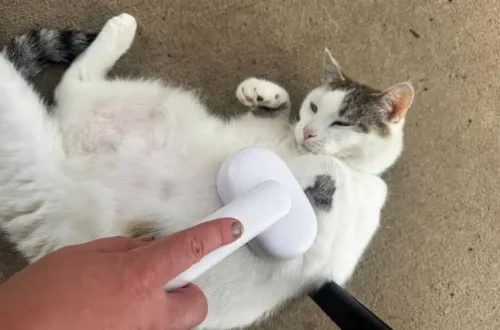
Although the coat appears luxurious, grooming requirements are surprisingly simple.
The silky coat contains very little undercoat, which means it tangles less than many long-haired breeds.
Brushing once or twice each week is usually enough to:
- Remove loose hair
- Maintain shine
- Reduce shedding
- Prevent small tangles
Regular grooming also strengthens the bond between owner and pet.
Shedding
Many people assume long-haired cats shed heavily.
However, the Javanese cat usually sheds less than many fluffy breeds because it lacks a thick undercoat.
Seasonal shedding may still occur, but routine brushing helps keep loose hair under control.
Nail Care
Healthy nails are an important part of routine care.
Trim the nails every 2–4 weeks or as needed.
Providing scratching posts allows natural nail maintenance while protecting household furniture.
Ear Care
The ears should be checked regularly for signs of dirt or irritation.
Watch for:
- Wax buildup
- Unpleasant odor
- Redness
- Excessive scratching
Clean only when necessary using veterinarian-approved products.
Dental Care
Good dental hygiene supports overall health throughout life.
Helpful habits include:
- Brushing teeth several times each week
- Dental treats
- Annual dental examinations
- Veterinary cleanings when recommended
Preventive care may reduce the risk of gum disease and tooth loss.
Diet and Nutrition
A balanced diet plays an important role in keeping the Javanese cat healthy and active.
Choose food based on:
- Age
- Activity level
- Body condition
- Veterinary recommendations
Fresh water should always be available.
Essential Nutrients
Quality cat food should contain:
- High-quality animal protein
- Healthy fats
- Taurine
- Vitamins
- Minerals
- Omega fatty acids
Protein remains especially important for maintaining lean muscle mass.
Foods to Avoid
Some human foods can be dangerous for cats.
Avoid feeding:
- Chocolate
- Onions
- Garlic
- Grapes
- Raisins
- Alcohol
- Caffeine
- Xylitol
If accidental ingestion occurs, seek veterinary advice immediately.
Common Health Issues
Overall, the Javanese breed is considered healthy, but like many pedigree cats, it may be predisposed to certain inherited conditions.
Potential concerns include:
- Dental disease
- Progressive retinal atrophy (rare)
- Respiratory conditions
- Heart disease in some bloodlines
- Kidney disease in older cats
Choosing a responsible breeder and scheduling routine veterinary checkups help reduce health risks.
Maintaining Good Health
Owners can support long-term wellness by providing:
- Annual veterinary exams
- Routine vaccinations
- Balanced nutrition
- Daily exercise
- Weight management
- Mental enrichment
Preventive healthcare remains one of the best investments for a long and healthy life.
Lifespan
The Javanese cat generally enjoys a long lifespan.
With proper care, many live between:
12–18 years
Some individuals may live even longer when given excellent nutrition, routine veterinary care, and an indoor lifestyle.
Caring for Javanese Kittens
Javanese kittens are playful, curious, and eager to explore.
During the first year, they require:
- Proper nutrition
- Socialization
- Vaccinations
- Gentle handling
- Safe play opportunities
- Routine veterinary visits
Positive experiences during kittenhood help build confident and friendly adult cats.
Early Training
Because the Javanese cat is highly intelligent, training usually begins easily at a young age.
Useful lessons include:
- Litter box training
- Carrier training
- Accepting grooming
- Responding to their name
- Interactive play
Reward-based training encourages faster learning while strengthening the bond between owner and kitten.
Mental Stimulation
The Javanese cat personality is naturally curious and active, making mental enrichment essential.
Excellent enrichment ideas include:
- Puzzle feeders
- Clicker training
- Interactive toys
- Rotating play sessions
- Window observation areas
Keeping these intelligent cats mentally engaged helps prevent boredom and unwanted behaviors.
Adoption vs. Buying From a Breeder
If you’re planning to welcome a Javanese cat into your home, you’ll generally have two options: adoption or purchasing from a reputable breeder.
Since this is a relatively uncommon breed, finding one at a rescue may require patience. However, adoption can be a rewarding way to give a deserving cat a second chance.
Adoption
Although the Javanese breed is not commonly found in shelters, breed-specific rescues occasionally have adults or mixed-breed cats available.
Typical adoption fees range from:
$100–$350
Many adopted cats already include:
- Initial vaccinations
- Microchipping
- Spay or neuter surgery
- Basic health examination
Adopting can be both affordable and rewarding.
Buying From a Breeder
Many people choose to purchase Javanese kittens from responsible breeders because they can learn about the kitten’s health history, parents, and early socialization.
A reputable breeder should provide:
- Veterinary records
- Vaccination history
- Health guarantees
- Registration papers (when applicable)
- Information about the kitten’s parents
Avoid breeders who refuse to answer questions or allow you to see where the kittens are raised.
How Much Does a Javanese Cat Cost?
The price of a Javanese cat varies depending on pedigree, breeder reputation, bloodline, and location.
Average Price
| Type | Average Cost |
|---|---|
| Pet-quality kitten | $800–$1,500 |
| Show-quality kitten | $1,500–$3,000+ |
| Adoption | $100–$350 |
Additional expenses such as food, veterinary care, grooming supplies, toys, and pet insurance should also be considered before bringing one home.
Interesting Javanese Cat Facts
There are many fascinating Javanese cat facts that make this breed stand out from other domestic cats.
Some of the most interesting include:
- The breed was developed in North America rather than Indonesia.
- It shares close ancestry with Siamese and Balinese cats.
- Its silky coat has very little undercoat, making grooming easier.
- Bright blue eyes are one of its defining features.
- Many enjoy learning tricks and playing fetch.
- These cats often follow their owners around the house.
- They are highly vocal but usually softer than Siamese cats.
- Every cat develops its own unique personality.
- They enjoy climbing and observing their surroundings from high places.
- With proper care, many live well into their teenage years.
Is the Javanese Cat Right for You?
The Javanese cat is best suited for owners who want an affectionate, intelligent, and interactive companion.
This breed may be a great fit if you are looking for a cat that is:
- Social
- Loyal
- Curious
- Playful
- Easy to groom
- Family-friendly
However, because these cats enjoy constant companionship, they may not be ideal for households where they are left alone for long hours every day.
Preparing Your Home
Before bringing home a Javanese kitten, prepare a safe and comfortable environment.
A simple checklist includes:
✔ Food and water bowls
✔ High-quality kitten food
✔ Litter box and litter
✔ Comfortable bed
✔ Cat tree
✔ Scratching post
✔ Interactive toys
✔ Grooming brush
✔ Pet carrier
✔ First veterinary appointment
Preparing in advance helps your new companion settle into its new home more comfortably.
Pros and Cons
Like every breed, the Javanese cat has both advantages and responsibilities.
Pros
- Extremely affectionate
- Highly intelligent
- Beautiful blue eyes
- Elegant appearance
- Easy-to-maintain silky coat
- Usually gets along with children
- Friendly with other pets
- Learns tricks quickly
- Active and playful
- Long lifespan
Cons
- Does not enjoy being left alone for long periods
- Can become bored without mental stimulation
- Fairly vocal compared to many breeds
- Requires daily interaction
- Rare breed with limited availability
- Responsible breeders may have waiting lists
- Purchase price can be relatively high
- Needs regular exercise
- May inherit certain health conditions
- Prefers constant companionship
Final Verdict
The Javanese cat is an excellent choice for anyone looking for a loving, intelligent, and elegant feline companion. Its silky coat, striking blue eyes, playful personality, and strong attachment to family members make it one of the most rewarding breeds to own.
The Javanese cat personality combines curiosity, loyalty, and affection, making these cats wonderful companions for families, couples, seniors, and experienced cat owners alike. They enjoy interactive play, mental challenges, and spending time with the people they love.
With proper nutrition, regular veterinary care, daily exercise, and plenty of companionship, a Javanese cat can provide many years of friendship and entertainment.
Frequently Asked Questions (FAQs)
1. What is a Javanese cat?
The Javanese cat is an elegant domestic breed known for its silky coat, blue eyes, intelligence, and affectionate personality.
2. Are Javanese cats friendly?
Yes. They are highly social, affectionate, and enjoy spending time with their families.
3. How big does a Javanese cat get?
Most adults weigh between 5 and 10 pounds (2.3–4.5 kg).
4. What is the Javanese cat personality like?
The Javanese cat personality is playful, intelligent, loyal, curious, and people-oriented.
5. Are Javanese cats good with children?
Yes. They usually interact well with respectful children and enjoy family activities.
6. Do they get along with dogs?
Many adapt well to cat-friendly dogs when introduced gradually.
7. How long does a Javanese cat live?
The average lifespan is 12–18 years, with some living even longer under excellent care.
8. Do Javanese cats shed a lot?
No. Their coat has very little undercoat, so shedding is generally moderate and easier to manage than many long-haired breeds.
9. Are they easy to groom?
Yes. Brushing once or twice each week is usually enough to keep the coat healthy and free of tangles.
10. Are Javanese kittens expensive?
Yes. Javanese kittens from reputable breeders typically cost between $800 and $1,500, while show-quality kittens may cost significantly more.
11. Are Javanese cats vocal?
Yes. They enjoy communicating with their owners, although many have a softer voice than Siamese cats.
12. Are they intelligent?
Absolutely. The Javanese breed is considered highly intelligent and often learns tricks, routines, and puzzle games quickly.
13. Are they suitable for apartment living?
Yes. As long as they receive enough exercise, climbing opportunities, and mental stimulation, they adapt well to apartment life.
14. What colors does the Javanese breed come in?
Common colors include seal, blue, chocolate, lilac, red, cream, tortie, and lynx point varieties.
15. Is a Javanese cat a good choice for first-time owners?
Yes. Their affectionate temperament, intelligence, and relatively simple grooming needs make them a suitable choice for many first-time cat owners.