

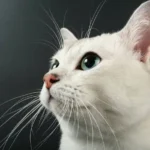


Snowshoe Cat
Introduction
The Snowshoe is a rare and elegant cat breed known for its bright blue eyes, distinctive white paws, and affectionate personality. Combining the graceful appearance of the Siamese with a calm and friendly temperament, these cats have become popular among families looking for an intelligent and loving companion.
Although they are less common than many other pedigree breeds, they are admired for their playful nature, social behavior, and beautiful color-point coat. Their unique white “boots” inspired the breed’s name and make every individual instantly recognizable.
This guide explores the breed’s history, appearance, temperament, size, care requirements, and everything prospective owners should know before bringing one home.
Breed Overview
| Feature | Details |
|---|---|
| Origin | United States |
| Breed Type | Domestic pedigree cat |
| Weight | 7–12 pounds (3–5.5 kg) |
| Height | 8–13 inches |
| Lifespan | 14–20 years |
| Coat | Short to medium, smooth |
| Eye Color | Blue |
| Personality | Friendly, intelligent, affectionate |
| Good With Children | Yes |
| Good With Other Pets | Usually yes |
History and Origin
This breed was developed in the United States during the 1960s.
It originated when a breeder noticed several Siamese kittens born with unusual white feet. Rather than viewing these markings as a fault, she recognized their beauty and began a breeding program to preserve the distinctive appearance.
By carefully crossing Siamese cats with American Shorthairs, breeders developed a new breed that combined elegant color-point markings with charming white paws and a balanced temperament.
Over time, careful selective breeding helped establish consistent characteristics while maintaining good health and friendly personalities.
Read More: If you enjoy learning about different types of cats, our Pallas Cat article introduces one of the world’s most unusual wild felines.
Recognition
Today, the breed is recognized by several major cat organizations.
These organizations have established official breed standards covering:
- Body structure
- Coat pattern
- Eye color
- Head shape
- White markings
- Overall appearance
Because achieving the correct markings is genetically challenging, the breed remains relatively uncommon.
Why Is It Called a snowshoe cat?
The name comes from its signature white feet.
These bright white paws resemble small snow boots or snowshoes, creating one of the breed’s most recognizable features.
Although every individual has white feet, the amount of white can vary from one cat to another.
Physical Appearance
This breed has an athletic yet elegant body.
It combines the refined appearance of the Siamese with a slightly sturdier build inherited from the American Shorthair.
The overall appearance is both graceful and muscular.
Body Shape
The body is:
- Medium-sized
- Well-balanced
- Athletic
- Muscular
- Flexible
These cats are agile climbers and enjoy exploring elevated spaces.
Head
The head forms a slightly rounded triangle with gentle contours.
Distinctive facial features include:
- Broad muzzle
- Strong chin
- Medium-sized ears
- Bright blue eyes
Their facial expression often appears alert and curious.
Blue Eyes
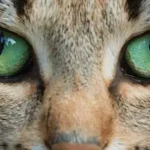
One of the breed’s most admired characteristics is its vivid blue eyes.
Eye color should be:
- Bright
- Clear
- Deep blue
The striking contrast between blue eyes and color-point markings gives these cats a particularly elegant appearance.
Size and Weight of a Snowshoe Cat
These cats are considered medium-sized.
Average Measurements
| Measurement | Average |
|---|---|
| Weight | 7–12 pounds (3–5.5 kg) |
| Height | 8–13 inches |
| Body Length | 18–24 inches |
Males are usually larger than females.
Despite their athletic build, they remain lighter than many large domestic breeds.
Coat Type
The coat is short to medium in length with a smooth texture.
It lies close to the body and requires relatively little maintenance.
Many owners appreciate its:
- Soft feel
- Low-maintenance nature
- Moderate shedding
- Healthy shine
Routine brushing helps keep the coat looking its best.
Coat Colors
Most individuals display classic color-point patterns similar to those seen in Siamese cats.
Recognized colors often include:
- Seal Point
- Blue Point
- Chocolate Point
- Lilac Point
Some registries may recognize additional variations depending on breeding standards.
White Markings
The signature white markings make every individual unique.
Typical white areas include:
- Front paws
- Back feet
- Chest
- Chin
- Muzzle
Many also display an inverted white “V” on the face.
No two patterns are exactly alike.
Why Every Snowshoe Looks Different
One reason the breed remains rare is the difficulty of producing consistent markings.
The genes responsible for the white feet and facial patterns create significant natural variation.
As a result:
- Some kittens have larger white areas.
- Others have minimal white markings.
- Facial patterns vary considerably.
- Each cat develops its own unique appearance.
This natural variation adds to the breed’s charm.
Personality
One of the biggest reasons families choose this breed is its affectionate personality.
These cats enjoy spending time with people and often form strong bonds with their owners.
Many are known for following family members from room to room simply to stay close.
Friendly Nature
Most individuals are:
- Affectionate
- Gentle
- Curious
- Loyal
- Playful
- Social
They generally enjoy interacting with people rather than spending long periods alone.
Intelligence
This breed is considered highly intelligent.
Many quickly learn:
- Household routines
- Their names
- Simple tricks
- Interactive games
- Puzzle toys
Their curiosity means they enjoy exploring new environments and investigating everyday activities.
Do They Talk a Lot?
Although they share Siamese ancestry, they are usually less vocal.
They communicate using:
- Soft meows
- Quiet chirps
- Gentle purring
- Body language
Most owners find them expressive without being excessively noisy.
Energy Level
These cats have moderate energy levels.
They enjoy active play but also appreciate relaxing with their families.
Favorite activities often include:
- Climbing cat trees
- Chasing toys
- Puzzle feeders
- Window watching
- Interactive games
Daily play sessions help keep them mentally and physically stimulated.
Do They Like Attention?
Yes.
This breed enjoys being involved in family life and often seeks companionship throughout the day.
They may greet owners at the door, follow them around the house, or curl up nearby during quiet moments.
Because of their social personality, they generally do not enjoy being left alone for extended periods.
Family Compatibility
One of the reasons this breed is so popular is its adaptable and affectionate nature. These cats usually enjoy spending time with people and often become closely attached to their families.
They thrive in homes where they receive regular attention, playtime, and companionship.
Are They Good Family Pets?
For many households, the answer is yes.
Their gentle temperament and playful personality make them a wonderful companion for people of different ages.
Many owners appreciate that these cats are:
- Friendly
- Patient
- Curious
- Gentle
- Affectionate
- Easy to live with
Because they enjoy being around people, they often become an active part of daily family life.
Do They Get Along With Children?
Most individuals are well-suited to families with respectful children.
They generally enjoy interactive play and often form strong bonds with younger family members.
Children should still learn how to:
- Handle cats gently
- Respect resting time
- Avoid pulling the tail or ears
- Give the cat personal space
Supervised interactions help create positive experiences for both the child and the pet.
Living With Other Cats
This breed is usually sociable with other cats when introduced gradually.
Growing up with another friendly feline often provides:
- Companionship
- Mental stimulation
- Play opportunities
- Reduced boredom
Proper introductions remain important to help both animals adjust comfortably.
Do They Get Along With Dogs?
Yes, many adapt well to cat-friendly dogs.
Successful introductions should be:
- Slow
- Calm
- Supervised
- Positive
Dogs that already have experience living with cats usually adjust more quickly.
Apartment Living
These cats adapt well to apartments provided they receive enough exercise and mental enrichment.
Helpful additions include:
- Cat trees
- Window perches
- Interactive toys
- Puzzle feeders
- Scratching posts
Creating vertical spaces allows them to climb and observe their surroundings.
Exercise Needs
Although they are not extremely hyperactive, regular activity is important.
Daily exercise helps:
- Maintain a healthy weight
- Prevent boredom
- Build confidence
- Strengthen muscles
- Reduce unwanted behaviors
Most adults benefit from 20–40 minutes of active play spread throughout the day.
Favorite Activities
Many enjoy games that encourage both movement and problem-solving.
Popular choices include:
- Feather wand toys
- Balls
- Puzzle feeders
- Treat-dispensing toys
- Cat tunnels
- Climbing shelves
Changing toys occasionally keeps playtime exciting.
Grooming
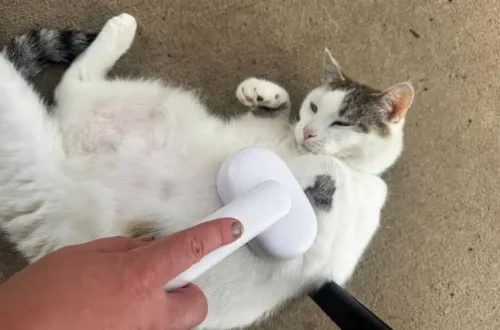
The short-to-medium coat is relatively easy to maintain.
Regular brushing helps:
- Remove loose hair
- Reduce shedding
- Keep the coat shiny
- Strengthen the bond between owner and pet
Most individuals only need brushing once or twice each week.
Nail Care
Routine nail trimming helps prevent:
- Overgrown claws
- Accidental scratches
- Damage to furniture
Most cats benefit from nail trims every 2–4 weeks.
Providing scratching posts also supports healthy nail maintenance.
Ear Cleaning
Healthy ears should appear clean and free from unpleasant odors.
Check the ears regularly for:
- Dirt buildup
- Wax accumulation
- Redness
- Irritation
Only use veterinarian-approved cleaning products when necessary.
Dental Care
Dental hygiene is an important part of overall health.
Helpful habits include:
- Brushing teeth regularly
- Dental treats
- Veterinary dental examinations
- Dental-friendly diets when recommended
Preventive dental care may reduce the risk of gum disease later in life.
Diet and Nutrition
A balanced diet supports healthy growth, energy levels, and long-term wellness.
Choose food appropriate for:
- Age
- Activity level
- Body condition
- Health status
Fresh drinking water should always be available.
Foods They Need
A complete diet should provide:
- High-quality protein
- Healthy fats
- Essential vitamins
- Minerals
- Taurine
Protein remains the most important nutrient for maintaining muscle and overall health.
Foods to Avoid
Certain foods should never be offered.
These include:
- Chocolate
- Onions
- Garlic
- Grapes
- Raisins
- Alcohol
- Caffeine
- Xylitol
If accidental ingestion occurs, contact a veterinarian immediately.
Common Health Concerns
Overall, this is considered a healthy breed.
However, because of its Siamese ancestry, some inherited conditions may occasionally occur.
Potential health issues include:
- Dental disease
- Obesity
- Progressive retinal atrophy (rare)
- Heart disease in some bloodlines
- Kidney disease in older cats
Regular veterinary checkups help identify problems early.
Maintaining Good Health
Owners can support long-term wellness by providing:
- Routine veterinary care
- Balanced nutrition
- Daily exercise
- Mental stimulation
- Healthy body weight
- Preventive healthcare
These simple habits often contribute to a longer and healthier life.
Lifespan
With proper care, many individuals enjoy long lives.
The average lifespan is approximately:
14–20 years
Some may live even longer with excellent nutrition, preventive healthcare, and a safe indoor lifestyle.
Caring for snowshoe cat Kittens
Young kittens require patience and consistent care during their first year.
Important priorities include:
- Proper nutrition
- Vaccinations
- Socialization
- Gentle handling
- Safe play
- Regular veterinary visits
Early positive experiences help kittens grow into confident adult cats.
Early Training
This intelligent breed learns quickly when training is gentle and reward-based.
Useful lessons include:
- Using the litter box
- Accepting grooming
- Traveling in a carrier
- Responding to their name
- Playing appropriately
Positive reinforcement works much better than punishment.
Mental Stimulation
Because these cats are naturally curious, mental enrichment is just as important as physical activity.
Good enrichment ideas include:
- Food puzzles
- Hide-and-seek games
- Training sessions
- Rotating toys
- Window observation areas
Keeping their minds active helps prevent boredom and destructive behaviors.
Adoption vs. Buying From a Breeder
If you’re interested in bringing this beautiful breed into your home, you’ll need to decide whether to adopt or purchase from a breeder.
Both options have advantages, depending on your budget, availability, and personal preferences.
Adoption
Because this is a relatively rare breed, finding one through a rescue organization may take time.
Adoption fees usually range between:
$75–$300
Many adopted cats already receive:
- Vaccinations
- Microchipping
- Spay or neuter surgery
- Basic veterinary examinations
Adopting gives a deserving cat a second chance while reducing the initial cost.
Buying From a Breeder
Many families prefer purchasing kittens from responsible breeders because they know the animal’s health history and early care.
A reputable breeder should provide:
- Veterinary records
- Vaccination history
- Health guarantees
- Registration papers (when applicable)
- Information about the parents
Take time to research breeders carefully before placing a deposit.
How Much Do Snowshoe Cat Kittens Cost?
Because of their rarity and distinctive markings, kittens often cost more than many common domestic breeds.
Typical prices include:
| Type | Average Price |
|---|---|
| Pet-quality kitten | $600–$1,500 |
| Show-quality kitten | $1,500–$2,500+ |
| Adoption | $75–$300 |
Prices vary depending on location, pedigree, breeder reputation, and coat markings.
Interesting Facts
This fascinating breed has several unique characteristics that set it apart from other domestic cats.
Here are some interesting facts.
- The breed originated in the United States.
- Their white feet inspired the breed’s name.
- Every cat has a unique pattern of white markings.
- Bright blue eyes are one of the official breed characteristics.
- They inherit color-point genetics from Siamese ancestors.
- Many enjoy playing fetch.
- They often learn household routines quickly.
- Some enjoy running water and may watch faucets with curiosity.
- Their coats are relatively easy to maintain.
- They are still considered one of the rarer pedigree cat breeds.
Is This the Right Breed for You?
Before bringing one home, consider your lifestyle and expectations.
This breed may be an excellent choice if you want a companion that is:
- Friendly
- Intelligent
- Affectionate
- Social
- Playful
- Family-oriented
However, because these cats enjoy company, they may not be the best fit for households where they are left alone for long hours every day.
Before Bringing One Home
Preparing in advance helps your new companion settle in comfortably.
Consider the following checklist.
✔ Purchase food and water bowls.
✔ Set up a litter box.
✔ Provide scratching posts.
✔ Buy a comfortable carrier.
✔ Prepare a quiet sleeping area.
✔ Schedule a veterinary visit.
✔ Choose quality food.
✔ Purchase interactive toys.
✔ Make your home safe for curious kittens.
Planning helps create a smooth transition into their new environment.
Pros and Cons of the Snowshoe Cat
Like every breed, these cats have both strengths and responsibilities.
Pros snowshoe cat
- Friendly personality
- Highly intelligent
- Beautiful blue eyes
- Distinctive white paws
- Gentle with children
- Usually gets along with other pets
- Moderate grooming needs
- Playful and entertaining
- Strong bond with owners
- Long lifespan
Cons snowshoe cat
- Relatively rare breed
- May become lonely if left alone often
- Needs daily mental stimulation
- Can be vocal at times
- Kittens may be difficult to find
- Responsible breeders sometimes have waiting lists
- The purchase price may be higher than that of common breeds
- Requires regular play and interaction
- Some inherited health concerns may occur
- Prefers companionship over solitude
Final Verdict
The Snowshoe cat is an affectionate, intelligent, and visually striking breed that combines the elegance of the Siamese with a calm, family-friendly personality. Its signature white paws, brilliant blue eyes, and playful nature make it a favorite among owners looking for an interactive companion.
Although the breed is relatively rare, those who choose one are often rewarded with a loyal pet that enjoys participating in everyday family life. Regular play, proper nutrition, routine veterinary care, and plenty of companionship help these cats thrive.
If you’re looking for a social, loving, and adaptable feline that fits well into many households, this breed is an excellent choice.
Snowshoe cat (FAQs)
1. What is a Snowshoe cat?
It is a rare domestic breed developed in the United States, recognized for its white paws, blue eyes, and color-point coat.
2. Are Snowshoe cats friendly?
Yes. They are generally affectionate, social, and enjoy spending time with their families.
3. How big do they get?
Most adults weigh between 7 and 12 pounds (3–5.5 kg).
4. Do they shed a lot?
No. They have a short-to-medium coat that sheds moderately and is relatively easy to maintain.
5. Are they good with children?
Yes. They are usually gentle and playful when children treat them respectfully.
6. Do they get along with other pets?
In many cases, yes. With proper introductions, they often live peacefully alongside other cats and cat-friendly dogs.
7. How long do they live?
Their average lifespan is 14–20 years with proper care.
8. Are they easy to train?
Yes. Their intelligence allows many individuals to learn routines, tricks, and interactive games quickly.
9. How often should they be groomed?
Brushing once or twice a week is usually enough to keep the coat healthy.
10. Why do they have white feet?
Their distinctive white paws are the result of inherited genetic markings developed during selective breeding.
11. Are Snowshoe kittens rare?
Yes. Because producing the correct markings is genetically challenging, kittens are less common than many other pedigree breeds.
12. Do they like being alone?
Most prefer regular companionship and may become bored or lonely if left alone for extended periods.
13. What colors are recognized?
Common color-point varieties include seal, blue, chocolate, and lilac points with characteristic white markings.
14. Are they healthy snowshoe cats?
Overall, they are considered a healthy breed, although routine veterinary care remains important throughout life.
15. Is a snowshoe cat a good first cat?
Yes. Their friendly personality, moderate grooming needs, and adaptable nature make them a good choice for many first-time cat owners.