
Fluffy Cat Breeds
Introduction
Fluffy cat breeds are among the most admired and recognizable cats in the world. Their luxurious coats, elegant appearance, and affectionate personalities make them popular companions for families, singles, and experienced cat owners alike.
Whether you’re looking for a giant fluffy cat like the Maine Coon or a graceful white fluffy cat like the Turkish Angora, there are many breeds to choose from. Some have thick double coats designed for harsh winters, while others have silky fur that flows beautifully as they move.
One common misconception is that every fluffy cat belongs to the same breed. In reality, fluffy simply describes a cat with a long or dense coat. Many different breeds can be fluffy, and each has its own personality, grooming needs, activity level, and health considerations.
Some fluffy cats are playful and energetic, while others are calm lap cats that enjoy relaxing beside their owners. Choosing the right breed depends on your lifestyle, available time for grooming, and the amount of interaction you want from your pet.
In this complete guide, you’ll learn everything about fluffy cat breeds, including why some cats have long coats, the different types of fluffy fur, personality traits, the world’s most popular fluffy breeds, grooming tips, and how to choose the perfect fluffy companion.
What Is a Fluffy Cat?
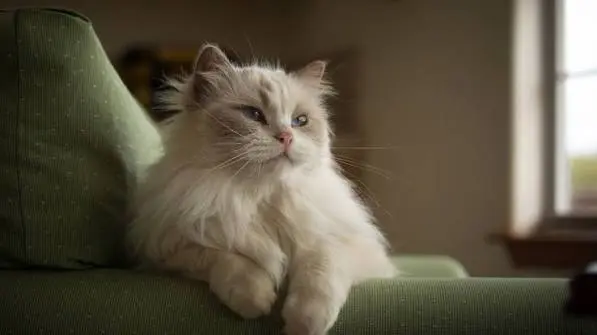
A fluffy cat is a cat with a long, dense, or exceptionally soft coat that gives it a full, fluffy appearance.
Unlike coat color, fluffiness is usually influenced by genetics that control hair length and coat texture.
Many different breeds are considered fluffy, including:
- Maine Coon
- Persian
- Siberian
- Norwegian Forest Cat
- Ragdoll
- Turkish Angora
- Birman
- Himalayan
- Ragamuffin
- Domestic Longhair
Some fluffy cats have extremely long coats, while others simply have thick undercoats that make them appear larger than they really are.
Why Are Some Cats So Fluffy?
The amount of fluff a cat has depends primarily on its genetics.
Certain breeds developed thick coats to survive cold climates, while others were selectively bred for their luxurious fur.
A fluffy coat serves several purposes:
- Keeps the cat warm
- Protects the skin
- Repels moisture
- Shields against harsh weather
- Provides insulation during winter
Breeds such as the Siberian and Norwegian Forest Cat naturally developed thick coats because they originated in regions with freezing temperatures.
Some of the most beautiful fluffy cat breeds have pure white fur. Learn more about the most popular White Cat Breeds and their unique personalities.
Types of Fluffy Cat Coats
Not all fluffy cats have the same type of fur.
Understanding coat types helps owners choose a breed that matches their grooming expectations.
Double Coat
A double coat consists of:
- Soft insulating undercoat
- Longer protective outer coat
This type of coat traps warmth while protecting the cat from rain and snow.
Common double-coated breeds include:
- Maine Coon
- Norwegian Forest Cat
- British Longhair
Triple Coat
Some breeds have an even thicker triple coat.
A triple coat contains multiple layers of insulating fur, making these cats exceptionally fluffy.
The Siberian is one of the best-known triple-coated breeds.
Silky Coat
Silky coats feel soft and smooth rather than thick and woolly.
Although long, they often tangle less than dense double coats.
Examples include:
- Turkish Angora
- Ragdoll
- Birman
Curly Fluffy Coat
Some fluffy breeds have naturally curly fur instead of straight hair.
These unusual coats create a soft, plush appearance.
Examples include:
- Selkirk Rex
- LaPerm
Are Fluffy Cats Different From Long-Haired Cats?
The terms fluffy cat and long-haired cat are often used interchangeably, but they don’t always mean exactly the same thing.
A long-haired cat has genetically longer fur.
A fluffy cat may have:
- Long hair
- Thick undercoat
- Dense double coat
- Triple coat
- Curly coat
This means even some medium-haired cats can appear fluffier than certain long-haired breeds.
Do Fluffy Cats Shed More?
Most fluffy cats shed more than short-haired breeds.
Shedding usually increases during seasonal coat changes in spring and autumn.
Regular brushing helps:
- Remove loose fur
- Prevent mats
- Reduce hairballs
- Keep furniture cleaner
- Maintain healthy skin
The amount of shedding depends on the breed rather than coat length alone.
Fluffy Cat Personality
Although every cat has its own personality, many fluffy breeds are known for being affectionate and people-oriented.
Common personality traits include:
- Friendly
- Gentle
- Intelligent
- Curious
- Calm
- Loyal
- Playful
- Social
- Adaptable
However, personality is influenced more by breed, genetics, and early socialization than by coat length.
20 Most Popular Fluffy Cat Breeds
Many breeds have beautiful long or dense coats.
Below are some of the world’s most popular fluffy cat breeds.
1. Maine Coon
The Maine Coon is one of the largest domestic cat breeds and one of the most famous fluffy cats.
Its long shaggy coat, bushy tail, tufted ears, and friendly personality make it a favorite among families.
Characteristics
- Giant size
- Thick water-resistant coat
- Friendly personality
- Highly intelligent
- Excellent with children
- Moderate grooming
2. Persian
The Persian is famous for its luxurious coat and calm personality.
Its dense fur requires daily grooming to prevent mats and tangles.
Characteristics
- Long silky coat
- Calm temperament
- Affectionate
- Indoor companion
- High grooming needs
3. Siberian
The Siberian is a powerful Russian forest cat with a remarkable triple coat that protects it from freezing temperatures.
Its thick fur gives it one of the fluffiest appearances among domestic cats.
Characteristics
- Triple coat
- Strong body
- Athletic
- Friendly
- Family oriented
4. Norwegian Forest Cat
The Norwegian Forest Cat naturally developed a waterproof double coat to survive Scandinavian winters.
Its luxurious fur and impressive bushy tail make it one of the world’s most beautiful fluffy breeds.
Characteristics
- Large body
- Thick double coat
- Excellent climber
- Intelligent
- Independent but affectionate
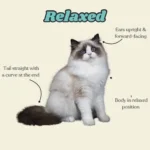
5. Ragdoll
The Ragdoll combines a silky semi-long coat with one of the gentlest personalities found in cats.
Despite its fluffy appearance, the coat mats less than many other long-haired breeds.
Characteristics
- Silky coat
- Blue eyes
- Relaxed personality
- Gentle temperament
- Family friendly
6. Turkish Angora
The Turkish Angora is an elegant breed known for its fine, silky coat.
Although lighter than many fluffy breeds, its long fur creates an elegant flowing appearance.
Characteristics
- Fine silky coat
- Graceful body
- Intelligent
- Active
- Highly affectionate
7. Birman
The Birman has a beautiful semi-long coat, deep blue eyes, and distinctive white “gloves” on its paws.
Its silky fur is surprisingly easy to maintain.
Characteristics
- Semi-long coat
- Blue eyes
- Calm personality
- Friendly
- Moderate grooming
8. Ragamuffin
The Ragamuffin is admired for its incredibly soft coat and affectionate personality.
Its plush fur gives it a teddy bear-like appearance.
Characteristics
- Plush coat
- Large size
- Gentle personality
- Loves attention
- Family companion
9. Himalayan
The Himalayan combines the Persian’s luxurious coat with the Siamese’s striking colorpoint pattern.
Its fluffy coat requires regular maintenance to remain healthy.
Characteristics
- Long coat
- Blue eyes
- Calm personality
- Indoor lifestyle
- High grooming
10. Selkirk Rex
The Selkirk Rex stands out because of its thick, curly coat.
Its unique curls create one of the fluffiest appearances among domestic cats.
Characteristics
- Curly coat
- Plush appearance
- Calm temperament
- Friendly
- Moderate grooming
11. Somali
The Somali is often described as the long-haired version of the Abyssinian. Its soft, bushy tail and ticked coat give it a fox-like appearance that many cat lovers find irresistible.
Somalis are highly energetic and love climbing, exploring, and interactive play. They thrive in homes where they receive plenty of attention and mental stimulation.
Characteristics
- Semi-long fluffy coat
- Bushy tail
- Athletic body
- Highly intelligent
- Playful and active
12. Nebelung
The Nebelung is a rare breed known for its long, silky blue-gray coat and graceful appearance.
Despite their elegant looks, Nebelungs are affectionate, loyal companions that form strong bonds with their families.
Characteristics
- Silky medium-long coat
- Elegant body
- Quiet personality
- Loyal companion
- Moderate grooming
13. Balinese
The Balinese is essentially the long-haired version of the Siamese.
Its silky coat lies close to the body and rarely mats, making grooming easier than many fluffy breeds.
Characteristics
- Fine silky coat
- Blue eyes
- Very intelligent
- Vocal personality
- Highly affectionate
14. British Longhair
The British Longhair combines the sturdy body of the British Shorthair with a luxurious long coat.
Its calm personality and plush fur make it a wonderful indoor companion.
Characteristics
- Dense fluffy coat
- Round face
- Quiet temperament
- Family friendly
- Moderate grooming
15. Cymric
The Cymric is the long-haired version of the Manx and is recognized for its rounded body and naturally short or absent tail.
Its thick coat gives it a soft, teddy bear-like appearance.
Characteristics
- Long fluffy coat
- Tail-less or short tail
- Calm personality
- Loyal companion
- Moderate grooming
16. LaPerm
The LaPerm has a distinctive curly coat that ranges from loose waves to tight ringlets.
Although fluffy, the coat is relatively lightweight and often easier to maintain than dense double coats.
Characteristics
- Curly fluffy coat
- Friendly personality
- Highly social
- Intelligent
- Low to moderate shedding
17. Highlander
The Highlander is a muscular breed with curled ears and a playful personality.
Long-haired Highlanders have thick, fluffy coats that give them a striking wild-cat appearance.
Characteristics
- Large body
- Thick coat
- Curled ears
- Active
- Curious personality
18. American Curl
The American Curl is famous for its backward-curled ears and affectionate personality.
Long-haired American Curls have soft, silky coats that require relatively little maintenance.
Characteristics
- Curled ears
- Silky coat
- Friendly
- Gentle
- Moderate grooming
19. Domestic Longhair
The Domestic Longhair is not a specific breed but a mixed-breed cat with a naturally long coat.
These cats come in countless colors, patterns, and personalities, making each one unique.
Characteristics
- Mixed ancestry
- Long fluffy coat
- Friendly personality
- Adaptable
- Common in shelters
20. Munchkin Longhair
The Munchkin Longhair combines the Munchkin’s short legs with a soft, fluffy coat.
Despite their small stature, they are energetic, curious, and enjoy interactive play.
Characteristics
- Short legs
- Long fluffy coat
- Playful
- Curious
- Family friendly
White Fluffy Cat
A white fluffy cat is one of the most elegant and eye-catching companions you can own. Their bright coats, soft fur, and graceful appearance make them favorites among cat enthusiasts.
Popular white fluffy cat breeds include:
- Persian
- Turkish Angora
- Maine Coon
- Siberian
- Norwegian Forest Cat
- Ragdoll
Many white fluffy cats also have striking blue, green, amber, or odd-colored eyes that make them even more distinctive.
Giant Fluffy Cats
Some fluffy breeds are not only beautiful but also impressively large.
These gentle giants combine luxurious coats with affectionate personalities.
Maine Coon
The Maine Coon is one of the largest domestic cat breeds, weighing up to 25 pounds. Its thick, shaggy coat protects it from cold weather while giving it a majestic appearance.
Norwegian Forest Cat
Originally from Scandinavia, the Norwegian Forest Cat developed a waterproof double coat to survive harsh winters.
Siberian
The Siberian’s dense triple coat makes it one of the fluffiest and strongest natural cat breeds.
Ragamuffin
The Ragamuffin has a plush, rabbit-like coat and a large, sturdy body. Despite its size, it is gentle and affectionate.
Grooming Fluffy Cats
Fluffy cats require more grooming than short-haired breeds to keep their coats healthy and free from tangles.
Brushing
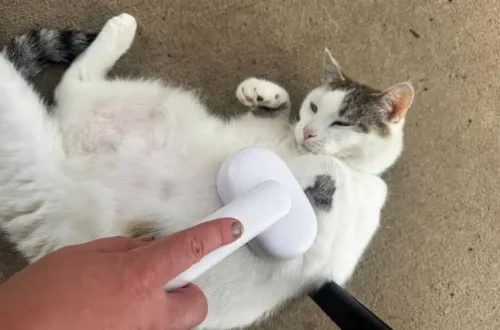
Most fluffy cats should be brushed 3 to 4 times per week.
Some breeds, such as the Persian, benefit from daily brushing.
Regular brushing helps:
- Prevent mats
- Remove loose fur
- Reduce shedding
- Prevent hairballs
- Distribute natural oils
Bathing
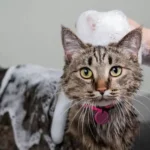
Fluffy cats usually do not need frequent baths.
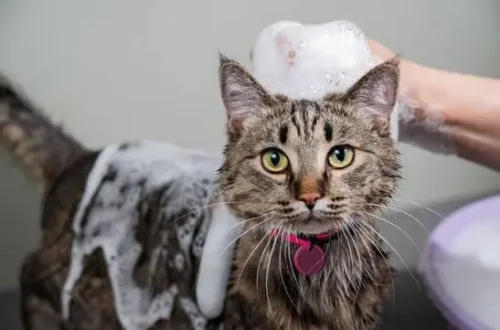
Bathing every 6–8 weeks, or when necessary, helps keep their coats clean.
Always use a shampoo formulated specifically for cats.
Hairball Prevention
Long-haired cats naturally swallow more fur while grooming.
To reduce hairballs:
- Brush regularly
- Provide fresh water
- Feed a balanced diet
- Consider veterinarian-approved hairball formulas if recommended
Nail Care
Trim your cat’s nails every 2–4 weeks to prevent overgrowth and reduce damage from scratching.
Provide scratching posts to help maintain healthy claws.
Ear Cleaning
Check your cat’s ears regularly for wax, dirt, or signs of infection.
Only clean the ears using products recommended by your veterinarian.
Dental Care
Healthy teeth are an important part of overall health.
Regular tooth brushing and dental treats can help reduce plaque and prevent gum disease.
Feeding Fluffy Cats
A nutritious diet supports healthy skin and a beautiful coat.
Choose food rich in:
- High-quality animal protein
- Healthy fats
- Omega-3 fatty acids
- Vitamins
- Minerals
Fresh, clean water should always be available.
Maintaining a healthy weight is especially important because excess weight makes grooming more difficult for fluffy cats.
Health Considerations
Fluffy cats are generally healthy, but their coats require additional care.
Common concerns include:
Hairballs
Long-haired cats swallow more loose fur during grooming, increasing the likelihood of hairballs.
Matting
Without regular brushing, loose hair can become tangled and form painful mats.
Obesity
Some fluffy breeds are less active and may gain weight if overfed.
Breed-Specific Health Conditions
Each breed has its own inherited health risks.
Examples include:
- Maine Coon – Hypertrophic Cardiomyopathy (HCM)
- Persian – Breathing and eye issues
- Ragdoll – Heart disease
- Norwegian Forest Cat – Hip Dysplasia
- Siberian – Heart conditions
Regular veterinary checkups help detect health problems early.
Do Fluffy Cats Need More Care?
Yes—but mainly because of their coats.
Compared with short-haired cats, fluffy breeds usually require:
- More frequent brushing
- Additional grooming
- Hairball prevention
- Coat inspections for tangles
- Slightly more cleaning around the home due to shedding
With consistent care, fluffy cats remain healthy, comfortable, and beautiful throughout their lives.
Choosing the Right Fluffy Cat Breed
Finding the perfect fluffy cat breed involves more than choosing the prettiest coat. Every breed has its own personality, grooming requirements, activity level, and health considerations.
Before bringing a fluffy cat home, ask yourself these questions:
- How much time can I spend grooming?
- Do I want a calm or active cat?
- Do I have enough space for a large breed?
- Will the cat live with children or other pets?
- Can I afford regular grooming and veterinary care?
Choosing a breed that matches your lifestyle will help ensure a happy relationship for both you and your cat.
Best Fluffy Cat Breeds for Families
Families often prefer affectionate, patient, and playful cats.
Some of the best family-friendly fluffy cat breeds include:
- Maine Coon
- Ragdoll
- Siberian
- Ragamuffin
- Birman
- Norwegian Forest Cat
These breeds are generally gentle, sociable, and enjoy spending time with both adults and children.
Best Fluffy Cats for Apartments
Not every fluffy cat requires a large home. Several breeds adapt well to apartment living as long as they receive enough exercise and attention.
Excellent apartment-friendly fluffy cats include:
- Persian
- British Longhair
- Ragdoll
- Birman
- Selkirk Rex
Provide plenty of indoor enrichment, including:
- Cat trees
- Window perches
- Scratching posts
- Puzzle toys
- Interactive play sessions
Best Fluffy Cats for First-Time Owners
If you’ve never owned a cat before, choose a breed with an easygoing personality and manageable care requirements.
Beginner-friendly fluffy cat breeds include:
- Ragdoll
- Maine Coon
- Birman
- British Longhair
- Domestic Longhair
These breeds are generally affectionate, adaptable, and easier to handle than some highly energetic breeds.
Best Fluffy Cats for Seniors
Many seniors enjoy calm, loving companions that are happy spending time indoors.
Recommended breeds include:
- Persian
- Ragdoll
- Birman
- Ragamuffin
- British Longhair
These breeds often enjoy relaxing with their owners while still appreciating gentle play sessions.
Adoption vs. Buying
When you’re ready to add a fluffy cat to your family, you have two excellent options.
Adopting a Fluffy Cat
Many wonderful fluffy cats can be found through:
- Animal shelters
- Rescue organizations
- Breed-specific rescues
- Adoption centers
Benefits of adoption include:
- Lower adoption costs
- Giving a homeless cat a second chance
- Many cats are already vaccinated
- Often already spayed or neutered
- Adult personalities are easier to evaluate
Domestic Longhair cats are especially common in rescue organizations and make wonderful companions.
Buying from a Responsible Breeder
If you’re looking for a specific breed, choose a reputable breeder who prioritizes the health and welfare of their cats.
A responsible breeder should:
- Perform health testing
- Provide vaccination records
- Raise kittens in a clean environment
- Properly socialize kittens
- Answer your questions honestly
- Offer lifetime guidance for new owners
Avoid purchasing kittens from pet mills or sellers who cannot provide health documentation.
Pros and Cons of Fluffy Cats
Like every pet, fluffy cats come with both advantages and responsibilities.
Pros
- Beautiful, luxurious coats
- Soft and cuddly appearance
- Available in many different breeds
- Affectionate personalities
- Excellent family companions
- Wide variety of sizes and colors
- Intelligent and engaging
- Many adapt well to indoor living
- Often highly photogenic
- Strong bonds with their owners
Cons
- Require regular brushing
- Long coats can develop mats
- Shed more than many short-haired breeds
- More likely to develop hairballs
- Grooming takes time
- Professional grooming may be needed for some breeds
- Long fur collects dirt more easily
- Some breeds have inherited health conditions
- Larger fluffy breeds require more space
- Grooming expenses can increase the overall cost of ownership
Fun Facts About fluffy cat breeds
Fluffy cats are fascinating animals with many unique characteristics.
Here are a few interesting facts:
- The Maine Coon is one of the largest fluffy cat breeds in the world.
- Siberians developed their triple coats to survive harsh Russian winters.
- Norwegian Forest Cats have naturally waterproof outer coats.
- Ragdolls often relax completely when picked up, giving the breed its name.
- Persian cats have been popular companions for centuries.
- Turkish Angoras are one of the oldest naturally occurring cat breeds.
- Some fluffy cats shed surprisingly little despite their long coats.
- Coat length does not determine a cat’s personality.
Final Verdict
Fluffy cat breeds combine beauty, elegance, and companionship in a way few other pets can match. Whether you prefer the giant Maine Coon, the luxurious Persian, the affectionate Ragdoll, or the majestic Siberian, there is a fluffy cat breed to suit almost every lifestyle.
Although their long coats require more grooming than short-haired cats, the extra care is rewarded with a stunning appearance and a soft, luxurious coat that many owners adore.
When choosing a fluffy cat, don’t focus only on appearance. Consider the breed’s personality, activity level, grooming requirements, health needs, and compatibility with your household.
With proper nutrition, regular brushing, routine veterinary care, and plenty of love, a fluffy cat can become a loyal companion for 12 to 20 years, depending on the breed.
Whether you adopt a fluffy mixed-breed cat or purchase a purebred kitten from a responsible breeder, you’ll gain a loving companion whose beauty and personality will brighten your home for many years.
Frequently Asked Questions (FAQs)
1. What is a fluffy cat?
A fluffy cat is any cat with a long, dense, or exceptionally soft coat. Fluffiness can occur in many different breeds.
2. Which cat breed is the fluffiest?
The Persian is often considered one of the fluffiest cat breeds because of its long, dense coat. Other very fluffy breeds include the Maine Coon, Siberian, Norwegian Forest Cat, and Ragamuffin.
3. Are fluffy cat breeds friendly?
Many fluffy cat breeds are known for their affectionate personalities. However, friendliness depends on the individual cat, its breed, genetics, and socialization.
4. Do fluffy cat breeds shed a lot?
Most fluffy cats shed more than short-haired breeds, especially during seasonal coat changes. Regular brushing helps reduce loose fur and keeps the coat healthy.
5. What is a white fluffy cat?
A white fluffy cat is simply a fluffy cat with a white coat. Popular examples include the Persian, Turkish Angora, Maine Coon, and Siberian.
6. Are fluffy cat breeds hypoallergenic?
No cat is completely hypoallergenic. Some fluffy breeds may produce fewer allergens than others, but all cats produce the Fel d 1 protein that can trigger allergies.
7. Which fluffy cat breeds is best for families?
The Maine Coon, Ragdoll, Siberian, Birman, and Ragamuffin are excellent choices for families because of their gentle and affectionate personalities.
8. How often should fluffy cats be brushed?
Most fluffy cats should be brushed three to four times per week. Persians and other heavily coated breeds often benefit from daily brushing.
9. Do fluffy cats need baths?
Most fluffy cats only need occasional baths, usually every 6–8 weeks or when their coats become dirty.
10. What is the largest fluffy cat breeds?
The Maine Coon is widely recognized as one of the largest domestic fluffy cat breeds.
11. Which fluffy cat breeds is easiest to groom?
The Ragdoll and Birman have silky coats that are generally less prone to matting than dense double-coated breeds.
12. Are fluffy cat breeds good indoor pets?
Yes. Most fluffy cat breeds thrive indoors when provided with proper exercise, climbing opportunities, scratching posts, and regular interaction.
13. How long do fluffy cat breeds live?
Most fluffy cats live between 12 and 18 years, although some breeds can live beyond 20 years with excellent care.
14. Should I adopt or buy a fluffy cat breeds?
Both are great options. Adoption gives a homeless cat a loving home, while purchasing from a responsible breeder is ideal if you want a specific breed with known pedigree and health history.
15. Which fluffy cat breed is best for beginners?
The Ragdoll, Maine Coon, Birman, British Longhair, and Domestic Longhair are among the best fluffy cat breeds for first-time owners because of their friendly personalities and adaptability.