




Cat Vomit Color Chart
Introduction
A cat vomit color chart can help owners better understand what their cat’s vomit may indicate about its health. Vomit color often provides useful clues about digestion, hydration, diet, and possible medical conditions. While an occasional hairball or mild stomach upset may not be serious, repeated vomiting or unusual cat vomit colors can signal digestive disease, infections, poisoning, or other health problems. Many owners also wonder about cat vomit meaning, especially when they notice yellow cat vomit, green vomit, or blood. This guide explains the most common vomit colors, possible causes, warning signs, diagnosis, treatment, and when veterinary care is necessary.
Is Cat Vomiting Normal?
Cats occasionally vomit for harmless reasons.
Examples include:
- Hairballs
- Eating too quickly
- Minor stomach irritation
However, repeated vomiting or abnormal cat vomit colors should never be ignored.
Frequent vomiting often indicates an underlying medical condition.
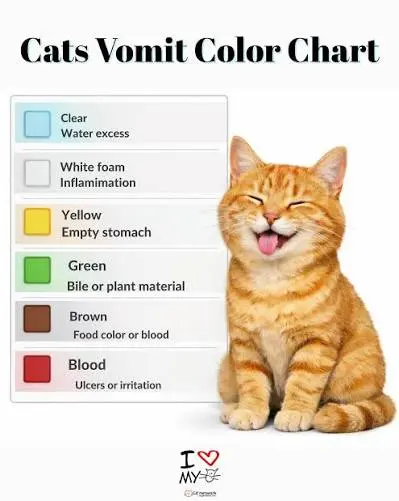
Cat Vomit Color Chart
The appearance of vomit often provides important clues.
| Vomit Color | Possible Meaning |
|---|---|
| White | Foam, empty stomach, mild irritation |
| Yellow | Bile, empty stomach, digestive upset |
| Green | Bile or plant material |
| Brown | Digested food or possible intestinal contents |
| Red | Fresh blood |
| Black | Digested blood, possible internal bleeding |
| Clear | Water, stomach fluid, mild irritation |
This cat vomit color chart provides general guidance, but veterinary diagnosis is still essential.
White Cat Vomit Meaning
White vomit usually contains foam or mucus.
Common causes include:
- Empty stomach
- Mild gastritis
- Hairballs
- Stomach irritation
Occasional white foam may not indicate serious disease.
Yellow Cat Vomit
Yellow cat vomit is one of the most common types owners notice.
Yellow color usually comes from bile produced by the liver.
Possible causes include:
- Empty stomach
- Skipping meals
- Digestive irritation
- Mild stomach inflammation
Repeated yellow cat vomit should be evaluated by a veterinarian.
Green Cat Vomit Meaning
Green vomit may result from:
- Bile
- Grass consumption
- Certain digestive disorders
Persistent green vomiting requires veterinary attention.
Brown Cat Vomit
Brown vomit sometimes contains partially digested food.
Possible causes include:
- Slow stomach emptying
- Digestive disease
- Intestinal disorders
If brown vomit has a foul odor, immediate veterinary evaluation is recommended.
While a cat’s vomit color can reveal important health information, understanding behaviors like Why Does My Cat Lick Me can also help you better understand your feline companion.
Red Cat Vomit
Red vomit often indicates fresh blood.
Possible causes include:
- Mouth injury
- Stomach irritation
- Esophageal damage
- Internal bleeding
Even small amounts of blood should be discussed with a veterinarian.
Black Cat Vomit
Black vomit may indicate digested blood.
This condition may suggest bleeding higher in the digestive tract.
Black vomit should always be treated as a medical emergency.
Clear Cat Vomit
Clear vomit usually consists of:
- Water
- Saliva
- Stomach fluid
Occasional clear vomiting may occur after drinking water too quickly.
Repeated episodes require veterinary evaluation.
Common Causes of Cat Vomit Colors
Several conditions may explain different cat vomit colors.
1. Hairballs
Hairballs commonly cause white or clear vomit.
Long-haired cats have a greater risk.
2. Empty Stomach
An empty stomach often produces yellow cat vomit because bile accumulates between meals.
3. Dietary Changes
Sudden food changes may irritate the digestive system.
Temporary vomiting sometimes occurs during diet transitions.
4. Food Allergies
Food allergies may trigger repeated vomiting along with digestive discomfort.
5. Gastrointestinal Disease
Digestive disorders frequently affect cat vomit meaning and appearance.
Examples include:
- Gastritis
- Inflammatory bowel disease
- Ulcers
6. Foreign Objects
Swallowed objects may block the digestive tract and cause repeated vomiting.
7. Poisoning
Toxic substances may produce vomiting of different colors depending on the poison involved.
Immediate veterinary care is essential.
8. Kidney or Liver Disease
Chronic organ disease often causes nausea and repeated vomiting.
Older cats are more commonly affected.
Symptoms That May Accompany Vomiting
Vomiting often occurs with additional symptoms.
Common signs include:
- Loss of appetite
- Lethargy
- Weight loss
- Diarrhea
- Dehydration
- Drooling
- Abdominal pain
- Weakness
These symptoms help veterinarians determine the underlying cause.
When Is Vomiting an Emergency?
Seek immediate veterinary care if your cat develops:
- Black vomit
- Large amounts of blood
- Repeated vomiting
- Difficulty breathing
- Severe weakness
- Collapse
- Refusal to eat
- Signs of poisoning
Prompt treatment greatly improves recovery.
Cats Most at Risk
Certain cats are more likely to experience vomiting.
Higher-risk groups include:
- Kittens
- Senior cats
- Long-haired cats
- Cats with chronic digestive disease
- Cats with kidney disease
- Cats with liver disease
Regular veterinary care helps detect illness early.
Quick Facts
| Feature | Details |
|---|---|
| Condition | Vomiting with different color variations |
| Common Causes | Hairballs, bile, digestive disease, infections |
| Emergency Colors | Black vomit, large amounts of blood |
| Veterinary Visit | Recommended for repeated vomiting |
| Prevention | Balanced diet, hydration, routine healthcare |
Why Early Evaluation Matters
A cat vomit color chart helps owners recognize possible health problems, but it cannot replace a professional diagnosis. Whether you notice yellow cat vomit, white foam, green bile, or unusual cat vomit colors, persistent vomiting should always be evaluated by a veterinarian. Early diagnosis helps identify the underlying cause, prevents dehydration, and improves the chances of a successful recovery.
How Veterinarians Diagnose Cat Vomiting
When a cat continues vomiting or develops unusual cat vomit colors, a veterinarian will perform a thorough examination to determine the underlying cause.
During the visit, your veterinarian may ask questions such as:
- When did the vomiting begin?
- How often does your cat vomit?
- What color is the vomit?
- Is your cat eating normally?
- Has there been a recent diet change?
- Has your cat been exposed to toxins or foreign objects?
These details help explain the possible cat vomit meaning and guide further testing.
Diagnostic Tests
Several diagnostic procedures may be recommended.
Physical Examination
Your veterinarian checks:
- Body weight
- Hydration
- Abdomen
- Mouth
- Temperature
- Overall condition
The examination helps identify dehydration, pain, or signs of illness.
Blood Tests
Blood work may evaluate:
- Kidney function
- Liver function
- Blood sugar
- Electrolytes
- Infection
These tests often identify diseases associated with repeated vomiting.
Urinalysis
Urine testing provides additional information about hydration and organ function.
Fecal Examination
A stool sample may be tested for:
- Parasites
- Worms
- Digestive infections
Parasites are a common cause of vomiting, especially in kittens.
X-rays or Ultrasound
Imaging studies help detect:
- Foreign objects
- Intestinal blockage
- Tumors
- Organ enlargement
These tests are especially helpful when vomiting continues despite treatment.
Additional Testing
For chronic vomiting, veterinarians may recommend endoscopy or biopsy to diagnose inflammatory bowel disease, ulcers, or certain cancers.
Cat Vomit Color Chart Treatment
Treatment depends on the underlying condition identified during the examination.
The cat vomit color chart helps recognize patterns, but the vomit color alone does not determine treatment.
Fluid Therapy
Vomiting often causes dehydration.
Cats with moderate or severe dehydration may require intravenous or subcutaneous fluids.
Anti-Nausea Medication
Prescription medications may reduce nausea and vomiting.
These medications should only be given under veterinary supervision.
Dietary Management
Some cats recover with temporary dietary adjustments.
Veterinarians may recommend:
- Easily digestible food
- Prescription gastrointestinal diets
- Smaller, more frequent meals
Hairball Control
Cats that frequently vomit hairballs may benefit from:
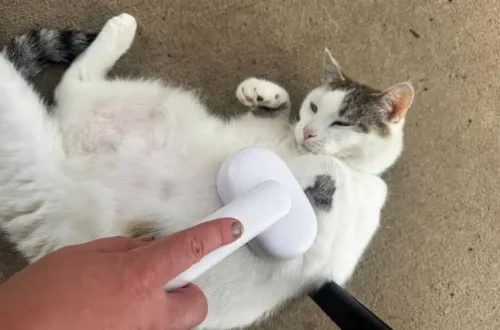
- Regular grooming
- Hairball-control diets
- Hairball lubricants recommended by a veterinarian
Treatment of Underlying Disease
Successful treatment focuses on correcting the medical problem responsible for the vomiting.
Examples include:
- Parasite treatment
- Infection management
- Kidney disease treatment
- Liver disease management
- Removal of foreign objects when necessary
Home Care
Owners play an important role in monitoring recovery.
Observe Vomit Color
Record the appearance of the vomit.
Changes in cat vomit colors may help your veterinarian monitor progress.
Encourage Hydration
Fresh water should always be available.
Cats recovering from vomiting often benefit from frequent access to clean drinking water.
Feed Small Meals
Offering smaller portions several times each day may reduce stomach irritation.
Avoid Sudden Food Changes
Gradual diet transitions reduce digestive upset.
What You Should Never Do
Avoid these common mistakes.
Do not:
- Give human medications.
- Ignore repeated vomiting.
- Force-feed your cat.
- Delay veterinary care when blood appears.
- Assume all vomiting is caused by hairballs.
Prompt treatment often prevents more serious complications.
Recovery
Recovery depends on the underlying cause.
Hairballs
Most cats recover quickly after passing the hairball and improving grooming routines.
Mild Stomach Upset
Temporary digestive irritation often resolves within one or two days with supportive care.
Chronic Disease
Cats with kidney disease, inflammatory bowel disease, or liver disease may require ongoing treatment and monitoring.
Foreign Objects
Recovery depends on how quickly the blockage is diagnosed and treated.
Can Vomiting Be Prevented?
Not every case can be prevented, but healthy habits reduce the risk.
Feed a Balanced Diet
High-quality nutrition supports healthy digestion.
Brush Long-Haired Cats Regularly
Frequent grooming reduces swallowed hair.
Keep Toxic Substances Out of Reach
Prevent access to:
- Human medications
- Toxic plants
- Household cleaners
- Chemicals
Schedule Routine Veterinary Visits
Regular health examinations help detect disease before severe vomiting develops.
Daily Care Checklist
Healthy daily habits support digestive health.
Every Day
- Provide fresh water.
- Feed consistent meals.
- Monitor appetite.
- Observe for vomiting.
Every Week
- Brush the coat.
- Clean food bowls thoroughly.
- Monitor body weight.
- Watch for hairballs.
Every Month
- Continue parasite prevention.
- Review nutrition.
- Monitor overall health.
Every Year
- Schedule a veterinary wellness examination.
- Perform recommended laboratory testing.
- Discuss digestive health.
- Maintain preventive healthcare.
Care Summary Table
| Care Task | Recommendation |
|---|---|
| Fresh Water | Always available |
| Balanced Nutrition | Daily |
| Grooming | Weekly or more often for long-haired cats |
| Veterinary Examination | For repeated vomiting or abnormal vomit colors |
| Parasite Prevention | Year-round |
| Health Monitoring | Ongoing |
Prognosis
The outlook depends on the underlying cause of the vomiting.
Cats with mild stomach irritation or occasional hairballs often recover completely with supportive care. More serious diseases such as kidney disease, liver disease, intestinal blockage, or chronic digestive disorders require ongoing treatment, but early diagnosis greatly improves the chances of successful long-term management.
Cat Vomit Color Chart vs Hairballs
Many owners assume every episode of vomiting is caused by a hairball, but that is not always true. A cat vomit color chart helps distinguish normal hairball vomiting from signs that may indicate illness.
| Cat Vomit Color Chart | Hairball Vomiting |
|---|---|
| Evaluates the color and appearance of vomit | Usually contains a tube-shaped mass of fur |
| May indicate digestive disease, infections, or organ problems | Common in long-haired cats |
| Includes white, yellow, green, brown, red, black, and clear vomit | Often mixed with white foam or small amounts of food |
| Helps explain possible cat vomit meaning | Usually occurs occasionally |
| Repeated abnormal colors require veterinary evaluation | Frequent hairballs should also be discussed with a veterinarian |
If your cat repeatedly vomits without producing a hairball, an underlying medical condition should be considered.
Common Myths About Cat Vomit Colors
Many misconceptions cause owners to delay veterinary care.
Myth 1: All Cat Vomit Is Normal
False.
Occasional vomiting may occur, but repeated vomiting or abnormal cat vomit colors should always be investigated.
Myth 2: Yellow Cat Vomit Always Means Hunger
False.
Although yellow cat vomit often contains bile from an empty stomach, it may also indicate digestive irritation or illness.
Myth 3: Hairballs Cause Every Episode of Vomiting
False.
Hairballs are only one possible explanation. Many diseases can produce vomiting.
Myth 4: If My Cat Acts Normal, Vomiting Is Not Serious
False.
Some cats continue eating and behaving normally during the early stages of digestive disease, kidney disease, or other illnesses.
When Should You Contact a Veterinarian?
Arrange a veterinary examination if your cat develops:
- Repeated vomiting
- Black vomit
- Blood in vomit
- Persistent yellow cat vomit
- Weight loss
- Refusal to eat
- Severe lethargy
- Signs of dehydration
Prompt diagnosis often prevents more serious complications.
Tips for Reducing Vomiting
Healthy daily habits may lower the risk of future vomiting episodes.
Helpful practices include:
- Feed a consistent, balanced diet.
- Introduce new foods gradually.
- Brush long-haired cats regularly.
- Encourage water intake.
- Keep toxic substances out of reach.
- Maintain routine parasite prevention.
- Monitor your cat’s appetite.
- Schedule regular veterinary examinations.
Good preventive care supports long-term digestive health.
Final Verdict
A cat vomit color chart is a useful tool for recognizing changes that may indicate digestive illness or other medical conditions. Understanding cat vomit meaning helps owners identify when vomiting may simply be related to hairballs or an empty stomach and when immediate veterinary attention is needed.
Whether you notice yellow cat vomit, white foam, green bile, brown material, or blood, repeated vomiting should never be ignored. Early diagnosis and treatment greatly improve recovery and help prevent dehydration and more serious complications.
Frequently Asked Questions (FAQs)
1. What does a cat vomit color chart show?
A cat vomit color chart explains the possible meaning of different vomit colors and helps identify when veterinary care may be necessary.
2. What causes yellow cat vomit?
Yellow cat vomit usually contains bile and commonly occurs when the stomach is empty, but it may also indicate digestive irritation or illness.
3. Is white foam vomit normal?
Occasional white foam may result from mild stomach irritation or an empty stomach. Repeated vomiting requires veterinary evaluation.
4. What does green cat vomit mean?
Green vomit may contain bile or plant material and can also indicate digestive disorders.
5. Is brown vomit dangerous?
Brown vomit may contain partially digested food or intestinal material. Persistent brown vomiting should be examined by a veterinarian.
6. What does red vomit mean?
Red vomit often indicates fresh blood and should always receive prompt veterinary attention.
7. Why is black vomit an emergency?
Black vomit may contain digested blood from the upper digestive tract and requires immediate veterinary care.
8. Can hairballs change cat vomit colors?
Yes. Hairballs are often mixed with white foam, mucus, or partially digested food.
9. How often is vomiting considered abnormal?
Vomiting more than occasionally or repeated vomiting over a short period should be evaluated by a veterinarian.
10. Can kidney disease cause vomiting?
Yes. Chronic kidney disease commonly causes nausea and repeated vomiting in cats.
11. Can food allergies cause vomiting?
Yes. Food allergies may trigger chronic digestive irritation and repeated vomiting.
12. How is vomiting diagnosed?
Veterinarians may perform physical examinations, blood tests, urine testing, fecal examinations, X-rays, ultrasound, or additional procedures depending on the suspected cause.
13. How can I reduce hairball vomiting?
Regular grooming, hairball-control diets, and appropriate veterinary products may help reduce hairball formation.
14. When should kittens with vomiting see a veterinarian?
Kittens should be examined promptly because dehydration develops much faster than in adult cats.
15. What is the outlook for cats that vomit?
The prognosis depends on the underlying cause. Mild digestive upset often resolves quickly, while chronic illnesses require ongoing treatment. Early diagnosis significantly improves recovery.