


Why Does My Cat Lick Me?
Introduction
Many cat owners wonder, “Why does my cat lick me?” Cats use licking as a natural form of communication, grooming, and bonding. In most cases, this behavior is completely normal and can be a sign of affection or trust. However, cat licking behavior may also indicate stress, anxiety, attention-seeking, or even an underlying medical condition if it becomes excessive. Understanding what does it mean when a cat licks you helps owners better interpret their cat’s emotions and strengthen their relationship. This guide explains the most common reasons cats lick people, when the behavior is normal, when it may become a concern, and how to respond appropriately.
Is It Normal for Cats to Lick People?
Yes.
For most cats, licking people is a normal behavior.
Cats often lick owners because they:
- Feel comfortable
- Trust them
- Want attention
- Are showing affection
Occasional licking is usually a healthy social behavior.
Why Does My Cat Lick Me?
There is no single answer to “Why does my cat lick me?”
Cats may lick people for several different reasons.

1. Your Cat Is Showing Affection
One of the most common reasons is affection.
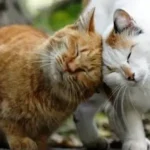
Cats groom family members they trust.
If your cat licks you, it may consider you part of its family group.
This is one of the most common examples of cat licking behavior.
While cats often lick their owners to show affection or communicate, Cat Not Eating can be a sign of an underlying health issue that every pet owner should understand.
2. Grooming Behavior
Cats naturally groom one another.
This behavior is called social grooming or allogrooming.
When your cat licks you, it may simply be extending its normal grooming habits to you.
3. Your Cat Trusts You
Trust plays an important role.
Many owners asking “What does it mean when a cat licks you?” are actually seeing a sign that their cat feels safe.
Cats rarely groom individuals they fear.
4. Attention-Seeking
Some cats quickly learn that licking gets attention.
If you pet, talk to, or interact with your cat after it licks you, the behavior may become reinforced.
5. Your Skin Tastes Interesting
Human skin naturally contains:
- Salt
- Oils
- Sweat
Some cats simply enjoy these scents and flavors.
This harmless curiosity explains some cases of cat licking behavior.
6. Comfort and Security
Licking sometimes helps cats relax.
A calm cat may gently lick its owner while resting nearby.
This often occurs during quiet bonding moments.
7. Your Cat Wants Something
Sometimes licking is a request.
Your cat may be asking for:
- Food
- Water
- Playtime
- Petting
- Attention
Observing the surrounding situation helps identify the reason.
8. Habit
Some cats simply develop licking as a daily routine.
If the behavior has always been gentle and consistent, it is usually not a cause for concern.
9. Anxiety or Stress
Excessive licking may indicate emotional stress.
Possible stress triggers include:
- New pets
- Moving
- Loud noises
- Changes in routine
- Separation anxiety
Stress-related licking often becomes repetitive.
10. Medical Problems
Although uncommon, excessive cat licking behavior may sometimes result from medical conditions.
Examples include:
- Skin irritation
- Allergies
- Pain
- Neurological disorders
Veterinary evaluation is recommended if licking suddenly becomes excessive.
What Does It Mean When a Cat Licks You?
Many owners ask, “What does it mean when a cat licks you?”
The answer depends on the situation.
Possible meanings include:
- Affection
- Grooming
- Trust
- Curiosity
- Comfort
- Attention-seeking
- Stress
Body language usually provides additional clues.
Cat Licking Behavior and Body Language
Observe your cat’s overall behavior.
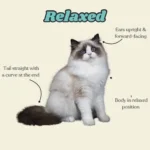
Signs of relaxed licking include:
- Slow blinking
- Gentle purring
- Relaxed ears
- Soft posture
- Calm tail movement
These signs usually indicate positive emotions.
When Is Licking a Problem?
Most licking is harmless.
However, frequent or obsessive licking deserves attention.
Possible warning signs include:
- Constant licking
- Hair loss
- Skin sores
- Aggressive behavior
- Sudden behavior changes
These symptoms may require veterinary evaluation.
Cats Most Likely to Lick Owners
Some cats naturally lick people more often.
These include:
- Social breeds
- Highly affectionate cats
- Cats raised closely with people
- Cats seeking attention
- Cats with strong bonding behaviors
Individual personality also plays an important role.
Quick Facts
| Feature | Details |
|---|---|
| Behavior | Normal social grooming |
| Common Meaning | Affection and trust |
| Other Causes | Attention, curiosity, comfort, stress |
| Veterinary Visit | Recommended if licking becomes excessive |
| Prevention | Address stress and underlying medical conditions if present |
Why Understanding Cat Licking Behavior Matters
Understanding why does my cat lick me helps owners better recognize their cat’s emotions and needs. In most cases, cat licking behavior reflects affection, trust, or grooming, but sudden or excessive licking may signal stress or illness. Knowing what it mean when a cat licks you allows owners to strengthen their bond while recognizing situations that may require veterinary attention.
When Cat Licking Behavior Becomes Excessive
Most licking is completely normal.
However, cat licking behavior may become excessive when it begins to interfere with your cat’s daily routine or is accompanied by other symptoms.
Excessive licking may indicate:
- Stress
- Anxiety
- Skin disease
- Pain
- Allergies
- Behavioral disorders
If you are asking “Why does my cat lick me constantly?”, observing how often the behavior occurs can provide helpful clues.
How Veterinarians Evaluate Excessive Licking
If excessive licking continues, your veterinarian will perform a complete physical examination.
They may ask questions such as:
- When did the licking begin?
- Has the behavior increased recently?
- Does your cat lick only you or other objects too?
- Has anything changed at home?
- Are there signs of skin irritation?
- Has your cat shown other unusual behaviors?
These answers help determine whether the licking is behavioral or medical.
Diagnostic Tests
Depending on your cat’s symptoms, additional tests may be recommended.
Physical Examination
Your veterinarian checks:
- Skin
- Coat
- Mouth
- Teeth
- Body condition
- Overall health
This helps identify possible medical causes of excessive licking.
Skin Examination
If allergies or irritation are suspected, the skin may be examined for:
- Fleas
- Parasites
- Redness
- Hair loss
- Skin infections
Blood Tests
Blood work may help identify illnesses that contribute to behavioral changes.
Allergy Testing
Some cats with persistent licking may benefit from allergy evaluations.
Managing Cat Licking Behavior
Treatment depends on the underlying cause.
Most cats do not require treatment when licking is simply a sign of affection.
However, excessive cat licking behavior may require changes at home or medical care.
Reduce Stress
Stress is a common trigger for repetitive licking.
Helpful ways to reduce stress include:
- Keeping a consistent routine
- Providing quiet resting areas
- Offering hiding spaces
- Avoiding sudden environmental changes
A calm environment often improves behavior.
Provide Mental Stimulation
Bored cats sometimes lick people for entertainment.
Increase daily enrichment by providing:
- Interactive toys
- Puzzle feeders
- Scratching posts
- Climbing trees
- Daily play sessions
Mental stimulation reduces boredom-related behaviors.
Reward Calm Behavior
Positive reinforcement works better than punishment.
Reward your cat when it remains calm without excessive licking.
Avoid rewarding unwanted licking by immediately providing treats or attention.
Never Punish Your Cat
Do not:
- Yell
- Hit
- Spray water
- Scold
Punishment increases stress and may worsen cat licking behavior.
Home Care
Owners can encourage healthy behavior through simple daily habits.
Maintain Routine
Cats prefer predictable schedules.
Try to feed, play, and interact at similar times each day.
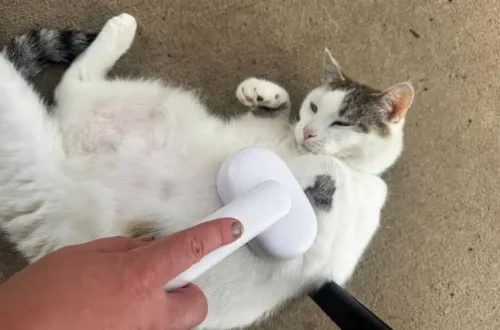
Brush Your Cat Regularly
Regular grooming reduces loose hair and strengthens the bond between owner and cat.
Watch for Changes
Monitor:
- Frequency of licking
- Skin condition
- Appetite
- Activity level
Sudden changes should be discussed with your veterinarian.
Can Cat Licking Behavior Be Prevented?
Normal affectionate licking should not be prevented.
However, excessive licking caused by stress or illness can often be reduced.
Helpful prevention strategies include:
- Routine veterinary care
- Parasite prevention
- Balanced nutrition
- Daily exercise
- Environmental enrichment
Daily Care Checklist
Simple routines help maintain healthy behavior.
Every Day
- Spend quality time together.
- Provide fresh food and water.
- Observe behavior.
- Offer interactive play.
Every Week
- Brush the coat.
- Clean bedding.
- Rotate toys.
- Check for skin irritation.
Every Month
- Continue parasite prevention.
- Review your cat’s routine.
- Monitor body condition.
Every Year
- Schedule a veterinary wellness examination.
- Discuss behavioral concerns.
- Maintain preventive healthcare.
Care Summary Table
| Care Task | Recommendation |
|---|---|
| Daily Play | 15–30 minutes |
| Grooming | Weekly or more often for long-haired cats |
| Veterinary Examination | Annually or sooner if behavior changes |
| Parasite Prevention | Year-round |
| Stress Reduction | Maintain a predictable routine |
| Environmental Enrichment | Daily |
Prognosis
The outlook for cat licking behavior is excellent in most cases.
When licking is related to affection or grooming, no treatment is necessary. If excessive licking is caused by stress, allergies, pain, or another medical condition, early diagnosis and appropriate treatment usually lead to significant improvement.
Understanding why does my cat lick me helps owners recognize when licking is simply a sign of love and when it may indicate that additional care is needed.
Cat Licking vs Cat Biting
Many owners notice that licking is sometimes followed by a gentle bite. Although this may seem confusing, it is often a normal part of cat licking behavior.
| Cat Licking | Cat Biting |
|---|---|
| Usually shows affection or grooming | May be playful, overstimulated, or defensive |
| Gentle and repetitive | Can range from gentle nibbles to harder bites |
| Often strengthens social bonds | May signal excitement or a request to stop petting |
| Common during relaxed interactions | Often follows prolonged petting sessions |
| Usually not painful | May become painful if the cat is overstimulated |
If your cat licks and then gently nibbles you, it is often called a “love bite.” However, repeated hard biting or aggressive behavior should not be ignored.
Common Myths About Cat Licking Behavior
Many myths make owners misunderstand their cat’s actions.
Myth 1: Cats Only Lick People for Food
False.
Although some cats lick when asking for food, affection and grooming are much more common reasons.
Myth 2: Licking Always Means Love
False.
While affection is a frequent explanation, cat licking behavior may also result from stress, curiosity, habit, or attention-seeking.
Myth 3: Excessive Licking Is Always Normal
False.
Persistent or obsessive licking may indicate anxiety, allergies, pain, or another medical condition.
Myth 4: You Should Stop Your Cat From Licking You
False.
Normal licking is usually harmless and often strengthens the bond between cats and their owners.
Only excessive or problematic licking requires intervention.
When Should You Contact a Veterinarian?
Arrange a veterinary examination if your cat:
- Suddenly starts licking excessively.
- Develops hair loss.
- Has skin sores.
- Appears anxious or distressed.
- Stops eating normally.
- Shows aggressive behavior along with licking.
- Displays other unusual behavioral changes.
Early evaluation helps identify medical or behavioral problems before they become more serious.
Tips for Building a Healthy Bond
Understanding why does my cat lick me allows you to respond appropriately.
Helpful habits include:
- Spend quality time together every day.
- Respect your cat’s personal space.
- Learn your cat’s body language.
- Avoid overstimulation during petting.
- Provide interactive play sessions.
- Keep a consistent daily routine.
- Reward calm behavior.
- Schedule regular veterinary checkups.
These simple practices strengthen trust and reduce stress-related behaviors.
Final Verdict
If you’ve ever wondered, “Why does my cat lick me?”, the answer is usually positive. In most cases, cat licking behavior reflects affection, grooming, trust, or a desire for attention. Understanding what does it mean when a cat licks you helps owners better interpret their cat’s emotions and strengthen the human-animal bond.
While occasional licking is completely normal, sudden excessive licking, skin problems, or other behavioral changes should always be evaluated by a veterinarian. With proper care, a stable environment, and regular health checks, most cats continue to display healthy and affectionate social behaviors throughout their lives.
Frequently Asked Questions (FAQs)
1. Why does my cat lick me every day?
Daily licking is often a normal sign of affection, grooming, trust, or social bonding.
2. What does it mean when a cat licks you?
It usually means your cat feels comfortable with you and may be expressing affection, grooming behavior, or trust.
3. Is cat licking behavior normal?
Yes. Most cat licking behavior is completely normal unless it becomes excessive or is accompanied by other symptoms.
4. Why does my cat lick me and then bite me?
Some cats give gentle “love bites” after grooming. Others may become overstimulated during petting.
5. Can stress cause excessive licking?
Yes. Anxiety, boredom, environmental changes, and stress can all increase licking behavior.
6. Should I let my cat lick me?
Occasional licking is generally harmless for healthy cats, although washing your skin afterward is a good hygiene practice.
7. Why does my kitten lick me so much?
Kittens often lick people while learning normal social grooming behaviors and building trust.
8. Can medical problems cause excessive licking?
Yes. Allergies, skin disease, pain, parasites, and certain illnesses may contribute to abnormal licking.
9. How can I reduce excessive licking?
Reduce stress, provide environmental enrichment, maintain a consistent routine, and consult your veterinarian if the behavior continues.
10. Why does my cat lick my face?
Your cat may be grooming you as it would another trusted cat, showing affection and social bonding.
11. Why does my cat lick my hands?
Hands often carry interesting scents, salt, food odors, and natural skin oils that attract some cats.
12. Can boredom increase cat licking behavior?
Yes. Cats that lack mental stimulation sometimes lick owners more frequently to gain attention.
13. Is licking always a sign of affection?
No. Although affection is common, licking may also indicate curiosity, habit, stress, or attention-seeking.
14. When should I worry about excessive licking?
If licking becomes obsessive, causes hair loss, skin damage, or is accompanied by other unusual symptoms, veterinary evaluation is recommended.
15. What is the outlook for cats with excessive licking?
The prognosis is generally very good once the underlying behavioral or medical cause is identified and managed appropriately.