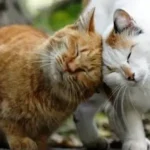




Yellow Cat
Introduction
The yellow cat is admired for its warm, golden-colored coat and charming personality. Although many people search for a yellow cat as if it were a separate breed, the term actually refers to cats with golden, cream, buff, or light orange fur rather than one specific breed.
Several breeds can display these beautiful coat shades, while many mixed-breed domestic cats also develop stunning golden coloring. A yellow fur cat may have solid, tabby, shaded, or patterned coats depending on its genetics.
Whether you’re interested in finding a yellow cat breed, learning about the popular golden cat appearance, or simply exploring unusual coat colors, this guide covers everything you need to know.
What Is a Yellow Cat?
A yellow cat is any domestic cat with a coat that appears yellow, golden, cream, buff, or light orange.
The color comes from natural coat pigmentation rather than artificial coloring.
Common coat shades include:
- Golden
- Cream
- Buff
- Light orange
- Honey
- Pale ginger
These colors may appear in both purebred and mixed-breed cats.
If you’re interested in unique cat coat patterns, don’t miss our Torbie Cat guide to learn about its beautiful mix of tabby stripes and tortoiseshell colors.
Is a Yellow Cat a Breed?
No.
A yellow cat is not a separate breed.
Instead, several breeds are capable of producing golden or yellow-toned coats through their genetics.
Many domestic mixed-breed cats can also have beautiful yellow coloring.
Why Do Some Cats Have Yellow Fur?
The color of a yellow fur cat is determined by genetics.
Natural pigments influence coat shades, creating colors that range from pale cream to deep golden.
Factors affecting coat color include:
- Genetics
- Breed
- Pigment production
- Coat pattern
- Selective breeding
Every cat inherits its coat color from its parents.
Popular Yellow Cat Breeds
Several breeds commonly display yellow or golden coats.
Popular examples include:
- British Shorthair
- Persian
- American Shorthair
- Exotic Shorthair
- Burmese
- Abyssinian
- Domestic Shorthair
- Domestic Longhair
These breeds vary in size, personality, and grooming needs.
Breed Overview
| Feature | Details |
|---|---|
| Breed | Multiple breeds |
| Coat Colors | Golden, cream, buff, yellow-toned |
| Eye Colors | Gold, amber, green, blue, copper |
| Lifespan | 12–18 years |
| Coat Length | Short or long |
| Family Friendly | Usually yes |
Physical Appearance
The appearance of a yellow cat depends on its breed, coat pattern, and genetics.
Some have short coats, while others develop long, luxurious fur.
Body Shape
Body structure varies between breeds.
A yellow cat may have:
- Athletic build
- Muscular frame
- Medium-sized body
- Compact structure
- Long body
Breed has a much greater influence on body shape than coat color.
Head Shape
Head shape differs among breeds.
Common features include:
- Rounded face
- Medium muzzle
- Strong chin
- Large eyes
- Well-developed cheeks
Each breed has its own distinctive facial characteristics.
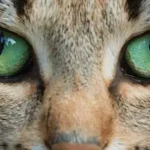
Eyes
Eye color depends on genetics rather than coat color.
Many yellow cats have:
- Amber eyes
- Gold eyes
- Copper eyes
- Green eyes
- Blue eyes
Bright golden eyes often complement golden-colored coats beautifully.
Coat
The coat is one of the most recognizable features of a yellow fur cat.
Common shades include:
- Pale cream
- Honey
- Golden
- Buff
- Light orange
- Warm ginger
Coats may be:
- Solid
- Tabby
- Shaded
- Spotted
- Ticked
Every cat develops its own unique color pattern.
Coat Patterns
A yellow cat can display several different coat patterns.
Popular patterns include:
- Classic tabby
- Mackerel tabby
- Spotted tabby
- Ticked coat
- Solid color
- Colorpoint in certain breeds
Patterns are inherited genetically and vary widely between cats.
Size and Weight
Body size depends entirely on breed.
Average Measurements
| Measurement | Average |
|---|---|
| Weight | 7–15 pounds (3–7 kg) |
| Height | 8–12 inches |
| Body Length | Varies by breed |
Larger breeds naturally weigh more than smaller breeds.
Yellow Cat Personality
A yellow cat does not have a unique personality because coat color does not determine behavior.
Temperament depends on:
- Breed
- Genetics
- Early socialization
- Environment
Many owners describe golden-colored cats as:
- Friendly
- Curious
- Affectionate
- Intelligent
- Playful
Affectionate Nature
Many yellow cats enjoy spending time with their families.
Common behaviors include:
- Following owners
- Sleeping nearby
- Gentle cuddling
- Greeting family members
- Seeking attention
Early socialization encourages confident and affectionate behavior.
Intelligence
Many breeds that produce a yellow cat are highly intelligent.
They quickly learn:
- Household routines
- Feeding schedules
- Puzzle toys
- Clicker training
- Interactive games
Regular mental stimulation helps keep them engaged.
Vocalization
Communication varies according to breed.
Many yellow cats use:
- Soft meows
- Chirps
- Purring
- Body language
Some breeds are naturally more talkative than others.
Energy Level
The activity level of a yellow cat depends on breed and age.
Many enjoy:
- Climbing
- Chasing toys
- Puzzle feeders
- Exploring rooms
- Window watching
- Interactive play
Daily exercise supports healthy muscles and overall well-being.
Do Yellow Cats Like Attention?
Yes.
Most yellow cats enjoy human companionship and develop strong bonds with their owners.
Although every cat has its own personality, well-socialized cats are often affectionate, playful, and eager to spend time with their families.
Family Compatibility
A yellow cat can make an affectionate and adaptable companion for many types of households. Since the term refers to coat color rather than a specific breed, personality depends on genetics, socialization, and the breed itself.
Many cats with golden or cream-colored coats enjoy spending time with people and adjust well to indoor family life.
Are Yellow Cats Good Family Pets?
Yes.
Many yellow cats become wonderful family companions when they receive proper care and attention.
Owners often describe them as:
- Friendly
- Curious
- Intelligent
- Playful
- Affectionate
- Loyal
Their behavior is shaped by their breed and life experiences rather than their coat color.
Do They Get Along With Children?
A well-socialized yellow cat usually gets along well with respectful children.
Many enjoy:
- Gentle petting
- Interactive games
- Daily companionship
- Quiet cuddle sessions
Children should learn to:
- Handle cats gently.
- Avoid pulling the tail or ears.
- Respect sleeping areas.
- Give the cat space when needed.
Positive interactions help build trust and confidence.
Living With Other Cats
Most yellow cats adapt well to living with other cats when introductions are handled gradually.
Helpful introduction methods include:
- Scent swapping
- Separate feeding areas
- Supervised meetings
- Rewarding calm behavior
Patience helps create positive relationships between pets.
Are They Good With Dogs?
Yes.
Many yellow cats live peacefully with calm, cat-friendly dogs.
Early introductions and consistent supervision usually produce the best results.
Apartment Living
A yellow cat can adapt very well to apartment living when provided with enough physical and mental stimulation.
Helpful additions include:
- Cat trees
- Window perches
- Puzzle feeders
- Scratching posts
- Interactive toys
- Comfortable resting places
An enriched indoor environment helps prevent boredom.
Exercise Needs
The yellow cat benefits from daily exercise.
Regular activity helps:
- Maintain healthy muscles
- Prevent obesity
- Reduce boredom
- Improve mental stimulation
- Encourage positive behavior
Most adult cats benefit from 30–45 minutes of interactive play every day.
Favorite Activities
Many yellow cats enjoy:
- Feather wand toys
- Puzzle feeders
- Chasing balls
- Climbing cat trees
- Exploring rooms
- Window watching
Rotating toys regularly helps maintain their interest.
Grooming
Grooming needs depend on the yellow cat breed rather than coat color.
Short-haired breeds require less maintenance than long-haired breeds.
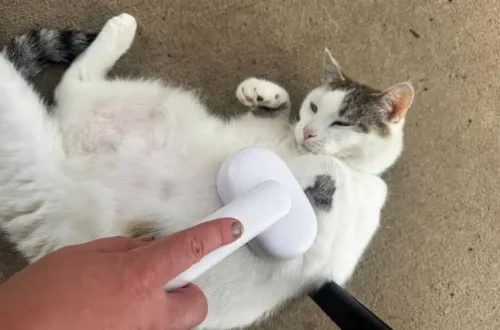
Coat Maintenance
Routine brushing helps:
- Remove loose fur
- Reduce shedding
- Prevent tangles
- Distribute natural skin oils
General grooming recommendations include:
- Short-haired cats: once weekly
- Long-haired cats: two to four times weekly
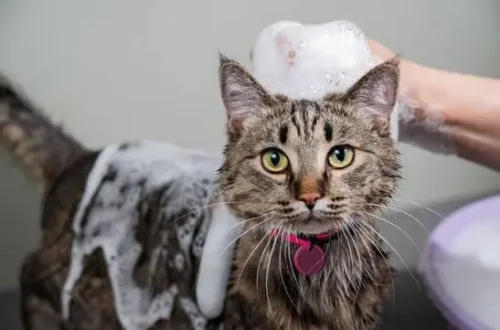
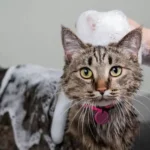
Bathing
Most yellow cats rarely need baths.
Bathing may be necessary when:
- The coat becomes unusually dirty.
- The cat cannot groom itself properly.
- A veterinarian recommends bathing.
Always use a shampoo made specifically for cats.
Ear Care
Check the ears regularly for:
- Wax buildup
- Dirt
- Redness
- Unpleasant odor
Clean gently with veterinarian-approved products when necessary.
Nail Care
Routine nail trimming helps prevent:
- Overgrown claws
- Scratches
- Broken nails
- Damage to furniture
Most cats benefit from trimming every 2–4 weeks.
Scratching posts also help maintain healthy claws.
Dental Care
Healthy teeth contribute to the overall well-being of every yellow cat.
Good dental care includes:
- Brushing teeth several times each week
- Dental treats
- Routine veterinary examinations
- Professional cleanings when recommended
Preventive care helps reduce the risk of dental disease.
Diet and Nutrition
A balanced diet helps every yellow cat remain healthy throughout life.
Food should be selected according to:
- Age
- Weight
- Activity level
- Breed
- Veterinary recommendations
Fresh drinking water should always be available.
Essential Nutrients
A complete feline diet should provide:
- High-quality animal protein
- Healthy fats
- Taurine
- Vitamins
- Minerals
- Omega-3 and Omega-6 fatty acids
Proper nutrition supports healthy muscles, skin, and a beautiful coat.
Foods to Avoid
Never feed:
- Chocolate
- Garlic
- Onions
- Grapes
- Raisins
- Alcohol
- Caffeine
- Xylitol
If your cat eats toxic foods, contact a veterinarian immediately.
Common Health Concerns
The yellow cat does not develop health problems because of its coat color.
Instead, health depends on breed, genetics, and overall care.
Possible concerns include:
- Dental disease
- Obesity
- Hairballs
- Kidney disease in older cats
- Breed-specific genetic disorders
Routine veterinary care helps detect health problems early.
Keeping Your Cat Healthy
Owners can support the health of a yellow cat by providing:
- Annual veterinary examinations
- Vaccinations
- Balanced nutrition
- Daily exercise
- Mental enrichment
- Preventive healthcare
Consistent care contributes to a healthier and longer life.
Lifespan
The average yellow cat lives between:
12–18 years
Indoor cats generally live longer than those with unrestricted outdoor access.
Caring for a Yellow Kitten
A kitten with golden or cream-colored fur requires the same attentive care as any other kitten.
During the first year, provide:
- High-quality kitten food
- Routine vaccinations
- Veterinary checkups
- Early socialization
- Interactive play
- A safe indoor environment
Good early care encourages healthy development.
Early Training
Young kittens learn quickly through positive reinforcement.
Helpful early lessons include:
- Litter box training
- Carrier training
- Nail trimming
- Name recognition
- Grooming acceptance
Starting these routines early encourages lifelong good habits.
Mental Stimulation
Many breeds that produce a golden cat are naturally curious and intelligent.
Excellent enrichment ideas include:
- Puzzle feeders
- Interactive toys
- Cat trees
- Clicker training
- Food-dispensing games
Daily mental stimulation helps prevent boredom while encouraging healthy behavior.
Adoption vs. Buying From a Breeder
Because a yellow cat is identified by its coat color rather than a specific breed, you can find yellow-coated cats through both shelters and reputable breeders. Whether you adopt or purchase a kitten, focus on the cat’s health, temperament, and living conditions instead of coat color alone.
Adoption
Many animal shelters and rescue organizations have yellow cats waiting for loving homes.
Typical adoption fees range from:
$50–$300
Many adoption packages include:
- Initial vaccinations
- Spay or neuter surgery
- Microchipping
- Basic veterinary examination
Adopting a cat provides a second chance for a pet while often costing less than buying from a breeder.
Buying From a Breeder
If you want a specific yellow cat breed, choose a responsible breeder who prioritizes healthy breeding practices.
A reputable breeder should provide:
- Veterinary health records
- Vaccination history
- Information about the kitten’s parents
- Genetic testing when appropriate
- Ongoing breeder support
Avoid purchasing kittens from breeders who cannot provide proper health documentation.
How Much Does a Yellow Cat Cost?
The cost of a yellow cat depends on its breed, pedigree, age, and location.
Average Price
| Cat Type | Average Cost |
|---|---|
| Shelter adoption | $50–$300 |
| Mixed-breed kitten | $100–$500 |
| Purebred kitten | $800–$3,000+ |
Long-term ownership expenses include:
- Food
- Veterinary care
- Litter
- Toys
- Grooming supplies
- Pet insurance
Owning a cat is a long-term financial commitment beyond the initial purchase price.
Yellow Cat Facts
These interesting yellow cat facts explain why these cats are so popular.
- A yellow cat is identified by coat color rather than breed.
- Yellow coats can range from pale cream to rich golden shades.
- Many tabby cats have golden or buff-colored fur.
- A golden cat may have solid, shaded, or tabby markings.
- Coat color is determined by genetics inherited from the parents.
- Many mixed-breed cats develop beautiful yellow coats.
- Yellow-coated cats can have gold, amber, green, blue, or copper eyes.
- Coat color does not determine personality.
- Some yellow cat breeds are naturally more common than others.
- Proper nutrition helps maintain a healthy, shiny coat.
Is a Yellow Cat Right for You?
A yellow cat can make an excellent companion for families, couples, and individuals.
This type of cat may be a great choice if you are looking for a pet that is:
- Friendly
- Intelligent
- Curious
- Affectionate
- Adaptable
- Playful
Remember that personality depends on the individual cat and its breed rather than its coat color.
Preparing Your Home
Before bringing home a yellow cat, prepare a safe and comfortable environment.
Your checklist should include:
✔ Food and water bowls
✔ High-quality cat food
✔ Litter box
✔ Comfortable bed
✔ Cat tree
✔ Scratching posts
✔ Interactive toys
✔ Grooming brush
✔ Pet carrier
✔ First veterinary appointment
✔ Identification tag or microchip
A well-prepared home helps your new cat settle in quickly.
Pros and Cons
Like every pet, a yellow cat has both advantages and responsibilities.
Pros
- Beautiful golden-colored coat
- Friendly and affectionate personality
- Intelligent and curious
- Suitable for families
- Available in many breeds
- Easy to find through shelters
- Adaptable to indoor living
- Playful and entertaining
- Wide variety of coat patterns
- Loyal companion
Cons
- Coat color alone does not predict personality.
- Long-haired breeds require frequent grooming.
- Purebred kittens can be expensive.
- Breed-specific health issues may occur.
- Daily interaction is important.
- Veterinary expenses continue throughout life.
- Indoor enrichment is necessary.
- Shedding varies by breed.
- Lifelong commitment is required.
- Training and socialization take time.
Final Verdict
That is admired for its beautiful golden, cream, or buff-colored coat and can be found in many different breeds and mixed-breed domestic cats. Although there is no single yellow breed, many cats naturally develop warm coat colors that make them stand out.
Whether you choose a playful tabby, a luxurious Persian, a friendly British Shorthair, or another golden cat, proper nutrition, regular veterinary care, grooming, and daily interaction will help your companion live a healthy and happy life.
If you’re looking for an affectionate, intelligent, and visually striking feline, a yellow fur cat can make a wonderful addition to your family.
Frequently Asked Questions (FAQs)
1. What is a yellow cat?
A yellow cat is a cat with a golden, cream, buff, or light orange coat rather than a separate breed.
2. Is a yellow cat a breed?
No. Coat color does not determine breed.
3. Which breeds can have yellow coats?
Several yellow breeds may display golden or cream-colored coats, including British Shorthair, Persian, Burmese, Abyssinian, American Shorthair, and Domestic Shorthairs.
4. What is a golden cat?
A golden cat usually refers to a domestic cat with a rich golden-colored coat, although the term is sometimes used for certain wild cat species.
5. Do yellow cats have different personalities?
No. Personality depends on breed, genetics, and socialization rather than coat color.
6. Are yellow cats rare?
Some golden coat colors are less common than others, but many yellow-coated domestic cats are widely available.
7. Do yellow cats shed?
Yes. Shedding depends on whether the breed has a short or long coat.
8. Are yellow cats good family pets?
Yes. Many yellow-coated cats are affectionate, playful, and family-friendly.
9. What color eyes do yellow cats have?
Eye colors may include gold, amber, green, blue, or copper.
10. How long do yellow cats live?
Most yellow cats live between 12 and 18 years with proper care.
11. What should I feed a yellow cat?
Feed a complete, balanced diet appropriate for the cat’s age, weight, and activity level.
12. How much exercise does a yellow cat need?
Most benefit from about 30–45 minutes of interactive play each day.
13. How much does a yellow cat cost?
Adoption generally costs $50–$300, while purebred kittens may cost $800–$3,000 or more.
14. Can mixed-breed cats have yellow coats?
Yes. Many mixed-breed domestic cats naturally develop beautiful yellow or golden coats.
15. Are yellow kittens different from adult cats?
Yellow kittens may have lighter coats that gradually deepen or change slightly as they mature.