


Why Does My Cat Stare at Me?
Introduction
Many cat owners eventually notice their cat quietly watching them and wonder, “Why does my cat stare at me?” In most cases, cat staring is completely normal and is simply one way cats communicate with people. A cat may stare because it wants food, attention, playtime, or simply enjoys observing its favorite person. However, prolonged staring combined with unusual body language may sometimes indicate stress, fear, confusion, or an underlying medical condition. Understanding cat eye contact and overall cat behavior helps owners recognize what their cat is trying to communicate and strengthens the bond between them.
Is It Normal for Cats to Stare?
Yes.
Most cats naturally spend time watching their surroundings.
They carefully observe:
- People
- Other animals
- Moving objects
- Sounds
- Daily routines
Occasional cat staring is completely normal.
While cats often stare to communicate, show affection, or observe their surroundings, Why Does My Cat Bite Me explains another common feline behavior that can sometimes confuse pet owners.
Why Does My Cat Stare at Me?
There are many possible answers to “Why does my cat stare at me?”
The meaning usually depends on your cat’s body language and the situation.
1. Your Cat Wants Attention
One of the most common reasons is attention.
Your cat may be asking for:
- Petting
- Playtime
- Interaction
- Company
Many cats learn that staring gets their owner’s attention.
2. Your Cat Is Hungry
Cats often stare when they expect food.
If feeding time is approaching, your cat may quietly watch you until you prepare its meal.
This is a very common example of cat behavior.
3. Your Cat Loves You
Sometimes staring simply reflects affection.
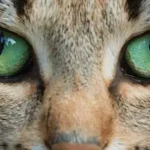
Relaxed cat eye contact often shows trust and comfort.
Many cats enjoy quietly watching the people they feel safest with.
4. Your Cat Is Curious
Cats are naturally curious animals.
They carefully observe new activities, unfamiliar sounds, and changes around the home.
Curiosity is a normal cause of cat staring.
5. Your Cat Is Watching Your Movements
Cats quickly learn human routines.
Your cat may stare because it expects:
- Food
- Treats
- Play
- Going outdoors
- Bedtime
Observation helps cats predict daily events.
6. Slow Blinking
Sometimes a cat stares and slowly closes its eyes.
Slow blinking is often called a “cat kiss.”
It usually indicates:
- Trust
- Relaxation
- Affection
Returning a slow blink may help strengthen your bond.
7. Your Cat Feels Unsure
Some cats stare when they are uncertain.
Possible causes include:
- New visitors
- Loud noises
- Strange smells
- Environmental changes
The cat may simply be evaluating the situation.
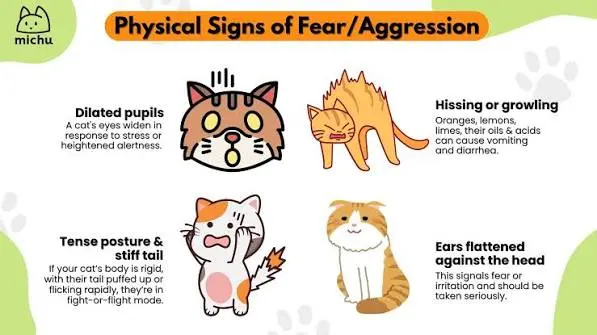
8. Fear
Fearful cats sometimes maintain steady eye contact while deciding whether they should escape.
Warning signs include:
- Flattened ears
- Crouched posture
- Tail tucked tightly
This type of cat eye contact differs from relaxed staring.
9. Medical Problems
Although uncommon, changes in cat behavior may result from medical conditions.
Examples include:
- Vision problems
- Cognitive decline
- Neurological disorders
- High blood pressure
Sudden unexplained staring should be discussed with a veterinarian.
10. Your Cat Is Trying to Communicate
Cats communicate without words.
Staring may simply mean your cat wants you to notice something.
For example:
- An empty food bowl
- A closed door
- A favorite toy
- A desire for attention
Observing the surrounding situation often explains the reason.
Cat Eye Contact and Body Language
Body language helps explain the meaning of staring.
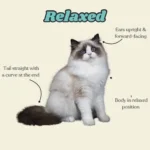
Relaxed signs include:
- Slow blinking
- Soft eyes
- Upright ears
- Relaxed posture
- Gentle purring
These usually indicate positive emotions.
Warning Signs That Require Attention
Sometimes staring is accompanied by concerning behavior.
Watch for:
- Dilated pupils
- Hissing
- Growling
- Aggressive posture
- Confusion
- Walking into objects
- Sudden personality changes
These signs may require veterinary evaluation.
Cats Most Likely to Stare at Owners
Some cats naturally observe people more often.
These include:
- Highly social cats
- Intelligent breeds
- Indoor cats
- Curious cats
- Cats strongly bonded with their owners
Individual personality also influences cat behavior.
Quick Facts
| Feature | Details |
|---|---|
| Behavior | Watching people through eye contact |
| Common Meaning | Attention, affection, curiosity, communication |
| Other Causes | Hunger, fear, stress, medical conditions |
| Veterinary Visit | Recommended if staring changes suddenly or is accompanied by other symptoms |
| Prevention | Routine healthcare and environmental enrichment |
Why Understanding Cat Staring Matters
Learning why does my cat stare at me helps owners better understand feline communication. In most cases, cat staring reflects curiosity, affection, or a request for attention. However, unusual cat eye contact combined with abnormal cat behavior may signal stress or illness. Recognizing the difference helps owners respond appropriately while strengthening the relationship with their cat.
When Cat Staring May Be a Problem
Most cat staring is completely harmless.
However, unusual or excessive staring may sometimes indicate a behavioral or medical problem.
You should pay closer attention if your cat:
- Stares for unusually long periods
- Seems confused
- Stops responding to its surroundings
- Shows other changes in cat behavior
The context is just as important as the staring itself.
How Veterinarians Evaluate Unusual Cat Staring
If your cat suddenly develops unusual staring behavior, your veterinarian will begin with a complete physical examination.
Common questions may include:
- When did the staring begin?
- Does your cat stare at people or objects?
- Has your cat become less active?
- Have there been recent changes at home?
- Is your cat eating normally?
- Have you noticed vision problems?
These answers help determine why does my cat stare at me and whether additional testing is needed.
Diagnostic Tests
Additional tests may be recommended if illness is suspected.
Physical Examination
Your veterinarian evaluates:
- Eyes
- Vision
- Nervous system
- Heart
- Overall health
This helps identify medical conditions that may affect cat behavior.
Eye Examination
An eye examination may detect:
- Vision loss
- Eye injuries
- Cataracts
- High blood pressure–related eye damage
Healthy vision is important for normal cat eye contact.
Blood Tests
Blood work may identify illnesses that contribute to behavioral changes, including:
- Kidney disease
- Liver disease
- Diabetes
- Infection
Neurological Examination
If abnormal brain function is suspected, additional neurological testing may be recommended.
Managing Cat Staring
Treatment depends entirely on the underlying cause.
Most healthy cats require no treatment because normal cat staring is part of everyday communication.
Respond Calmly
If your cat quietly watches you, remain relaxed.
Many cats simply enjoy observing their owners.
Responding calmly helps maintain trust.
Provide Mental Stimulation
Bored cats often spend more time watching people.
Helpful enrichment includes:
- Interactive toys
- Puzzle feeders
- Window perches
- Climbing trees
- Daily play sessions
Mental stimulation supports healthy cat behavior.
Maintain a Consistent Routine
Cats feel secure when daily routines remain predictable.
Try to keep feeding, playtime, and bedtime consistent.
Stable routines reduce stress-related behaviors.
Reward Positive Interaction
If your cat seeks attention through staring, reward calm interactions with:
- Gentle petting
- Playtime
- Praise
- Treats
Positive reinforcement strengthens appropriate communication.
Home Care
Owners can encourage healthy behavior with simple daily habits.
Observe Body Language
Do not focus only on the eyes.
Watch:
- Tail position
- Ear position
- Body posture
- Facial expression
These signals provide valuable clues about your cat’s emotions.
Keep the Environment Interesting
Indoor cats benefit from:
- Scratching posts
- Shelves
- Toys
- Hiding places
An enriched environment reduces boredom.
Monitor Changes
Sudden changes in cat eye contact or personality should be discussed with your veterinarian.
Can Cat Staring Be Prevented?
Normal staring should not be prevented.
However, stress-related staring can often be reduced by maintaining a healthy environment.
Helpful prevention strategies include:
- Routine veterinary care
- Daily enrichment
- Regular play
- Stable routines
- Early treatment of medical conditions
Daily Care Checklist
Healthy routines encourage positive behavior.
Every Day
- Spend time interacting with your cat.
- Observe body language.
- Provide fresh food and water.
- Encourage play.
Every Week
- Rotate toys.
- Brush the coat.
- Clean resting areas.
- Monitor behavior.
Every Month
- Continue parasite prevention.
- Review environmental enrichment.
- Monitor weight and appetite.
Every Year
- Schedule a veterinary wellness examination.
- Discuss any behavior changes.
- Maintain preventive healthcare.
Care Summary Table
| Care Task | Recommendation |
|---|---|
| Interactive Play | Daily |
| Environmental Enrichment | Daily |
| Behavioral Observation | Daily |
| Veterinary Examination | Annually or sooner if behavior changes |
| Grooming | Weekly |
| Routine Healthcare | Year-round |
Prognosis
The outlook for normal cat staring is excellent.
When staring is simply part of healthy communication, no treatment is necessary. If unusual cat eye contact results from stress, vision problems, neurological disease, or other medical conditions, early diagnosis and treatment usually improve both health and behavior.
Cat Staring vs Aggressive Eye Contact
Not every stare has the same meaning. Understanding the difference between relaxed cat staring and threatening eye contact helps owners respond correctly.
| Relaxed Cat Staring | Aggressive Cat Eye Contact |
|---|---|
| Soft eyes | Wide, fixed eyes |
| Slow blinking | No blinking or intense staring |
| Relaxed ears | Flattened ears |
| Calm body posture | Stiff, tense body |
| May purr or approach you | May hiss, growl, or swat |
If your cat maintains hard eye contact while showing defensive body language, give it space and avoid forcing interaction.
Common Myths About Cat Staring
Many owners misunderstand cat behavior when their cat watches them.
Myth 1: My Cat Is Always Angry When It Stares
False.
Most cat staring is simply curiosity, affection, or a request for attention.
Myth 2: Eye Contact Is Always a Challenge
False.
Relaxed cat eye contact, especially when combined with slow blinking, often shows trust rather than aggression.
Myth 3: Cats Only Stare When They Want Food
False.
Although hunger is one reason, cats also stare because they are curious, comfortable, or observing your routine.
Myth 4: Sudden Staring Should Always Be Ignored
False.
If staring begins suddenly and is accompanied by confusion, balance problems, or personality changes, veterinary evaluation is recommended.
When Should You Contact a Veterinarian?
Arrange a veterinary examination if your cat:
- Suddenly begins staring for long periods.
- Appears confused or disoriented.
- Walks into furniture or walls.
- Shows vision changes.
- Develops seizures or unusual movements.
- Stops eating normally.
- Displays other major behavior changes.
Medical conditions should always be ruled out before assuming the behavior is normal.
Tips for Building a Stronger Bond
Understanding why does my cat stare at me helps improve communication between you and your cat.
Helpful habits include:
- Return slow blinks to your cat.
- Spend quality time together every day.
- Respect your cat’s personal space.
- Provide daily play sessions.
- Keep feeding routines consistent.
- Offer climbing areas and window perches.
- Learn your cat’s body language.
- Schedule regular veterinary checkups.
These simple habits encourage healthy cat behavior and strengthen trust.
Final Verdict
If you’ve ever wondered, “Why does my cat stare at me?”, the answer is usually reassuring. In most situations, cat staring reflects curiosity, affection, trust, or a desire for attention. Relaxed cat eye contact, especially with slow blinking, is often one of the clearest signs that your cat feels safe around you.
However, sudden changes in staring behavior—particularly when combined with confusion, aggression, vision problems, or other abnormal cat behavior—should not be ignored. Early veterinary evaluation can identify underlying health problems and ensure your cat receives appropriate care.
Frequently Asked Questions (FAQs)
1. Why does my cat stare at me?
Your cat may be seeking attention, food, affection, or simply observing your activities.
2. Is cat staring normal?
Yes. Occasional cat staring is a normal part of feline communication.
3. What does cat eye contact mean?
Relaxed cat eye contact often shows trust, curiosity, or affection, while tense eye contact may signal fear or aggression.
4. Why does my cat stare at me without blinking?
A fixed stare may simply reflect intense curiosity, but it should be interpreted together with your cat’s body language.
5. Why does my cat stare at me while I sleep?
Many cats observe sleeping owners because they are curious, waiting for attention, or expecting breakfast.
6. Why does my cat stare and slowly blink?
Slow blinking is commonly considered a sign of relaxation, trust, and affection.
7. Can stress cause unusual staring?
Yes. Stress and anxiety can change normal cat behavior, including staring patterns.
8. Can vision problems affect cat staring?
Yes. Cats with vision loss may stare differently as they try to understand their surroundings.
9. Should I stare back at my cat?
A relaxed gaze or slow blink is generally fine, but prolonged intense staring may make some cats uncomfortable.
10. Why does my cat stare at walls?
Cats sometimes notice sounds, insects, or movements that humans cannot easily detect. Persistent wall staring with other abnormal signs should be evaluated.
11. Can older cats stare more often?
Yes. Senior cats may develop behavioral or vision changes that affect their staring behavior.
12. How can I reduce stress-related staring?
Provide a stable routine, daily enrichment, interactive play, and a calm environment.
13. Is cat staring a sign of aggression?
Not usually. Aggression is more likely when staring is combined with flattened ears, hissing, growling, or a tense body posture.
14. When should I worry about my cat staring?
Seek veterinary advice if staring is sudden, prolonged, or accompanied by confusion, seizures, vision loss, or other behavioral changes.
15. What is the outlook for cats with unusual staring?
The prognosis depends on the cause. Normal cat staring requires no treatment, while medical conditions often improve with early diagnosis and appropriate care.