








Cornish Rex Cat
Introduction
The Cornish Rex Cat is one of the most distinctive and elegant cat breeds in the world. Known for its soft, curly coat, slender body, and playful personality, the Cornish Rex Cat stands out from other breeds because of its unusual appearance and energetic nature. As a unique Curly Cat Breed, it forms strong bonds with people and enjoys being involved in everyday family life. Whether you’re researching the breed’s temperament or comparing the Cornish Rex Price, this guide covers everything you need to know before bringing a Cornish Rex into your home.
What Is a Cornish Rex Cat?
The Cornish Cat is a naturally occurring breed that originated in Cornwall, England, during the 1950s. A natural genetic mutation gave the breed its signature curly coat, making it one of the most recognizable cats in the world.
Unlike most cats that have three layers of fur, the Cornish Rex has only a soft undercoat that forms gentle waves across its body.
Today, the Rex Cat is recognized by major cat associations and is admired for its affectionate personality, intelligence, and athletic ability.
Key Characteristics
- Natural cat breed
- Soft curly coat
- Slender body
- Large ears
- Long legs
- Highly intelligent
- Very active
- Affectionate companion
Cornish Rex Cat History
The history of the Rex Cat began in Cornwall, England, when a kitten named Kallibunker was born with an unusual curly coat.
Breeders discovered that the coat resulted from a unique genetic mutation different from that of other curly-coated breeds.
Through careful breeding programs, the Cornish Rex became an established breed and gained recognition from major cat organizations around the world.
Today, the Cornish Rex Cat is appreciated for both its elegant appearance and lively personality.
Read more: Although they share similar names, the Devon Rex Cat has a different coat type, body structure, and personality. Explore our complete guide to learn the key differences.
Appearance
The Rex Cat has one of the most unique appearances among domestic cats.
Body
The breed has a slim, muscular body with long legs and a graceful, athletic build.
Coat
The most recognizable feature is its soft, wavy coat.
Unlike many other breeds, the Cornish Rex Cat has only a fine undercoat, giving it an exceptionally smooth and velvety texture.
As a Curly Cat Breed, its coat naturally forms tight waves over much of the body.
Head
The head is egg-shaped with high cheekbones and a refined appearance.
Ears
Large ears sit high on the head and contribute to the breed’s alert expression.
Eyes
Oval-shaped eyes come in various colors depending on coat color.
Cornish Rex Colors
The Cornish Rex Cat is available in a wide variety of colors and patterns.
Common colors include:
- White
- Black
- Blue
- Cream
- Chocolate
- Cinnamon
- Red
- Silver
Common patterns include:
- Tabby
- Bicolor
- Tortoiseshell
- Colorpoint
- Smoke
Because of this variety, every Cornish Rex has a unique appearance.
Cornish Rex Personality
The Cornish Rex Personality is one of the breed’s greatest strengths.
Intelligent
The Cornish Rex Cat learns quickly and enjoys puzzle toys, training games, and interactive activities.
Playful
Many Cornish Rex cats remain energetic throughout their lives and enjoy daily play sessions.
Affectionate
This breed loves spending time with its family and often follows people around the house.
Curious
The Cornish Rex enjoys exploring new places, climbing furniture, and investigating anything interesting.
Social
Most Cornish Rex cats welcome visitors and usually adapt well to households with children and other pets.
Active
The Cornish Rex Personality combines intelligence with athletic ability, making this breed happiest when it receives regular physical and mental stimulation.
Is a Cornish Rex Cat a Good Family Pet?
The Cornish Rex Cat is considered an excellent family companion.
It usually fits well into homes with:
- Families
- Children
- Couples
- Singles
- Seniors
- Other friendly pets
Because the breed enjoys companionship, it thrives in homes where people have time to interact with it every day.
Cornish Rex Cat Size
The Cornish Rex Cat is a small-to-medium-sized breed with a lightweight but muscular body.
Average Height
- 10–12 inches
Average Weight
- Females: 6–8 pounds
- Males: 8–10 pounds
Growth Stages
Kitten (0–6 Months)
Rapid growth, curiosity, and playful behavior.
Junior (6–12 Months)
The body becomes more athletic while the curly coat continues developing.
Adult (1–2 Years)
Most Cornish Rex Cat adults reach full size between one and two years of age.
Quick Facts
| Feature | Details |
|---|---|
| Origin | Cornwall, England |
| Breed Type | Natural Breed |
| Coat | Short, Curly |
| Weight | 6–10 lbs |
| Lifespan | 11–15 Years |
| Grooming | Low |
| Shedding | Low |
| Personality | Intelligent, Active, Affectionate |
Why Is the Cornish Rex Cat So Popular?
The Cornish Rex Cat is admired for its unique appearance, loving personality, and endless energy. As a well-known Curly Cat Breed, it combines an elegant body with a playful attitude that keeps owners entertained for years. The Cornish Rex Personality is friendly, intelligent, and people-oriented, making the breed an excellent companion for active households. Whether you’re comparing breeds or researching the Cornish Rex Price, understanding these characteristics will help you decide if this remarkable cat is the right addition to your family.
Grooming a Cornish Rex Cat
The Cornish Rex Cat has a unique coat that requires different care than most other breeds. As a Curly Cat Breed, it has only a soft undercoat with no protective outer guard hairs, making the coat feel smooth and velvety.
Because the coat is delicate, the Cornish Rex should be groomed gently to avoid damaging its natural curls.
Coat Care
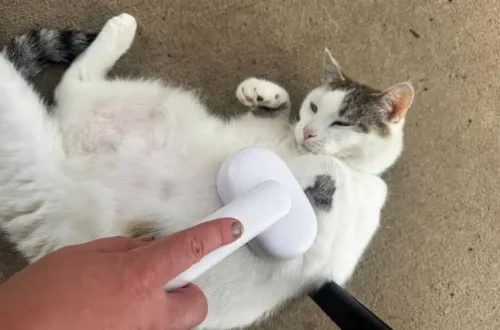
Unlike long-haired breeds, the Cornish Rex Cat rarely needs brushing.
If loose hair needs to be removed, gently wipe the coat with a soft, damp cloth instead of using a stiff brush.
Bathing
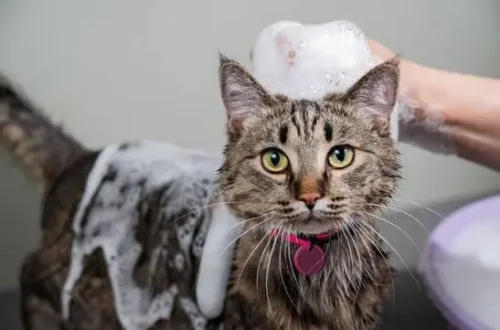
The fine coat may allow natural skin oils to build up more quickly than in other breeds.
Many Cornish Rex owners bathe their cats occasionally using a cat-safe shampoo, but frequent bathing is usually unnecessary unless recommended by a veterinarian.
Ear Cleaning
The large ears can collect wax more easily than those of many other breeds.
Check the ears weekly and clean them gently using a veterinarian-approved ear cleaner.
Nail Trimming
Trim your cat’s nails every 2–4 weeks to keep them healthy and comfortable.
Dental Care
Brush your cat’s teeth several times each week to reduce plaque and help prevent dental disease.
Shedding
The Cornish Rex Cat is considered a low-shedding breed.
Although it still sheds a small amount of hair, the fine single-layer coat usually leaves much less fur around the home than many other cats.
Why Cornish Rex Cats Shed
Shedding may increase because of:
- Seasonal coat changes
- Stress
- Poor nutrition
- Hormonal changes
- Skin conditions
How to Reduce Shedding
You can help maintain a healthy coat by:
- Feeding a balanced diet
- Avoiding excessive grooming
- Providing fresh water
- Scheduling regular veterinary checkups
- Supporting healthy skin
With proper care, the Cornish Rex Cat keeps its soft, curly coat in excellent condition.
Exercise and Mental Stimulation
The Cornish Rex Personality is energetic, intelligent, and highly playful.
This breed loves climbing, jumping, running, and exploring, so daily exercise is essential.
Daily Exercise
Aim for at least 20–30 minutes of active play every day.
Favorite activities include:
- Feather wand toys
- Interactive laser games
- Puzzle feeders
- Cat trees
- Chasing small balls
- Training games
Mental Enrichment
The Cornish Rex Cat enjoys learning new tricks and solving simple challenges.
Puzzle toys, climbing shelves, window perches, and rotating toys help prevent boredom.
Common Health Problems
The Cornish Rex Cat is generally healthy, but responsible owners should understand several conditions that may occasionally affect the breed.
Hypertrophic Cardiomyopathy (HCM)
Some Cornish Rex cats may develop hypertrophic cardiomyopathy, a disease affecting the heart muscle.
Routine veterinary examinations help with early diagnosis.
Patellar Luxation
Patellar luxation occurs when the kneecap slips out of its normal position.
Regular veterinary care helps monitor joint health.
Progressive Retinal Atrophy (PRA)
Although uncommon, some cats may inherit progressive retinal atrophy, an eye disease that gradually affects vision.
Dental Disease
Without routine dental care, plaque buildup can eventually lead to gum disease and tooth loss.
Skin Sensitivity
Because the Cornish Rex Cat has a thin coat, its skin may be more sensitive to sunlight, harsh shampoos, or extreme temperatures.
Lifespan
A healthy Cornish Rex Cat typically lives between 11 and 15 years, although many enjoy even longer lives with proper care.
Factors That Influence Lifespan
- Genetics
- High-quality nutrition
- Routine veterinary care
- Healthy body weight
- Daily exercise
- Indoor living
- Preventive healthcare
Providing excellent care helps many Cornish Rex cats remain active well into their senior years.
Diet and Nutrition
A balanced diet supports the health, energy, and coat quality of a Cornish Rex Cat.
Protein
Choose food containing high-quality animal protein as the primary ingredient.
Wet vs. Dry Food
Many veterinarians recommend a combination of wet and dry food to provide balanced nutrition and support hydration.
Portion Control
Because the Cornish Rex Personality is naturally active, proper portion sizes help maintain healthy body condition without unnecessary weight gain.
Fresh Water
Always provide clean drinking water throughout the day.
Nutrients for Healthy Skin and Coat
Look for foods containing:
- Omega-3 fatty acids
- Omega-6 fatty acids
- Vitamin E
- Zinc
- High-quality protein
These nutrients help maintain the soft coat that makes this Curly Cat Breed so distinctive.
Daily Care Checklist
Following a regular routine helps keep your Cornish Rex Cat healthy and happy.
Every Day
- Provide fresh food and water.
- Spend time playing together.
- Scoop the litter box.
- Observe your cat’s behavior.
Every Week
- Check the ears.
- Inspect the skin and coat.
- Brush teeth several times.
- Look for signs of irritation.
Every Month
- Trim nails.
- Monitor body weight.
- Clean grooming tools if needed.
Every Year
- Schedule a veterinary wellness examination.
- Keep vaccinations current.
- Review parasite prevention with your veterinarian.
Care Summary Table
| Care Task | Recommended Frequency |
|---|---|
| Coat Care | Gentle wiping as needed |
| Bathing | Occasionally, when needed |
| Ear Cleaning | Weekly |
| Nail Trimming | Every 2–4 weeks |
| Teeth Brushing | Several times weekly |
| Veterinary Checkup | Once per year |
| Daily Play | 20–30 minutes |
Cornish Rex Cat vs Devon Rex Cat
The Cornish Rex Cat and the Devon Rex are often confused because both are well-known as a Curly Cat Breed. Although they share a similar appearance, they have different coat types, body structures, and genetic backgrounds.
| Feature | Cornish Rex Cat | Devon Rex Cat |
|---|---|---|
| Origin | Cornwall, England | Devon, England |
| Coat | Tight, Soft Waves | Loose, Soft Curls |
| Fur Layers | Undercoat Only | Sparse Coat with Different Curl Gene |
| Body Type | Slender and Athletic | Slim but Muscular |
| Head Shape | Egg-Shaped | Broad with Prominent Cheekbones |
| Ears | Large | Very Large |
| Personality | Energetic and Social | Affectionate and Curious |
| Grooming | Low | Low to Moderate |
While both breeds are playful and intelligent, the Cornish Rex Cat is known for its graceful body, exceptional agility, and silky waves, whereas the Devon Rex has a more pixie-like appearance and a slightly different coat texture.
Cornish Rex Price
The Cornish Rex Price depends on the breeder, pedigree, bloodline, and geographic location.
Kitten Price
A pet-quality Cornish Rex Cat from a reputable breeder generally costs between $1,000 and $2,500.
Show-quality kittens or championship bloodlines may cost considerably more.
Adoption
Although uncommon, you may occasionally find a Cornish Rex through rescue organizations or breed-specific rescues.
Adoption fees usually range from $100 to $400.
Initial Supplies
Before bringing home your kitten, budget for:
- Food and water bowls
- Litter box
- Cat litter
- Carrier
- Scratching post
- Cat tree
- Interactive toys
- Grooming supplies
Annual Care Costs
Ongoing expenses include:
- High-quality food
- Veterinary care
- Vaccinations
- Parasite prevention
- Dental care
- Pet insurance (optional)
Understanding the full Cornish Rex Price helps you prepare for the long-term commitment of owning this active breed.
Pros and Cons
Pros
- Unique curly coat
- Very low shedding
- Highly intelligent
- Extremely playful
- Affectionate with family
- Good with children
- Excellent indoor companion
Cons
- Needs daily interaction
- Sensitive skin
- Can become lonely if left alone often
- Requires regular ear cleaning
- Purchase price may be relatively high
Is a Cornish Rex Cat Right for You?
A Cornish Rex Cat is an excellent choice for owners who enjoy spending time with an active and affectionate pet.
This breed is especially suitable for:
- Families
- Couples
- Singles
- Indoor homes
- Multi-pet households
- Owners who enjoy interactive play
The Cornish Rex Personality is energetic and people-oriented, so these cats are happiest when included in everyday family activities.
If you’re searching for a friendly Curly Cat Breed that loves attention and stays playful throughout adulthood, the Cornish Rex Cat could be an ideal choice.
Final Verdict
The Cornish Rex Cat is one of the most elegant and entertaining cat breeds in the world. Its soft curly coat, athletic body, affectionate temperament, and playful personality make it a wonderful companion for many households.
Although the Cornish Rex Price may be higher than that of many mixed-breed cats, owners often feel the investment is worthwhile because of the breed’s intelligence, unique appearance, and loving nature.
With proper nutrition, regular veterinary care, daily exercise, and plenty of companionship, a Cornish Rex Cat can remain healthy, active, and affectionate for many years.
Frequently Asked Questions (FAQs)
1. Are Cornish Rex cats hypoallergenic?
No. The Cornish Rex Cat is not completely hypoallergenic, but many allergy sufferers find it easier to tolerate because it sheds very little.
2. Do Cornish Rex cats shed?
Yes. The Cornish Rex Cat sheds lightly because it has only a fine undercoat.
3. How big do Cornish Rex cats get?
Adult females usually weigh 6–8 pounds, while males generally weigh 8–10 pounds.
4. What is the Cornish Rex Personality like?
The Cornish Rex Personality is playful, affectionate, intelligent, energetic, and highly social.
5. What is the average Cornish Rex Price?
The average Cornish Rex Price from a reputable breeder ranges between $1,000 and $2,500, depending on pedigree and location.
6. Are Cornish Rex cats good family pets?
Yes. They usually get along well with children, adults, and other friendly pets.
7. How long do Cornish Rex cats live?
Most Cornish Rex Cat individuals live between 11 and 15 years, although many live longer with excellent care.
8. Are Cornish Rex cats cuddly?
Yes. Most enjoy sitting close to their owners and appreciate regular affection.
9. Are Cornish Rex cats vocal?
They are moderately vocal and often communicate with soft meows and chirping sounds.
10. Do Cornish Rex cats get along with dogs?
Yes. Most adapt well to friendly dogs when introduced gradually.
11. Why do Cornish Rex cats have curly fur?
The Cornish Rex Cat has a natural genetic mutation that creates its distinctive soft, wavy coat.
12. What’s the difference between a Cornish Rex and a Devon Rex?
The Cornish Rex Cat has only an undercoat with tight waves, while the Devon Rex has a different curl gene and a looser coat texture.
13. Can Cornish Rex cats live indoors?
Yes. They thrive as indoor cats where they can safely climb, play, and interact with their families.
14. How often should I bathe a Cornish Rex?
Most Cornish Rex cats only require occasional baths when skin oils accumulate or when recommended by a veterinarian.
15. Is a Cornish Rex Cat a good choice for first-time owners?
Yes. A Cornish Rex Cat is an excellent choice for first-time owners who can provide daily attention, enrichment, and regular healthcare.