




Turkish Van Cat
Introduction
The Turkish Van Cat is one of the world’s oldest and rarest natural cat breeds. Famous for its striking white coat with colored markings and unusual love of water, the Turkish Van Cat has earned the nickname “the swimming cat.” This intelligent and energetic breed is admired for its playful nature, strong athletic ability, and loyal personality. Whether you’re researching the Turkish Van Personality or wondering about the Turkish Van Price, this guide covers everything you need to know before bringing one home.
What Is a Turkish Van Cat?
The Turkish Van Cat is a naturally developed breed that originated near Lake Van in eastern Türkiye. Unlike many modern breeds created through selective breeding, the Turkish Van evolved naturally over centuries in its native region.
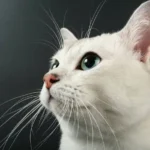
It is best known for its distinctive “Van pattern,” which features a mostly white body with colored markings on the head and tail.
Because of its unique appearance, playful temperament, and rarity, the Turkish Van Cat is highly valued by cat enthusiasts around the world.
Key Characteristics
- Natural cat breed
- Semi-longhaired coat
- Muscular body
- Distinctive Van pattern
- Highly intelligent
- Very active
- Loves climbing
- Often enjoys water
Turkish Van Cat History
The history of the Turkish Van Cat dates back hundreds, and possibly thousands, of years.
The breed developed naturally around the Lake Van region, where harsh seasonal weather helped shape its unique coat. Its soft, water-resistant fur protected from both hot summers and cold winters.
The Turkish Van remained relatively unknown outside Türkiye until the mid-20th century, when breeders introduced it to Europe. Over time, major cat organizations officially recognized the breed because of its distinctive characteristics.
Today, although still considered rare, the Turkish Van Cat is admired worldwide for both its beauty and personality.
Readmore;While the Turkish Van Cat is famous for its love of water, the British Shorthair is admired for its calm temperament and plush coat.
Appearance
The Turkish Van Cat has a powerful yet elegant appearance that immediately sets it apart from many other breeds.
Body
This breed has a strong, muscular frame built for climbing and jumping. Despite its athletic body, it remains graceful and balanced.
Coat
The semi-long coat is soft, silky, and naturally water resistant. Unlike many long-haired breeds, the coat contains very little undercoat, making it less prone to matting.
Tail
The fluffy tail is one of the breed’s defining features and usually carries the darkest color markings.
Eyes
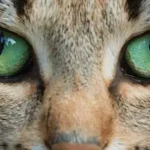
Eye colors may include:
- Amber
- Blue
- Odd-colored eyes (one blue and one amber)
Coat Pattern
The traditional Van pattern includes:
- White body
- Colored head markings
- Fully colored tail
This distinctive pattern makes the Turkish Van Cat easy to recognize.
Turkish Van Coat Colors
Although the classic pattern remains the most popular, the Turkish Van appears in several beautiful color combinations.
Common colors include:
- Red and White
- Cream and White
- Black and White
- Blue and White
- Tortoiseshell and White
Some cat registries recognize additional acceptable color variations.
Turkish Van Personality
One of the biggest reasons people love this breed is the remarkable Turkish Van Personality.
Intelligent
The Turkish Van Cat learns routines quickly and enjoys puzzle toys and interactive games.
Active
This breed loves climbing cat trees, chasing toys, and exploring its surroundings.
Loyal
Many Turkish Vans form strong bonds with their families and enjoy staying close to their favorite people.
Independent
Although affectionate, they are usually less demanding than some highly social breeds.
Curious
Everything happening in the home quickly attracts the attention of a Turkish Van Cat.
Water-Loving
Unlike most cats, many Turkish Vans enjoy playing with running water or even swimming, which is why they are often called the “swimming cat.”
Is the Turkish Van Cat Good with Families?
The Turkish Van Cat usually adapts well to active households.
It often gets along with:
- Families with children
- Experienced cat owners
- Active singles
- Couples
- Other friendly pets
Because of its playful nature and high energy level, this breed appreciates homes where it receives plenty of attention and daily activity.
Turkish Van Size
The Turkish Van Cat is considered a medium-to-large breed.
Average Height
- 10–14 inches
Average Weight
- Females: 10–14 pounds
- Males: 12–18 pounds
Growth Stages
Kitten (0–6 Months)
Rapid growth with lots of play and exploration.
Junior (6–12 Months)
The body becomes stronger while the coat continues developing.
Adult (2–4 Years)
Unlike many breeds, the Turkish Van Cat matures slowly and may not reach its full size until around three to four years of age.
Quick Facts
| Feature | Details |
|---|---|
| Origin | Türkiye |
| Breed Type | Natural Breed |
| Coat | Semi-Longhaired |
| Weight | 10–18 lbs |
| Lifespan | 12–17 Years |
| Grooming | Moderate |
| Shedding | Moderate |
| Personality | Intelligent, Active, Loyal |
Grooming a Turkish Van Cat
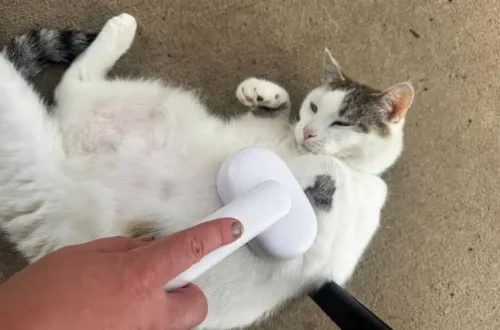
The Turkish Van Cat has a beautiful semi-long coat that is surprisingly easy to maintain. Unlike many long-haired breeds, the coat has very little undercoat, so it is less likely to become tangled or matted.
Even though grooming is relatively simple, regular coat care helps keep your Turkish Van healthy and comfortable.
Brushing
Brush your Turkish Van Cat once or twice a week to remove loose hair and keep the coat smooth.
Regular brushing helps:
- Remove loose fur
- Prevent small tangles
- Reduce hairballs
- Keep the coat shiny
- Promote healthy skin
During seasonal shedding, brushing more frequently can help control loose hair around your home.
Bathing
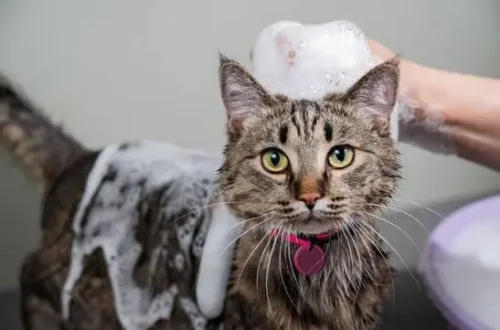
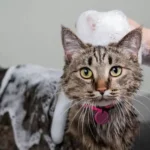
Because many Turkish Vans enjoy water, bathing is often easier than with other breeds. However, baths are only needed occasionally when the coat becomes dirty.
Always use a shampoo formulated specifically for cats.
Nail Trimming
Trim your cat’s nails every 2–4 weeks to prevent overgrowth and protect furniture.
Ear Cleaning
Check the ears weekly for dirt or wax buildup. Clean only when necessary using a veterinarian-approved ear cleaner.
Dental Care
Brushing your cat’s teeth several times each week helps reduce plaque and lowers the risk of dental disease.
Shedding
Although the Turkish Van Cat has a semi-long coat, it usually sheds less than many other long-haired breeds because it lacks a heavy undercoat.
Seasonal shedding is still normal, especially during spring and autumn.
Why Turkish Vans Shed
Common causes include:
- Seasonal coat changes
- Natural hair growth
- Nutrition
- Stress
- Hormonal changes
- General health
How to Reduce Shedding
You can help reduce loose fur by:
- Brushing regularly
- Feeding a balanced diet
- Providing fresh water daily
- Maintaining a healthy weight
- Scheduling routine veterinary checkups
Good grooming habits also help maintain the silky coat that makes the Turkish Van Cat so distinctive.
Exercise and Mental Stimulation
The Turkish Van Personality is energetic and intelligent, so this breed needs more daily activity than many other cats.
Daily Exercise
Aim for at least 20–30 minutes of active play each day.
Favorite activities include:
- Chasing feather toys
- Interactive wand toys
- Puzzle feeders
- Climbing cat trees
- Exploring shelves
- Playing with running water
Mental Enrichment
The Turkish Van Cat enjoys learning new routines and solving simple challenges.
Interactive toys and rotating play sessions help prevent boredom and destructive behavior.
Common Health Problems
The Turkish Van Cat is generally considered a healthy breed, but regular veterinary care is still essential.
Hypertrophic Cardiomyopathy (HCM)
Some cats may develop hypertrophic cardiomyopathy, a heart condition that affects the heart muscle.
Routine veterinary examinations help detect heart problems early.
Obesity
Because Turkish Vans enjoy food, overeating combined with insufficient exercise may lead to weight gain.
Daily activity and portion control help maintain a healthy body condition.
Dental Disease
Without regular dental care, plaque and tartar can lead to gum disease and tooth loss.
Ear and Skin Care
Routine grooming makes it easier to notice skin irritation, parasites, or ear problems before they become serious.
Lifespan
A healthy Turkish Van Cat typically lives between 12 and 17 years, although many enjoy even longer lives with excellent care.
Factors That Influence Lifespan
- Genetics
- High-quality nutrition
- Regular veterinary visits
- Daily exercise
- Healthy body weight
- Indoor living
- Preventive healthcare
Providing proper nutrition and enrichment allows your Turkish Van to stay active well into its senior years.
Diet and Nutrition
A balanced diet supports the overall health of a Turkish Van Cat, including its muscles, coat, and immune system.
Protein
Choose food with high-quality animal protein as the primary ingredient.
Wet vs. Dry Food
Many veterinarians recommend feeding a combination of wet and dry food to provide balanced nutrition while supporting hydration.
Portion Control
Measure meals carefully to avoid obesity, especially for indoor cats.
Fresh Water
Always provide clean drinking water. Many Turkish Vans enjoy moving water, so a pet fountain may encourage better hydration.
Nutrients for a Healthy Coat
Look for foods containing:
- Omega-3 fatty acids
- Omega-6 fatty acids
- Vitamin E
- Zinc
- High-quality protein
These nutrients help maintain the soft, water-resistant coat that is characteristic of the Turkish Van Cat.
Daily Care Checklist
Following a routine helps keep your Turkish Van Cat healthy and happy.
Every Day
- Provide fresh food and water.
- Spend time playing together.
- Clean the litter box.
- Observe your cat’s behavior.
Every Week
- Brush the coat.
- Check the ears.
- Inspect the eyes.
- Look for skin problems or parasites.
Every Month
- Trim nails.
- Check body weight.
- Clean grooming tools if needed.
Every Year
- Schedule a veterinary wellness examination.
- Keep vaccinations up to date.
- Discuss parasite prevention with your veterinarian.
Care Summary Table
| Care Task | Recommended Frequency |
|---|---|
| Brushing | 1–2 times weekly |
| Bathing | Only when needed |
| Nail Trimming | Every 2–4 weeks |
| Ear Check | Weekly |
| Teeth Brushing | Several times weekly |
| Veterinary Checkup | Once per year |
| Daily Play | 20–30 minutes |
Turkish Van Cat vs Turkish Angora
The Turkish Van Cat and the Turkish Angora are often confused because both originated in Türkiye and have beautiful coats. However, they are separate breeds with several important differences.
| Feature | Turkish Van Cat | Turkish Angora |
|---|---|---|
| Origin | Lake Van Region, Türkiye | Ankara, Türkiye |
| Body Type | Muscular and Athletic | Slim and Elegant |
| Coat | Semi-Long, Water-Resistant | Silky, Fine |
| Pattern | Traditional Van Pattern | Many Colors and Patterns |
| Energy Level | High | High |
| Love of Water | Very Common | Less Common |
| Grooming | Moderate | Moderate |
| Personality | Loyal, Playful, Independent | Social, Curious, Affectionate |
Although both breeds are intelligent and active, the Turkish Van Cat is especially famous for its attraction to water and powerful build.
Turkish Van Price
The Turkish Van Price depends on factors such as pedigree, breeder reputation, location, and bloodline.
Kitten Price
A pet-quality Turkish Van Cat from a reputable breeder typically costs between $800 and $2,500.
Show-quality kittens or rare bloodlines may cost even more.
Adoption
Although uncommon, you may occasionally find a Turkish Van through rescue organizations or breed-specific shelters. Adoption fees usually range from $100 to $400.
Initial Supplies
New owners should budget for:
- Food bowls
- Litter box
- Cat litter
- Carrier
- Scratching post
- Cat tree
- Toys
- Grooming brush
Annual Care Costs
Regular expenses include:
- Food
- Veterinary visits
- Vaccinations
- Parasite prevention
- Pet insurance (optional)
- Grooming supplies
Understanding the overall Turkish Van Price helps you prepare for responsible long-term ownership.
Pros and Cons
Pros
- Beautiful semi-long coat
- Intelligent and highly trainable
- Loyal to family members
- Enjoys interactive play
- Excellent jumper and climber
- Unique love of water
- Generally healthy breed
Cons
- Needs daily exercise
- Can become bored without enrichment
- Rare and sometimes difficult to find
- Requires regular grooming
- May not enjoy being carried for long periods
Is a Turkish Van Cat Right for You?
A Turkish Van Cat is an excellent choice for owners who want an active and intelligent companion.
This breed is especially suitable for:
- Active families
- Experienced cat owners
- Homes with climbing space
- Owners who enjoy interactive play
- People who can provide daily mental stimulation
The Turkish Van Personality is best suited to households that appreciate an energetic and curious pet rather than a cat that sleeps all day.
If you prefer a calm lap cat with lower activity needs, another breed may be a better match.
Final Verdict
The Turkish Van Cat is one of the most fascinating natural cat breeds in the world. Its striking appearance, athletic body, playful spirit, and unusual love of water make it unlike almost any other cat.
The friendly Turkish Van Personality, combined with intelligence and loyalty, makes this breed a wonderful companion for active households. Although the Turkish Van Price may be higher than some other breeds due to its rarity, many owners believe its unique qualities make it well worth the investment.
With proper nutrition, regular veterinary care, consistent grooming, and plenty of daily play, a Turkish Van Cat can be a healthy and devoted family member for many years.
Frequently Asked Questions (FAQs)
1. Are Turkish Van cats rare?
Yes. The Turkish Van Cat is considered a rare breed outside its native Türkiye.
2. Why do Turkish Van cats like water?
Many Turkish Vans naturally enjoy playing with water because of their history and their water-resistant coat, although individual preferences may vary.
3. What is the Turkish Van Personality like?
The Turkish Van Personality is intelligent, energetic, loyal, curious, and playful.
4. How big do Turkish Van cats get?
Adult males typically weigh 12–18 pounds, while females usually weigh 10–14 pounds.
5. Do Turkish Van cats shed?
Yes. The Turkish Van Cat sheds moderately, with heavier shedding during seasonal coat changes.
6. What is the average Turkish Van Price?
The average Turkish Van Price from a reputable breeder ranges from $800 to $2,500, depending on pedigree and location.
7. Are Turkish Van cats good family pets?
Yes. They usually get along well with active families, respectful children, and many other pets.
8. Are Turkish Van cats hypoallergenic?
No. The Turkish Van Cat is not considered a hypoallergenic breed.
9. How long do Turkish Van cats live?
Most live between 12 and 17 years with proper care.
10. Are Turkish Van cats good with dogs?
Many Turkish Vans adapt well to friendly dogs when introduced gradually.
11. Do Turkish Van cats enjoy being held?
Some enjoy short cuddle sessions, but many prefer interacting through play rather than sitting on laps for long periods.
12. What’s the difference between a Turkish Van and a Turkish Angora?
The Turkish Van Cat has a muscular body, traditional Van markings, and is well known for enjoying water, while the Turkish Angora has a slimmer build and different coat characteristics.
13. Are Turkish Van cats indoor cats?
Yes. They thrive indoors when provided with climbing structures, toys, and regular exercise.
14. How often should I groom a Turkish Van Cat?
Brushing once or twice each week is usually enough, with more frequent brushing during shedding seasons.
15. Is a Turkish Van Cat a good first pet?
Yes, provided the owner can meet its exercise, enrichment, and grooming needs. The breed’s intelligence and affectionate nature make it rewarding for committed first-time owners.