


Siberian Cats are admired for their beautiful coats, striking patterns, and wide range of colors. Originating from Russia, this natural breed is known for its thick triple coat, muscular body, and impressive appearance. One of the most fascinating aspects of the Siberian Cat is the variety of coat colors and patterns recognized by major cat registries. From solid black and pure white to silver tabbies and colorpoint variations, Siberian Cats display an incredible range of looks. Understanding Siberian Cat colors can help owners appreciate the breed’s diversity and identify common and rare color combinations.
Siberian Cat Colors Overview
The Siberian Cat is one of the most colorful cat breeds in the world. Unlike some breeds that are limited to a few accepted colors, Siberians can appear in almost every traditional feline color and pattern.
Their luxurious coat adds depth and richness to each color variation. Combined with their dense undercoat and long guard hairs, even simple colors can appear vibrant and unique. This diversity is one reason why the Siberian Breed remains popular among cat lovers worldwide.
How Many Colors Can a Siberian Cat Have?
Siberian Cats can be found in a wide variety of colors, including black, white, blue, cream, red, silver, brown, and combinations of these shades. Many coat patterns are also accepted, creating countless possible appearances.
Because the breed developed naturally over centuries in Siberia, a broad genetic pool contributed to the wide range of coat colors seen today. As a result, no single color defines the breed.
Most Common Siberian Cat Colors
Several coat colors are commonly seen in Siberian Cats. These colors are widely accepted by breeders and cat associations and are frequently found in pedigreed cats.
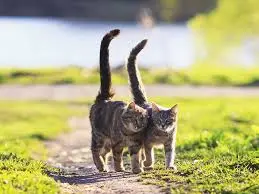
Brown tabby remains one of the most recognizable Siberian Cat colors. Black, silver, blue-grey, and red shades are also common. Many Siberians display a combination of colors rather than a solid coat.
Rare Siberian Cat Colors
Some Siberian Cat colors are less common and may be more difficult to find. These rare variations often attract attention because of their distinctive appearance.
Silver colorations, certain smoke patterns, and unique colorpoint combinations are considered less common. Rare colors do not necessarily increase the quality of the cat, but they can make individual cats stand out.
Siberian Cat Colors Chart
The following chart provides an overview of common color variations found in the breed.
| Color | Description |
| Black | Deep solid black coat |
| White | Pure white coat, sometimes with blue eyes |
| Orange/Red | Warm orange or reddish coat |
| Grey/Blue | Soft grey-blue appearance |
| Brown | Rich brown shades, often tabby |
| Silver | Light silver coat with darker tipping |
| Cream | Diluted version of red |
| Black and White | Bi-color combination |
| Calico | White with black and orange patches |
| Tuxedo | Black coat with white markings |
Siberian Cat Coat Patterns
Coat color and coat pattern are not the same thing. A color describes the shade of the fur, while a pattern refers to how the colors are arranged on the body.
Siberian Cats can display several different patterns, making each cat unique. Some patterns are more common than others, but all contribute to the breed’s beautiful appearance.
Tabby Pattern
The tabby pattern is one of the most common among Siberian Cats. It includes stripes, swirls, or spotted markings that create a distinctive appearance.
Many brown Siberian Cats display tabby markings. These patterns often become more noticeable as the cat matures.
Solid Pattern
A solid coat features a single color throughout the body. Black, white, blue, and cream are common examples of solid colors.
Solid-colored Siberians often showcase the richness and texture of the breed’s thick fur. Their coat can appear especially striking in natural light.
Tortoiseshell Pattern
Tortoiseshell Siberian Cats display a mixture of black and red or cream shades. The colors blend together to create a unique appearance.
No two tortoiseshell cats look exactly alike. Their patterns are highly individual and often considered visually striking.
Calico Pattern
A Calico Siberian Cat features white fur combined with black and orange patches. This colorful pattern is most commonly found in females.
The combination of three distinct colors creates a bold and attractive appearance. Calico coats are popular among many cat enthusiasts.
Tuxedo Pattern
The tuxedo pattern consists of a dark coat with white markings on the chest, paws, or face. A Tuxedo Siberian Cat often appears elegant and formal.
Although tuxedo is a pattern rather than a color, it remains one of the most recognizable coat styles in domestic cats.
Colorpoint Pattern
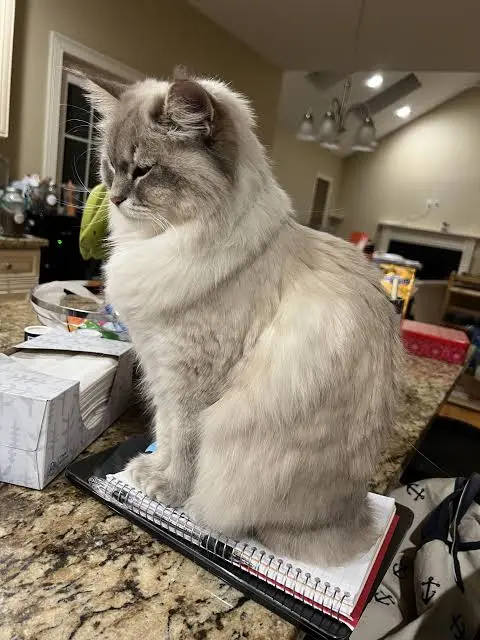
The colorpoint pattern is associated with the Neva Masquerade variety. These cats have lighter bodies with darker coloring on the face, ears, legs, and tail.
Their striking contrast and blue eyes make them particularly popular among Siberian Cat lovers.
Black Siberian Cat
A Black Siberian Cat has a rich, deep coat that highlights the breed’s luxurious fur texture. The thick coat often creates a dramatic appearance.
In bright sunlight, black coats may reveal subtle brown undertones. Their striking appearance makes them one of the most admired color variations.
White Siberian Cat
A White Siberian Cat displays a pure, snowy coat that emphasizes the breed’s majestic look. Their thick fur gives them an elegant appearance throughout the year.
White coats can be combined with different eye colors, including blue, green, gold, or odd eyes. These cats often attract attention because of their striking beauty.
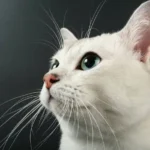
White Siberian Cat With Blue Eyes
A white Siberian Cat with blue eyes is one of the most visually impressive combinations in the breed. The contrast between the bright coat and vivid eyes creates a stunning appearance.
Blue eyes are particularly common in some colorpoint lines. However, they can also appear in certain solid white cats.
Orange Siberian Cat
An Orange Siberian Cat, often called a red Siberian, has a warm and vibrant coat color. The rich orange tones stand out beautifully against the breed’s thick fur.
Many orange Siberians also display tabby markings. These markings can add additional depth and character to their appearance.
Grey Siberian Cat
Grey Siberian Cats, commonly referred to as blue Siberians, have a soft and elegant coat color. Their fur often appears silvery under natural light.
This color is popular because of its refined and distinctive appearance. The dense coat enhances the richness of the grey shade.
Brown Siberian Cat
Brown is one of the most traditional Siberian Cat colors. Brown tabby patterns are especially common within the breed.
The combination of rich brown shades and classic tabby markings reflects the breed’s natural origins. Many people associate this color with the classic Siberian appearance.
Silver Siberian Cat
Silver Siberian Cats have a unique coat in which individual hairs feature light bases and darker tips. This creates a shimmering effect that stands out from other colors.
Silver coats may appear especially striking when paired with tabby patterns. Their distinctive appearance makes them highly sought after.
Calico Siberian Cat
A Calico Siberian Cat combines white, black, and orange colors in varying proportions. The exact arrangement differs from cat to cat.
Because every calico pattern is unique, no two cats look identical. This individuality adds to their appeal.
Tuxedo Siberian Cat
The Tuxedo Siberian Cat features a combination of dark and white fur arranged in a formal-looking pattern. White markings on the chest and paws are common.
Their elegant appearance often makes them a favorite among cat owners. The pattern works well with the breed’s thick and luxurious coat.
Black and White Siberian Cat
Black and white Siberian Cats display a classic bicolor pattern. The balance between dark and light fur creates a strong visual contrast.
The amount of white can vary significantly between individuals. Some cats have only small white markings, while others have large white areas.
White and Grey Siberian Cat
White and grey combinations create a soft and sophisticated appearance. The lighter colors complement the Siberian’s thick coat and powerful build.
This variation can appear in several different patterns, including bi-color and tabby combinations. The result is often both elegant and distinctive.
Neva Masquerade Siberian Cat Colors
The Neva Masquerade is a colorpoint variation of the Siberian Forest Cat. It is recognized for its pale body, darker points, and bright blue eyes.
Point colors may include seal, blue, red, cream, or tortie variations. The dramatic contrast between the body and points gives these cats a unique appearance within the breed.
Do Siberian Cat Colors Change With Age?
Some Siberian Cat colors may appear different as the cat matures. Kittens often experience coat changes during their first few years of life.
Colorpoint cats can develop darker markings over time. Certain tabby and silver patterns may also become more noticeable as the coat reaches full maturity.
Do Coat Colors Affect Personality or Health?
Coat color does not determine a Siberian Cat’s personality. Traits such as temperament, intelligence, and behavior are influenced more by genetics, environment, and socialization.
Similarly, color alone does not determine overall health. Responsible breeding practices and proper care are far more important factors in maintaining a healthy cat.
Final Thoughts
Siberian Cat colors are one of the breed’s most fascinating features. From black, white, orange, grey, and silver coats to striking patterns such as tabby, calico, tuxedo, and colorpoint, the breed offers an incredible variety of appearances. This diversity makes every Siberian Cat unique while preserving the strong, majestic characteristics that define the breed.
Whether you prefer a classic brown tabby, a stunning white cat with blue eyes, or an elegant Neva Masquerade, understanding Siberian Cat colors can help you appreciate the beauty and uniqueness of this remarkable breed.
FAQS
What colors can a black Siberian Cat have?
A black Siberian Cat may have a solid black coat or black combined with white markings. Some black coats can also show subtle brown tones in sunlight due to natural fading.
What are the rare Siberian Cat colors?
Rare Siberian Cat colors include silver, smoke, golden, and certain Neva Masquerade colorpoint variations. These colors are less common but are recognized in the breed.
What colors and patterns do Siberian Cats come in?
Siberian Cats come in many colors, including black, white, orange, grey, brown, cream, and silver. Common patterns include tabby, calico, tuxedo, tortoiseshell, bi-color, and colorpoint.
What is the most common Siberian Cat color?
Brown tabby is one of the most common Siberian Cat colors. Its natural appearance and distinctive markings are frequently seen in the breed.
Can Siberian Cat colors change as they grow?
Yes, some Siberian Cats experience coat color changes as they mature. Patterns may become more defined, and colorpoint cats often develop darker markings over time.