




Chantilly-Tiffany Cat
Introduction
The Chantilly-Tiffany Cat was a graceful domestic breed admired for its silky semi-long coat, gentle temperament, and deep bond with its owners. Often called the Chantilly Tiffany or Tiffany Cat Breed, it became known for its elegant appearance and calm personality rather than extreme physical features. Unlike many long-haired cats, its coat lacked a thick undercoat, making grooming easier while still giving it a luxurious appearance. Although the breed developed a loyal following, it remained extremely rare and is now considered extinct after its final breeding program ended. Even today, the Chantilly-Tiffany continues to fascinate cat lovers because of its unique history and affectionate nature.
What Is a Chantilly-Tiffany Cat?
The Chantilly-Tiffany Cat was a medium-sized domestic breed recognized for its silky coat, expressive golden eyes, and friendly personality.
Despite occasional confusion with other breeds using the name “Tiffany,” the Chantilly-Tiffany developed its own unique identity in North America. It was never related to the Burmese as once believed, although that misconception existed for many years.
Key Characteristics
- Semi-long silky coat
- Medium-sized body
- Golden or green eyes
- Gentle personality
- Loyal companion
- Moderate activity level
- Soft voice
- Family-friendly nature
The Long Haired Cat was admired for combining elegance with an affectionate temperament.
Chantilly-Tiffany Cat History
The Chantilly-Tiffany Cat originated in North America during the late 1960s.
Its history began when breeder Jennie Robinson acquired two chocolate-colored long-haired cats of unknown ancestry. These cats later produced kittens that shared the same rich coat color and attractive appearance. As breeding continued, the cats were first known as the Foreign Longhair, then simply Tiffany, before eventually becoming known as the Chantilly-Tiffany to avoid confusion with another breed already called Tiffany.
Although dedicated breeders worked to preserve the breed, its small population made survival difficult. Several breeding programs ended over time, and by around 2015 the final documented breeding line had disappeared, leaving the breed extinct.
While the Chantilly-Tiffany Cat is admired for its silky coat and gentle nature, the Selkirk Rex is known for its distinctive curly fur, playful temperament, and loving personality.
Appearance
The Chantilly-Tiffany Cat had an elegant yet muscular body with balanced proportions.
Its silky coat and expressive eyes created a graceful appearance that distinguished it from many other semi-longhaired breeds.
Body
The breed featured a medium-sized body with moderate muscle and a balanced frame.
Head
The head formed a softly modified wedge with rounded contours.
Eyes
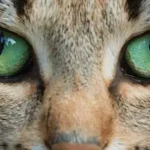
Large oval-shaped eyes were usually:
- Gold
- Amber
- Yellow-green
- Green
Eye color often became richer as the cat matured.
Ears
Medium-sized ears displayed attractive furnishings of longer fur.
Tail
The tail was long, fully plumed, and blended naturally into the silky body coat.
Coat
The coat was:
- Silky
- Semi-long
- Soft
- Fine
- Single-coated
Unlike many other long-haired breeds, the Chantilly Tiffany lacked a dense undercoat, making grooming considerably easier.
Coat Colors & Patterns
The original Chantilly-Tiffany Cat appeared in a rich chocolate color, but later breeding expanded the accepted colors.
Common Colors
- Chocolate
- Blue
- Black
- Cinnamon
- Lilac
- Fawn
Patterns
Accepted coat patterns included:
- Solid
- Tabby
The coat always maintained its silky texture regardless of color.
Chantilly-Tiffany Personality
The Chantilly Tiffany developed a reputation as one of the most loyal companion cats.
Affectionate
These cats often formed deep attachments to one or two family members.
Gentle
Their calm temperament made them pleasant companions for quiet households.
Intelligent
They learned routines quickly and enjoyed interactive toys.
Talkative
Instead of loud meows, they usually communicated through soft chirps and gentle trills.
Playful
Although not hyperactive, they enjoyed daily games and interactive play.
Social
The Tiffany Cat Breed generally adapted well to respectful children and other household pets.
Why Was the Chantilly-Tiffany Unique?
Several characteristics made the Chantilly-Tiffany Cat stand apart.
Its defining features included:
- Silky semi-long coat
- No heavy undercoat
- Golden eyes
- Soft vocalizations
- Loyal personality
- Elegant appearance
The breed offered the beauty of a Long Haired Cat without requiring intensive grooming.
Was the Chantilly-Tiffany a Good Family Pet?
The Chantilly Tiffany was widely appreciated as a family companion.
It adapted well to:
- Families
- Couples
- Singles
- Seniors
- Homes with children
- Multi-pet households
Because these cats formed close emotional bonds, they preferred spending time with their owners rather than remaining alone for extended periods.
Chantilly-Tiffany Cat Size
The Chantilly-Tiffany Cat was considered a medium-sized breed.
Average Height
- 8–10 inches
Average Weight
- Females: 8–12 pounds
- Males: 8–15 pounds
Growth Stages
Kitten (0–6 Months)
Rapid growth with playful exploration.
Junior (6–18 Months)
The coat gradually became fuller while muscle development continued.
Adult (18–24 Months)
Most reached full maturity around two years of age, with the coat continuing to improve over time.
Quick Facts
| Feature | Details |
|---|---|
| Origin | North America |
| Breed Type | Domestic Purebred |
| Coat | Semi-long |
| Weight | 8–15 lbs |
| Lifespan | 11–15 Years |
| Grooming | Moderate |
| Shedding | Low to Moderate |
| Personality | Loyal, Gentle, Affectionate |
Why Is the Chantilly-Tiffany Still Remembered?
Although the Chantilly-Tiffany Cat is no longer an active breed, it remains well known among cat enthusiasts because of its elegant appearance, affectionate temperament, and fascinating history. The Tiffany Cat Breed demonstrated that a beautiful long-haired cat could also be calm, intelligent, and deeply devoted to its family, leaving a lasting place in feline history.
Grooming & Coat Care
The Chantilly-Tiffany Cat had a silky semi-long coat that was much easier to maintain than many other long-haired breeds. Because it lacked a thick undercoat, tangles and mats were less common.
A regular grooming routine helped keep the coat healthy while reducing loose hair.
Brushing
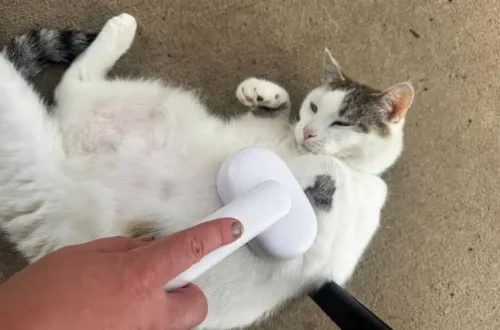
Brush your cat two to three times each week using a wide-tooth comb or a soft slicker brush.
Regular brushing helped:
- Remove loose fur
- Prevent small tangles
- Maintain the silky texture
- Distribute natural skin oils
- Strengthen the bond between owner and cat
Although grooming was fairly simple, regular brushing kept the coat looking its best.
Bathing
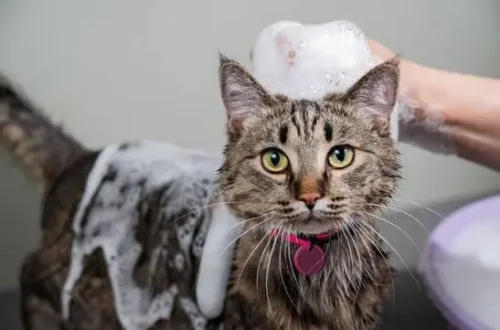
The Chantilly Tiffany rarely required frequent baths.
Bathing was recommended only when:
- The coat became unusually dirty
- Recommended by a veterinarian
- The cat could not groom itself properly
Always use a gentle shampoo made specifically for cats.
Ear Cleaning
Check the ears weekly for:
- Wax buildup
- Dirt
- Redness
- Unpleasant odor
Clean gently with veterinarian-approved ear-cleaning products.
Nail Trimming
Trim the nails every 2–4 weeks to keep the paws healthy and comfortable.
Dental Care
Brush your cat’s teeth several times each week to reduce plaque and support long-term dental health.
Shedding
The Chantilly-Tiffany Cat was generally considered a low to moderate shedder.
Does a Chantilly-Tiffany Shed?
Yes, but shedding was usually lighter than many long-haired breeds because the coat lacked a dense undercoat.
Seasonal shedding sometimes increased slightly during spring and autumn.
Managing Shedding
To minimize loose hair:
- Brush regularly.
- Feed a balanced diet.
- Provide fresh water daily.
- Schedule routine veterinary care.
- Wash bedding frequently.
Proper grooming helped maintain the beautiful silky coat.
Exercise & Mental Stimulation
The Chantilly Tiffany enjoyed regular play but was generally calmer than many highly active breeds.
Daily Exercise
Around 20–40 minutes of interactive play each day was usually enough.
Favorite activities included:
- Feather wand toys
- Puzzle feeders
- Soft balls
- Interactive mice
- Cat tunnels
- Gentle chasing games
Climbing
Although not extreme climbers, these cats enjoyed elevated resting places.
Provide:
- Cat trees
- Window perches
- Scratching posts
- Comfortable shelves
These encouraged healthy movement while satisfying natural curiosity.
Mental Enrichment
The intelligent Tiffany Cat Breed benefited from:
- Puzzle toys
- Interactive feeders
- Toy rotation
- Clicker training
- Daily interaction
Mental stimulation helped prevent boredom while encouraging positive behavior.
Common Health Problems
The Chantilly-Tiffany Cat was generally considered a healthy breed, with relatively few inherited disorders documented.
However, routine veterinary care remained important throughout life.
Dental Disease
Without regular brushing, plaque and tartar could lead to gum disease.
Consistent dental care greatly reduced this risk.
Obesity
Indoor cats could become overweight if they consumed excess calories without enough activity.
Maintaining a healthy weight supported overall wellness.
Hairballs
Because of the semi-long coat, some individuals occasionally developed hairballs.
Regular brushing helped reduce swallowed hair during grooming.
Stress Sensitivity
The breed formed strong emotional attachments and sometimes became stressed when left alone for extended periods.
Providing companionship and environmental enrichment helped reduce anxiety.
Routine Veterinary Care
Schedule regular examinations that include:
- Physical checkups
- Vaccinations
- Dental evaluations
- Parasite prevention
- Weight monitoring
Preventive care helped identify health concerns early.
Lifespan
A healthy Chantilly-Tiffany Cat typically lived between 11 and 15 years with proper care.
Factors That Influenced Lifespan
- Genetics
- Balanced nutrition
- Preventive veterinary care
- Healthy body weight
- Indoor living
- Regular exercise
Consistent care supported both longevity and quality of life.
Diet & Nutrition
Proper nutrition supported the muscles, coat, immune system, and overall health of the Chantilly Tiffany.
High-Quality Protein
Choose foods that list animal protein as the primary ingredient.
Protein supports:
- Lean muscle
- Healthy growth
- Strong immunity
Wet vs. Dry Food
Many veterinarians recommend combining wet and dry food to provide balanced nutrition while supporting hydration.
Portion Control
Feed measured portions according to:
- Age
- Activity level
- Body condition
- Veterinary recommendations
Maintaining a healthy weight helped reduce the risk of obesity.
Fresh Water
Always provide clean drinking water throughout the day.
Good hydration supported kidney function and overall health.
Nutrients That Support Coat Health
Look for foods containing:
- Omega-3 fatty acids
- Omega-6 fatty acids
- Taurine
- Vitamin E
- High-quality protein
These nutrients helped maintain the silky coat and healthy skin.
Daily Care Checklist
A simple routine helped keep the Chantilly-Tiffany Cat healthy and comfortable.
Every Day
- Provide fresh food and water.
- Spend time playing together.
- Scoop the litter box.
- Observe appetite and behavior.
Every Week
- Brush the coat.
- Check the ears.
- Brush the teeth.
- Inspect the coat and skin.
Every Month
- Trim nails.
- Monitor body weight.
- Clean grooming tools.
Every Year
- Schedule a veterinary wellness examination.
- Update vaccinations.
- Continue parasite prevention.
- Review nutritional needs with your veterinarian.
Care Summary Table
| Care Task | Recommended Frequency |
|---|---|
| Brushing | 2–3 times weekly |
| Bathing | As needed |
| Ear Inspection | Weekly |
| Nail Trimming | Every 2–4 weeks |
| Teeth Brushing | Several times weekly |
| Veterinary Checkup | Once yearly |
| Daily Exercise | 20–40 minutes |
Chantilly-Tiffany Cat vs Nebelung
The Chantilly-Tiffany Cat and the Nebelung are sometimes confused because both have elegant semi-long coats. However, they are separate breeds with different histories and physical characteristics.
| Feature | Chantilly-Tiffany Cat | Nebelung |
|---|---|---|
| Origin | North America | United States |
| Coat | Silky semi-long | Long, dense double coat |
| Undercoat | Minimal | Thick |
| Eye Color | Gold, amber, green | Green |
| Personality | Gentle, loyal, affectionate | Quiet, reserved, intelligent |
| Grooming | Moderate | Moderate to high |
Although both breeds are affectionate companions, the Chantilly Tiffany was known for its silky single coat and soft vocalizations.
Why Did the Chantilly-Tiffany Become Extinct?
One of the most unusual facts about the Chantilly-Tiffany Cat is that the breed is now considered extinct.
Because the breeding population remained very small, maintaining healthy bloodlines became increasingly difficult. Several dedicated breeders worked to preserve the breed over the years, but unexpected setbacks, including the loss of breeding cats and breeding facilities, eventually ended organized breeding programs.
By approximately 2015, no active breeding lines remained, and the breed disappeared. Today, it survives mainly through historical records, photographs, and the memories of former owners.
Was the Chantilly-Tiffany Rare?
Yes.
Even during its most successful years, the Tiffany Cat Breed was never common.
Limited breeding programs and a relatively small population meant that very few kittens were available each year. This rarity contributed to its popularity among dedicated cat enthusiasts while also making long-term preservation difficult.
Pros and Cons
Pros
- Beautiful silky coat
- Gentle temperament
- Loyal companion
- Moderate grooming needs
- Intelligent personality
- Quiet voice
- Family-friendly nature
Cons
- Extremely rare
- Breed is now extinct
- Strong attachment to owners
- May dislike long periods alone
- Limited historical breeding population
Would the Chantilly-Tiffany Have Been a Good Pet?
The Chantilly Tiffany was highly regarded as a loving companion.
The breed suited:
- Families
- Couples
- Singles
- Seniors
- Quiet households
- Multi-pet homes
Because these cats developed close relationships with their owners, they generally preferred homes where someone was available for regular companionship and interaction.
Legacy of the Chantilly-Tiffany Cat
Although the Chantilly-Tiffany Cat is no longer an active breed, its legacy continues within the cat community.
Breeders and historians remember the breed for:
- Elegant appearance
- Silky coat
- Gentle personality
- Calm temperament
- Unique history
- Loyal companionship
The story of the breed also highlights the importance of maintaining healthy breeding populations to preserve rare domestic cat breeds for future generations.
Final Verdict
The Chantilly-Tiffany Cat remains one of the most fascinating breeds in domestic cat history. Its silky coat, affectionate personality, and graceful appearance earned it a loyal following despite its small population.
Although the breed is now considered extinct, the Chantilly Tiffany continues to be admired by cat enthusiasts around the world. Its gentle temperament, moderate grooming needs, and deep loyalty made it a wonderful companion and an important part of feline breeding history.
Frequently Asked Questions (FAQs)
1. What is a Chantilly-Tiffany Cat?
The Chantilly-Tiffany Cat was a rare North American domestic breed known for its silky semi-long coat and affectionate personality.
2. Is the Chantilly-Tiffany extinct?
Yes. The breed is widely considered extinct after the final known breeding program ended around 2015.
3. Why did the Chantilly-Tiffany become extinct?
The breed had a very small breeding population, and over time the remaining breeding lines disappeared, making continued preservation impossible.
4. Was the Chantilly-Tiffany related to the Burmese?
No. Although people once believed there was a connection, later research showed that the breed was not descended from Burmese cats.
5. How big was a Chantilly-Tiffany Cat?
Most adults weighed between 8 and 15 pounds.
6. Did the Chantilly-Tiffany shed a lot?
No. Shedding was usually low to moderate because the coat lacked a thick undercoat.
7. Was the Chantilly-Tiffany hypoallergenic?
No. Like all cats, it produced allergens and was not considered hypoallergenic.
8. How long did a Chantilly-Tiffany live?
Most lived between 11 and 15 years with proper care.
9. Was the Chantilly-Tiffany easy to groom?
Yes. Regular brushing two or three times each week was usually enough to maintain the silky coat.
10. Did the Chantilly-Tiffany get along with children?
Yes. The breed was generally gentle and affectionate with respectful children.
11. Was the Chantilly-Tiffany an active breed?
It enjoyed daily play but was generally calmer than many highly energetic breeds.
12. What made the Chantilly-Tiffany unique?
Its silky semi-long coat, soft voice, loyal personality, and lack of a dense undercoat distinguished it from many other long-haired breeds.
13. Could the Chantilly-Tiffany live indoors?
Yes. Indoor living was ideal because it provided safety while allowing the cat to remain close to its family.
14. Why is the Chantilly-Tiffany still remembered?
The breed remains famous for its unusual history, elegant appearance, and affectionate temperament, despite having become extinct.
15. Is it possible to buy a Chantilly-Tiffany today?
No. Since the breed is considered extinct, genuine Chantilly-Tiffany Cat kittens are no longer available from recognized breeding programs.