






Cat Zoomies: What Are They?
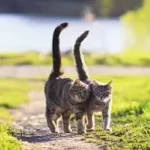
Have you ever watched your cat suddenly race through the house as if something invisible is chasing them? One moment your cat is peacefully sleeping on the sofa, and the next it is sprinting down the hallway, jumping onto furniture, and making sharp turns around the room. This funny behavior is known as cat zoomies, and it is usually a normal part of feline behavior. These sudden bursts of activity are also called frenetic random activity periods, or FRAPs.
Although cat zoomies can look completely random, there are several reasons behind them. Your cat may be releasing built-up energy, responding to its natural hunting instincts, becoming active after sleeping, or simply enjoying a burst of playfulness.
What Do Cat Zoomies Look Like?
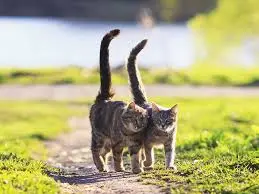
Cat zoomies can look different from one cat to another, but they usually involve a sudden increase in physical activity.
Your cat might:
- Sprint across the room
- Run through the hallway
- Jump onto furniture
- Chase its tail
- Run in circles
- Bounce off furniture
- Pounce on toys
- Climb suddenly
- Chase an imaginary target
- Race from one room to another
Some cats may also meow, chirp, or make other noises during these energetic episodes.
The behavior often starts suddenly and ends just as quickly.
After several minutes of running around, your cat may simply stop, groom itself, eat, or go back to sleep.
Why Do Cats Get Zoomies?
So, why do cats get zoomies if they seem to appear out of nowhere?
There is not always one specific reason.
Common causes include:
- Built-up energy
- Natural hunting instincts
- Waking up from sleep
- Playfulness
- Boredom or under-stimulation
- Normal daily activity patterns
- Excitement
- Stress or overstimulation in some situations
- Activity around the litter box
- Individual personality
Let’s look at the most common reasons in detail.
Cats can show affection in many different ways, so check out our Cat Making Biscuits guide to understand why cats knead with their paws and what this behavior means.
1. Built-Up Energy
One of the most common explanations for cat zoomies is excess energy.
Cats spend a large part of their day sleeping or resting. When they wake up, they may suddenly have plenty of energy that needs an outlet.
Instead of slowly walking around the house, a cat may release that energy through a short burst of intense running.
This is especially common in:
- Kittens
- Young cats
- Active breeds
- Indoor cats
- Cats with limited daily exercise
Cats Protection notes that zoomies are particularly common in younger and indoor cats.
2. Hunting Instincts
Cats are natural predators.
Even a house cat that receives regular meals still has instincts to:
- Stalk
- Chase
- Pounce
- Run
- Catch
In the wild, cats often use short bursts of intense activity while hunting.
Your indoor cat does not need to chase prey to survive, but those instincts are still part of its natural behavior.
This can explain why a cat suddenly races around the house as though it is chasing something.
So when you’re asking why do cats get zoomies, natural predatory behavior is an important part of the answer.
3. After a Long Nap
Cats are famous for sleeping.
After spending hours resting, your cat may suddenly wake up with a lot of energy.
This can trigger cat zoomies shortly after:
- A nap
- Waking in the morning
- Waking from an afternoon sleep
- Getting up after resting on the sofa
Hill’s explains that cats may experience bursts of energy after sleeping because rest allows them to conserve energy.
Your cat may therefore go from:
Sleeping → waking up → stretching → zooming around the house.
4. Your Cat Wants to Play
Sometimes cat zoomies are simply a form of play.
Your cat may suddenly become interested in:
- Chasing a toy
- Running after another cat
- Jumping on furniture
- Pouncing on objects
- Exploring the house
This is especially common in young cats.
If your cat looks alert, playful, and comfortable during the episode, the behavior is usually not something to fear.
5. Boredom or Under-Stimulation
Indoor cats have fewer opportunities to naturally explore and hunt.
If a cat does not receive enough:
- Exercise
- Play
- Mental stimulation
- Environmental enrichment
it may accumulate unused energy.
That energy can sometimes come out as cat zoomies.
Cats Protection explains that occasional zoomies are normal, but daily zoomies may sometimes indicate that an indoor cat is under-stimulated or frustrated.
This does not mean every cat with frequent zoomies is unhappy.
Instead, look at the overall lifestyle and behavior.
6. Why Do Cats Get Zoomies at Night?
Many owners notice that their cat suddenly becomes extremely active at night.
This can be confusing because humans generally expect cats to sleep during the night.
Cats, however, are naturally most active around dawn and dusk.
These periods are sometimes called crepuscular activity periods.
Therefore, a cat may become energetic:
- Early in the morning
- Around sunset
- During the evening
- Occasionally during the night
This natural activity pattern can contribute to nighttime cat zoomies.
7. Why Do Cats Get Zoomies in the Morning?
Morning zoomies are common because your cat may have just finished a long period of rest.
After waking up, the cat may want to:
- Stretch
- Explore
- Play
- Eat
- Chase
- Release energy
A morning burst of activity is usually normal if your cat otherwise behaves normally.
8. Why Do Cats Get Zoomies After Pooping?
Some cats run around immediately after using the litter box.
This behavior is sometimes called “poop zoomies” or “poophoria.”
The exact reason is not completely established.
Several explanations have been proposed, including:
- Feeling relieved
- A sudden change in body sensation
- A natural burst of activity
- Moving away from the litter area
- Normal excitement after using the bathroom
The behavior has also been observed as a common type of cat zoomies episode.
If your cat otherwise uses the litter box normally and has no signs of illness, post-litter-box running is generally not a reason for concern.
9. Excitement Can Trigger Zoomies
Excitement may also lead to sudden running.
For example, your cat may become energetic when:
- You come home
- You open a favorite toy box
- Another pet starts playing
- A bird appears outside the window
- You begin preparing food
The sudden stimulation can trigger a short burst of activity.
This type of crazy cat behavior is often temporary.
10. Stress Can Sometimes Affect Zoomies
Although cat zoomies are usually normal, sudden energetic behavior can sometimes occur during stressful situations.
A cat experiencing stress may show other signs such as:
- Hiding
- Excessive grooming
- Changes in appetite
- Avoiding people
- Vocalizing more than usual
- Restlessness
Stress-related behavior should not be diagnosed from zoomies alone.
Look at the complete pattern.
If the sudden running is accompanied by major behavioral changes, consider whether something in the environment has changed.
Are Cat Zoomies Normal?
Yes.
For most healthy cats, occasional cat zoomies are completely normal.
A cat may suddenly run around for a few minutes and then return to normal behavior.
Normal zoomies are generally:
- Brief
- Energetic
- Playful
- Occasional
- Followed by normal behavior
Your cat may then calmly:
- Groom itself
- Eat
- Drink
- Sleep
- Sit beside you
That quick return to normal is generally reassuring.
Cat Zoomies in Kittens
Kittens are especially famous for cat zoomies.
They have:
- High energy levels
- Strong play instincts
- Developing coordination
- Curiosity
- A strong desire to explore
A kitten may run around the room several times a day.
This is usually part of normal development.
Providing safe toys, climbing opportunities, and interactive play can help a kitten use its energy appropriately.
Cat Zoomies in Adult Cats
Adult cats can also have zoomies.
The frequency may vary according to:
- Age
- Personality
- Exercise
- Environment
- Health
- Play opportunities
An adult cat that occasionally races around the house can still be perfectly healthy.
However, if an older cat suddenly develops a major change in activity or behavior, it deserves more attention than the same behavior in a young, energetic cat.
Cat Zoomies in Indoor Cats
Indoor cats can have especially noticeable cat zoomies.
Because they do not spend their day hunting, exploring large territories, or chasing prey outdoors, they may have fewer natural outlets for physical activity.
That does not mean indoor living is bad for cats.
Instead, indoor cats benefit from enrichment such as:
- Interactive toys
- Scratching posts
- Cat trees
- Puzzle feeders
- Safe climbing spaces
- Regular play sessions
These activities can help satisfy both physical and mental needs.
Crazy Cat Behavior or Normal Activity?
Watching your cat race around the house can definitely look like crazy cat behavior.
But “crazy” does not necessarily mean unhealthy.
A healthy zoomie episode may look dramatic because cats can accelerate quickly and change direction suddenly.
The important question is:
Does your cat return to normal afterward?
If yes, occasional zoomies are usually simply part of normal feline behavior.
Quick Cat Zoomies Checklist
Usually Normal
- Short bursts of running
- Playful body language
- Happens after sleep
- Happens around morning or evening
- Cat returns to normal afterward
- Normal eating and drinking
- Normal litter-box habits
Worth Watching
- Zoomies suddenly become much more frequent
- Cat seems frightened rather than playful
- Running happens with excessive vocalization
- Cat appears disoriented
- Appetite changes
- Hiding increases
- Other unusual symptoms appear
The second group does not automatically mean illness, but it deserves closer observation.
Key Takeaway
Cat zoomies are sudden bursts of energetic activity that are common in cats. They can happen because of built-up energy, hunting instincts, play, waking from sleep, excitement, or simply a cat’s natural activity pattern.
If you have been wondering why cats get zoomies, the answer is usually much simpler than it looks: your cat is using energy in a way that comes naturally to it.
Occasional zoomies are generally normal. Frequent or dramatically changed behavior, especially when accompanied by other symptoms, deserves closer attention.
How to Manage Cat Zoomies
Occasional cat zoomies are usually nothing to worry about. However, if your cat is running around the house every day, especially because it has limited opportunities for exercise and stimulation, you may want to provide more outlets for its natural energy.
The goal is not necessarily to eliminate every burst of running. Instead, you want to make sure your cat has enough opportunities to play, explore, climb, hunt, and rest safely.
Should You Stop Cat Zoomies?
Usually, no.
If your cat suddenly runs around for a few minutes and then returns to normal, there is generally no need to stop the behavior.
Cat zoomies are a natural way for cats to release energy.
Trying to physically stop a playful cat may actually make the situation more stressful.
Instead, focus on giving your cat appropriate ways to use its energy.
How to Reduce Frequent Cat Zoomies
If your cat is having very frequent zoomies, start by looking at its daily routine.
Ask:
- Does my cat get regular play?
- Does it have toys available?
- Can it climb and explore?
- Does it have opportunities to hunt for food?
- Does it spend most of the day alone?
- Does it have places to hide and rest?
If the answer to several of these questions is no, your cat may benefit from additional enrichment.
Cats Protection explains that frequent daily zoomies can sometimes indicate boredom, frustration, or under-stimulation.
1. Give Your Cat Several Short Play Sessions
One long play session is not necessarily the best option.
Instead, try several shorter sessions throughout the day.
For example:
- 5 minutes in the morning
- 5 minutes in the afternoon
- 5–10 minutes in the evening
This gives your cat multiple opportunities to use its natural hunting and chasing instincts.
Cats Protection specifically recommends spreading short play sessions throughout the day rather than relying on one long session.
2. Use Interactive Toys
Interactive toys can make play more interesting.
Good options include:
- Wand toys
- Fishing-rod toys
- Kicker toys
- Balls
- Small moving toys
- Puzzle toys
The goal is to imitate parts of a natural hunting sequence:
See → stalk → chase → catch
This can make play more satisfying than simply leaving a toy on the floor.
3. Let Your Cat Catch the Toy
One important part of play is allowing your cat to actually catch its “prey.”
If your cat constantly chases something but can never catch it, the activity may become frustrating.
Cats Protection specifically recommends allowing cats to catch toys during play rather than making the entire session an endless chase.
So if you use a wand toy, occasionally let your cat grab it.
This gives the play session a satisfying ending.
4. Be Careful With Laser Pointers
Laser pointers can encourage chasing, but they do not give your cat something physical to catch.
If you use one, consider ending the game by directing your cat toward a physical toy or another safe object it can actually catch.
The important thing is to give the hunting sequence a satisfying conclusion.
5. Create an Enrichment Area
An indoor cat does not need a huge house to stay active.
You can create a simple enrichment area with:
- A scratching post
- A cat tree
- A window perch
- Cardboard boxes
- Safe toys
- A comfortable hiding place
Different heights are particularly useful because cats often enjoy climbing and observing their surroundings from above.
6. Give Your Cat Places to Climb
Vertical space can make an indoor environment more interesting.
Consider providing:
- Cat trees
- Shelves
- Window perches
- Secure furniture
- Climbing structures
A cat that can move vertically has more opportunities to explore than one limited to the floor.
This can help provide mental and physical stimulation during the day.
7. Use Puzzle Feeders
Food can become an enrichment activity instead of simply appearing in a bowl.
Puzzle feeders can encourage cats to work for part of their food.
They can provide both:
- Mental stimulation
- Physical activity
Cats Protection recommends puzzle feeders as one way to make feeding more stimulating.
Hill’s also notes that interactive and food-dispensing toys can support mental stimulation and physical activity.
8. Feed Smaller Meals More Often
Some cats benefit from having several smaller meals throughout the day rather than only a couple of large meals.
Cats Protection suggests feeding little and often as another way to create a more natural feeding routine and provide opportunities for enrichment.
If your cat’s diet or feeding schedule is medically restricted, follow your veterinarian’s recommendations instead.
9. Train Your Cat
Training is not only for dogs.
Cats can learn simple behaviors using positive reinforcement.
You can teach your cat things such as:
- Sit
- Touch
- Come
- Go to a mat
- High five
Short training sessions provide mental stimulation.
Cats Protection recommends positive reinforcement rather than punishment when training cats.
10. Create a Safe Window Area
A secure window perch can give your cat something interesting to watch.
Your cat may observe:
- Birds
- Insects
- People
- Trees
- Outdoor movement
This can provide mental stimulation without requiring outdoor access.
However, be careful if your cat becomes extremely frustrated by seeing other cats outside.
Why Do Cats Get Zoomies at Night?
Nighttime cat zoomies can be frustrating when you are trying to sleep.
Cats naturally tend to be active around dawn and dusk, and indoor cats may also have unused energy after spending much of the day resting.
If your cat regularly wakes you with running and jumping, look at its daytime routine.
A cat that sleeps most of the day with little stimulation may have plenty of energy left at night.
How to Reduce Nighttime Cat Zoomies
You can try creating a predictable evening routine.
For example:
Step 1: Play
Have an interactive play session before bedtime.
Step 2: Let Your Cat Catch
Allow your cat to finish the game by catching a physical toy.
Step 3: Feed
Offer an appropriate meal afterward if it fits your cat’s normal feeding schedule.
Step 4: Quiet Environment
Reduce unnecessary noise and stimulation afterward.
This routine can help provide a more structured outlet for evening energy.
It will not necessarily eliminate every nighttime zoomie, but it can help some cats settle.
What If My Cat Gets Zoomies After Pooping?
Post-litter-box cat zoomies are fairly common.
If your cat uses the litter box normally and then suddenly runs around for a short time, it is usually not a reason for concern.
However, pay attention if running after using the litter box happens alongside:
- Straining
- Crying
- Frequent trips to the box
- Blood in urine
- Diarrhea
- Constipation
- Other obvious discomfort
In that situation, the issue may not be the zoomies themselves.
Your cat may be experiencing discomfort related to elimination.
Cat Zoomies Safety Checklist
A fast-moving cat can accidentally hurt itself.
Before allowing your cat to race around the house, check the environment.
Remove Dangerous Objects
Keep sharp objects, loose wires, and unstable items away from areas where your cat runs.
Secure Furniture
Make sure tall furniture cannot easily tip over.
Close Dangerous Openings
Block access to unsafe gaps, balconies, or windows.
Remove Breakable Items
Move fragile objects away from shelves and surfaces that your cat can reach.
Keep Floors Clear
Small objects can become dangerous if your cat accidentally swallows them.
Protect Your Cat From Slippery Floors
Cats can run extremely fast during cat zoomies.
Hard, slippery flooring may make sharp turns more difficult.
If your cat repeatedly loses traction, consider adding rugs or other secure surfaces in areas where it frequently runs.
This can provide better grip during sudden changes of direction.
Keep Doors and Windows Secure
A cat experiencing a burst of energy may suddenly run toward an open door.
Make sure:
- Exterior doors are closed
- Windows have secure screens
- Balconies are inaccessible or safely enclosed
- Escape routes are blocked
This is particularly important for indoor cats.
A few seconds of uncontrolled running can be enough for a cat to escape.
Is Crazy Cat Behavior Always a Problem?
No.
The phrase crazy cat behavior can make normal feline activity sound unhealthy.
Cats naturally:
- Sprint
- Jump
- Chase
- Climb
- Pounce
- Explore
A short burst of these behaviors can simply be part of normal feline life.
The concern is not that your cat acts energetic.
The concern is when the behavior represents a major change or occurs with other signs of illness or distress.
When Frequent Zoomies May Mean Boredom
If your cat has cat zoomies every day, look for other signs of under-stimulation.
Possible signs include:
- Excessive meowing
- Pacing
- Overgrooming
- Destructive behavior
- Attacking hands or feet
- Excessive sleeping
- Overeating
- Constantly demanding attention
Cats Protection lists several of these behaviors as possible signs of boredom.
If you notice several together, increase enrichment gradually.
A Simple Daily Routine for an Indoor Cat
Here is an easy example:
| Time | Activity |
|---|---|
| Morning | Short interactive play |
| Breakfast | Normal meal or puzzle feeder |
| Midday | Rest + access to safe window/perches |
| Afternoon | Short play or training |
| Evening | Interactive hunting-style play |
| After play | Meal if appropriate |
| Night | Quiet resting environment |
You do not need to follow this exact schedule.
The important idea is to give your cat regular opportunities for movement and mental stimulation.
Best Toys for Cat Zoomies
Different cats prefer different toys.
Wand Toys
Good for chasing and pouncing.
Kicker Toys
Useful for grabbing, kicking, and biting appropriately.
Balls
Some cats enjoy chasing lightweight balls across floors.
Puzzle Feeders
Combine food with mental activity.
Catnip Toys
Some cats enjoy catnip, although individual responses vary.
Cardboard Boxes
Simple boxes can provide hiding, exploration, and play opportunities.
The best toy is usually the one that safely interests your individual cat.
What Not to Do During Cat Zoomies
Avoid trying to:
- Chase your cat
- Grab it suddenly
- Shout
- Punish it
- Spray it with water
- Corner it
These responses can make your cat frightened.
Instead, allow the burst of activity to finish in a safe environment.
If you need to redirect the cat, use an appropriate toy or move dangerous objects out of its path.
How to Tell Normal Zoomies From Concerning Behavior
| Normal Cat Zoomies | Concerning Change |
|---|---|
| Short episode | Very prolonged or unusual episode |
| Playful behavior | Appears frightened or distressed |
| Cat returns to normal | Cat remains restless or abnormal |
| Normal appetite | Appetite changes |
| Normal litter habits | Straining or unusual elimination |
| Normal walking | Limping or difficulty moving |
| Occasional occurrence | Sudden major increase |
| Healthy behavior otherwise | Other physical symptoms |
This table is not a diagnosis.
It is simply a useful way to decide when closer observation may be appropriate.
When Should You Call a Veterinarian?
Occasional cat zoomies generally do not require veterinary treatment.
However, contact a veterinarian if the behavior changes suddenly and is accompanied by other unusual signs.
Examples include:
- Disorientation
- Collapse
- Difficulty walking
- Persistent distress
- Significant appetite changes
- Repeated vomiting
- Breathing problems
- Severe weakness
- Signs of pain
- Major changes in litter-box behavior
The important point is that concerning symptoms should not simply be dismissed as crazy cat behavior.
A veterinarian can evaluate your cat’s overall health and determine whether the behavior has a medical or behavioral cause.
Cat Zoomies: Quick Action Plan
If your cat frequently runs around the house, use this simple checklist:
🐾 Step 1: Check Health
Make sure there are no other sudden symptoms.
🐾 Step 2: Increase Play
Add several short interactive play sessions.
🐾 Step 3: Improve Enrichment
Provide scratching areas, climbing opportunities, hiding spaces, and safe toys.
🐾 Step 4: Add Food Enrichment
Consider puzzle feeders if appropriate.
🐾 Step 5: Improve Safety
Remove hazards from your cat’s running routes.
🐾 Step 6: Observe
Track when the zoomies happen and whether anything triggers them.
🐾 Step 7: Get Veterinary Advice if Needed
If the behavior changes dramatically or other symptoms appear, consult your veterinarian.
Are Cat Zoomies a Sign That Something Is Wrong?
Usually, no.
For a healthy cat, cat zoomies are often just short bursts of energy. A cat may suddenly sprint around the house, make sharp turns, jump onto furniture, and then calmly return to normal behavior.
Normal zoomies generally happen with relaxed or playful body language. Your cat may have its ears in a neutral or forward position, its tail upright or gently moving, and may even make playful sounds.
The important thing is to notice whether the behavior is normal for your individual cat.
A sudden change is more meaningful than simply having occasional zoomies.
Cat Zoomies vs Play
Although the two behaviors can look similar, there is a small difference.
During normal play, a cat usually has a clear target, such as:
- A toy
- Another cat
- A person
- A ball
- A moving object
With cat zoomies, the running may appear almost spontaneous.
Your cat may race around without obviously trying to catch anything.
Both behaviors are normal ways for cats to express energy, but zoomies are often more sudden and intense.
Do Cat Zoomies Mean My Cat Is Happy?
They can occur when a cat is feeling energetic and playful, but zoomies do not provide a complete measure of happiness.
A relaxed cat with normal eating, sleeping, grooming, and social behavior can have perfectly normal zoomies.
Look for the bigger picture.
If your cat runs around for a few minutes and then calmly returns to eating or sleeping, the episode is usually reassuring.
Cat Zoomies in Kittens
Kittens are famous for their cat zoomies.
Their bodies and brains are developing rapidly, and they have lots of energy to use.
Zoomies can help kittens practice:
- Running
- Turning
- Jumping
- Coordination
- Balance
- Hunting movements
Young cats generally have more frequent and intense bursts of activity than older cats.
This is one reason kitten owners may feel as though their cat suddenly becomes a tiny racing car several times a day.
Cat Zoomies in Young Adult Cats
Young adult cats can also have plenty of energy.
At this age, your cat may have:
- Strong play instincts
- Good physical ability
- High curiosity
- Strong hunting behavior
Regular play and environmental enrichment can help give that energy an appropriate outlet.
If your young cat has occasional cat zoomies but otherwise behaves normally, there is generally no reason to be concerned.
Cat Zoomies in Senior Cats
Older cats can still get zoomies.
However, they may happen less frequently because senior cats can experience changes in:
- Muscle mass
- Mobility
- Energy
- Joint comfort
A senior cat suddenly becoming much more active than usual should be observed.
Recent veterinary guidance notes that a sudden change in zoomie behavior in an older cat can sometimes be associated with underlying health conditions, including mobility problems or hyperthyroidism.
This does not mean every energetic senior cat is sick.
It simply means a significant change deserves attention.
Why Do Cats Get Zoomies After Eating?
Some cats become active after eating.
Food can be associated with excitement, especially if the cat has been waiting for a meal.
Your cat may:
- Eat.
- Groom itself.
- Become energized.
- Run around.
- Settle down afterward.
This type of crazy cat behavior can be completely harmless when your cat otherwise seems healthy.
However, if running after meals is accompanied by vomiting, abdominal discomfort, or other unusual symptoms, speak with a veterinarian.
Why Do Cats Get Zoomies After Using the Litter Box?
Post-litter-box cat zoomies are a common behavior.
The exact reason is not completely established, but one veterinary explanation is that bowel movements stimulate the vagus nerve and may produce a feeling of relief. For some cats, that feeling may be followed by excitement and running.
If your cat:
- Uses the litter box normally
- Does not strain
- Does not cry
- Has normal stool and urine
- Returns to normal afterward
The zoomies are generally not concerning.
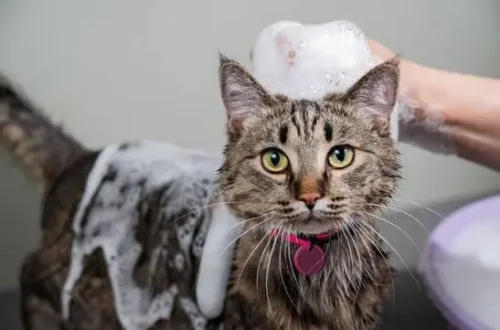
Cat Zoomies After a Bath
Some cats may run around after getting wet or being handled during grooming.
This can happen because the experience has temporarily increased excitement or arousal.
A cat may sprint around, rub against furniture, or groom itself afterward.
If the cat quickly returns to normal, this is usually just another form of energetic cat behavior.
Why Do Cats Get Zoomies at the Same Time Every Day?
Cats often develop predictable daily routines.
You may notice zoomies:
- Early in the morning
- Around sunset
- After an evening meal
- Before bedtime
- After using the litter box
Cats naturally tend to be most active around dawn and dusk, so these periods can make zoomies especially noticeable.
A predictable schedule is generally not concerning when the cat remains healthy and comfortable.
Can Boredom Cause Cat Zoomies?
Yes, frequent zoomies can sometimes be associated with under-stimulation.
An occasional episode is normal.
But if your cat gets cat zoomies every day and also shows behaviors such as:
- Pacing
- Excessive meowing
- Overgrooming
- Destructive behavior
- Excessive sleeping
- Attacking people or pets
- Constant attention-seeking
boredom may be contributing.
Cats Protection recommends increasing play, enrichment, training, and opportunities for natural behaviors when a cat appears under-stimulated.
Can Stress Cause Cat Zoomies?
Stress can sometimes produce frantic-looking activity.
However, stress-related running may look different from normal playful zoomies.
A frightened cat may show:
- Flattened ears
- Dilated pupils
- Tense posture
- Puffed-up tail
- Rapid or frantic movement
- Attempts to escape
Recent veterinary guidance distinguishes these fear-related episodes from relaxed, playful zoomies.
If your cat appears frightened rather than playful, do not simply assume it is having normal zoomies.
What If My Cat Looks Out of Control?
The word “zoomies” describes very fast movement, so the behavior can look chaotic.
Normal zoomies may include:
- Sudden acceleration
- Sharp turns
- Jumping
- Sliding
- Running through several rooms
That alone does not mean your cat has lost control.
But if your cat appears disoriented, uncoordinated, frightened, painful, or unable to stop safely, the behavior deserves veterinary attention.
Can Zoomies Cause Injuries?
They can.
A fast-running cat may accidentally:
- Hit furniture
- Slip on flooring
- Knock objects over
- Jump from unsafe heights
- Run through an open door
You can reduce these risks by keeping the home environment safe.
Secure unstable furniture, remove dangerous objects, and keep windows and balconies properly secured.
Should I Play With My Cat During Zoomies?
Usually, you do not need to.
If your cat is simply running around happily, allow the episode to happen safely.
If the cat seems interested in a toy, you can redirect the energy toward an appropriate toy.
PetMD’s veterinary-reviewed guidance notes that owners generally do not need to intervene during normal zoomies, although a toy can be appropriate when the cat naturally involves people in the activity.
Should I Try to Catch My Cat?
No.
Trying to grab a fast-running cat can frighten it or cause accidental scratches.
Instead:
- Keep the environment safe.
- Move dangerous objects out of the way.
- Let the cat finish its burst of energy.
- Avoid chasing it.
Once the episode ends, your cat will usually settle naturally.
How Can I Tell If My Cat’s Zoomies Are Healthy?
Use this simple checklist.
Healthy-Looking Zoomies
- Cat appears playful
- Body is relaxed
- Ears are neutral or forward
- Tail is normal
- Cat runs briefly
- Cat returns to normal
- Eating remains normal
- Litter-box habits remain normal
Concerning Zoomie-Like Behavior
- Cat looks frightened
- Ears are flattened
- Pupils remain extremely dilated
- Cat appears uncoordinated
- Cat cries or seems painful
- Appetite changes
- Hiding increases
- Behavior changes suddenly
- Episodes become dramatically different
The second list does not diagnose a medical problem, but it is a good reason to seek professional advice.
When Should I Call the Vet?
Occasional cat zoomies usually do not require veterinary treatment.
Contact your veterinarian if your cat develops a sudden or persistent change in behavior, particularly when other symptoms appear.
You should be more concerned if your cat:
- Appears to be in pain
- Cries while running
- Becomes disoriented
- Has difficulty walking
- Collapses
- Develops repeated vomiting
- Stops eating normally
- Shows major changes in litter-box behavior
- Becomes extremely anxious
- Injures itself during episodes
If you can safely record an unusual episode, a video may help your veterinarian understand what you are seeing. PetMD specifically recommends recording unusual zoomie-like behavior when pain or fear may be involved.
Cat Zoomies Myths and Facts
| Myth | Fact |
|---|---|
| Zoomies always mean my cat is crazy | They are usually a normal feline behavior |
| Zoomies mean my cat is unhealthy | Occasional zoomies are generally normal |
| Cats get zoomies only at night | They can happen at many times |
| Only kittens get zoomies | Adult and senior cats can have them too |
| Zoomies always mean boredom | Energy, instincts, excitement, and routine can all contribute |
| You must stop zoomies | Usually there is no need to stop normal zoomies |
| Chasing your cat will calm it | Chasing can increase fear or excitement |
| Daily zoomies always mean illness | Frequency alone does not diagnose illness |
| Post-poop zoomies are dangerous | They are commonly observed and often harmless |
| Every frantic episode is a zoomie | Fear, pain, or medical problems can sometimes look similar |
Simple Cat Zoomies Troubleshooting Guide
My Cat Gets Zoomies Occasionally
What to do:
Let your cat enjoy the activity safely.
My Cat Gets Zoomies Every Day
What to do:
Review its play and enrichment routine.
My Cat Gets Zoomies at Night
What to do:
Increase daytime enrichment and establish an appropriate evening play routine.
My Cat Gets Zoomies After the Litter Box
What to do:
Check that litter-box use is comfortable and normal.
My Cat Suddenly Started Getting Zoomies
What to do:
Look for other behavioral or physical changes.
My Cat Looks Frightened During Zoomies
What to do:
Give it space and identify possible stress triggers.
My Cat Appears to Be in Pain
What to do:
Contact a veterinarian.
Frequently Asked Questions
1. Why do cats get zoomies?
Cats may get zoomies to release built-up energy, express natural hunting instincts, respond to excitement, or become active after resting. Occasional cat zoomies are usually normal.
2. What are cat zoomies called?
The technical term is frenetic random activity periods, commonly shortened to FRAPs.
3. Are cat zoomies normal?
Yes. Most healthy cats occasionally experience sudden bursts of running and activity.
4. Why does my cat get zoomies at night?
Cats are naturally most active around dawn and dusk. Indoor routines, daytime sleeping, feeding schedules, and unused energy can also contribute to nighttime activity.
5. Why do cats get zoomies after pooping?
Post-litter-box zoomies may be related to relief or stimulation associated with defecation. This behavior is commonly observed in cats.
6. Do kittens get more zoomies?
Yes. Kittens and young cats generally have higher energy levels and may experience more frequent and intense bursts of activity.
7. Can indoor cats get zoomies?
Absolutely. Indoor cats can have zoomies, particularly when they have accumulated energy or need more physical and mental stimulation.
8. Are zoomies a sign of boredom?
Sometimes. Occasional zoomies are normal, but frequent daily zoomies combined with other boredom behaviors may suggest that a cat needs more enrichment.
9. Should I stop my cat’s zoomies?
Usually not. If the behavior is playful and safe, allow your cat to run and release its energy naturally.
10. How can I reduce cat zoomies?
Provide regular interactive play, climbing opportunities, scratching areas, puzzle feeders, toys, and other forms of enrichment. Several short play sessions can be useful.
11. Why does my cat suddenly run around the house?
A sudden burst can simply be a normal energy release. Cats may also respond to play, environmental triggers, natural hunting instincts, or waking from sleep.
12. Can stress cause crazy cat behavior?
Yes. Stress can sometimes produce frantic-looking behavior, but anxious cats often show additional signs such as flattened ears, tense posture, dilated pupils, or attempts to escape.
13. Why does my cat run after using the litter box?
Many cats have brief bursts of activity after using the litter box. If there is no straining, crying, blood, constipation, diarrhea, or other abnormal behavior, it is usually not concerning.
14. When should I worry about cat zoomies?
Be more concerned when zoomies suddenly change or occur with pain, fear, disorientation, poor coordination, appetite changes, collapse, or other unusual symptoms.
15. Can senior cats have zoomies?
Yes. Senior cats can still have bursts of energy, although they may happen less often. A sudden major increase in activity in an older cat should be discussed with a veterinarian.
Final Verdict: Why Do Cats Get Zoomies?
Cat zoomies are usually normal.
Those sudden races around the house are commonly a way for cats to release built-up energy and express natural instincts. They may happen after sleeping, during dawn or dusk, after using the litter box, during play, or in response to exciting environmental events.
If your cat occasionally races through the hallway, jumps around, and then calmly goes back to normal, there is usually no reason to worry.
However, frequent zoomies can sometimes be a sign that an indoor cat needs more stimulation, especially when combined with pacing, excessive meowing, overgrooming, destructive behavior, or other signs of boredom.
The most important distinction is between normal energetic behavior and a sudden change accompanied by fear, pain, disorientation, or physical symptoms.
So the next time your cat suddenly turns your hallway into a racetrack, you probably do not need to panic. Make sure the area is safe, let your cat burn off the energy, and enjoy the entertaining side of normal crazy cat behavior.
If the behavior looks frightening rather than playful, changes dramatically, or comes with other symptoms, it is time to look beyond the zoomies and speak with your veterinarian.