


Cat Sneezing
Introduction
Cat sneezing is a common symptom that can occur for many different reasons. An occasional sneeze is usually harmless and may simply help clear dust or other mild irritants from the nose. However, repeated sneezing or a cat that keeps sneezing may indicate allergies, viral infections, nasal irritation, dental disease, or other health conditions. Many cat owners ask, “Why is my cat sneezing?” The answer depends on the cat’s age, overall health, accompanying symptoms, and how long the sneezing has been occurring. This guide explains the most common causes, warning signs, diagnosis, treatment options, and when veterinary attention is recommended.
What Is Cat Sneezing?
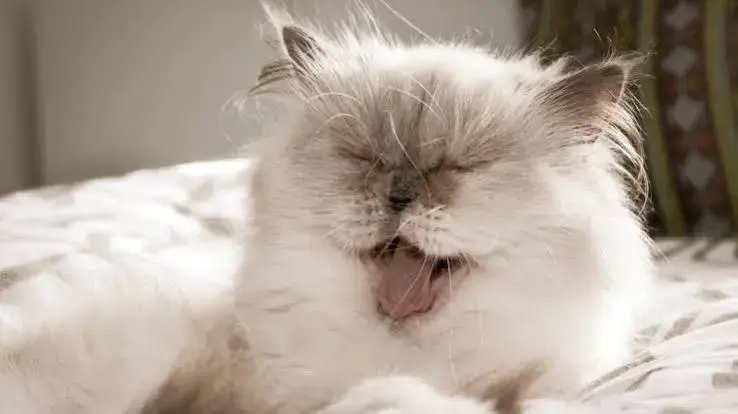
Cat sneezing is a natural reflex that helps remove irritants, mucus, or foreign particles from the nasal passages.
Sneezing protects the respiratory system by forcefully expelling air through the nose.
Common Characteristics
- Sudden burst of air through the nose
- Single sneeze
- Multiple sneezes
- Nasal discharge
- Watery eyes
- Mild congestion
- Temporary irritation
Occasional sneezing is normal, but frequent sneezing deserves closer attention.
Is Cat Sneezing Normal?
Yes.
Healthy cats may occasionally sneeze after inhaling:
- Dust
- Litter particles
- Pollen
- Strong odors
However, if your cat keeps sneezing throughout the day or for several consecutive days, an underlying medical condition may be responsible.
Persistent sneezing should not be ignored.
While cat sneezing can be caused by allergies, infections, or irritants, learning about breeds like the Somali Cat can help you better understand feline care and health.
Common Causes of Cat Sneezing
Several conditions can cause cat sneezing.
1. Upper Respiratory Infections
Upper respiratory infections are among the most common causes of sneezing.
Common infectious agents include:
- Feline herpesvirus (FHV-1)
- Feline calicivirus
These viruses spread easily between cats, especially in shelters and multi-cat homes.
Additional symptoms may include:
- Runny nose
- Watery eyes
- Fever
- Loss of appetite
- Lethargy
2. Allergies
Environmental allergies may irritate the nasal passages.
Possible allergens include:
- Dust
- Mold
- Pollen
- Cigarette smoke
- Perfumes
- Cleaning sprays
Some cats sneeze more during certain seasons when pollen levels increase.
3. Foreign Objects
Small objects may become lodged inside the nose.
Examples include:
- Grass blades
- Plant material
- Dust particles
- Seeds
Foreign material often causes sudden, repeated sneezing until it is removed.
4. Dental Disease
Severe dental infections affecting the upper teeth may spread to tissues near the nasal cavity.
Cats with advanced dental disease sometimes develop:
- Sneezing
- Nasal discharge
- Bad breath
- Difficulty eating
Routine dental care helps reduce this risk.
5. Nasal Polyps
Benign growths called nasal polyps may partially block the nasal passages.
Signs may include:
- Chronic sneezing
- Noisy breathing
- Nasal discharge
- Reduced airflow
Veterinary examination is required for diagnosis.
6. Fungal Infections
Although less common, fungal infections can affect the nose and upper respiratory tract.
These infections often require specialized treatment.
7. Nasal Tumors
Older cats with persistent one-sided nasal discharge or chronic sneezing should be evaluated for possible nasal tumors.
Early diagnosis provides more treatment options.
Symptoms That May Accompany Cat Sneezing
Depending on the underlying cause, cat sneezing may occur with:
- Runny nose
- Watery eyes
- Eye discharge
- Nasal congestion
- Coughing
- Fever
- Reduced appetite
- Lethargy
- Difficulty breathing
The combination of symptoms helps veterinarians determine the likely cause.
Why Is My Cat Sneezing?
Many owners ask, “Why is my cat sneezing?”
Possible reasons include:
- Viral infection
- Allergies
- Dust irritation
- Dental disease
- Foreign material
- Nasal polyps
- Fungal infection
- Nasal tumors
The duration and severity of symptoms often provide important clues.
Cat Keeps Sneezing: Should You Worry?
If your cat keeps sneezing, observe:
- Frequency
- Nasal discharge
- Eye discharge
- Appetite
- Energy level
- Breathing
Sneezing that continues for more than a few days or is accompanied by illness should be evaluated by a veterinarian.
When Is Cat Sneezing an Emergency?
Seek immediate veterinary care if cat sneezing occurs together with:
- Difficulty breathing
- Open-mouth breathing
- Bloody nasal discharge
- Severe facial swelling
- Collapse
- Blue or gray gums
- Complete refusal to eat
These signs may indicate a serious medical emergency.
Cats Most at Risk
Some cats are more likely to develop respiratory problems.
Higher-risk groups include:
- Kittens
- Senior cats
- Shelter cats
- Outdoor cats
- Cats with weakened immune systems
- Multi-cat households
Good hygiene and routine veterinary care help reduce disease transmission.
Quick Facts
| Feature | Details |
|---|---|
| Symptom | Sneezing |
| Common Causes | Viral infection, allergies, irritants, dental disease |
| Emergency Signs | Breathing difficulty, blood, blue gums |
| Veterinary Visit | Recommended if symptoms persist |
| Prevention | Vaccination, clean environment, routine care |
Why Early Evaluation Matters
Although an occasional sneeze is usually harmless, persistent cat sneezing can indicate an underlying medical condition that benefits from early diagnosis. If you repeatedly ask yourself, “Why is my cat sneezing?”, especially when other symptoms appear, scheduling a veterinary examination is the safest approach. Early treatment often improves recovery and helps prevent complications.
How Veterinarians Diagnose Cat Sneezing
Diagnosing cat sneezing begins with a thorough physical examination and a discussion about your cat’s recent health history.
Your veterinarian may ask questions such as:
- When did the sneezing begin?
- How often does your cat sneeze?
- Is there nasal discharge?
- Is the discharge clear, yellow, green, or bloody?
- Has your cat been eating normally?
- Has your cat recently been around other cats?
These details help identify the most likely cause.
Diagnostic Tests
Depending on your cat’s symptoms, your veterinarian may recommend one or more diagnostic tests.
Physical Examination
The veterinarian checks the:
- Nose
- Eyes
- Mouth
- Teeth
- Throat
- Lungs
- Overall body condition
This examination often provides valuable clues.
Blood Tests
Blood work helps detect:
- Infection
- Inflammation
- Immune disorders
- Overall health status
Nasal Swabs
Samples collected from the nose may help identify certain viral or bacterial infections.
Dental Examination
Because dental disease can contribute to sneezing, your veterinarian may carefully examine the teeth and gums.
X-Rays
Head or chest X-rays may be recommended when chronic sneezing, dental disease, or nasal abnormalities are suspected.
Advanced Imaging
In some cases, CT scans or rhinoscopy (examining the nasal passages with a small camera) may be needed to identify:
- Polyps
- Tumors
- Foreign objects
- Chronic inflammation
These procedures help guide the most effective treatment.
Cat Sneezing Treatment
Treatment depends on the underlying cause.
Because sneezing is a symptom rather than a disease, successful treatment focuses on correcting the condition responsible.
Viral Infections
Most viral infections require supportive care while the immune system fights the virus.
Treatment may include:
- Fluids
- Nutritional support
- Eye medications
- Nasal cleaning
Antibiotics
If a bacterial infection develops, prescription antibiotics may be recommended.
Antibiotics should only be used under veterinary supervision.
Allergy Management
If allergies are responsible, reducing exposure to environmental triggers may improve symptoms.
Your veterinarian may also recommend medications when appropriate.
Dental Treatment
If dental disease causes nasal irritation, professional dental cleaning or tooth extraction may be necessary.
Removal of Foreign Objects
Grass, seeds, or other materials trapped inside the nose often require veterinary removal.
Surgery
Polyps or tumors sometimes require surgical treatment depending on the diagnosis.
Home Care
Owners can help support recovery while following their veterinarian’s recommendations.
Keep the Nose Clean
Gently wipe away nasal discharge using a soft, damp cloth.
This helps improve comfort and breathing.
Encourage Eating
Cats rely heavily on their sense of smell when eating.
Warm food slightly to enhance its aroma if appetite decreases.
Maintain Hydration
Always provide clean, fresh drinking water.
Proper hydration helps thin nasal secretions.
Reduce Stress
A quiet environment supports immune function during recovery.
Improve Air Quality
Reduce exposure to:
- Cigarette smoke
- Dust
- Aerosol sprays
- Strong perfumes
- Harsh cleaning chemicals
Cleaner indoor air may reduce irritation.
What You Should Never Do
Avoid these common mistakes.
Do not:
- Give human cold medicine.
- Use human nasal sprays.
- Ignore persistent sneezing.
- Delay veterinary care when symptoms worsen.
- Stop prescribed medications early.
Many human medications are unsafe for cats.
Recovery
Recovery depends on the underlying diagnosis.
Mild Irritation
Sneezing caused by temporary irritation often resolves within a short time.
Viral Infections
Many viral upper respiratory infections improve within one to three weeks, although some viruses remain dormant and may cause future flare-ups.
Chronic Conditions
Cats with allergies or chronic nasal inflammation may require long-term management.
Serious Disease
Recovery varies when sneezing is caused by tumors or severe fungal infections.
Following your veterinarian’s instructions improves recovery.
Can Cat Sneezing Be Prevented?
Although not every cause can be prevented, several habits help reduce the risk.
Keep Vaccinations Current
Routine vaccinations reduce the risk of several contagious respiratory infections.
Maintain Good Hygiene
Clean:
- Food bowls
- Water bowls
- Litter boxes
- Bedding
Regular cleaning reduces exposure to germs.
Reduce Environmental Irritants
Avoid smoke, excessive dust, and strong household chemicals whenever possible.
Routine Veterinary Care
Regular wellness examinations allow early detection of many health problems.
Good Nutrition
A balanced diet supports the immune system and overall health.
Daily Care Checklist
If your cat experiences recurring sneezing, a consistent routine may help.
Every Day
- Provide fresh food and water.
- Monitor sneezing frequency.
- Observe appetite.
- Watch breathing patterns.
Every Week
- Wash bedding.
- Clean food bowls thoroughly.
- Inspect the nose and eyes.
- Vacuum dusty areas.
Every Year
- Schedule a wellness examination.
- Update vaccinations.
- Review parasite prevention.
- Discuss any recurring respiratory symptoms.
Care Summary Table
| Care Task | Recommendation |
|---|---|
| Veterinary Visit | If sneezing continues or worsens |
| Air Quality | Keep the home smoke-free and low in dust |
| Hydration | Fresh water available daily |
| Medication | Follow veterinary instructions carefully |
| Nutrition | Feed a balanced, high-quality diet |
| Vaccination | Maintain routine vaccination schedule |
Prognosis
The outlook for cat sneezing is generally very good when the underlying cause is diagnosed early.
Many cats recover completely from mild infections or temporary irritation. Chronic conditions, such as allergies or recurring viral infections, can often be managed successfully with ongoing veterinary care and a healthy home environment.
Cat Sneezing vs Cat Coughing
Although both symptoms affect the respiratory system, cat sneezing and coughing usually involve different parts of the airway.
| Cat Sneezing | Cat Coughing |
|---|---|
| Originates in the nose | Originates in the lower airways |
| Air is expelled through the nose | Air is expelled through the mouth |
| Common with upper respiratory infections | Common with asthma or bronchitis |
| May include nasal discharge | May include wheezing |
| Often caused by nasal irritation | Often caused by lung or airway disease |
Recognizing the difference helps owners describe symptoms accurately during a veterinary visit.
Common Myths About Cat Sneezing
Several myths can prevent owners from seeking treatment when needed.
Myth 1: Sneezing Is Always Harmless
False.
An occasional sneeze is usually normal, but frequent sneezing may indicate illness.
Myth 2: Only Outdoor Cats Get Respiratory Infections
False.
Indoor cats can also develop viral infections, allergies, and other respiratory conditions.
Myth 3: Human Cold Medicine Can Help
False.
Many human medications are unsafe for cats and should never be given without veterinary advice.
Myth 4: Sneezing Will Always Go Away on Its Own
False.
If your cat keeps sneezing for several days or develops other symptoms, veterinary evaluation is recommended.
When Should You Contact a Veterinarian?
Arrange a veterinary appointment if cat sneezing is accompanied by:
- Thick nasal discharge
- Eye discharge
- Fever
- Loss of appetite
- Difficulty breathing
- Lethargy
- Frequent sneezing for several days
- Blood from the nose
Early diagnosis often leads to faster recovery.
Tips for Keeping Your Cat’s Nose Healthy
Healthy daily habits help support the respiratory system.
Helpful practices include:
- Keep your home smoke-free.
- Vacuum regularly to reduce dust.
- Use low-dust cat litter.
- Keep vaccinations up to date.
- Feed a balanced diet.
- Provide fresh drinking water.
- Reduce household stress.
- Schedule routine veterinary checkups.
These simple habits may lower the risk of respiratory irritation.
Final Verdict
Cat sneezing is a common symptom that ranges from harmless occasional sneezes to signs of respiratory disease. While mild irritation may resolve quickly, persistent sneezing, especially when accompanied by nasal discharge, eye problems, or loss of appetite, should never be ignored.
If you find yourself asking, “Why is my cat sneezing?” or notice that your cat keeps sneezing for several days, the safest approach is to schedule a veterinary examination. Early diagnosis helps identify the underlying cause and allows appropriate treatment before more serious complications develop.
Frequently Asked Questions (FAQs)
1. Why is my cat sneezing?
Cats may sneeze because of viral infections, allergies, dust, dental disease, nasal irritation, foreign objects, or other respiratory conditions.
2. Is occasional cat sneezing normal?
Yes. An occasional sneeze caused by mild irritation is usually normal.
3. My cat keeps sneezing. Should I worry?
If your cat keeps sneezing for several days or develops additional symptoms, a veterinary examination is recommended.
4. Can allergies cause cat sneezing?
Yes. Dust, pollen, mold, smoke, perfumes, and cleaning products may trigger sneezing in sensitive cats.
5. Can indoor cats develop sneezing problems?
Yes. Indoor cats can develop respiratory infections, allergies, dental disease, and other conditions that cause sneezing.
6. Does cat sneezing always mean an infection?
No. Sneezing may also result from environmental irritants, allergies, or foreign material inside the nose.
7. Can dental disease cause sneezing?
Yes. Severe dental infections involving the upper teeth may affect nearby nasal tissues.
8. Should I give my cat human cold medicine?
No. Human medications can be dangerous for cats unless specifically prescribed by a veterinarian.
9. How do veterinarians diagnose cat sneezing?
Diagnosis may include a physical examination, blood tests, nasal swabs, dental evaluation, X-rays, or advanced imaging depending on the symptoms.
10. Can stress make a cat sneeze?
Stress does not directly cause sneezing but may contribute to flare-ups of certain viral infections in susceptible cats.
11. How long does recovery usually take?
Recovery depends on the cause. Mild irritation may resolve quickly, while viral infections often improve within one to three weeks.
12. Can cat sneezing spread to other cats?
Yes. Some viral upper respiratory infections are contagious and may spread through close contact.
13. How can I reduce sneezing at home?
Keep your home clean, reduce dust and smoke exposure, provide fresh water, and follow your veterinarian’s recommendations.
14. Can kittens sneeze more often than adults?
Yes. Kittens are generally more vulnerable to respiratory infections because their immune systems are still developing.
15. What is the outlook for cats with sneezing?
Most cats recover well when the underlying cause is identified and treated early. Chronic conditions can often be managed successfully with proper veterinary care.