





Cat Dandruff
Introduction
Cat dandruff is a common skin condition that appears as white or gray flakes on your cat’s fur. While a small amount of flaking may be harmless, persistent dandruff can indicate dry skin, poor grooming, parasites, allergies, nutritional deficiencies, or underlying medical conditions. Many cat owners ask, “Why does my cat have dandruff?” The answer depends on factors such as your cat’s age, overall health, grooming habits, and environment. A dry skin cat may also experience itching, dull fur, or increased shedding. This guide explains the most common causes of cat dandruff, symptoms, diagnosis, treatment options, and practical ways to maintain healthy skin and a shiny coat.
What Is Cat Dandruff?
Cat dandruff consists of small flakes of dead skin that become visible on the coat or fur.
Skin cells naturally renew themselves, but excessive flaking often suggests that the skin is not functioning normally.
Common Characteristics
- White flakes
- Gray flakes
- Dry skin
- Dull coat
- Mild itching
- Increased shedding
- Visible flakes on dark fur
The severity varies depending on the underlying cause.
Is Cat Dandruff Normal?
A few skin flakes are usually normal.
Cats naturally shed old skin cells as part of the skin renewal process.
However, noticeable or persistent cat dandruff is not considered normal and may require closer attention.
If flakes continue to appear despite regular grooming, an underlying health problem may be present.
While cat dandruff is often linked to dry skin or underlying health issues, Cat Sneezing can also be a sign of allergies, infections, or other medical conditions that require attention.
Common Causes of Cat Dandruff
Several conditions can contribute to cat dandruff.
1. Dry Skin
A dry skin cat is one of the most common reasons for visible dandruff.
Dry skin may develop because of:
- Low humidity
- Indoor heating
- Cold weather
- Poor hydration
The skin loses moisture, leading to increased flaking.
2. Poor Grooming
Cats that cannot groom themselves properly often develop dandruff.
This commonly affects:
- Senior cats
- Overweight cats
- Cats with arthritis
- Cats recovering from illness
Reduced grooming allows dead skin cells to accumulate.
3. Poor Nutrition
Skin health depends on balanced nutrition.
Diets lacking important nutrients may contribute to:
- Dry skin
- Brittle fur
- Excessive shedding
- Cat dandruff
Essential fatty acids are especially important for healthy skin.
4. Obesity
Overweight cats often struggle to groom difficult-to-reach areas, particularly near the lower back.
As dead skin accumulates, dandruff becomes more noticeable.
5. Parasites
External parasites can irritate the skin and increase flaking.
Common examples include:
- Fleas
- Mites
- Lice
Some parasites also cause itching and hair loss.
6. Allergies
Environmental or food allergies may lead to skin irritation.
Possible allergens include:
- Dust
- Pollen
- Mold
- Certain proteins
- Household chemicals
Chronic allergies often affect skin quality.
7. Skin Infections
Bacterial or fungal skin infections may cause:
- Flaking
- Redness
- Hair loss
- Odor
Veterinary treatment is usually required.
8. Underlying Medical Conditions
Some internal diseases can affect skin health.
Examples include:
- Diabetes
- Hyperthyroidism
- Hormonal disorders
Proper diagnosis is necessary when dandruff is persistent.
Symptoms That May Accompany Cat Dandruff
Depending on the underlying cause, cat dandruff may occur with:
- Dry skin
- Itching
- Hair loss
- Red skin
- Dull coat
- Increased shedding
- Greasy fur
- Poor grooming
- Bad odor
- Thickened skin
The presence of additional symptoms helps determine the cause.
Why Does My Cat Have Dandruff?
Many owners ask, “Why does my cat have dandruff?”
Possible explanations include:
- Dry skin
- Poor grooming
- Poor nutrition
- Obesity
- Parasites
- Allergies
- Skin infections
- Medical conditions
A veterinary examination may be needed if dandruff becomes persistent or severe.
Dry Skin Cat: Should You Be Concerned?
A dry skin cat may only have mild flaking at first.
However, worsening dryness may lead to:
- Itching
- Skin irritation
- Hair loss
- Secondary infections
Monitoring skin condition helps identify problems before they become more serious.
When Is Cat Dandruff an Emergency?
Although cat dandruff itself is rarely an emergency, immediate veterinary care is recommended if dandruff occurs together with:
- Severe itching
- Open wounds
- Bleeding skin
- Large areas of hair loss
- Swelling
- Difficulty breathing after an allergic reaction
- Sudden lethargy
- Refusal to eat
These symptoms may indicate a more serious health problem.
Cats Most at Risk
Some cats are more likely to develop cat dandruff.
Higher-risk groups include:
- Senior cats
- Overweight cats
- Long-haired breeds
- Cats with allergies
- Cats with chronic illness
- Cats living in dry climates
Routine grooming and regular veterinary care help reduce the risk.
Quick Facts
| Feature | Details |
|---|---|
| Condition | Dry, flaky skin |
| Common Causes | Dry skin, poor grooming, allergies, parasites |
| Emergency Signs | Severe itching, bleeding, widespread hair loss |
| Veterinary Visit | Recommended for persistent dandruff |
| Prevention | Good nutrition, grooming, hydration |
Why Early Evaluation Matters
Persistent cat dandruff may appear to be a cosmetic problem, but it can also be an early sign of skin disease or an underlying medical condition. If you repeatedly ask, “Why does my cat have dandruff?”, especially when itching, hair loss, or poor grooming develops, scheduling a veterinary examination is the safest approach. Early diagnosis often leads to faster treatment and healthier skin.
How Veterinarians Diagnose Cat Dandruff
Diagnosing cat dandruff begins with a complete physical examination and a discussion about your cat’s medical history.
Your veterinarian may ask questions such as:
- When did the dandruff first appear?
- Has your cat been scratching more than usual?
- Has the diet changed recently?
- Does your cat spend time outdoors?
- Have you noticed fleas or other parasites?
- Has your cat been grooming normally?
These details help identify the most likely cause.
Diagnostic Tests
Several tests may be recommended depending on your cat’s symptoms.
Physical Examination
The veterinarian carefully examines your cat’s:
- Skin
- Coat
- Ears
- Weight
- Body condition
- Overall health
The appearance and location of the dandruff often provide important clues.
Skin Scraping
A small sample of skin may be collected to check for:
- Mites
- Other skin parasites
This procedure is quick and commonly performed.
Flea Examination
The veterinarian will inspect the coat for:
- Fleas
- Flea dirt
- Bite irritation
Even a few fleas can trigger skin problems in sensitive cats.
Fungal Testing
If ringworm or another fungal infection is suspected, additional laboratory testing may be recommended.
Blood Tests
Blood work helps evaluate:
- Organ function
- Hormonal disorders
- Diabetes
- Overall health
Certain internal diseases may contribute to persistent cat dandruff.
Allergy Evaluation
When allergies are suspected, your veterinarian may recommend dietary trials or additional testing.
Cat Dandruff Treatment
Treatment depends on the underlying cause.
Because cat dandruff is usually a symptom, successful treatment focuses on correcting the condition responsible.
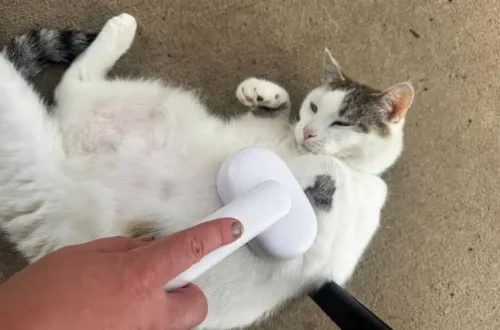
Improve Grooming
Cats that cannot groom effectively may benefit from regular brushing.
Brushing helps:
- Remove loose flakes
- Distribute natural skin oils
- Improve coat appearance
- Reduce matting
Improve Nutrition
A balanced diet supports healthy skin.
Veterinarians may recommend foods containing:
- Omega-3 fatty acids
- Omega-6 fatty acids
- High-quality protein
- Essential vitamins
Proper nutrition often improves skin condition over time.
Flea and Parasite Control
If parasites are responsible, prescription flea or mite treatments may be required.
Treat both the cat and the home environment when recommended.
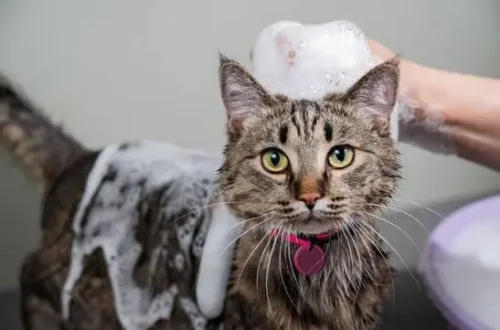
Medicated Shampoos
Some skin conditions respond well to veterinarian-approved shampoos designed for cats.
Only use products specifically formulated for feline use.
Treat Underlying Medical Conditions
If diseases such as diabetes or hormonal disorders are identified, treating those conditions often improves the dandruff.
Home Care
Owners play an important role in maintaining healthy skin.
Brush Regularly
Routine brushing removes loose hair and dead skin while helping natural oils spread across the coat.
Long-haired cats may require more frequent grooming.
Keep Your Cat Hydrated
Fresh drinking water should always be available.
Good hydration supports healthy skin.
Maintain a Healthy Weight
Weight management allows cats to groom themselves more effectively.
Regular activity also supports overall health.
Use a Humidifier
Dry indoor air may worsen cat dandruff, especially during winter.
Adding moisture to the air may improve skin comfort in some homes.
What You Should Never Do
Avoid these common mistakes.
Do not:
- Use human dandruff shampoo.
- Bathe your cat too frequently.
- Ignore severe itching.
- Apply human skin creams.
- Stop prescribed treatment early.
Human skin products may irritate a cat’s sensitive skin.
Recovery
Recovery depends on the underlying cause.
Mild Dry Skin
A dry skin cat may improve within several weeks after better nutrition, hydration, and grooming.
Parasite Infestations
Skin condition often improves after successful parasite treatment.
Allergies
Cats with allergies may require ongoing management to reduce flare-ups.
Medical Conditions
Recovery depends on controlling the disease responsible for the skin changes.
Following veterinary recommendations improves long-term results.
Can Cat Dandruff Be Prevented?
Although not every cause can be prevented, several healthy habits reduce the risk.
Feed a Balanced Diet
High-quality nutrition supports healthy skin and coat condition.
Groom Regularly
Routine brushing helps remove dead skin before flakes become noticeable.
Maintain Flea Prevention
Year-round parasite control protects against flea-related skin irritation.
Encourage Hydration
Fresh water should always be available.
Hydration supports healthy skin function.
Schedule Routine Veterinary Visits
Regular examinations allow early detection of skin disease and underlying health conditions.
Daily Care Checklist
A simple routine helps maintain healthy skin.
Every Day
- Provide fresh food and water.
- Observe the coat.
- Watch for scratching.
- Monitor grooming habits.
Every Week
- Brush the coat.
- Check for fleas.
- Inspect the skin.
- Wash bedding if needed.
Every Month
- Continue parasite prevention.
- Monitor body weight.
- Replace worn grooming tools if necessary.
Every Year
- Schedule a wellness examination.
- Review nutrition.
- Discuss skin health with your veterinarian.
- Continue preventive healthcare.
Care Summary Table
| Care Task | Recommendation |
|---|---|
| Brushing | Weekly or more often for long-haired cats |
| Flea Prevention | Year-round |
| Hydration | Fresh water daily |
| Nutrition | High-quality balanced diet |
| Veterinary Examination | At least once yearly |
| Skin Monitoring | Ongoing |
Prognosis
The outlook for cat dandruff is generally very good once the underlying cause is identified.
Many cases improve with better grooming, proper nutrition, hydration, and parasite control. Cats affected by allergies or chronic medical conditions often experience significant improvement when the primary condition is managed appropriately.
Cat Dandruff vs Dry Skin
Many people use the terms interchangeably, but cat dandruff and dry skin are not exactly the same.
| Cat Dandruff | Dry Skin Cat |
|---|---|
| Visible white or gray flakes on the coat | Skin lacks adequate moisture |
| A symptom rather than a disease | An underlying skin condition |
| May result from parasites, allergies, or poor grooming | Often caused by dehydration, low humidity, or nutrition |
| Flakes are usually easy to see on dark fur | Skin may feel rough or tight |
| Can occur with or without itching | Frequently causes mild itching |
A dry skin cat often develops cat dandruff, but dandruff may also result from other medical conditions.
Common Myths About Cat Dandruff
Several misconceptions may prevent owners from recognizing skin problems early.
Myth 1: Dandruff Is Only a Cosmetic Problem
False.
Persistent cat dandruff may indicate allergies, parasites, poor nutrition, or underlying illness.
Myth 2: Only Older Cats Get Dandruff
False.
Cats of any age can develop dandruff depending on their health and environment.
Myth 3: Human Dandruff Shampoo Is Safe
False.
Human shampoos may irritate a cat’s skin and should never be used unless specifically recommended by a veterinarian.
Myth 4: Brushing Alone Will Cure Dandruff
False.
While grooming helps remove flakes, it will not correct medical conditions causing cat dandruff.
When Should You Contact a Veterinarian?
Schedule a veterinary examination if your cat develops:
- Persistent dandruff
- Severe itching
- Hair loss
- Red or inflamed skin
- Bad odor
- Fleas or mites
- Open sores
- Weight loss
- Reduced grooming
Early treatment often prevents skin problems from becoming more severe.
Tips for Maintaining Healthy Skin
Healthy daily habits help reduce the risk of cat dandruff.
Helpful practices include:
- Feed a complete, balanced diet.
- Brush your cat regularly.
- Maintain healthy body weight.
- Keep fresh water available.
- Continue year-round flea prevention.
- Reduce indoor dryness when possible.
- Schedule routine veterinary checkups.
- Monitor changes in skin and coat quality.
Consistent care supports healthy skin throughout your cat’s life.
Final Verdict
Cat dandruff is a common condition that usually appears as white flakes on the coat. Although mild dandruff may simply result from dry skin or seasonal changes, persistent flaking can also indicate parasites, allergies, poor nutrition, grooming difficulties, or underlying medical conditions.
If you find yourself asking, “Why does my cat have dandruff?”, or notice that your dry skin cat develops worsening flakes, itching, or hair loss, a veterinary examination is recommended. Early diagnosis and proper treatment help restore healthy skin while preventing more serious problems.
Frequently Asked Questions (FAQs)
1. What is cat dandruff?
Cat dandruff consists of visible flakes of dead skin that collect on the coat or fur.
2. Why does my cat have dandruff?
Common causes include dry skin, poor grooming, obesity, allergies, parasites, poor nutrition, and certain medical conditions.
3. Is cat dandruff normal?
A few skin flakes may be normal, but persistent or heavy dandruff usually requires further evaluation.
4. Can indoor cats develop dandruff?
Yes. Indoor cats may develop cat dandruff because of dry air, poor nutrition, obesity, allergies, or medical conditions.
5. Does a dry skin cat always have dandruff?
Not always. Some cats have dry skin without obvious flakes, while others develop noticeable dandruff.
6. Can fleas cause cat dandruff?
Yes. Flea infestations may irritate the skin and increase flaking.
7. Can poor diet cause cat dandruff?
Yes. Nutritional deficiencies may affect skin health and contribute to excessive flaking.
8. How is cat dandruff diagnosed?
Veterinarians diagnose cat dandruff through physical examination, skin testing, parasite evaluation, blood work, and other tests when needed.
9. How is cat dandruff treated?
Treatment depends on the cause and may include improved nutrition, grooming, parasite control, medicated products, or treatment of underlying disease.
10. Should I bathe my cat for dandruff?
Only if recommended by your veterinarian and using products specifically made for cats.
11. Can dehydration cause dry skin?
Yes. Poor hydration may contribute to dry skin and increased flaking.
12. Is dandruff contagious?
Dandruff itself is not contagious, although some parasites or fungal infections associated with dandruff may spread to other animals.
13. How often should I brush my cat?
Most cats benefit from weekly brushing, while long-haired breeds may require more frequent grooming.
14. Can obesity contribute to cat dandruff?
Yes. Overweight cats often struggle to groom themselves properly, allowing dead skin to accumulate.
15. What is the outlook for cats with dandruff?
Most cases of cat dandruff improve once the underlying cause is identified and treated. Routine grooming, balanced nutrition, hydration, and preventive healthcare help maintain healthy skin over the long term.