







Miliary Dermatitis Cat
Introduction
Miliary dermatitis cat is a common skin condition characterized by numerous small scabs or crusty bumps that develop across a cat’s skin. Rather than being a disease itself, feline miliary dermatitis is a reaction pattern caused by an underlying problem such as flea allergies, food allergies, parasites, infections, or other skin allergies in cats. Affected cats often experience intense itching, excessive grooming, and hair loss that can significantly reduce their quality of life. Because many different conditions can trigger this skin reaction, identifying the underlying cause is essential for successful treatment. This guide explains the causes, symptoms, diagnosis, treatment options, and prevention of feline miliary dermatitis.
What Is Miliary Dermatitis in Cats?
Miliary dermatitis in cats refers to a skin reaction where many tiny scabs develop across the body.
The word “miliary” describes the small size of the lesions, which resemble tiny seeds.
These crusts usually form beneath the fur and may be difficult to notice until you pet your cat.
Is Feline Miliary Dermatitis a Disease?
No.
Feline miliary dermatitis is not a specific disease.
Instead, it is a pattern of skin inflammation caused by another medical problem.
Finding and treating the underlying cause is the key to long-term improvement.
While miliary dermatitis affects a cat’s skin, Blood in Cat Stool is another important health issue that every cat owner should know how to recognize and address.
Common Causes of Miliary Dermatitis in Cats
Several conditions may trigger miliary dermatitis cat.
1. Flea Allergy Dermatitis
Flea allergies are the most common cause.
Some cats react to flea saliva after only one or two flea bites.
Even indoor cats may develop flea allergies.
2. Food Allergies
Certain food ingredients may trigger skin allergies in cats.
Common dietary allergens include:
- Beef
- Chicken
- Fish
- Dairy products
Food allergies often require special elimination diets for diagnosis.
3. Environmental Allergies
Cats may react to substances in their surroundings.
Possible allergens include:
- Dust mites
- Mold
- Grass pollen
- Tree pollen
- Household chemicals
These allergies may become seasonal or occur year-round.
4. Mites
Skin mites can irritate the skin and produce severe itching.
Some mite infestations are contagious to other animals.
5. Bacterial Skin Infections
Secondary bacterial infections frequently develop after excessive scratching damages the skin.
These infections often make symptoms worse.
6. Fungal Infections
Certain fungal diseases may contribute to feline miliary dermatitis.
Ringworm is one example that may produce skin lesions and hair loss.
7. Insect Bites
Mosquitoes and other insects occasionally trigger allergic skin reactions in sensitive cats.
8. Immune-Mediated Skin Disorders
Less commonly, abnormal immune responses may cause chronic skin inflammation.
Veterinary evaluation is necessary to identify these conditions.
Symptoms of Miliary Dermatitis Cat
The symptoms vary depending on the underlying cause.
Common signs include:
- Small crusty scabs
- Intense itching
- Hair loss
- Excessive grooming
- Red skin
- Inflamed skin
- Frequent scratching
- Restlessness
- Thickened skin
- Skin irritation
Some cats develop only mild scabbing, while others experience widespread skin disease.
Where Do the Scabs Usually Appear?
The small scabs associated with miliary dermatitis cat commonly develop on:
- Neck
- Back
- Lower back
- Base of the tail
- Head
- Shoulders
The exact location often provides clues about the underlying cause.
Skin Allergies in Cats
Many cases of miliary dermatitis cat are linked to skin allergies in cats.
Allergic reactions cause inflammation that leads to:
- Itching
- Scratching
- Scab formation
- Hair loss
Without treatment, repeated scratching may damage the skin further.
Is Miliary Dermatitis Cat Contagious?
The skin reaction itself is not contagious.
However, certain underlying causes may spread to other animals.
Examples include:
- Some mites
- Ringworm
Flea infestations may also affect other pets in the household.
When Is Miliary Dermatitis an Emergency?
Most cases are not medical emergencies.
However, immediate veterinary care is recommended if your cat develops:
- Severe swelling
- Large open wounds
- Heavy bleeding
- Difficulty breathing
- High fever
- Extreme pain
- Complete loss of appetite
- Rapidly worsening skin disease
Prompt treatment helps prevent serious complications.
Cats Most at Risk
Some cats have a greater chance of developing feline miliary dermatitis.
Higher-risk groups include:
- Cats with flea allergies
- Cats with food allergies
- Outdoor cats
- Cats living in humid climates
- Cats with previous skin disease
- Cats exposed to environmental allergens
Routine preventive care helps reduce the risk.
Quick Facts
| Feature | Details |
|---|---|
| Condition | Allergic skin reaction with small scabs |
| Most Common Cause | Flea allergy dermatitis |
| Other Causes | Food allergies, mites, infections, environmental allergies |
| Veterinary Visit | Recommended for persistent scabs or itching |
| Prevention | Flea control, allergy management, regular skin checks |
Why Early Evaluation Matters
Although miliary dermatitis cat may begin with only a few tiny scabs, the underlying cause can continue to worsen if left untreated. Persistent itching, excessive grooming, and recurring skin damage often indicate skin allergies in cats or another medical condition that requires veterinary care. Early diagnosis helps relieve discomfort, reduce inflammation, and prevent secondary skin infections.
How Veterinarians Diagnose Miliary Dermatitis Cat
Diagnosing miliary dermatitis cat begins with a complete physical examination and a detailed discussion about your cat’s medical history.
Your veterinarian may ask questions such as:
- When did the scabs first appear?
- Has your cat been scratching more than usual?
- Have you noticed fleas?
- Has your cat recently changed food?
- Are other pets showing similar symptoms?
- Has your cat experienced previous skin problems?
These answers help identify possible triggers of feline miliary dermatitis.
Diagnostic Tests
Several tests may be recommended depending on your cat’s symptoms.
Physical Examination
The veterinarian carefully examines:
- Skin
- Coat
- Ears
- Tail
- Hair loss
- Scab distribution
The location of the skin lesions often provides valuable diagnostic clues.
Flea Examination
Because flea allergies are the most common cause of miliary dermatitis cat, your veterinarian will carefully check for:
- Adult fleas
- Flea dirt
- Bite reactions
Even if fleas are not visible, flea allergy may still be present.
Skin Scraping
A small skin sample may be collected to check for:
- Mites
- External parasites
This procedure is quick and commonly performed.
Fungal Testing
If ringworm is suspected, fungal culture or other laboratory tests may be recommended.
Skin Cytology
Samples collected from the skin help identify:
- Bacteria
- Yeast
- Inflammatory cells
These findings guide treatment decisions.
Food Elimination Trial
If food allergy is suspected, your veterinarian may recommend a special diet for several weeks.
This remains one of the most reliable ways to diagnose food allergies.
Miliary Dermatitis Cat Treatment
Treatment focuses on eliminating the underlying cause.
Since feline miliary dermatitis is a reaction pattern rather than a disease, successful treatment depends on identifying the trigger.
Flea Control
Cats with flea allergies require aggressive flea prevention.
Treatment often includes:
- Prescription flea medication
- Environmental flea control
- Treating all household pets
Consistent flea prevention is essential.
Allergy Management
Cats with skin allergies in cats may require long-term allergy management.
Depending on the cause, treatment may include:
- Dietary changes
- Environmental control
- Allergy medications
Antibiotics
If bacterial skin infections are present, antibiotics may be prescribed.
Always complete the full course as directed.
Anti-Itch Medication
Veterinarians may prescribe medication to reduce:
- Itching
- Inflammation
- Skin irritation
Relieving itching helps prevent additional skin damage.
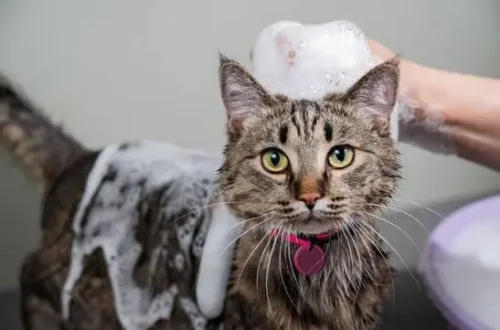
Medicated Shampoos
Some cats benefit from medicated shampoos formulated specifically for feline skin conditions.
Only use products approved for cats.
Home Care
Owners play an important role in managing miliary dermatitis cat.
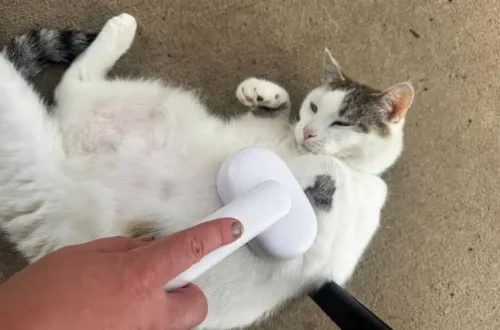
Brush the Coat Gently
Regular grooming helps remove loose hair and allows owners to monitor skin healing.
Avoid brushing aggressively over scabs.
Prevent Fleas
Maintain year-round flea prevention, even for indoor cats.
Skipping treatments increases the risk of recurrence.
Feed a Balanced Diet
Proper nutrition supports healthy skin and strengthens the skin barrier.
Reduce Environmental Allergens
Simple measures may include:
- Washing bedding regularly
- Vacuuming frequently
- Keeping the home clean
- Reducing dust accumulation
What You Should Never Do
Avoid these common mistakes.
Do not:
- Pick at the scabs.
- Use human skin creams.
- Apply human dandruff shampoo.
- Stop medications early.
- Ignore persistent scratching.
Improper treatment may worsen skin damage.
Recovery
Recovery depends on the underlying cause.
Flea Allergy
Most cats improve significantly once effective flea control begins.
Food Allergy
Improvement often occurs gradually after maintaining the recommended elimination diet.
Skin Infections
Appropriate medication usually leads to noticeable improvement within several weeks.
Chronic Allergies
Some cats require lifelong management to reduce flare-ups.
Regular follow-up visits help maintain skin health.
Can Miliary Dermatitis Cat Be Prevented?
Although every case cannot be prevented, several healthy habits reduce risk.
Maintain Flea Prevention
Consistent flea control remains the most effective preventive measure.
Feed High-Quality Nutrition
Balanced diets support healthy skin and reduce nutritional deficiencies.
Monitor Skin Regularly
Routine grooming allows early detection of small scabs before they become widespread.
Schedule Routine Veterinary Visits
Regular wellness examinations help identify allergies and skin disease early.
Daily Care Checklist
Simple daily habits help keep your cat’s skin healthy.
Every Day
- Observe scratching behavior.
- Check the coat.
- Provide fresh food and water.
- Monitor skin condition.
Every Week
- Brush the coat.
- Inspect for fleas.
- Examine common problem areas.
- Wash bedding if needed.
Every Month
- Continue parasite prevention.
- Monitor body condition.
- Replace grooming tools if necessary.
Every Year
- Schedule a veterinary wellness examination.
- Review allergy management.
- Discuss long-term skin care.
- Maintain preventive healthcare.
Care Summary Table
| Care Task | Recommendation |
|---|---|
| Flea Prevention | Year-round |
| Grooming | Weekly or as needed |
| Veterinary Examination | For persistent scabs or itching |
| Balanced Nutrition | Daily |
| Allergy Management | Follow veterinary recommendations |
| Skin Monitoring | Ongoing |
Prognosis
The outlook for miliary dermatitis cat is generally excellent once the underlying cause is identified and treated.
Most cats recover well with appropriate flea control, allergy management, infection treatment, and regular skin care. Cats with chronic skin allergies in cats may require ongoing management, but consistent veterinary care often keeps symptoms well controlled.
Miliary Dermatitis Cat vs Ringworm
Although both conditions affect the skin, miliary dermatitis cat and ringworm are different disorders.
| Miliary Dermatitis Cat | Ringworm |
|---|---|
| Allergic skin reaction | Fungal infection |
| Usually causes many small scabs | Often causes circular patches of hair loss |
| Commonly associated with flea allergies | Caused by dermatophyte fungi |
| Usually causes intense itching | Itching may be mild or absent |
| Not contagious by itself | Highly contagious to animals and people |
Because the symptoms can overlap, veterinary testing is often needed for an accurate diagnosis.
Common Myths About Miliary Dermatitis Cat
Many misconceptions may delay proper treatment.
Myth 1: Miliary Dermatitis Is a Disease
False.
Feline miliary dermatitis is a skin reaction caused by another underlying condition rather than a disease itself.
Myth 2: Indoor Cats Cannot Develop Miliary Dermatitis
False.
Indoor cats can still develop skin allergies in cats, flea allergies, food allergies, or other conditions that trigger scab formation.
Myth 3: If You Cannot See Fleas, Fleas Are Not the Problem
False.
Cats with flea allergy may react to only one or two flea bites, making fleas difficult to detect.
Myth 4: The Scabs Will Heal Without Treatment
False.
Unless the underlying cause is treated, miliary dermatitis cat often returns or becomes worse over time.
When Should You Contact a Veterinarian?
Schedule a veterinary examination if your cat develops:
- Numerous small scabs
- Severe itching
- Hair loss
- Red or inflamed skin
- Open sores
- Persistent scratching
- Signs of infection
- Recurring skin problems
Early diagnosis helps reduce discomfort and prevents secondary infections.
Tips for Maintaining Healthy Skin
Healthy daily care helps reduce the risk of feline miliary dermatitis.
Helpful habits include:
- Maintain year-round flea prevention.
- Feed a balanced diet.
- Brush your cat regularly.
- Keep bedding clean.
- Reduce household allergens when possible.
- Monitor the skin during grooming.
- Attend routine veterinary checkups.
- Treat skin problems promptly.
Consistent preventive care supports healthy skin throughout your cat’s life.
Final Verdict
Miliary dermatitis cat is one of the most common allergic skin conditions seen in cats. Although the small scabs may appear minor at first, they often indicate an underlying problem such as flea allergies, food allergies, parasites, infections, or other skin allergies in cats.
Successful treatment depends on identifying and correcting the underlying cause rather than treating the scabs alone. With early veterinary care, effective flea prevention, appropriate allergy management, and regular skin monitoring, most cats recover well and enjoy long-term skin health.
Frequently Asked Questions (FAQs)
1. What is miliary dermatitis cat?
Miliary dermatitis cat is a skin reaction that causes numerous small scabs across the body due to an underlying medical condition.
2. What causes feline miliary dermatitis?
Common causes include flea allergies, food allergies, environmental allergies, mites, bacterial infections, fungal infections, and insect bites.
3. Are skin allergies in cats common?
Yes. Skin allergies in cats are one of the leading causes of chronic itching and miliary dermatitis.
4. Is miliary dermatitis contagious?
The skin reaction itself is not contagious, although certain underlying causes such as ringworm or some mites may spread to other animals.
5. Can indoor cats develop miliary dermatitis?
Yes. Indoor cats can still develop allergies, flea infestations, or other conditions that trigger feline miliary dermatitis.
6. What do the scabs feel like?
The scabs usually feel like tiny bumps beneath the fur and are often easier to feel than to see.
7. How is miliary dermatitis diagnosed?
Veterinarians diagnose miliary dermatitis cat using physical examinations, flea checks, skin scrapings, fungal testing, skin cytology, and food elimination trials when necessary.
8. Can fleas cause miliary dermatitis?
Yes. Flea allergy dermatitis is the most common cause of miliary dermatitis cat.
9. How is miliary dermatitis treated?
Treatment depends on the underlying cause and may include flea control, allergy management, antibiotics, anti-itch medications, medicated shampoos, and dietary changes.
10. Should I remove the scabs?
No. Picking at the scabs may damage the skin and increase the risk of infection.
11. Can food allergies cause miliary dermatitis?
Yes. Some cats develop feline miliary dermatitis because of food allergies.
12. How long does recovery take?
Recovery depends on the cause, but many cats begin improving within several weeks after appropriate treatment starts.
13. Can miliary dermatitis return?
Yes. Recurrence is possible if the underlying allergy or trigger is not properly controlled.
14. How can I prevent miliary dermatitis?
Routine flea prevention, balanced nutrition, allergy management, regular grooming, and veterinary care help reduce the risk.
15. What is the outlook for cats with miliary dermatitis?
The prognosis is generally very good once the underlying cause is identified and treated. Most cats respond well to appropriate medical care and long-term preventive management.