


British Shorthair
Introduction
The British Shorthair is one of the oldest and most admired cat breeds in the world. Known for its round face, plush coat, and calm temperament, the British Shorthair Cat has earned the nickname “teddy bear cat” because of its adorable appearance. Whether you love the famous British Blue Cat or another beautiful color variety, the British Shorthair is a wonderful companion for families, singles, and seniors alike.
In this guide, you’ll learn everything about the British Shorthair, including its history, appearance, colors, grooming needs, health, and British Shorthair Personality, helping you decide if this lovable breed is the right fit for your home.
What Is a British Shorthair?
That is an officially recognized purebred cat known for its sturdy body, dense coat, and gentle nature. It is one of the most popular cat breeds in the United Kingdom and has gained fans around the world because of its easygoing personality.
Unlike mixed-breed cats, every British Cat follows a recognized breed standard established by major cat associations.
One important fact to remember is that the Blue Cat is not a separate breed. It is simply the most famous blue-gray color variation of the British Shorthair.
Key Characteristics
- Official purebred cat
- Round face and cheeks
- Dense plush coat
- Large round eyes
- Strong muscular body
- Calm temperament
- Excellent indoor companion
If you prefer cats with long, fluffy coats, don’t miss our Domestic Long Hair Cat guide to learn about their appearance, personality, and grooming needs.
British Shorthair History
The history of the Shorthair dates back nearly 2,000 years.
Many historians believe the breed’s ancestors arrived in Britain with Roman soldiers. These early cats helped control rodents and gradually adapted to Britain’s climate.
Over many generations, natural selection produced sturdy cats with thick coats that could tolerate cooler weather.
During the late 1800s, breeders began selectively developing the modern British Shorthair Cat. The breed quickly became popular at early cat shows and later received recognition from leading cat organizations around the world.
Today, the British Shorthair remains one of the world’s most recognizable and respected pedigree cats.
British Shorthair Appearance
The British Shorthair has a distinctive appearance that makes it easy to recognize.
Head
The breed has a large round head with full cheeks that create its famous teddy bear look.
Eyes
Large round eyes give the British Shorthair Cat a sweet expression.
Eye colors may include:
- Copper
- Gold
- Blue
- Green
- Hazel
The exact eye color depends on the coat color.
Body
The British Shorthair has a broad chest, powerful shoulders, and a muscular frame.
Coat
Its dense, plush coat feels crisp rather than silky because of its thick undercoat.
Tail
The tail is medium in length with a rounded tip that balances the breed’s sturdy body.
British Shorthair Colors
Although the British Blue Cat is the best-known variety, the British Shorthair comes in many beautiful colors and patterns.
British Blue
The British Blue Cat has a solid blue-gray coat and brilliant copper or gold eyes. It is the most iconic color of the breed.
Black
Solid black British Shorthairs have glossy coats with striking golden or copper eyes.
White
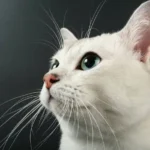
White British Shorthairs may have blue, gold, or odd-colored eyes.
Cream
Cream-colored cats display a soft, warm appearance with pale golden fur.
Chocolate
Chocolate British Shorthairs have rich brown coats that are less common than blue.
Lilac
Lilac is a diluted chocolate color with a soft pinkish-gray appearance.
Silver
Silver coats often feature beautiful shaded or tabby patterns.
Golden
Golden British Shorthairs have warm honey-colored coats that are becoming increasingly popular.
Tabby
Tabby patterns include classic, mackerel, spotted, and ticked varieties.
Bicolor
Bicolor cats combine white with another recognized coat color.
Colorpoint
Colorpoint British Shorthairs have darker ears, faces, paws, and tails with lighter body colors.
British Shorthair Personality
One reason people choose the British Shorthair is its calm and dependable temperament.
Gentle
The British Shorthair’s personality is generally calm and patient, making this breed an excellent companion.
Affectionate
Although not usually a lap cat, many British Shorthairs enjoy sitting close to their owners.
Independent
The British Shorthair Cat can spend time alone without becoming overly anxious, making it suitable for people who work during the day.
Intelligent
British Shorthairs quickly learn household routines and enjoy puzzle toys and interactive play.
Quiet
Unlike highly vocal breeds, most British Shorthairs communicate using soft meows.
Family Friendly
The relaxed British Shorthair Personality makes this breed a wonderful choice for:
- Families
- Seniors
- Couples
- First-time cat owners
- Homes with respectful children
British Shorthair Size
This is considered a medium-to-large cat with a sturdy build.
Height
- 12–14 inches
Weight
Males
- 12–17 pounds
Females
- 8–12 pounds
Growth Stages
Kitten (0–6 months)
Rapid growth and playful behavior.
Junior (6–12 months)
Muscles continue developing while the coat becomes thicker.
Adult (1–3 years)
Most British Shorthair Cats reach full size between three and five years of age, which is slower than many other breeds.
Quick Facts Table
| Feature | Details |
|---|---|
| Breed Type | Purebred |
| Coat | Short, Dense, Plush |
| Weight | 8–17 lbs |
| Height | 12–14 inches |
| Lifespan | 12–20 years |
| Grooming | Low to Moderate |
| Shedding | Moderate |
| Temperament | Calm, Gentle, Independent |
Grooming
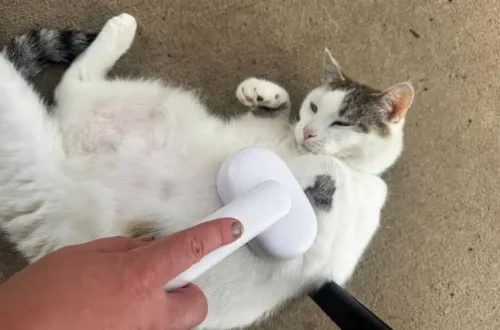
The British Shorthair has a thick, plush coat that is surprisingly easy to maintain. Although it does not require as much grooming as long-haired breeds, regular coat care helps keep the fur healthy and reduces loose hair.
Brushing
Brush your British Shorthair Cat once or twice each week using a soft-bristle brush or grooming comb.
During spring and fall, when seasonal shedding increases, brushing two to three times per week helps remove loose fur before it spreads around your home.
Regular brushing helps:
- Remove loose hair
- Reduce hairballs
- Keep the coat shiny
- Stimulate healthy skin
- Prevent excessive shedding
Bathing
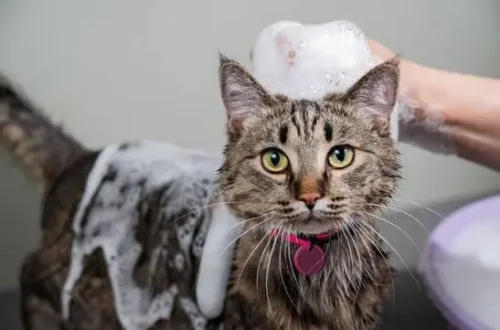
Most British Shorthair cats rarely need baths. Bathing every few months, or only when necessary, is usually enough.
Always use a shampoo designed specifically for cats.
Nail Trimming
Trim your cat’s nails every 2–4 weeks to prevent overgrowth and reduce scratching damage.
Ear Cleaning
Check the ears weekly for dirt, wax, or redness. Clean them only when necessary using a veterinarian-approved ear cleaner.
Dental Care
Brushing your cat’s teeth several times each week helps reduce plaque buildup and supports long-term dental health.
Shedding
Many new owners wonder how much a British Shorthair sheds.
Although the breed has a short coat, it has a very dense undercoat, so moderate shedding is completely normal.
Seasonal Shedding
A British Shorthair Cat typically sheds more during spring and autumn as it changes coats.
How to Reduce Shedding
You can reduce loose fur by:
- Brushing regularly
- Feeding a balanced diet
- Providing fresh drinking water
- Keeping your cat active
- Scheduling regular veterinary checkups
Even the famous British Blue Cat follows the same seasonal shedding pattern as other color varieties.
Common Health Problems
The British Shorthair is generally considered a healthy breed, but like many pedigree cats, it can develop certain inherited or age-related conditions.
Hypertrophic Cardiomyopathy (HCM)
HCM is the most common inherited heart disease in cats. Responsible breeders often screen breeding cats to reduce the risk.
Polycystic Kidney Disease (PKD)
Although less common than in some other breeds, PKD can occur in British Shorthair Cats. Genetic testing has helped reduce its frequency.
Obesity
The calm British Shorthair Personality means some cats are less active than other breeds. Without proper portion control and exercise, weight gain can become a problem.
Dental Disease
Plaque and tartar buildup may lead to gum disease if dental care is neglected.
Arthritis
Older British Shorthairs may develop arthritis because of their sturdy body structure and advancing age.
Routine veterinary care and maintaining a healthy weight can reduce the risk of many health problems.
Lifespan
A healthy British Shorthair usually lives between 12 and 20 years, making it one of the longer-lived pedigree cat breeds.
Factors That Influence Lifespan
- Genetics
- Nutrition
- Healthy body weight
- Regular veterinary care
- Indoor living
- Dental health
- Exercise
Providing preventive healthcare and a balanced lifestyle allows many British Shorthair Cats to enjoy long, healthy lives.
Diet and Nutrition
Proper nutrition plays an important role in maintaining a healthy British Shorthair.
High-Quality Protein
Cats are obligate carnivores and require animal-based protein to support muscles and overall health.
Portion Control
Because the British Shorthair’s personality is generally calm, some cats burn fewer calories than highly active breeds. Measuring meals helps prevent obesity.
Wet vs. Dry Food
Many veterinarians recommend feeding a combination of wet and dry food to provide balanced nutrition and support hydration.
Fresh Water
Always provide clean drinking water throughout the day.
Nutrients for Coat Health
Choose foods containing:
- Omega-3 fatty acids
- Omega-6 fatty acids
- Vitamin E
- Zinc
- High-quality animal protein
These nutrients help maintain the thick, plush coat that makes the British Blue Cat and other color varieties so attractive.
Daily Care Checklist
A British Shorthair thrives with consistent daily care and attention.
Every Day
- Provide fresh food and water.
- Scoop the litter box.
- Spend time playing together.
- Observe your cat’s overall behavior and appetite.
Every Week
- Brush the coat.
- Check ears and eyes.
- Inspect the skin for irritation.
- Examine the teeth if possible.
Every Month
- Trim nails.
- Check body weight.
- Clean grooming tools.
Every Year
- Schedule a veterinary wellness examination.
- Keep vaccinations up to date.
- Discuss parasite prevention with your veterinarian.
Care Summary Table
| Care Task | Recommended Frequency |
|---|---|
| Brushing | 1–2 times weekly (2–3 during shedding season) |
| Bathing | Every few months or when needed |
| Nail Trimming | Every 2–4 weeks |
| Ear Check | Weekly |
| Teeth Brushing | Several times weekly |
| Veterinary Checkup | Once per year |
| Parasite Prevention | As recommended by your veterinarian |
British Shorthair vs Scottish Fold
These two breeds are often compared because both have calm personalities and adorable round faces. However, they differ in appearance, grooming needs, and health considerations.
| Feature | British Shorthair | Scottish Fold |
|---|---|---|
| Face | Round | Round |
| Ears | Upright | Folded |
| Coat | Dense and Plush | Short or Long |
| Activity | Moderate | Moderate |
| Grooming | Low to Moderate | Low to Moderate |
| Common Health Concerns | HCM, Obesity | Joint and cartilage issues |
| Lifespan | 12–20 Years | 11–15 Years |
If you prefer naturally upright ears and a sturdy build, the British Shorthair Cat is often the better choice. Those who love folded ears may prefer the Scottish Fold, although potential health issues should be considered.
British Shorthair vs American Shorthair
Although these breeds look similar at first glance, they have several important differences.
| Feature | British Shorthair | American Shorthair |
|---|---|---|
| Origin | United Kingdom | United States |
| Body | Stocky and Heavy | Athletic and Muscular |
| Coat | Dense Plush Coat | Short Dense Coat |
| Personality | Calm and Independent | Playful and Adaptable |
| Growth Rate | Slow | Average |
| Lifespan | 12–20 Years | 15–20 Years |
The British breed is generally quieter and more relaxed, while the American Shorthair tends to be slightly more active and playful.
Price
The cost of bringing one of these cats home depends on pedigree, breeder reputation, and location.
Kitten Price
A responsibly bred kitten usually costs between $1,000 and $3,500.
Rare coat colors or champion bloodlines may increase the price.
Adoption
Some rescue organizations and shelters occasionally have adult cats available for $75–$300, making adoption a more affordable option.
Annual Ownership Costs
Owners should also budget for:
- Premium cat food
- Routine veterinary care
- Vaccinations
- Pet insurance (optional)
- Toys and scratching posts
- Grooming supplies
Pros and Cons
Pros
- Calm and gentle temperament
- Beautiful plush coat
- Excellent indoor companion
- Friendly with respectful children
- Usually quiet around the home
- Easy grooming compared with many long-haired breeds
- Available in many attractive colors, including the famous British Blue Cat
Cons
- Can become overweight without enough exercise
- Moderate seasonal shedding
- May not enjoy being carried for long periods
- Purebred kittens can be expensive
- Needs regular dental care and routine health checks
Is This Breed Right for You?
If you’re looking for a relaxed companion that enjoys being close to its family without demanding constant attention, this breed is an excellent choice.
Its calm nature makes it suitable for:
- Families
- Couples
- Seniors
- Apartment living
- First-time cat owners
- Multi-pet households
The British Shorthair’s personality is often described as affectionate yet independent. Many enjoy sitting beside their owners rather than constantly seeking attention, making them ideal for people who appreciate a quiet companion.
Final Verdict
The British Shorthair remains one of the world’s most admired pedigree cats because of its sturdy build, plush coat, and dependable temperament. Whether you choose the classic British Blue Cat or another recognized color, you’ll gain a loyal companion with a gentle personality and relatively easy care requirements.
With proper nutrition, regular veterinary care, moderate exercise, and routine grooming, this breed can remain healthy and happy for many years, making it a wonderful addition to a wide variety of households.
Frequently Asked Questions (FAQs)
1. Are British Shorthairs friendly?
Yes. They are generally gentle, calm, and affectionate while also enjoying their independence.
2. Are British Shorthairs lazy?
Not exactly. They enjoy playtime but are usually less energetic than many other breeds.
3. Do British Shorthairs shed a lot?
They shed moderately throughout the year, with heavier shedding during seasonal coat changes.
4. How much does a British Shorthair cost?
Purebred kittens commonly cost between $1,000 and $3,500, while adoption fees are usually much lower.
5. Is a British Blue Cat a separate breed?
No. The British Blue Cat is simply the blue-gray color variety of the British Shorthair breed.
6. Are they good with children?
Yes. Their patient temperament makes them excellent companions for respectful children.
7. How long do they live?
Most live between 12 and 20 years with proper care.
8. Are they indoor cats?
Yes. They generally thrive as indoor pets where they are protected from traffic, disease, and predators.
9. Are British Shorthairs hypoallergenic?
No. Like other cats, they produce allergens and are not considered hypoallergenic.
10. Why are they called teddy bear cats?
Their round face, chubby cheeks, dense coat, and large eyes give them a soft, teddy bear-like appearance.
11. Do they get along with dogs?
Many adapt well to calm, cat-friendly dogs when introduced properly.
12. What is the best diet for this breed?
A balanced diet rich in high-quality animal protein helps maintain healthy muscles and coat condition.
13. Do they like being held?
Some tolerate being held briefly, but many prefer sitting beside their owners instead.
14. When do they reach full size?
Most continue developing until they are 3–5 years old, which is slower than many cat breeds.
15. Is this breed good for first-time owners?
Yes. Their easygoing nature, manageable grooming needs, and adaptable temperament make them an excellent choice for beginners.