







Thai Cat
Introduction
The Thai Cat is the original form of the Siamese cat, preserving the classic appearance and personality that made this ancient breed famous centuries ago. Originating in Thailand, formerly known as Siam, the Thai Cat Breed is admired for its striking blue eyes, elegant colorpoint coat, and affectionate temperament. Unlike the modern Siamese, the Traditional Siamese has a rounder head, a sturdier body, and a softer overall appearance. Friendly, intelligent, and highly social, the Thai Cat forms strong bonds with its family and enjoys being involved in everyday life. This guide covers everything you need to know about the Thai Cat, from its history and appearance to its care and personality.
What Is a Thai Cat?
The Thai Cat is a natural breed that represents the original Siamese cats from Thailand.
While the modern Siamese has become more slender through selective breeding, the Traditional Siamese preserves the classic body shape and balanced features that existed for generations.
Today, the Thai Cat Breed is appreciated for its affectionate personality, intelligence, and timeless beauty.
Key Characteristics
- Medium-sized body
- Round head
- Blue eyes
- Colorpoint coat
- Muscular build
- Intelligent personality
- Social nature
- Family companion
The Thai Cat is known for building close relationships with its owners while remaining playful and curious throughout its life.
Thai Cat History
The Thai Cat originated in Thailand, formerly known as Siam, where it has been admired for hundreds of years.
Ancient manuscripts known as the Tamra Maew describe cats that closely resemble today’s Traditional Siamese.
During the late nineteenth century, these cats were introduced to Europe, where they quickly became popular.
Over time, selective breeding created the modern Siamese with its longer, more slender appearance.
Breeders who wished to preserve the original body type continued breeding the classic cats, leading to recognition of the Thai Cat Breed as a separate breed.
Today, the Thai Cat remains one of the best examples of the original Siamese type.
While the Thai Cat is admired for its intelligence and affectionate nature, the Ceylon Cat is known for its sleek body, playful temperament, and unique heritage.
Appearance
The Thai Cat combines elegance with a naturally balanced and muscular body.
Body
The breed has a medium-sized frame with well-developed muscles and strong proportions.
Head
Unlike the modern Siamese, the Traditional Siamese has a rounded “apple-head” shape with soft facial contours.
Eyes
Large almond-shaped blue eyes create one of the breed’s most recognizable features.
The vivid blue eye color contrasts beautifully with the colorpoint coat.
Ears
The ears are medium in size, broad at the base, and slightly rounded at the tips.
Tail
The tail is medium in length, flexible, and proportionate to the body.
Coat
The Thai Cat Breed has a short, silky coat that lies close to the body.
Its smooth texture requires relatively little maintenance.
Coat Colors & Patterns
The Thai Cat is best known for its beautiful colorpoint pattern.
Kittens are usually born almost entirely white before darker points gradually develop as they mature.
Accepted Colorpoints
- Seal Point
- Blue Point
- Chocolate Point
- Lilac Point
Some breed organizations may also recognize additional point colors depending on their breeding standards.
Coat Characteristics
The coat is generally:
- Short
- Fine
- Silky
- Close-fitting
The sleek coat highlights the breed’s athletic body while remaining easy to groom.
Thai Cat Personality
One of the reasons the Thai Cat has remained popular for centuries is its affectionate and intelligent nature.
Affectionate
The breed enjoys spending time with family members and often follows its favorite people from room to room.
Intelligent
The Thai Cat Breed learns routines quickly and responds well to interactive play and training.
Vocal
Like its Siamese ancestors, the Thai Cat communicates frequently using a soft but expressive voice.
Loyal
The Traditional Siamese forms strong emotional bonds with its owners and enjoys close companionship.
Curious
Exploring new environments and investigating the household
Grooming Guide
The Thai Cat has a short, silky coat that is naturally easy to maintain. Unlike many long-haired breeds, it requires only basic grooming to keep its coat healthy and shiny.
A consistent grooming routine also gives you an opportunity to check your Thai Cat for any skin, ear, or dental problems.
Brushing
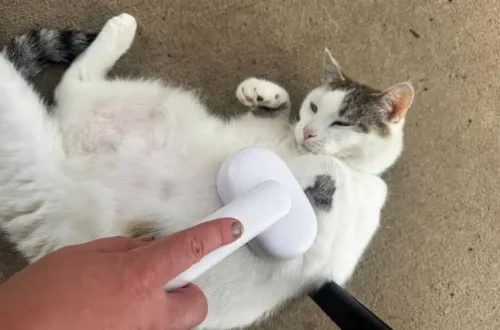
Brush your Thai Cat once or twice each week using a soft-bristle brush or rubber grooming mitt.
Regular brushing helps:
- Remove loose hair
- Reduce shedding
- Distribute natural skin oils
- Keep the coat shiny
- Support healthy skin
Because the coat is short and smooth, grooming sessions are usually quick and enjoyable.
Bathing
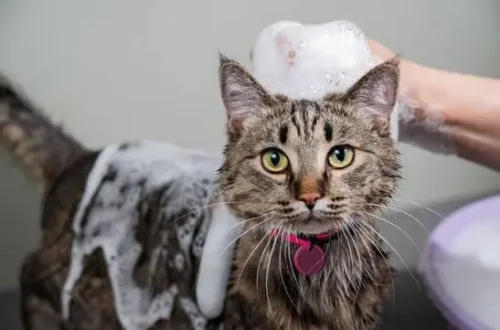
The Thai Cat Breed rarely needs frequent bathing.
Only bathe your cat when necessary using a gentle shampoo made specifically for cats.
Dry the coat carefully with a soft towel after bathing.
Ear Cleaning
Check the ears every week for:
- Dirt
- Wax buildup
- Redness
- Unpleasant odor
Clean only when necessary using a veterinarian-approved ear cleaner.
Nail Trimming
Trim the nails every 2–4 weeks to keep the paws healthy and comfortable.
Dental Care
Brush your cat’s teeth several times each week to reduce plaque buildup and promote healthy gums.
Shedding
The Thai Cat is considered a low to moderate shedder.
Although the breed sheds throughout the year, its short coat makes loose hair much easier to manage than that of many long-haired cats.
Why Shedding Changes
Shedding may increase because of:
- Seasonal coat changes
- Poor nutrition
- Stress
- Hormonal changes
- Skin health
Managing Shedding
Simple habits help control loose hair:
- Weekly brushing
- Balanced nutrition
- Fresh drinking water
- Healthy skin care
- Routine veterinary examinations
Regular grooming helps keep both your cat and your home cleaner.
Exercise & Mental Stimulation
The Thai Cat is an active and intelligent breed that enjoys daily physical and mental challenges.
The playful personality inherited from the Traditional Siamese makes regular exercise especially important.
Daily Exercise
Aim for 30–45 minutes of interactive play every day.
Favorite activities include:
- Feather wand toys
- Puzzle feeders
- Interactive balls
- Cat tunnels
- Climbing trees
- Chasing games
Climbing
The Thai Cat Breed enjoys climbing and observing its surroundings from elevated places.
Provide:
- Cat trees
- Window perches
- Wall shelves
- Scratching posts
Mental Enrichment
The intelligent Thai Cat benefits from:
- Puzzle toys
- Clicker training
- Food puzzles
- Interactive games
- Rotating toys
Daily enrichment helps prevent boredom while encouraging positive behavior.
Common Health Problems
The Thai Cat is generally a healthy breed, but like all cats, it can develop certain health conditions during its lifetime.
Responsible breeding and regular veterinary care help reduce many potential risks.
Dental Disease
Routine tooth brushing and professional cleanings help reduce plaque buildup and support healthy gums.
Obesity
Indoor cats may gain excess weight without enough exercise.
Measured feeding and regular activity help maintain a healthy body condition.
Progressive Retinal Atrophy (PRA)
Although uncommon, some cats may develop inherited eye conditions that can affect vision.
Responsible breeders screen breeding cats whenever possible.
Respiratory Concerns
Because the Traditional Siamese has a more moderate facial structure than the modern Siamese, breathing problems are generally less common.
Even so, routine veterinary care remains important.
Preventive Healthcare
Routine wellness visits should include:
- Physical examinations
- Vaccinations
- Parasite prevention
- Weight monitoring
- Dental assessments
Preventive care supports lifelong health and early detection of medical concerns.
Lifespan
A healthy Thai Cat generally lives between 12 and 18 years, and many individuals enjoy even longer lives with excellent care.
Factors That Affect Lifespan
- Genetics
- Balanced nutrition
- Healthy body weight
- Preventive veterinary care
- Daily exercise
- Indoor living
- Mental stimulation
Consistent care helps maximize both lifespan and quality of life.
Diet & Nutrition
Proper nutrition supports the muscles, immune system, skin, and overall health of a Thai Cat.
High-Quality Protein
Choose foods that list animal protein as the primary ingredient.
Protein helps maintain lean muscles while providing energy for this active breed.
Wet vs. Dry Food
Many veterinarians recommend feeding a combination of wet and dry food to provide balanced nutrition while supporting hydration.
Portion Control
Feed measured portions based on:
- Age
- Activity level
- Body condition
- Veterinary recommendations
Avoid overfeeding to reduce the risk of obesity.
Fresh Water
Always provide clean, fresh drinking water throughout the day.
Proper hydration supports kidney health and overall well-being.
Nutrients That Support Overall Health
Look for foods containing:
- Omega-3 fatty acids
- Omega-6 fatty acids
- Taurine
- Vitamin E
- High-quality animal protein
These nutrients help support healthy skin, a silky coat, heart health, vision, and immune function.
Daily Care Checklist
A consistent routine helps keep your Thai Cat healthy and happy.
Every Day
- Provide fresh food and water.
- Spend time playing together.
- Scoop the litter box.
- Observe appetite and activity.
Every Week
- Brush the coat.
- Check the ears.
- Brush the teeth several times.
- Inspect the skin and coat.
Every Month
- Trim nails.
- Monitor body weight.
- Clean grooming tools.
Every Year
- Schedule a veterinary wellness examination.
- Keep vaccinations up to date.
- Review parasite prevention.
Care Summary Table
| Care Task | Recommended Frequency |
|---|---|
| Brushing | Once or twice weekly |
| Bathing | Only when needed |
| Ear Inspection | Weekly |
| Nail Trimming | Every 2–4 weeks |
| Teeth Brushing | Several times weekly |
| Veterinary Checkup | Once per year |
| Daily Exercise | 30–45 minutes |
Thai Cat vs Modern Siamese
The Thai Cat and the modern Siamese share the same ancestry, but they have developed into two distinct breeds with noticeable differences in appearance and body structure.
| Feature | Thai Cat | Modern Siamese |
|---|---|---|
| Origin | Thailand (Siam) | Developed from the original Siamese |
| Body Type | Medium, muscular | Long, slender, elegant |
| Head Shape | Rounded “apple-head” | Long wedge-shaped head |
| Eyes | Blue, almond-shaped | Blue, almond-shaped |
| Coat | Short, silky | Short, fine |
| Personality | Affectionate, playful, social | Vocal, energetic, highly social |
| Grooming | Low | Low |
The Traditional Siamese retains the original body shape that existed centuries ago, while the modern Siamese has been selectively bred for a more refined appearance. Both breeds are intelligent and loving companions, but many people prefer the Traditional Siamese because of its balanced physique and classic look.
Thai Cat Price
The price of a Thai Cat depends on pedigree, breeder reputation, bloodline, and location.
Kitten Price
Pet-quality kittens generally cost between $800 and $2,000.
Show-quality kittens from champion bloodlines may cost $2,500 to $4,000 or more.
Adoption
Although finding a Thai Cat through rescue organizations can be difficult, adoption is sometimes possible.
Adoption fees usually range from $100 to $500.
Initial Supplies
Before bringing your kitten home, budget for:
- Food and water bowls
- Litter box
- Cat carrier
- Cat tree
- Scratching posts
- Interactive toys
- Grooming supplies
- High-quality cat food
Annual Ownership Costs
Ongoing yearly expenses may include:
- Premium cat food
- Veterinary examinations
- Vaccinations
- Parasite prevention
- Dental care
- Toys and enrichment
- Pet insurance (optional)
Planning ahead helps provide excellent lifelong care.
Pros and Cons
Pros
- Affectionate and loyal
- Highly intelligent
- Easy to groom
- Beautiful blue eyes
- Active and playful
- Strong family companion
- Adaptable to indoor living
Cons
- Needs daily attention
- Can become lonely if left alone for long periods
- Requires regular mental stimulation
- May be vocal
- Purchase price may be high
Is a Thai Cat Right for You?
The Thai Cat is an excellent choice for owners looking for a friendly, intelligent, and interactive companion.
The breed is especially suitable for:
- Families
- Couples
- Singles
- Seniors
- Multi-pet households
- First-time owners willing to provide daily interaction
The Traditional Siamese thrives in homes where family members spend plenty of time with their pets. These cats enjoy participating in everyday activities and forming close relationships with the people around them.
If you can provide quality nutrition, daily play, regular veterinary care, and lots of companionship, the Thai Cat Breed can become a devoted member of your family for many years.
Final Verdict
The Thai Cat preserves the original beauty and personality of the ancient Siamese cats from Thailand. With its rounded head, vivid blue eyes, silky colorpoint coat, and affectionate nature, it remains one of the most charming companion breeds available today.
Unlike the more modern Siamese, the Traditional Siamese offers a balanced body type while maintaining the intelligence, curiosity, and social personality that made the breed famous worldwide. With proper nutrition, preventive healthcare, regular exercise, and daily interaction, the Thai Cat can enjoy a long, healthy, and rewarding life.
Frequently Asked Questions (FAQs)
1. Is a Thai Cat a good family pet?
Yes. The breed is affectionate, intelligent, and usually gets along well with children and other pets.
2. What is a Thai Cat Breed?
The Thai Cat Breed is the traditional form of the Siamese cat that preserves the original appearance and personality of cats from Thailand.
3. Is a Thai Cat the same as a Traditional Siamese?
Yes. The Thai Cat is commonly recognized as the Traditional Siamese, representing the original Siamese body type before modern selective breeding.
4. How big do Thai Cats get?
Adult females usually weigh 7–10 pounds, while males generally weigh 9–14 pounds.
5. What colors do Thai Cats come in?
They are best known for seal point, blue point, chocolate point, and lilac point coat colors.
6. What is the average Thai Cat Price?
Most pet-quality kittens cost between $800 and $2,000, depending on breeder reputation and pedigree.
7. How long do Thai Cats live?
Most live between 12 and 18 years, and many enjoy even longer lives with excellent care.
8. Do Thai Cats shed?
Yes. They are low to moderate shedders and benefit from weekly brushing.
9. Are Thai Cats vocal?
Yes. Like their Siamese ancestors, they communicate with expressive voices and enjoy interacting with their owners.
10. Can Thai Cats live indoors?
Yes. Indoor living is recommended because it provides a safer environment while allowing plenty of opportunities for play and enrichment.
11. How often should they be groomed?
Weekly brushing, regular nail trimming, ear inspections, and dental care are usually sufficient.
12. Are Thai Cats active?
Yes. They enjoy climbing, puzzle toys, interactive games, and daily play sessions.
13. Do they get along with other pets?
Yes. With proper introductions, they generally adapt well to living with other cats and cat-friendly dogs.
14. Are Thai Cats rare?
They are less common than the modern Siamese in many countries, but dedicated breeders continue to preserve the breed worldwide.
15. Are they suitable for first-time owners?
Yes. Their affectionate temperament, intelligence, and relatively simple grooming needs make them an excellent choice for many first-time cat owners.