

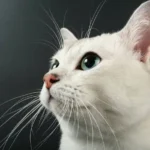


Ocicat
Introduction
The Ocicat is a remarkable domestic cat that resembles a wild feline while having a friendly and affectionate personality. Despite its exotic appearance, this breed has no wild ancestry. Instead, it was developed through selective breeding using domestic cats, resulting in a beautiful spotted coat and an outgoing temperament. Often called a Wild Looking Cat, the Ocicat is energetic, intelligent, and highly social. Its confidence, athletic ability, and love for human interaction make it an excellent companion for active families and experienced cat owners alike. This guide explores everything you should know about the breed, from its history to its unique personality and appearance.
What Is an Ocicat?
The Ocicat is a domestic cat breed famous for its spotted coat that closely resembles the appearance of a wild ocelot.
Although its name comes from the ocelot, the breed contains no wild cat genes. It was created by crossing Siamese, Abyssinian, and later American Shorthair cats to produce a healthy, athletic companion with an exotic look. (CFA)
Key Characteristics
- Spotted coat
- Muscular body
- Athletic build
- High intelligence
- Friendly temperament
- Active personality
- Strong social nature
- Family companion
The breed combines striking looks with the dependable temperament of a domestic cat.
Ocicat History
The Ocicat originated in the United States during the 1960s.
Breeder Virginia Daly was working to develop an Abyssinian-pointed Siamese when an unexpected spotted kitten appeared in one of her litters. That kitten, named Tonga, inspired the creation of an entirely new breed. Later breeding programs introduced the American Shorthair to improve the silver coat color and strengthen the body structure.
Over the following decades, breeders carefully established consistent traits while maintaining the breed’s friendly personality and excellent health. Today, the Ocicat is recognized by major cat associations around the world. (CFA; TICA)
While the Ocicat is admired for its wild-looking spotted coat, the Colorpoint Shorthair is known for its sleek body, vibrant color points, and social temperament.
Appearance
It has a strong, athletic body with a naturally elegant appearance.
Its spotted coat gives the impression of a miniature wild cat, while its balanced proportions reflect power and agility.
Body
The breed has a muscular, medium-to-large body with a solid frame and excellent balance.
Head
The head forms a modified wedge shape with a broad muzzle.
Eyes
Large almond-shaped eyes create an alert, expressive look.
Eye colors include:
- Gold
- Copper
- Green
- Hazel
- Blue is not accepted except in pointed varieties not recognized as Ocicats.
Ears
Medium-sized ears sit slightly angled on the head.
Some individuals develop small lynx-like ear tufts.
Tail
The tail is moderately long, tapering slightly toward the tip.
Coat
The coat is:
- Short
- Smooth
- Dense
- Satin-like
- Glossy
Each hair is ticked, creating the beautiful spotted pattern that defines the breed. (CFA)
Coat Colors & Patterns
It is known for its distinctive thumbprint-shaped spots arranged across the body.
Common Colors
- Tawny
- Chocolate
- Cinnamon
- Blue
- Lavender
- Fawn
- Silver Tawny
- Silver Chocolate
- Silver Blue
- Silver Lavender
- Silver Cinnamon
- Silver Fawn
Coat Pattern
Every Ocicat displays a spotted tabby pattern with clearly defined markings.
The spots appear across:
- Body
- Legs
- Shoulders
- Flanks
- Tail
The forehead usually displays the classic “M” tabby marking.
Ocicat Personality
The Ocicat Personality is one of the breed’s most attractive qualities.
These cats are highly social and enjoy participating in everyday family activities.
Affectionate
Most enjoy staying close to their owners and often follow family members from room to room.
Intelligent
They learn routines quickly and can even be taught tricks using positive reinforcement.
Curious
Exploring new places and investigating interesting objects are part of their daily behavior.
Playful
Many remain energetic well into adulthood and enjoy interactive games.
Confident
The breed is generally comfortable meeting visitors and adapting to new environments.
Social
Most Ocicat cats get along well with children, other cats, and cat-friendly dogs when introduced properly.
Why Is the Ocicat Unique?
Several features make the Ocicat stand out from other domestic breeds.
Its most distinctive qualities include:
- Wild appearance
- Spotted coat
- Athletic body
- Friendly temperament
- High intelligence
- Domestic ancestry
Unlike many people assume, this Wild Looking Cat has no wild blood despite its exotic appearance.
Is an Ocicat a Good Family Pet?
The Ocicat adapts well to many different lifestyles.
The breed is often a great choice for:
- Families
- Couples
- Singles
- Homes with children
- Multi-pet households
- Active owners
Because they enjoy companionship, these cats usually thrive when they receive regular attention and daily interaction.
Ocicat Size
The Ocicat is considered a medium-to-large breed.
Average Height
- 9–11 inches
Average Weight
- Females: 6–9 pounds
- Males: 9–15 pounds
Growth Stages
Kitten (0–6 Months)
Rapid growth with high energy and curiosity.
Junior (6–18 Months)
Muscle development continues while confidence increases.
Adult (18–24 Months)
Most cats reach full physical maturity by around two years of age.
Quick Facts
| Feature | Details |
|---|---|
| Origin | United States |
| Breed Type | Domestic Purebred |
| Coat | Short |
| Weight | 6–15 lbs |
| Lifespan | 12–18 Years |
| Grooming | Low |
| Shedding | Low |
| Personality | Intelligent, Friendly, Active |
Why Is the Ocicat Becoming More Popular?
Interest in the Ocicat continues to grow because it offers the dramatic appearance of a wild feline without sacrificing the affectionate nature of a domestic pet. Many owners appreciate its intelligence, confidence, and playful attitude. The combination of athletic ability, beautiful spotted markings, and an engaging Ocicat Personality makes this breed an excellent companion for active households.
Grooming & Coat Care
The Ocicat has a short, sleek coat that requires very little maintenance. Its smooth fur naturally stays clean, making this breed one of the easier cats to groom.
A simple grooming routine helps keep the coat shiny while allowing you to monitor your cat’s overall health.
Brushing
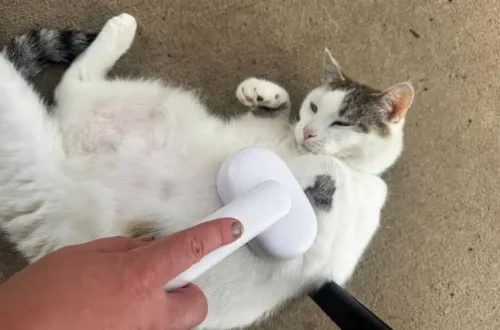
Brush your cat once each week using a soft-bristle brush or grooming glove.
Regular brushing helps:
- Remove loose hair
- Keep the coat glossy
- Distribute natural skin oils
- Reduce shedding
- Strengthen the bond with your pet
Because the coat is short, grooming sessions are usually quick and easy.
Bathing
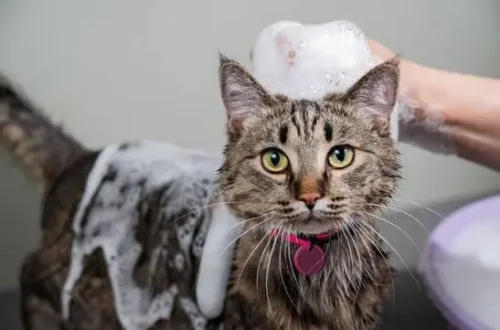
The Ocicat rarely needs regular baths.
Bathing is only recommended when:
- The coat becomes unusually dirty
- Recommended by your veterinarian
- The cat cannot clean itself properly
Always use a shampoo specifically made for cats.
Ear Cleaning
Inspect the ears every week for:
- Dirt
- Wax buildup
- Redness
- Unpleasant odor
Clean gently using veterinarian-approved ear-cleaning products.
Nail Trimming
Trim the nails every 2–4 weeks to maintain healthy paws and prevent overgrown claws.
Dental Care
Brush your cat’s teeth several times each week to reduce plaque and help prevent dental disease.
Shedding
The Ocicat is considered a low shedder.
Does an Ocicat Shed?
Yes, but shedding is generally light throughout the year.
Weekly brushing removes loose hair and helps maintain the smooth appearance of the coat.
Managing Shedding
To reduce loose fur:
- Brush regularly.
- Feed a balanced diet.
- Keep fresh water available.
- Schedule routine veterinary care.
- Wash bedding regularly.
Proper nutrition also supports healthy skin and coat condition.
Exercise & Mental Stimulation
The Ocicat is highly active and enjoys both physical exercise and mental challenges.
Without enough activity, this intelligent breed may become bored.
Daily Exercise
Provide 30–60 minutes of interactive play every day.
Favorite activities include:
- Feather wand toys
- Puzzle feeders
- Interactive balls
- Climbing trees
- Fetch games
- Cat tunnels
Climbing
As a naturally athletic Wild Looking Cat, the breed enjoys climbing and exploring elevated spaces.
Provide:
- Cat trees
- Wall shelves
- Window perches
- Scratching posts
These encourage healthy exercise while satisfying natural instincts.
Mental Enrichment
The intelligent Ocicat Personality benefits from:
- Puzzle toys
- Clicker training
- Food puzzles
- Toy rotation
- Interactive play sessions
Mental stimulation helps keep this active breed happy and engaged.
Common Health Problems
The Ocicat is generally considered a healthy breed, but like all cats, it can develop certain medical conditions.
Routine veterinary care helps identify potential concerns early.
Periodontal Disease
Dental disease may develop if oral hygiene is neglected.
Regular brushing greatly reduces plaque buildup.
Obesity
Indoor cats may gain excess weight without sufficient exercise.
Maintaining a healthy body weight supports long-term health.
Hypertrophic Cardiomyopathy (HCM)
Although uncommon, some individuals may develop hypertrophic cardiomyopathy, a heart condition found in several cat breeds.
Routine veterinary examinations help monitor heart health.
Progressive Retinal Atrophy (PRA)
Responsible breeders screen for inherited eye conditions, including progressive retinal atrophy.
Routine Veterinary Care
Schedule regular examinations that include:
- Physical checkups
- Vaccinations
- Parasite prevention
- Dental evaluations
- Weight monitoring
Preventive care plays an important role in maintaining lifelong health.
Lifespan
A healthy Ocicat typically lives between 12 and 18 years, with many enjoying long, active lives when properly cared for.
Factors That Affect Lifespan
- Genetics
- Balanced nutrition
- Routine veterinary care
- Daily exercise
- Indoor living
- Healthy body weight
Consistent care supports both longevity and overall well-being.
Diet & Nutrition
Proper nutrition supports the muscles, coat, immune system, and energy level of the Ocicat.
High-Quality Protein
Choose foods with animal protein listed as the primary ingredient.
Protein supports:
- Lean muscle
- Healthy growth
- Strong immunity
Wet vs. Dry Food
Many veterinarians recommend feeding both wet and dry food to provide balanced nutrition while encouraging healthy hydration.
Portion Control
Feed measured portions based on:
- Age
- Activity level
- Body condition
- Veterinary advice
Maintaining a healthy weight reduces the risk of obesity.
Fresh Water
Always provide clean drinking water throughout the day.
Proper hydration supports healthy kidney function and overall wellness.
Nutrients That Support Coat Health
Look for foods containing:
- Omega-3 fatty acids
- Omega-6 fatty acids
- Taurine
- Vitamin E
- High-quality protein
These nutrients help maintain the breed’s glossy coat and healthy skin.
Daily Care Checklist
Following a simple routine helps keep your Ocicat healthy and active.
Every Day
- Provide fresh food and water.
- Spend time playing together.
- Scoop the litter box.
- Observe appetite and behavior.
Every Week
- Brush the coat.
- Check the ears.
- Brush the teeth.
- Inspect the skin and coat.
Every Month
- Trim nails.
- Monitor body weight.
- Clean grooming tools.
Every Year
- Schedule a veterinary wellness examination.
- Update vaccinations.
- Continue parasite prevention.
- Review nutritional needs with your veterinarian.
Care Summary Table
| Care Task | Recommended Frequency |
|---|---|
| Brushing | Once weekly |
| Bathing | As needed |
| Ear Inspection | Weekly |
| Nail Trimming | Every 2–4 weeks |
| Teeth Brushing | Several times weekly |
| Veterinary Checkup | Once yearly |
| Daily Exercise | 30–60 minutes |
Ocicat vs Bengal
The Ocicat and the Bengal are both admired for their exotic appearance, but they have different origins and characteristics.
While the Bengal descends partly from the Asian leopard cat, the Ocicat is entirely domestic despite its wild appearance.
| Feature | Ocicat | Bengal |
|---|---|---|
| Origin | United States | United States |
| Wild Ancestry | None | Yes |
| Coat Pattern | Spotted | Rosetted or marbled |
| Coat Length | Short | Short |
| Personality | Social, affectionate, confident | Energetic, curious, intelligent |
| Activity Level | High | Very high |
The Wild Looking Cat appearance of the Ocicat often surprises people because it comes entirely from selective breeding rather than wild genetics.
Ocicat Price
The Ocicat Price varies depending on pedigree, breeder reputation, and location.
Kitten Price
Pet-quality kittens generally cost between $800 and $2,000.
Show-quality kittens from established breeders may cost $2,500 to $4,000 or more.
Adoption
Although uncommon, adult Ocicats sometimes become available through breed rescues and shelters.
Typical adoption fees range from $100 to $400.
Initial Supplies
Before bringing your kitten home, budget for:
- Food and water bowls
- Litter box
- Cat carrier
- Comfortable bed
- Scratching post
- Interactive toys
- Grooming supplies
- Premium cat food
Annual Ownership Costs
Yearly expenses commonly include:
- Quality food
- Veterinary care
- Vaccinations
- Dental care
- Parasite prevention
- Replacement toys
- Optional pet insurance
Planning ahead helps ensure your cat receives excellent lifelong care.
Pros and Cons
Pros
- Beautiful spotted coat
- Friendly personality
- Highly intelligent
- Easy-to-maintain coat
- Excellent family companion
- Usually gets along well with other pets
- Long lifespan
Cons
- Requires daily mental stimulation
- High activity level
- May dislike being left alone for long periods
- Can become bored without enrichment
- Purchase price may be relatively high
Is an Ocicat Right for You?
The Ocicat is an excellent choice for people looking for an active, affectionate, and intelligent companion.
The breed is suitable for:
- Families
- Couples
- Singles
- Homes with children
- Multi-pet households
- Active owners
The friendly Ocicat Personality allows the breed to adapt well to homes where it receives regular attention and opportunities for daily play.
If you can provide quality nutrition, exercise, routine veterinary care, and plenty of interaction, this remarkable breed can become a loyal member of your family.
Final Verdict
The Ocicat offers the dramatic appearance of a wild feline while maintaining the loving temperament of a domestic cat. Its spotted coat, athletic body, and social personality make it one of the most distinctive companion breeds available today.
Although the breed enjoys plenty of activity and mental stimulation, it rewards owners with loyalty, intelligence, and affectionate companionship. Whether living with a family or a single owner, the Wild Looking Cat adapts well to indoor life when provided with proper care, regular exercise, and daily interaction.
Frequently Asked Questions (FAQs)
1. What is an Ocicat?
It is a domestic cat breed with a spotted coat that resembles a wild cat but has no wild ancestry.
2. Does the Ocicat have wild blood?
No. Despite its appearance, the breed was developed entirely from domestic cats.
3. What is the average Ocicat Price?
Most kittens cost between $800 and $2,000, while show-quality cats may cost considerably more.
4. How big do Ocicats get?
Most adults weigh between 6 and 15 pounds, with males generally being larger than females.
5. Does an Ocicat shed?
Yes, but shedding is usually light because of the breed’s short coat.
6. How long does an Ocicat live?
Most live between 12 and 18 years when provided with proper nutrition and veterinary care.
7. Is the Ocicat hypoallergenic?
No. Like all cats, it produces allergens and is not considered hypoallergenic.
8. Can an Ocicat live indoors?
Yes. Indoor living is recommended because it protects the cat from disease, accidents, and other outdoor hazards.
9. Does the Ocicat get along with dogs?
Yes. With proper introductions, the breed usually adapts well to calm, cat-friendly dogs.
10. How often should an Ocicat be groomed?
Weekly brushing is usually enough to maintain the healthy appearance of the coat.
11. Is the Ocicat active?
Yes. The breed enjoys climbing, puzzle toys, interactive games, and daily play sessions.
12. Is the Ocicat easy to train?
Yes. Their intelligence allows many individuals to learn tricks, commands, and even leash walking through positive reinforcement.
13. Is the Ocicat suitable for first-time owners?
Yes. Owners who can provide enough daily interaction and exercise often find the breed rewarding and easy to live with.
14. Why is the Ocicat called a Wild Looking Cat?
Its spotted coat closely resembles that of a wild ocelot, even though the breed has no wild ancestry.
15. Is the Ocicat a good family pet?
Yes. The breed is affectionate, social, and generally gets along well with children and other pets, making it an excellent family companion.