


Elf Cat
Introduction
The Elf Cat is one of the most unusual and eye-catching cat breeds in the world. Recognized for its hairless body and distinctive curled ears, this affectionate companion combines the playful personality of the Sphynx with the unique ear shape of the American Curl. The Elf Cat Breed is intelligent, social, and highly people-oriented, making it an excellent choice for owners who enjoy interactive pets. Often called the Hairless Cat with Curled Ears, this rare breed requires specialized skin care but rewards its owners with loyalty, affection, and endless entertainment. This guide explores everything you need to know about the Elf Cat, including its history, appearance, personality, and daily care.
What Is an Elf Cat?
The Elf Cat is a rare hybrid breed developed by crossing the Sphynx with the American Curl.
The result is a cat that combines a nearly hairless body with elegantly curved ears and a friendly personality.
Unlike many traditional cat breeds, the Elf Breed is admired more for its unique appearance and affectionate nature than for its coat.
Key Characteristics
- Hairless body
- Curled ears
- Medium-sized build
- Muscular body
- Warm skin
- Intelligent personality
- Social temperament
- Family companion
The Hairless Cat with Curled Ears is known for forming strong bonds with its owners and enjoying constant interaction.
Elf Cat History
The Cat is a relatively modern breed that originated in the United States.
Breeders wanted to combine the hairless appearance of the Sphynx with the naturally curled ears of the American Curl.
The goal was to create a healthy, affectionate companion with a distinctive appearance.
Through careful breeding, the Elf Breed developed into the unique cat known today.
Although still considered rare, interest in the breed continues to grow among cat enthusiasts who appreciate unusual companion animals.
Responsible breeders continue working to improve the breed while maintaining its health and temperament.
While the Elf Cat is admired for its hairless body and curled ears, the Arabian Mau is known for its athletic build, natural desert origins, and affectionate personality.
Appearance
It has a striking appearance unlike almost any other domestic cat.
Body
The breed has a medium-sized, muscular body with a solid frame and graceful posture.
Despite being hairless, the body feels warm and surprisingly soft to the touch.
Head
Its head is slightly rounded with defined cheekbones and a balanced facial structure.
Eyes
Large expressive eyes give the Cat an alert and curious appearance.
Eye color varies depending on genetics and skin pigmentation.
Ears
Curled ears are the breed’s defining feature.
The ears curve gently backward, creating the distinctive appearance that inspired the breed’s name.
Tail
The tail is long, flexible, and may have a small tuft of hair at the tip in some individuals.
Skin
Instead of fur, the Hairless Cat with Curled Ears has soft skin with noticeable wrinkles around the face, neck, shoulders, and legs.
The skin feels warm because there is little or no insulating fur.
Skin Colors & Patterns
Although the Cat lacks a traditional coat, its skin displays many beautiful colors and patterns.
Common Skin Colors
- White
- Black
- Gray
- Cream
- Blue
- Chocolate
- Red
Common Patterns
- Solid
- Bicolor
- Tabby markings
- Tortoiseshell
- Colorpoint
Each Elf Breed displays unique pigmentation that gives every cat an individual appearance.
Skin Characteristics
The skin is generally:
- Hairless
- Soft
- Warm
- Wrinkled
Regular cleaning helps maintain healthy skin and prevent excess oil buildup.
Elf Cat Personality
The Elf Cat is famous for its affectionate, playful, and outgoing personality.
Affectionate
The breed loves spending time with people and often follows family members throughout the house.
Intelligent
The Cat learns routines quickly and enjoys solving puzzle toys and interactive games.
Social
Unlike more independent breeds, the Elf Cat enjoys constant companionship and rarely likes being left alone for long periods.
Curious
Exploring new environments and investigating household activities are favorite pastimes.
Playful
Daily games and interactive toys help satisfy the breed’s energetic personality.
Loyal
Many owners describe the Hairless Cat with Curled Ears as behaving almost like a small dog because of its devotion to family members.
Why Is the Elf Cat Unique?
The Elf Cat stands out because it combines two remarkable characteristics rarely seen together.
Its unique qualities include:
- Hairless body
- Curled ears
- Wrinkled skin
- Muscular build
- Friendly personality
- High intelligence
- Rare hybrid background
These distinctive features make the Elf Cat Breed one of the most recognizable companion cats in the world.
Is an Elf Cat a Good Family Pet?
The Elf Cat adapts well to many different households.
The breed generally gets along well with:
- Families
- Couples
- Singles
- Seniors
- Children
- Other cats
- Cat-friendly dogs
Because of its affectionate personality, the Elf Cat enjoys participating in everyday family activities and prefers not to spend long hours alone.
Elf Cat Size
The Elf Cat is considered a medium-sized breed with a muscular and athletic body.
Average Height
- 8–10 inches
Average Weight
- Females: 8–12 pounds
- Males: 10–15 pounds
Growth Stages
Kitten (0–6 Months)
Rapid physical growth with playful curiosity and developing coordination.
Junior (6–18 Months)
Muscle development continues while activity levels and confidence increase.
Adult (18–24 Months)
Most Elf Cat adults reach full physical maturity between eighteen months and two years of age.
Quick Facts
| Feature | Details |
|---|---|
| Origin | United States |
| Breed Type | Hybrid Breed |
| Coat | Hairless |
| Weight | 8–15 lbs |
| Lifespan | 12–15 Years |
| Grooming | Moderate |
| Shedding | None |
| Personality | Affectionate, Intelligent, Social |
Why Is the Elf Cat Becoming More Popular?
The Elf Cat continues to attract attention because of its extraordinary appearance and affectionate personality. Many owners appreciate that the Elf Cat Breed combines playful behavior with strong family bonds, while its curled ears create a look unlike any other domestic cat. As awareness grows, more people are discovering why the Hairless Cat with Curled Ears has become one of the most fascinating rare companion breeds.
Grooming & Skin Care
Unlike most cats, the Elf Cat has little or no fur to absorb natural skin oils. As a result, regular skin care is one of the most important parts of owning this unique breed.
A consistent grooming routine helps keep your Elf Cat healthy while reducing skin irritation and oil buildup.
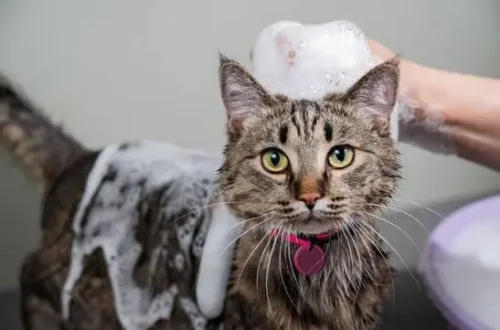
Weekly Bathing
Most Elf Cat owners bathe their cats every one to two weeks using a gentle cat shampoo.
Regular bathing helps:
- Remove excess skin oils
- Prevent clogged pores
- Reduce body odor
- Keep the skin healthy
- Lower the risk of skin infections
Always dry the skin thoroughly after bathing to help keep your cat comfortable.
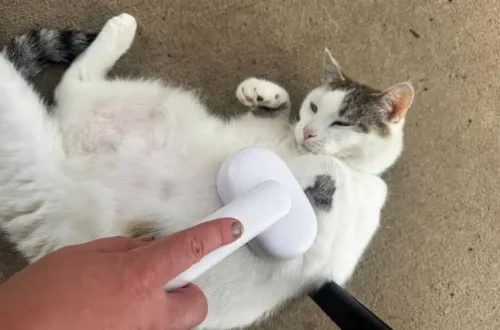
Skin Cleaning
Between baths, gently wipe the skin with a soft damp cloth if oil begins to accumulate.
Pay extra attention to skin folds around:
- Neck
- Face
- Legs
- Tail
- Belly
The Hairless Cat with Curled Ears benefits from routine skin inspections to identify irritation early.
Ear Cleaning
The Elf Cat Breed produces ear wax that should be cleaned regularly.
Inspect the ears every week for:
- Wax buildup
- Dirt
- Redness
- Unpleasant odor
Use only veterinarian-approved ear cleaners.
Nail Trimming
Trim nails every 2–4 weeks to maintain healthy paws.
Oil may also collect around the nail beds, so wipe them gently during grooming sessions.
Dental Care
Brush your cat’s teeth several times each week to reduce plaque buildup and support lifelong oral health.
Shedding
One of the most recognizable characteristics of the Elf Cat is the absence of traditional shedding.
Because the breed has very little or no fur, loose hair is generally not a concern.
Does an Elf Cat Shed?
The Elf Cat does not shed in the same way as coated breeds.
Instead of loose fur, owners mainly manage:
- Skin oils
- Dead skin cells
- Ear wax
- Skin debris
Grooming Routine
To keep the skin healthy:
- Bathe regularly.
- Wipe skin folds when needed.
- Clean the ears.
- Maintain nail hygiene.
- Use soft bedding that is washed frequently.
Although the Hairless Cat with Curled Ears does not leave fur around the home, regular skin care remains essential.
Exercise & Mental Stimulation
The Elf Cat is active, curious, and highly intelligent.
Daily activity helps maintain both physical fitness and emotional well-being.
Daily Exercise
Aim for 30–45 minutes of interactive play every day.
Favorite activities include:
- Feather wand toys
- Puzzle feeders
- Interactive balls
- Cat tunnels
- Climbing structures
- Fetch-style games
Climbing
The Elf Cat Breed enjoys climbing and exploring elevated areas.
Provide:
- Cat trees
- Window perches
- Wall shelves
- Scratching posts
Mental Enrichment
The intelligent Elf Cat benefits from:
- Puzzle toys
- Clicker training
- Food puzzles
- Rotating toys
- Interactive games
Mental stimulation helps prevent boredom while encouraging healthy behavior.
Common Health Problems
The Elf Cat is generally healthy when responsibly bred, but owners should understand several health conditions commonly associated with the breed.
Hypertrophic Cardiomyopathy (HCM)
One of the most important health concerns is Hypertrophic Cardiomyopathy (HCM), a heart condition that affects many hairless cat breeds.
Responsible breeders often perform heart screening to reduce inherited risk.
Skin Infections
Because the Elf Cat has exposed skin, poor hygiene may lead to:
- Skin irritation
- Bacterial infections
- Acne
- Oil buildup
Routine bathing helps reduce these risks.
Sunburn
Without protective fur, the Hairless Cat with Curled Ears is more sensitive to direct sunlight.
Limit prolonged sun exposure and provide shaded indoor areas whenever possible.
Cold Sensitivity
The Elf Cat loses body heat more quickly than coated breeds.
During colder months, many owners provide:
- Warm blankets
- Heated cat beds
- Soft clothing designed for cats (when tolerated)
Ear Infections
Regular ear cleaning helps prevent wax buildup and reduces the likelihood of infection.
Dental Disease
Routine tooth brushing and professional dental care help maintain healthy gums and teeth.
Preventive Healthcare
Routine veterinary visits should include:
- Physical examinations
- Heart monitoring
- Vaccinations
- Parasite prevention
- Dental evaluations
- Skin assessments
Preventive care greatly improves long-term health.
Lifespan
A healthy Elf Cat generally lives between 12 and 15 years, although many individuals enjoy even longer lives with excellent care.
Factors That Affect Lifespan
- Genetics
- Responsible breeding
- Balanced nutrition
- Preventive veterinary care
- Daily exercise
- Indoor living
- Regular skin care
Providing consistent care supports both longevity and quality of life.
Diet & Nutrition
Proper nutrition supports the muscles, immune system, skin, and energy needs of an Elf Cat.
Because hairless breeds lose body heat more quickly, they often require slightly more calories than coated cats.
High-Quality Protein
Choose foods that list animal protein as the first ingredient.
Protein supports lean muscle and healthy body condition.
Wet vs. Dry Food
Many veterinarians recommend feeding both wet and dry food to provide balanced nutrition while supporting hydration.
Portion Control
Feed measured portions based on:
- Age
- Activity level
- Body condition
- Veterinary recommendations
Avoid overfeeding to prevent obesity.
Fresh Water
Always provide clean, fresh drinking water throughout the day.
Proper hydration supports healthy skin and kidney function.
Nutrients That Support Skin Health
Look for foods containing:
- Omega-3 fatty acids
- Omega-6 fatty acids
- Taurine
- Vitamin E
- High-quality animal protein
These nutrients help maintain healthy skin and support the overall well-being of the Elf Cat Breed.
Daily Care Checklist
Following a regular routine helps keep your Elf Cat healthy and comfortable.
Every Day
- Provide fresh food and water.
- Spend time playing together.
- Scoop the litter box.
- Observe appetite and skin condition.
Every Week
- Bathe or clean the skin as needed.
- Check and clean the ears.
- Brush the teeth.
- Inspect skin folds.
Every Month
- Trim nails.
- Monitor body weight.
- Clean grooming supplies.
Every Year
- Schedule a veterinary wellness examination.
- Update vaccinations.
- Continue parasite prevention.
- Discuss heart screening if recommended.
Care Summary Table
| Care Task | Recommended Frequency |
|---|---|
| Bathing | Every 1–2 weeks |
| Skin Cleaning | As needed |
| Ear Inspection | Weekly |
| Nail Trimming | Every 2–4 weeks |
| Teeth Brushing | Several times weekly |
| Veterinary Checkup | Once per year |
| Daily Exercise | 30–45 minutes |
Elf Cat vs Sphynx
The Elf Cat and the Sphynx are closely related because the Elf Cat was developed using the Sphynx as one of its foundation breeds. While they share many similarities, the curled ears give the Elf Cat a distinctive appearance.
| Feature | Elf Cat | Sphynx |
|---|---|---|
| Origin | Hybrid Breed | Natural Hairless Breed |
| Ears | Curled backward | Large and upright |
| Coat | Hairless | Hairless |
| Body | Medium, muscular | Medium, muscular |
| Grooming | Regular skin care | Regular skin care |
| Personality | Social, playful, affectionate | Friendly, energetic, affectionate |
| Shedding | None | None |
The Elf Cat Breed appeals to owners who enjoy the hairless appearance of the Sphynx but prefer the elegant curled ears inherited from the American Curl.
Elf Cat Price
The cost of an Elf Cat depends on pedigree, breeder reputation, bloodline, and location.
Because this is a rare hybrid breed, prices are generally higher than those of many traditional cat breeds.
Kitten Price
Pet-quality kittens usually cost between $2,000 and $4,000.
Show-quality kittens or those from exceptional breeding programs may cost $4,500 to $7,000 or more.
Adoption
Finding an Elf Cat through adoption is uncommon, but breed-specific rescues occasionally have adult cats available.
Adoption fees generally range from $150 to $600.
Initial Supplies
Before bringing your kitten home, budget for:
- Food and water bowls
- Litter box
- Cat carrier
- Heated cat bed
- Scratching posts
- Interactive toys
- Grooming supplies
- Premium cat food
Annual Ownership Costs
Regular yearly expenses may include:
- High-quality food
- Veterinary examinations
- Vaccinations
- Skin-care products
- Dental care
- Parasite prevention
- Pet insurance (optional)
Planning ahead helps ensure your Elf Cat Breed receives excellent lifelong care.
Pros and Cons
Pros
- Unique hairless appearance
- Distinctive curled ears
- Highly affectionate
- Intelligent and playful
- Strong family companion
- Very social
- Minimal traditional shedding
Cons
- Requires regular skin care
- Sensitive to cold temperatures
- Can develop sunburn
- Expensive to purchase
- Needs frequent human interaction
Is an Elf Cat Right for You?
The Elf Cat is an excellent choice for owners who enjoy interactive, affectionate pets and are willing to provide consistent skin care.
The breed is especially suitable for:
- Families
- Couples
- Singles
- Seniors
- Indoor households
- Multi-pet homes
The Hairless Cat with Curled Ears enjoys spending time with people and usually dislikes being left alone for long periods.
If you can provide warmth, regular bathing, proper nutrition, and daily companionship, the Cat can become an exceptionally loyal family member.
Final Verdict
The Elf Cat is one of the most distinctive companion cats in the world, combining the hairless appearance of the Sphynx with the curled ears of the American Curl. Its affectionate personality, playful nature, and striking appearance make it an unforgettable companion.
Although the Elf Breed requires more skin care than coated cats, many owners find the extra attention worthwhile because of the breed’s loving temperament and close bond with family members. With proper grooming, balanced nutrition, preventive veterinary care, and plenty of interaction, the Hairless Cat with Curled Ears can enjoy a long, healthy, and rewarding life.
Frequently Asked Questions (FAQs)
1. Is an Elf Cat a good family pet?
Yes. The breed is affectionate, social, and usually gets along well with children and other pets.
2. What is an Elf Cat?
The Elf Cat is a rare hybrid breed created by crossing the Sphynx with the American Curl.
3. What is an Elf Cat Breed?
The Elf Cat Breed is known for its hairless body, curled ears, and affectionate personality.
4. Is the Elf Cat a Hairless Cat with Curled Ears?
Yes. The Hairless Cat with Curled Ears is one of the most recognizable features of the Elf Cat.
5. How big do Elf Cats get?
Adult females usually weigh 8–12 pounds, while males generally weigh 10–15 pounds.
6. What is the average Elf Cat Price?
Most pet-quality kittens cost between $2,000 and $4,000, depending on pedigree and breeder reputation.
7. How long do Elf Cats live?
Most live between 12 and 15 years, and many enjoy longer lives with proper care.
8. Do Elf Cats shed?
No. The Elf Cat does not shed like coated breeds because it has little or no fur.
9. Are Elf Cats hypoallergenic?
Not completely. Although the Cat produces little or no fur, it still produces allergens found in skin oils and saliva, so it is not considered fully hypoallergenic.
10. Can Elf Cats live indoors?
Yes. Indoor living is strongly recommended because the breed is sensitive to cold weather, direct sunlight, and environmental hazards.
11. How often should they be bathed?
Most Elf owners bathe their cats every one to two weeks to remove excess skin oils and keep the skin healthy.
12. Are Elfs active?
Yes. They enjoy interactive toys, climbing, puzzle games, and daily play sessions.
13. Do they get along with other pets?
Yes. With proper introductions, they usually adapt well to other cats and cat-friendly dogs.
14. Why do Elf Cats have curled ears?
Their curled ears come from the American Curl, one of the parent breeds used to develop the Cat.
15. Are Elf Cats suitable for first-time owners?
Yes, provided first-time owners understand the breed’s unique skin-care needs, temperature sensitivity, and desire for daily companionship.