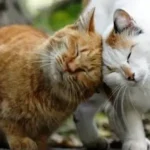




Cat Drooling
Introduction
Cat drooling can range from a completely normal behavior to a sign of an underlying medical problem. Some cats produce small amounts of saliva when they are relaxed, happy, or anticipating food, while others may drool because of dental disease, mouth injuries, nausea, toxins, or serious illnesses. Many owners ask, “Why is my cat drooling?” The answer depends on the amount of saliva, how long it lasts, and whether other symptoms are present. Occasional drooling may not be a cause for concern, but excessive drooling or sudden changes in salivation should always be monitored carefully. This guide explains the most common causes, warning signs, diagnosis, treatment, and when veterinary attention is recommended.
What Is Cat Drooling?
Cat drooling refers to saliva flowing from the mouth instead of being swallowed normally.
A small amount of saliva is essential for chewing, swallowing, and maintaining oral health. However, when saliva becomes excessive or constantly drips from the mouth, it may indicate an underlying health issue.
Common Characteristics
- Wet chin
- Damp fur around the mouth
- Saliva dripping from the lips
- Foamy saliva
- Thick saliva
- Continuous drooling
- Intermittent drooling
The severity depends on the underlying cause.
While cat drooling can be caused by dental problems, poisoning, or illness, Cat Worms are another common health issue that every cat owner should know how to recognize and treat.
Is Cat Drooling Normal?
Sometimes, yes.
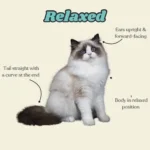
Some cats naturally drool when they:
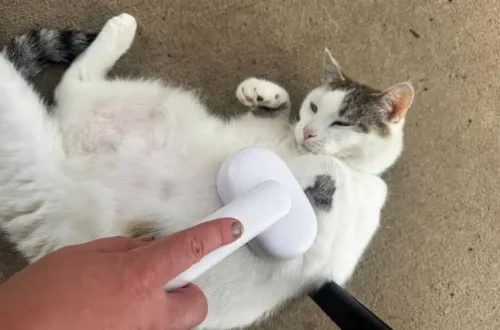
- Feel extremely relaxed
- Are being petted
- Smell favorite food
- Become excited during mealtime
This type of drooling is usually mild and temporary.
However, excessive drooling or drooling accompanied by illness is not considered normal.
Common Causes of Cat Drooling
Several conditions can lead to cat drooling.
1. Dental Disease
Dental problems are among the most common causes of drooling.
Conditions include:
- Gingivitis
- Periodontal disease
- Tooth fractures
- Tooth root infections
Pain inside the mouth often causes increased saliva production.
Additional signs may include:
- Bad breath
- Difficulty eating
- Pawing at the mouth
- Weight loss
2. Oral Injuries
Cuts, burns, or wounds inside the mouth may cause temporary drooling.
Possible causes include:
- Sharp bones
- Foreign objects
- Electrical cord injuries
- Mouth trauma
Pain often increases saliva production.
3. Nausea
Cats experiencing nausea frequently drool before vomiting.
Possible causes include:
- Motion sickness
- Digestive upset
- Kidney disease
- Liver disease
- Certain medications
Drooling may occur even if vomiting never happens.
4. Toxic Substances
Many household products and plants can cause excessive drooling.
Examples include:
- Toxic plants
- Household cleaners
- Certain medications
- Insecticides
- Human foods that are unsafe for cats
Emergency veterinary care may be needed if poisoning is suspected.
5. Foreign Objects
Objects stuck inside the mouth or throat can interfere with swallowing.
Examples include:
- String
- Grass
- Bones
- Small toys
- Plant material
These situations often require immediate veterinary attention.
6. Mouth Ulcers
Painful ulcers inside the mouth may develop because of:
- Viral infections
- Immune disorders
- Kidney disease
Affected cats often drool while eating or drinking.
7. Upper Respiratory Infections
Some respiratory infections cause mouth discomfort, reduced swallowing, and increased salivation.
Additional symptoms may include:
- Sneezing
- Nasal discharge
- Eye discharge
- Reduced appetite
8. Neurological Disorders
Rarely, nerve disorders affecting the muscles used for swallowing can contribute to persistent cat drooling.
These cases require prompt veterinary evaluation.
Symptoms That May Accompany Cat Drooling
Depending on the cause, cat drooling may occur with:
- Bad breath
- Difficulty eating
- Mouth pain
- Vomiting
- Weight loss
- Pawing at the face
- Bleeding from the mouth
- Swollen gums
- Reduced appetite
- Lethargy
The combination of symptoms often helps identify the underlying problem.
Why Is My Cat Drooling?
Many owners ask, “Why is my cat drooling?”
Possible explanations include:
- Dental disease
- Mouth injuries
- Nausea
- Poisoning
- Mouth ulcers
- Foreign objects
- Respiratory infections
- Neurological disorders
The duration and severity of drooling provide important clues during diagnosis.
Excessive Drooling: When Should You Worry?
Mild drooling that occurs briefly during relaxation is usually harmless.
However, excessive drooling should never be ignored when it:
- Starts suddenly
- Continues for several hours
- Occurs repeatedly
- Interferes with eating
- Is accompanied by pain or illness
Persistent drooling usually requires veterinary evaluation.
When Is Cat Drooling an Emergency?
Seek immediate veterinary care if cat drooling occurs together with:
- Difficulty breathing
- Inability to swallow
- Bloody saliva
- Suspected poisoning
- Facial swelling
- Severe mouth pain
- Collapse
- Seizures
Rapid treatment can be lifesaving in these situations.
Cats Most at Risk
Some cats have a greater risk of developing conditions associated with drooling.
Higher-risk groups include:
- Senior cats
- Cats with dental disease
- Outdoor cats
- Cats that chew plants
- Cats with chronic kidney disease
- Cats with weakened immune systems
Routine veterinary care helps detect many problems early.
Quick Facts
| Feature | Details |
|---|---|
| Symptom | Drooling |
| Common Causes | Dental disease, nausea, toxins, oral injuries |
| Emergency Signs | Bloody saliva, poisoning, breathing difficulty |
| Veterinary Visit | Recommended for persistent drooling |
| Prevention | Dental care, routine checkups, toxin avoidance |
Why Early Evaluation Matters
Although some cat drooling is harmless, persistent or excessive drooling may signal a painful or serious medical condition. If you repeatedly wonder, “Why is my cat drooling?”, especially when additional symptoms develop, scheduling a veterinary examination is the safest choice. Early diagnosis often improves treatment success and helps prevent complications.
How Veterinarians Diagnose Cat Drooling
Diagnosing cat drooling starts with a complete physical examination and a detailed review of your cat’s medical history.
Your veterinarian may ask questions such as:
- When did the drooling begin?
- Is the drooling constant or occasional?
- Has your cat stopped eating?
- Has vomiting occurred?
- Has your cat chewed on plants or chemicals?
- Is there any difficulty swallowing?
These details help narrow down the possible causes.
Diagnostic Tests
Depending on your cat’s symptoms, one or more diagnostic tests may be recommended.
Physical Examination
The veterinarian carefully examines the:
- Mouth
- Teeth
- Tongue
- Gums
- Throat
- Face
- Neck
Pain, swelling, ulcers, or foreign objects may be identified during the examination.
Oral Examination Under Sedation
If severe mouth pain prevents a thorough examination, light sedation may be needed to inspect the entire oral cavity safely.
Blood Tests
Blood work helps evaluate:
- Infection
- Kidney function
- Liver function
- Inflammation
- Overall health
Certain internal diseases may contribute to excessive drooling.
Dental X-Rays
Dental radiographs help detect:
- Tooth root infections
- Hidden fractures
- Advanced periodontal disease
These problems are not always visible during a routine examination.
Imaging
If a foreign object, tumor, or other abnormality is suspected, additional imaging such as X-rays or ultrasound may be recommended.
Biopsy
In some cases, tissue samples may be collected from oral masses or ulcers for laboratory evaluation.
These tests help determine the most appropriate treatment plan.
Cat Drooling Treatment
Treatment depends entirely on the underlying cause.
Because drooling is a symptom rather than a disease, successful treatment focuses on correcting the condition responsible.
Dental Treatment
If dental disease is diagnosed, treatment may include:
- Professional dental cleaning
- Tooth extraction
- Antibiotics when appropriate
- Pain relief
Improving oral health often resolves the drooling.
Removal of Foreign Objects
Grass, string, bones, or other objects lodged in the mouth or throat should be removed by a veterinarian.
Treatment for Nausea
If nausea is causing cat drooling, treatment may include medications along with management of the underlying illness.
Poisoning Treatment
Cats exposed to toxins require immediate veterinary care.
Treatment may involve:
- Intravenous fluids
- Activated charcoal when appropriate
- Supportive medications
- Close monitoring
Surgery
Some tumors, polyps, or severe oral conditions may require surgical treatment.
Home Care
Owners play an important role during recovery.
Keep the Mouth Clean
Gently wipe away saliva using a soft, clean cloth.
Keeping the fur dry helps prevent skin irritation around the mouth.
Encourage Eating
Soft or warmed food may be easier to eat if the mouth is painful.
Follow your veterinarian’s feeding recommendations.
Provide Fresh Water
Fresh water should always be available.
Good hydration supports overall health and recovery.
Give Medications as Prescribed
Complete all prescribed medications even if improvement occurs quickly.
Never change the dosage without veterinary guidance.
Create a Calm Environment
A quiet, stress-free home supports healing and encourages normal eating behavior.
What You Should Never Do
Avoid these common mistakes.
Do not:
- Give human pain medication.
- Apply human mouth gels.
- Pull objects from the throat yourself.
- Ignore sudden excessive drooling.
- Delay treatment if poisoning is suspected.
Some situations require immediate emergency care.
Recovery
Recovery depends on the underlying diagnosis.
Mild Mouth Irritation
Minor irritation often improves within a few days after the source is removed.
Dental Disease
Most cats recover well after professional dental treatment.
Poisoning
Recovery varies depending on the toxin involved and how quickly treatment begins.
Chronic Disease
Conditions such as kidney disease may require ongoing medical management to reduce recurring cat drooling.
Following your veterinarian’s instructions greatly improves recovery.
Can Cat Drooling Be Prevented?
Although not every cause can be prevented, several healthy habits reduce the risk.
Maintain Good Dental Care
Regular dental care helps prevent many oral diseases.
This includes:
- Routine dental examinations
- Professional cleanings when needed
- Dental-friendly diets or treats recommended by your veterinarian
Keep Toxic Products Away
Store household chemicals, medications, and poisonous plants where cats cannot reach them.
Routine Veterinary Visits
Annual wellness examinations help identify health problems before they become severe.
Feed a Balanced Diet
High-quality nutrition supports healthy teeth, gums, and the immune system.
Monitor Chewing Habits
Prevent access to:
- String
- Bones
- Small toys
- Electrical cords
Reducing these hazards lowers the risk of mouth injuries.
Daily Care Checklist
A consistent routine supports oral health.
Every Day
- Provide fresh food and water.
- Observe eating behavior.
- Check for drooling or bad breath.
- Monitor overall activity.
Every Week
- Inspect the mouth if your cat allows.
- Wash food and water bowls thoroughly.
- Clean bedding.
- Watch for changes in appetite.
Every Year
- Schedule a veterinary examination.
- Discuss dental health.
- Update vaccinations.
- Continue parasite prevention.
Care Summary Table
| Care Task | Recommendation |
|---|---|
| Veterinary Visit | If drooling is persistent or sudden |
| Dental Care | Routine examinations and cleanings |
| Hydration | Fresh water available daily |
| Medication | Follow veterinary instructions exactly |
| Toxic Substance Prevention | Keep dangerous products out of reach |
| Nutrition | Feed a balanced, high-quality diet |
Prognosis
The outlook for cat drooling depends on the underlying cause.
Many cats recover completely after treatment for dental disease, minor mouth injuries, or temporary irritation. More serious illnesses may require ongoing management, but early diagnosis and appropriate veterinary care greatly improve the chances of a successful outcome.
Cat Drooling vs Vomiting
Although cat drooling and vomiting may occur together, they are not the same condition.
| Cat Drooling | Vomiting |
|---|---|
| Excess saliva leaves the mouth | Food or stomach contents are expelled |
| May occur without nausea | Usually involves nausea |
| Common with dental disease or mouth pain | Common with digestive disorders |
| Saliva may drip continuously | Vomiting occurs in episodes |
| May accompany swallowing problems | Usually followed by stomach contractions |
Some cats drool shortly before vomiting because nausea increases saliva production.
Common Myths About Cat Drooling
Several misconceptions may prevent owners from recognizing serious health problems.
Myth 1: Every Cat That Drools Is Sick
False.
Some cats naturally drool when they are extremely relaxed or happy.
Myth 2: Excessive Drooling Is Always Dental Disease
False.
While dental disease is common, excessive drooling may also result from nausea, toxins, mouth injuries, or neurological disorders.
Myth 3: Human Mouth Medicine Is Safe
False.
Many human oral medications and pain relievers are harmful to cats.
Myth 4: Drooling Will Always Stop on Its Own
False.
Persistent cat drooling should be evaluated, especially when eating becomes difficult or other symptoms develop.
When Should You Contact a Veterinarian?
Arrange a veterinary examination if cat drooling is accompanied by:
- Bad breath
- Difficulty eating
- Swollen gums
- Bloody saliva
- Mouth pain
- Weight loss
- Vomiting
- Loss of appetite
- Persistent excessive drooling
Early diagnosis often leads to simpler treatment and better recovery.
Tips for Maintaining Good Oral Health
Healthy daily habits help reduce the risk of many conditions associated with drooling.
Helpful practices include:
- Feed a balanced diet.
- Schedule routine dental examinations.
- Provide fresh drinking water.
- Brush teeth when recommended by your veterinarian.
- Keep toxic plants and chemicals out of reach.
- Offer safe chew toys.
- Monitor changes in eating behavior.
- Attend regular wellness checkups.
Preventive care supports both oral and overall health.
Final Verdict
Cat drooling can be completely normal in some situations, but persistent or excessive drooling should never be ignored. Problems involving the mouth, teeth, digestive system, toxins, or other medical conditions may all increase saliva production.
If you find yourself asking, “Why is my cat drooling?”, especially when drooling begins suddenly or is accompanied by difficulty eating, bad breath, vomiting, or lethargy, professional veterinary care is recommended. Early diagnosis and appropriate treatment help many cats recover quickly while preventing more serious complications.
Frequently Asked Questions (FAQs)
1. Why is my cat drooling?
Cats may drool because of dental disease, mouth injuries, nausea, toxins, oral infections, foreign objects, or certain medical conditions.
2. Is cat drooling always a medical problem?
No. Some cats drool briefly when relaxed, happy, or anticipating food.
3. What causes excessive drooling in cats?
Excessive drooling may result from painful dental disease, poisoning, nausea, mouth ulcers, foreign objects, or neurological disorders.
4. Should I worry if my cat suddenly starts drooling?
Yes. Sudden cat drooling, especially when accompanied by illness or difficulty swallowing, should be evaluated promptly.
5. Can dental disease cause cat drooling?
Yes. Dental infections and gum disease are among the most common causes of persistent drooling.
6. Can poisoning cause excessive drooling?
Yes. Many toxic plants, chemicals, medications, and household products can trigger severe drooling and require emergency veterinary care.
7. Why does my cat drool before vomiting?
Nausea often increases saliva production, so some cats drool before vomiting.
8. Is cat drooling contagious?
No. Drooling itself is not contagious, although some infectious diseases that cause mouth ulcers or respiratory illness may spread between cats.
9. How do veterinarians diagnose cat drooling?
Diagnosis may include a physical examination, oral examination, blood tests, dental X-rays, imaging studies, or biopsy depending on the suspected cause.
10. Can kittens experience cat drooling?
Yes. Kittens may drool because of mouth injuries, infections, congenital problems, or exposure to toxins.
11. How long does recovery usually take?
Recovery depends on the underlying cause. Minor problems may improve within days, while chronic diseases require ongoing management.
12. Can stress cause cat drooling?
Stress alone rarely causes significant drooling, but anxiety may contribute to temporary salivation in some cats.
13. How can I reduce the risk of excessive drooling?
Routine dental care, balanced nutrition, toxin prevention, and regular veterinary examinations help reduce the risk.
14. Should I give my cat human mouth medication?
No. Human medications should never be used unless specifically prescribed by a veterinarian.
15. What is the outlook for cats with drooling?
Most cats recover well when the underlying cause of cat drooling is diagnosed early and treated appropriately. Chronic conditions can often be managed successfully with continued veterinary care.