





Albino Cat
Introduction
The albino cat is one of the rarest and most fascinating cats in the world. Its pale coat, light-colored skin, and distinctive eyes often make it stand out from other domestic cats. However, many people mistakenly believe every white cat is an albino, which is not true.
A true white albino has a rare genetic condition called albinism that prevents the body from producing normal amounts of melanin, the pigment responsible for skin, eye, and coat color. Because of this lack of pigment, albino cats have unique physical characteristics and special care requirements.
Whether you’re curious about albino eyes, considering adopting an albino kitten, or simply want to understand this uncommon condition, this guide covers everything you need to know.
What Is an Albino Cat?
An albino cat is a cat born with a genetic condition called albinism.
Albinism prevents the body from producing enough melanin, which is the natural pigment responsible for:
- Coat color
- Skin color
- Eye color
Without sufficient melanin, the cat develops a very pale appearance that differs from ordinary white-coated cats.
Although albino cats have white fur and pink features due to a lack of pigmentation, you can also explore our Pink Cat guide to understand why some cats appear pink and what causes this unique look.
Is an Albino Cat a Breed?
No.
An albino is not a separate breed.
Albinism is a rare inherited genetic condition that can occur in many different cat breeds.
Breeds in which albinism may occasionally appear include:
- Domestic Shorthair
- Domestic Longhair
- Persian
- Siamese
- Maine Coon
- Oriental breeds
The breed determines body structure and temperament, while albinism affects pigmentation.
What Causes Albinism?
Albinism occurs because of a genetic mutation that affects melanin production.
Melanin gives normal color to:
- Fur
- Skin
- Eyes
When very little or no melanin is produced, the cat develops the appearance associated with albinism.
This condition is inherited from both parents carrying the responsible gene.
White Cat vs. Albino Cat
Many people confuse a white-coated cat with an albino , but they are not the same.
White Cat
A normal white cat:
- Has white fur because of coat color genes.
- Usually has normal skin pigmentation.
- May have blue, green, gold, or odd-colored eyes.
- Produces melanin normally.
White Albino Cat
A white albino cat:
- Has little or no melanin.
- Usually has very pale pink skin.
- Has a pink nose and pink paw pads.
- Often has very light blue or pinkish-looking eyes.
- Is much rarer than an ordinary white cat.
Understanding this difference helps owners correctly identify true albinism.
Breed Overview
| Feature | Details |
|---|---|
| Breed | Not a breed (genetic condition) |
| Coat Color | Pure white or cream-white |
| Skin Color | Pale pink |
| Eye Color | Pale blue, pinkish, or very light |
| Lifespan | 12–18 years |
| Coat Length | Depends on breed |
| Good With Families | Usually yes |
Physical Appearance
The appearance of an albino is mainly influenced by the absence of melanin.
Although body size depends on breed, true albino cats share several recognizable physical features.
Body Shape
Body shape varies according to breed.
An albino cat may have:
- Athletic body
- Muscular frame
- Compact build
- Long body
- Medium bone structure
Albinism does not affect overall body size.
Head Shape
Head shape also depends on breed.
Common features include:
- Rounded face
- Medium-length muzzle
- Strong chin
- Large ears
- Bright facial expression
These characteristics are inherited from the breed rather than albinism itself.
Albino Cat Eyes
One of the most recognizable features is the appearance of albino breed eyes.
Because melanin is greatly reduced, the eyes often appear:
- Pale blue
- Very light blue
- Pinkish
- Light gray
In certain lighting conditions, blood vessels inside the eye may create a pink or reddish appearance.
Coat
The albino cat typically has an entirely white or creamy-white coat.
Unlike many white-coated cats, there are no darker markings because pigment production is absent or extremely limited.
The fur may feel:
- Soft
- Silky
- Dense
- Fine
Coat texture depends on the breed.
Skin Color
The skin of a white albino cat is noticeably lighter than that of other cats.
Common characteristics include:
- Pink nose
- Pink lips
- Pink paw pads
- Pale inner ears
These features result from the lack of melanin rather than coat color alone.
Size and Weight
The size of an albino cat depends entirely on its breed.
Average Measurements
| Measurement | Average |
|---|---|
| Weight | 8–15 pounds (3.5–7 kg) |
| Height | 8–12 inches |
| Body Length | Varies by breed |
Some breeds naturally grow much larger than others.
Albino Personality
The albino cat does not develop a specific personality because of albinism.
Instead, temperament depends on:
- Breed
- Genetics
- Socialization
- Early experiences
Many owners describe albino cats as:
- Gentle
- Curious
- Intelligent
- Affectionate
- Calm
Affectionate Nature
Many albino cats enjoy spending time with their owners.
Common behaviors include:
- Following family members
- Sleeping nearby
- Quiet cuddling
- Gentle play
- Seeking companionship
Well-socialized cats often become devoted family pets.
Intelligence
The albino cat is generally just as intelligent as other domestic cats.
Many quickly learn:
- Household routines
- Feeding schedules
- Puzzle feeders
- Their names
- Interactive games
Mental enrichment helps keep them active and engaged.
Vocalization
Most albino cats communicate through:
- Soft meows
- Purring
- Chirps
- Body language
Vocal tendencies depend more on breed than on albinism.
Energy Level
The albino cat usually has a moderate activity level.
Many enjoy:
- Interactive toys
- Climbing cat trees
- Puzzle games
- Exploring indoor spaces
- Window watching
Because of their sensitivity to sunlight, supervised indoor activities are generally safer than extended outdoor exposure.
Do Albino Cats Like Attention?
Yes.
Most albino cats enjoy spending time with people and appreciate regular affection and interaction.
Although every cat has its own personality, a well-socialized albino often forms close bonds with its family and enjoys both playtime and quiet companionship.
Family Compatibility
The albino can be a loving and loyal companion for families, couples, and individuals. Albinism affects pigmentation rather than personality, so these cats can be just as friendly and affectionate as other domestic cats.
Because many albino cats have sensitive skin and eyes, they often thrive best in calm indoor environments where they are protected from excessive sunlight.
Are Albino Cats Good Family Pets?
Yes.
Most albino become wonderful family pets when they receive proper care and socialization.
Many owners describe them as:
- Gentle
- Affectionate
- Intelligent
- Curious
- Calm
- Loyal
Their personality depends far more on breed and upbringing than on albinism.
Do They Get Along With Children?
A well-socialized albino usually gets along well with respectful children.
Many enjoy:
- Gentle petting
- Interactive play
- Quiet companionship
- Relaxing with family members
Children should learn to:
- Handle the cat gently.
- Avoid rough play.
- Respect resting areas.
- Protect the cat from bright sunlight outdoors.
Supervised interactions help both the child and the cat feel comfortable.
Living With Other Cats
Most albino adapt well to living with other cats when introductions are gradual.
Helpful introduction methods include:
- Scent swapping
- Separate feeding stations
- Supervised meetings
- Rewarding calm behavior
Patience helps build positive relationships between pets.
Are They Good With Dogs?
Yes.
Many albino cats can live peacefully with calm, cat-friendly dogs.
Slow introductions and positive experiences usually produce the best results.
Indoor Living
An albino is generally better suited to indoor living than unrestricted outdoor life.
Keeping the cat indoors helps protect it from:
- Strong sunlight
- Skin damage
- Eye irritation
- Traffic
- Predators
- Other outdoor hazards
A stimulating indoor environment supports both safety and happiness.
Exercise Needs
The albino benefits from regular daily exercise.
Exercise helps:
- Maintain healthy muscles
- Prevent obesity
- Reduce boredom
- Improve mental stimulation
- Encourage positive behavior
Most adult cats benefit from 30–45 minutes of interactive play each day.
Favorite Activities
Many albino cats enjoy:
- Feather wand toys
- Puzzle feeders
- Climbing cat trees
- Interactive games
- Window watching from shaded areas
- Chasing lightweight toys
Rotating toys regularly helps keep them mentally engaged.
Grooming
Grooming needs depend on breed rather than albinism.
Short-haired cats usually require less maintenance than long-haired breeds.
Coat Maintenance
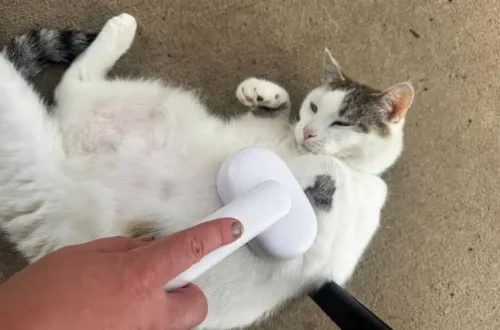
Routine brushing helps:
- Remove loose fur
- Reduce shedding
- Prevent tangles
- Distribute natural skin oils
General grooming recommendations include:
- Short-haired cats: once weekly
- Long-haired cats: two to four times weekly
Skin Protection
The skin of a white albino cat is more sensitive because it lacks protective pigment.
Helpful precautions include:
- Limiting direct sun exposure.
- Providing shaded resting areas.
- Keeping the cat indoors during peak sunlight.
- Consulting a veterinarian if skin irritation develops.
Protecting sensitive skin is an important part of daily care.
Eye Care
Because albino cat eyes are more sensitive to bright light, some cats may squint or avoid direct sunlight.
Owners can help by:
- Providing shaded indoor spaces.
- Avoiding prolonged exposure to intense sunlight.
- Scheduling veterinary eye examinations when needed.
Any unusual discharge, redness, or discomfort should be evaluated by a veterinarian.
Ear Care
Check the ears regularly for:
- Wax buildup
- Dirt
- Redness
- Unpleasant odor
Clean gently with veterinarian-approved products if necessary.
Nail Care
Routine nail trimming helps prevent:
- Overgrown claws
- Scratches
- Damage to furniture
Most cats benefit from trimming every 2–4 weeks.
Scratching posts also support healthy claws.
Dental Care
Healthy teeth are essential for every albino cat.
Good dental care includes:
- Brushing teeth several times each week
- Dental treats
- Routine veterinary examinations
- Professional cleanings when recommended
Preventive dental care reduces the risk of dental disease.
Diet and Nutrition
A balanced diet helps every albino cat stay healthy throughout life.
Food should be selected according to:
- Age
- Weight
- Activity level
- Breed
- Veterinary recommendations
Fresh, clean water should always be available.
Essential Nutrients
A complete feline diet should provide:
- Animal protein
- Healthy fats
- Taurine
- Vitamins
- Minerals
- Omega fatty acids
Proper nutrition supports healthy muscles, skin, and overall well-being.
Foods to Avoid
Never feed:
- Chocolate
- Garlic
- Onions
- Grapes
- Raisins
- Alcohol
- Caffeine
- Xylitol
Contact a veterinarian immediately if your cat eats toxic foods.
Common Health Concerns
An albino cat may be more vulnerable to certain health issues because of reduced pigmentation.
Possible concerns include:
- Sun sensitivity
- Increased risk of sunburn
- Skin cancer from excessive UV exposure
- Light sensitivity
- Vision problems
- Hearing problems in some individuals
- Dental disease
- Obesity
Regular veterinary care helps identify and manage health concerns early.
Keeping Your Cat Healthy
Owners can help an albino cat stay healthy by providing:
- Annual veterinary checkups
- Vaccinations
- Balanced nutrition
- Daily exercise
- Indoor living
- Protection from excessive sunlight
Consistent preventive care supports a healthier and longer life.
Lifespan
The average albino cat lives between:
12–18 years
With proper veterinary care, indoor living, and protection from sunlight, many albino cats enjoy long and healthy lives.
Caring for an Albino Kitten
An albino kitten requires the same love and nutrition as other kittens, along with extra protection from bright sunlight.
During the first year, kittens need:
- High-quality kitten food
- Vaccinations
- Routine veterinary visits
- Early socialization
- Safe indoor play
- A protected environment
Good early care encourages healthy development.
Early Training
Young albino kittens respond well to positive reinforcement.
Helpful early lessons include:
- Litter box training
- Carrier training
- Nail trimming
- Name recognition
- Grooming acceptance
Starting these routines early helps establish lifelong good habits.
Mental Stimulation
The albino cat enjoys exploring and learning.
Excellent enrichment ideas include:
- Puzzle feeders
- Interactive toys
- Clicker training
- Cat trees
- Food-dispensing games
Daily mental stimulation helps prevent boredom while supporting healthy behavior.
Adoption vs. Buying From a Breeder
Because an albino cat is the result of a rare genetic condition rather than a separate breed, finding one may take time. Some albino cats are available through rescue organizations and shelters, while others may occasionally be born in reputable breeding programs.
Whether you choose adoption or purchase a kitten, always prioritize the cat’s health, temperament, and overall welfare.
Adoption
Although uncommon, an albino cat may occasionally be available through an animal shelter or rescue group.
Typical adoption fees range from:
$50–$300
Many adoption packages include:
- Initial vaccinations
- Spay or neuter surgery
- Microchipping
- Basic veterinary examination
Adopting gives a deserving cat a loving home while often reducing initial costs.
Buying From a Breeder
If an albino kitten is born in a responsible breeding program, the breeder should provide complete health information.
A reputable breeder should offer:
- Veterinary health records
- Vaccination history
- Information about the kitten’s parents
- Genetic testing when appropriate
- Lifetime breeder support
Ethical breeders never intentionally produce unhealthy kittens and should place the animal’s well-being first.
How Much Does an Albino Cat Cost?
The cost of an albino cat depends on its breed, location, pedigree, and breeder rather than albinism alone.
Average Price
| Cat Type | Average Cost |
|---|---|
| Shelter adoption | $50–$300 |
| Purebred kitten | $800–$2,500+ |
| Rare bloodlines | Varies by breeder |
Long-term ownership expenses include:
- Food
- Veterinary care
- Litter
- Toys
- Grooming supplies
- Pet insurance
Since albino cats may require additional eye and skin care, future veterinary costs can sometimes be higher.
Interesting Albino Facts
The albino cat has several fascinating characteristics that make it unique.
Here are some interesting facts:
- A true albino cat is much rarer than a white-coated cat.
- Albinism is caused by a genetic mutation that affects melanin production.
- A white albino cat has very pale skin, pink paw pads, and a pink nose.
- Albino cat eyes often appear pale blue or pinkish because very little pigment is present.
- Not every white cat is albino.
- Albinism can occur in many different cat breeds.
- Most albino cats are happiest living indoors.
- Their skin is more sensitive to ultraviolet (UV) light.
- Every albino cat has its own unique personality.
- Proper care allows many albino cats to enjoy long, healthy lives.
Is an Albino Cat Right for You?
An albino cat can make an excellent companion for owners who are prepared to meet its special care needs.
This cat may be a good choice if you are looking for a companion that is:
- Gentle
- Affectionate
- Intelligent
- Calm
- Curious
- Loyal
Owners should also be prepared to provide extra protection from excessive sunlight and maintain regular veterinary care.
Preparing Your Home
Before bringing home an albino kitten, prepare a safe and comfortable environment.
Your checklist should include:
✔ Food and water bowls
✔ High-quality kitten food
✔ Litter box
✔ Cat tree
✔ Scratching posts
✔ Interactive toys
✔ Comfortable bed
✔ Grooming brush
✔ Pet carrier
✔ First veterinary appointment
✔ Shaded indoor resting areas
A safe indoor environment helps protect an albino kitten from unnecessary sun exposure.
Pros and Cons
Like every companion animal, the albino cat has both strengths and responsibilities.
Pros
- Beautiful and rare appearance
- Affectionate personality
- Intelligent and curious
- Strong bonds with owners
- Suitable for families
- Can adapt well to indoor living
- Available in many different breeds
- Playful and interactive
- Unique eye and coat appearance
- Loyal companion
Cons
- Sensitive to bright sunlight.
- Higher risk of sunburn.
- May require additional eye care.
- Some individuals experience vision or hearing challenges.
- Regular veterinary care is essential.
- Indoor living is usually recommended.
- Extra skin protection may be needed.
- Rare availability may make adoption more difficult.
- Long-term care requires commitment.
- Veterinary expenses may be higher than average.
Final Verdict
That is one of the rarest and most remarkable domestic cats because of its unique genetic condition and striking appearance. Unlike ordinary white cats, a true white albino lacks normal amounts of melanin, giving it pale skin, light-colored fur, and distinctive albino eyes.
Although these cats require additional protection from sunlight and consistent veterinary care, they can be affectionate, intelligent, and devoted companions. With proper nutrition, indoor living, regular checkups, and plenty of love, an albino cat can enjoy a long, healthy, and fulfilling life.
If you’re ready to provide the extra care that albinism requires, an albino cat can become a truly rewarding member of your family.
Frequently Asked Questions (FAQs)
1. What is an albino cat?
An albino cat is a cat with a rare genetic condition that greatly reduces or completely prevents normal melanin production.
2. Is an albino cat a breed?
No. Albinism is a genetic condition, not a cat breed.
3. Is every white cat an albino cat?
No. Most white cats produce normal amounts of melanin and are not albino.
4. What color are albino cat eyes?
Albino cat eyes are usually pale blue, very light blue, or pinkish because they contain very little pigment.
5. Why does a white albino cat have pink skin?
A white albino has pink skin because the body lacks melanin, allowing the color of blood vessels beneath the skin to show through.
6. Are albino cats rare?
Yes. True albinism is extremely uncommon in domestic cats.
7. Can an albino cat go outside?
Yes, but prolonged exposure to direct sunlight should be avoided because albino cats have sensitive skin and eyes.
8. Do albino cats have vision problems?
Some albino cats may experience light sensitivity or reduced vision, although this varies between individuals.
9. Are albino cats deaf?
Not always. Some may have hearing impairments, but many hear normally.
10. How long does an albino live?
With proper care, many albino cats live between 12 and 18 years.
11. Are albino good family pets?
Yes. Well-socialized albino cats are often affectionate, gentle, and family-friendly.
12. What should I feed an albino kitten?
An albino kitten should receive a complete, high-quality kitten diet recommended by a veterinarian.
13. Can albinism occur in any breed?
Yes. Albinism can occur in many different cat breeds, although it is very rare.