
Cat Nose: What Does a Healthy Cat Nose Look Like?
Your cat’s nose does much more than simply help it breathe.
Cats use their noses to explore their surroundings, recognize familiar people and animals, investigate food, and collect information from scents around them. A cat may walk into a room and immediately start sniffing because its sense of smell gives it information that humans may not even notice.
Because of this, many cat owners pay close attention to changes in their cat’s nose.
You may wonder:
Should a cat’s nose be wet?
Is a dry cat nose normal?
What does a healthy cat nose look like?
The simple answer is that a healthy cat’s nose can be either slightly moist or dry at different times. Nose moisture alone is not a reliable way to determine whether a cat is healthy or sick. Environmental conditions, recent activity, grooming, and individual differences can all affect how wet or dry the nose feels.
What matters more is whether there has been a noticeable change along with other symptoms.
For example, a temporarily dry nose in a cat that is eating, playing, and behaving normally is very different from a dry, cracked, or swollen nose accompanied by lethargy or loss of appetite.
Understanding your cat’s normal nose can make it easier to notice when something changes.
What Is a Cat Nose?
A cat nose is an important sensory organ that helps your cat interact with the world.
Although breathing is one of its obvious functions, a cat’s nose is also closely connected to its powerful sense of smell.
Your cat uses scent information to investigate:
- Food
- People
- Other cats
- Animals
- Objects
- New environments
- Changes around the home
For example, imagine that someone enters your house wearing a new perfume.
You may notice the scent for a few seconds.
Your cat, however, may immediately investigate the person’s shoes, clothes, and hands because the new smell provides information about something unfamiliar.
This is one reason cats often seem so interested in sniffing everything.
Their noses help them understand their environment.
Walking is an important part of feline movement and body language, so check out our Cat Walking guide to learn more about how cats move and what unusual walking patterns may mean.
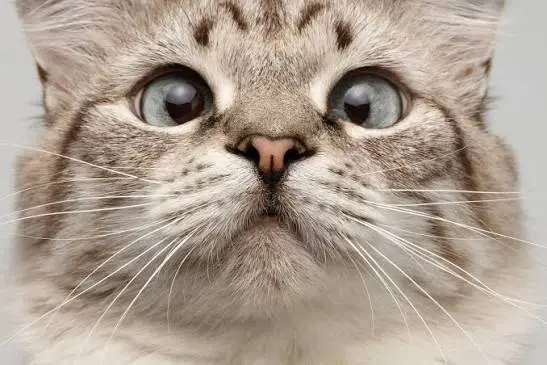
How Do Cats Use Their Noses?
Cats use their noses throughout the day.
Sniffing is part of normal feline behavior and helps cats gather information about the world around them.
A cat may use its nose when:
- Investigating food
- Greeting another cat
- Exploring a new object
- Checking a familiar area
- Following an interesting scent
- Investigating a person who has returned home
For example, when you come home from outside, your cat may sniff your shoes or clothing.
You may not have changed anything important from your perspective.
But your cat may detect scents from other people, animals, places, or environments.
A cat’s nose acts almost like an information-collecting tool.
Instead of asking, “Where have you been?” your cat may simply sniff your shoes and conduct its own investigation.
Why Is a Cat’s Sense of Smell So Important?
Smell plays an important role in how cats understand their surroundings.
Cats rely heavily on scent when exploring their environment and interacting with other animals.
Smell can also influence a cat’s interest in food.
This is why a cat with nasal congestion may sometimes become less interested in eating. When the nose is blocked, the cat may have more difficulty detecting the smell of food.
You may notice this when a cat is feeling unwell.
Even if the food itself has not changed, the cat may appear less interested because its ability to smell normally is affected.
Cats also use scent as part of communication.
They can investigate areas where another cat has been and gather information through scent-related signals.
This means your cat’s nose is involved in much more than simply detecting pleasant or unpleasant smells.
Basic Cat Nose Anatomy
The visible part of your cat’s nose is only one part of a larger system.
The nose contains openings called nostrils, which allow air to move through the nasal passages.
Inside, structures involved in smell help detect scent particles from the environment.
The surface of the nose may feel:
- Cool
- Slightly moist
- Dry
- Warmer or cooler at different times
This variation can be normal.
The moisture level of a cat’s nose can change throughout the day because of factors such as temperature, humidity, grooming, drinking, and where the cat has been resting.
This is why checking your cat’s nose once does not provide a complete picture of its health.
A dry nose in the morning may become slightly moist later in the day.
The opposite can also happen.
What Does a Healthy Cat Nose Look Like?
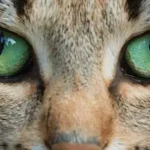
A healthy cat nose will vary somewhat from one cat to another.
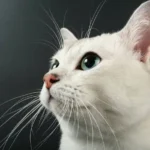
Cats can naturally have different nose colors, including:
- Pink
- Black
- Brown
- Gray
- Spotted or multicolored patterns
The color alone does not determine whether the nose is healthy.
A healthy nose should generally look normal for that individual cat and should not show a sudden unexplained change.
The surface may be slightly moist or dry depending on the situation.
What is more useful to watch for are changes such as:
- Persistent discharge
- Significant crusting
- Swelling
- Sores
- Bleeding
- Cracking
- Changes accompanied by illness or discomfort
A healthy cat may also have a nose that changes from moist to dry during the same day. This normal variation is one reason a dry nose by itself is not a reliable sign of illness.
The best approach is to learn what your own cat’s nose normally looks like.
Is a Healthy Cat Nose Supposed to Be Wet or Dry?
This is one of the most common questions about a cat nose.
The answer is:
A healthy cat’s nose can be wet or dry.
Many healthy cats have noses that are cool and slightly moist. However, a healthy cat may also have a temporarily dry nose.
The moisture can change because of:
- Room temperature
- Humidity
- Sun exposure
- Resting near a heat source
- Grooming
- Drinking water
- Individual differences
For example, your cat may spend an hour sleeping beside a sunny window.
When it wakes up, its nose may feel drier than usual.
Later, after grooming or drinking water, it may feel moist again.
Neither change automatically means your cat is sick.
Veterinary sources consistently caution against using nose moisture alone as a health test. A healthy cat may have a dry nose, while an unwell cat may still have a moist one. Other signs—such as appetite, energy, breathing, and behavior—provide more useful information about overall health.
Why Does My Cat’s Nose Change Between Wet and Dry?
Your cat’s nose is not expected to remain exactly the same throughout the entire day.
A wet cat nose may become dry.
A dry cat nose may later become moist again.
Several everyday factors can influence this change.
Environment
Dry air, warm temperatures, and spending time near a heat source may make the nose feel drier.
Humidity can have the opposite effect.
Grooming
Cats frequently groom themselves.
During grooming, moisture and saliva can temporarily affect how the nose feels.
Drinking
After drinking water, a cat’s nose may become temporarily damp.
Resting
A cat that has been sleeping or lying in a warm location may have a drier nose afterward.
Individual Differences
Some cats naturally have noses that are slightly wetter or drier than others.
This is why comparing your cat’s nose with another cat’s nose is not always helpful.
Your own cat’s normal pattern is the better comparison.
Why Is My Cat’s Nose Wet?
A wet cat nose is often completely normal.
A cat’s nose may have a small amount of natural moisture, and that moisture can also help scent particles interact with the surface of the nose.
A wet nose may also result from everyday activities.
Your cat’s nose may feel wet because:
- It has been grooming
- It has recently had a drink
- The air is humid
- It has been exposed to moisture
- Its normal nasal surface is slightly moist
A slightly damp nose without other symptoms is generally not something to panic about.
However, it is important to understand the difference between a naturally moist nose and an actual nasal discharge.
A nose that appears wet because clear or colored fluid is repeatedly coming from the nostrils is different from a normally moist surface. Persistent nasal discharge, especially when accompanied by sneezing, eye discharge, reduced appetite, or breathing problems, can indicate an underlying health issue.
We will cover the difference between a wet cat nose and nasal discharge in more detail in Part 2.
Why Does My Cat Have a Dry Nose?
A dry cat nose does not automatically mean your cat is sick.
There are many normal reasons why your cat’s nose may temporarily feel dry.
Your cat may have been:
- Sleeping
- Sitting in the sun
- Resting near a radiator or another heat source
- Spending time in dry air
- Grooming
Some cats may also naturally have drier noses than others.
The important thing is to look beyond the nose.
For example, imagine two situations.
Cat 1
Your cat wakes up from a long nap near a sunny window.
Its nose feels dry, but it then eats breakfast, plays with a toy, and behaves normally.
This temporary dryness alone is usually not enough to suggest illness.
Cat 2
Your cat has a dry nose along with lethargy, poor appetite, vomiting, or other noticeable changes.
In this situation, the other symptoms are more important than the dryness itself and veterinary advice may be needed.
A dry nose is simply one observation.
It should never be used as the only method for deciding whether a cat is healthy.
What Causes a Dry Cat Nose?
A dry cat nose can happen for many reasons, and not all of them are related to illness.
In fact, temporary dryness is common.
Your cat’s nose may become dry because of changes in its surroundings, daily activities, or simply because it has been resting.
Common causes include:
- Sleeping
- Warm weather
- Dry indoor air
- Resting near a heater
- Sun exposure
- Individual differences
For example, if your cat spends several hours sleeping near a sunny window, its nose may feel warmer and drier afterward.
Later in the day, the same nose may feel slightly cool and moist again.
This is why checking your cat’s nose once is not enough to determine whether something is wrong.
The more important question is whether the dryness is temporary or whether it comes with other noticeable changes.
Can Sleeping Cause a Dry Cat Nose?
Yes, sleeping can be one reason your cat’s nose feels dry.
When a cat is awake, it may groom, drink water, explore, and move around its environment.
These activities can affect the moisture around the nose.
During a long nap, the nose may simply become drier.
For example, you may gently touch your cat’s nose while it is sleeping and notice that it feels dry.
A few hours later, after your cat wakes up, drinks water, and starts grooming, the nose may feel different.
This type of change can be completely normal.
A dry nose immediately after sleeping is not enough by itself to indicate illness.
Instead, observe your cat’s overall behavior.
If your cat wakes up, eats normally, moves comfortably, and behaves as usual, temporary dryness is generally less concerning than dryness combined with other symptoms.
Can Weather Affect a Cat’s Nose?
Yes, environmental conditions can affect how moist or dry a cat nose feels.
Dry air may contribute to a drier nose.
This can happen in environments with:
- Low humidity
- Warm indoor heating
- Hot weather
- Direct sunlight
A cat resting close to a radiator or another heat source may also develop a temporarily dry nose.
On the other hand, humid conditions may make the nose feel slightly more moist.
This is similar to how your own skin and nasal passages can feel different depending on the environment.
For example, during a hot and dry day, your cat’s nose may feel drier than usual.
That does not automatically mean your cat is dehydrated or sick.
You should always consider the complete picture.
When Is a Dry Cat Nose Normal?
A dry cat nose may be normal when the change is temporary and your cat otherwise appears healthy.
For example, temporary dryness may happen after:
- Sleeping
- Sitting in the sun
- Resting in a warm room
- Spending time in dry air
A cat with a temporarily dry nose may still:
- Eat normally
- Drink normally
- Play
- Use the litter box normally
- Move comfortably
- Behave like its usual self
In this situation, nose moisture alone is not usually enough to suggest a health problem.
Remember that some cats naturally have drier noses than others.
The best comparison is not another person’s cat.
It is your own cat’s usual appearance and behavior.
When Can a Dry Cat Nose Be Concerning?
A dry nose becomes more important when it appears alongside other changes.
For example, pay closer attention if your cat has a dry or unusual-looking nose along with:
- Cracking
- Significant crusting
- Bleeding
- Sores
- Swelling
- Reduced appetite
- Weakness
- Vomiting
- Changes in behavior
The concern is not simply that the nose feels dry.
The concern is the overall change in your cat.
For example, a cat that wakes up with a dry nose but spends the rest of the day eating and playing normally is very different from a cat with a dry, cracked nose that also appears weak and refuses food.
If you notice persistent or significant changes, veterinary advice is the safest option.
Wet Cat Nose vs. Nasal Discharge
A naturally wet cat nose and nasal discharge are not the same thing.
A healthy cat may have a nose that feels:
- Slightly moist
- Cool
- Damp after grooming
- Wet after drinking water
This is usually just normal moisture on the surface.
Nasal discharge is different because fluid is actively coming from the nostrils.
You may notice:
- Repeated droplets
- Fluid running from the nose
- Wet fur below the nostrils
- Frequent wiping or licking of the nose
- Sneezing
The appearance of the discharge can also vary.
It may be:
- Clear
- Watery
- Thick
- Yellow
- Green
- Bloody
The color or thickness alone cannot tell you exactly what is causing the problem.
However, persistent discharge or discharge combined with other symptoms should be discussed with a veterinarian.
Why Does My Cat Have a Runny Nose?
A runny nose can happen for different reasons.
Some cats may develop temporary nasal irritation, while other cases may be related to an infection, inflammation, allergies, or another health problem.
You may notice a runny nose along with:
- Sneezing
- Watery eyes
- Eye discharge
- Reduced appetite
- Congestion
- Changes in breathing
For example, if your cat occasionally sneezes once or twice but otherwise behaves normally, the situation may be different from a cat that repeatedly sneezes and has ongoing nasal discharge.
The duration and severity of the symptoms matter.
A runny nose that does not improve, becomes worse, or appears with breathing difficulty should be evaluated by a veterinarian.
What Does Clear Nasal Discharge Mean in Cats?
Clear nasal discharge may look watery or thin.
Sometimes it may be temporary, particularly if your cat has been exposed to an irritant or has mild nasal irritation.
However, clear discharge can also occur with other conditions.
Watch for additional symptoms.
These may include:
- Frequent sneezing
- Watery eyes
- Reduced appetite
- Lethargy
- Changes in breathing
A small amount of temporary moisture around the nostrils is not always a concern.
Repeated or persistent clear fluid coming from the nose is different from a naturally moist cat nose.
If the discharge continues or your cat seems unwell, contact a veterinarian.
What Does Yellow or Green Nasal Discharge Mean?
Yellow or green discharge is not the same as a slightly wet nose.
Thicker or colored nasal discharge can occur when there is inflammation or an underlying health problem.
You may also notice:
- Sneezing
- Congestion
- Eye discharge
- Reduced interest in food
- Tiredness
Cats depend heavily on their sense of smell when eating.
When congestion affects the ability to smell food, some cats may become less interested in eating.
Persistent colored discharge should be discussed with a veterinarian, especially when your cat is showing other signs of illness.
What Does Thick Nasal Discharge Mean?
Thick nasal discharge may cause visible buildup around the nostrils.
Your cat may repeatedly lick its nose or appear uncomfortable.
You might also notice dried material forming around the nostrils.
Avoid trying to force anything inside your cat’s nose.
Do not insert cotton swabs or other objects into the nostrils.
If there is visible material around the outside of the nose, gentle cleaning of the outer area may be possible using a soft damp cloth, but persistent discharge should be evaluated by a veterinarian.
The goal is to keep your cat comfortable without causing additional irritation.
Why Does My Cat Have a Crusty Nose?
A crusty cat nose can develop when moisture or discharge dries on the surface.
Temporary crusting may happen after a small amount of nasal moisture dries.
However, persistent or heavy crusting can be associated with an underlying problem.
Pay attention to whether the crusting occurs with:
- Frequent sneezing
- Runny nose
- Sores
- Bleeding
- Swelling
- Eye discharge
- Changes in appetite
Do not aggressively scratch or pull crusts away.
The skin around a cat’s nose can be sensitive.
If the area needs cleaning, be gentle and avoid irritating the surface.
Repeated crusting or visible sores should be checked by a veterinarian.
Cat Nose Color Changes: What Is Normal?
Cats naturally have different nose colors.
A cat nose may be:
- Pink
- Black
- Brown
- Gray
- Multicolored
Some cats also have spots or pigmentation that are completely normal.
A cat’s natural nose color depends partly on genetics and coat pigmentation.
For example, one cat may have a completely pink nose, while another may have a dark nose or a mixture of pink and black.
Neither color is automatically healthier than the other.
What is more important is a sudden or unexplained change from your cat’s usual appearance.
If the nose changes color along with swelling, sores, bleeding, or other symptoms, veterinary advice may be needed.
Why Does My Cat Have Dark Spots or Freckles on Its Nose?
Some cats develop small dark spots known as pigmentation changes or freckles.
These can appear on areas such as the nose, lips, or eyelids.
In many cases, these spots may be harmless.
For example, orange or cream-colored cats may develop small dark freckles over time.
However, you should still monitor new or changing spots.
Contact a veterinarian if a spot:
- Grows quickly
- Changes shape
- Becomes raised
- Bleeds
- Develops a sore
- Appears to cause discomfort
The goal is not to panic about every small spot.
It is simply to notice when something is changing.
Why Does My Cat Lick Its Nose?
Cats may lick their noses for several normal reasons.
Your cat may lick its nose:
- After eating or drinking
- During grooming
- To remove moisture
- After smelling something interesting
A cat may also lick its nose repeatedly when there is something irritating the area.
The context matters.
An occasional nose lick is normal behavior.
Repeated nose licking combined with sneezing, discharge, swelling, or visible irritation deserves more attention.
For example, if your cat briefly licks its nose after drinking water, that is completely different from a cat that repeatedly licks its nose throughout the day while also having thick nasal discharge.
Watching the full pattern helps you understand whether the behavior is simply normal grooming or part of a larger problem.
Why Do Cats Sniff Everything?
Cats use their sense of smell to gather information about the world around them.
While humans often rely heavily on sight, cats also depend on scent when investigating people, animals, food, and changes in their environment.
Your cat may sniff:
- A new box
- Your shoes
- A visitor’s bag
- Another cat
- Food
- Furniture
- A new toy
For example, you may bring a shopping bag into the house and place it on the floor.
Before you even open it, your cat may already be investigating every corner of the bag.
From your cat’s perspective, that object may contain information about completely unfamiliar places and scents.
Sniffing is a normal part of feline exploration.
A cat nose helps your cat investigate changes that may not be obvious through sight alone.
Why Do Cats Sniff Other Cats?
Cats can gather information about other cats through scent.
When cats meet or investigate one another, sniffing may help them recognize familiar individuals and detect scent-related information.
You may notice cats sniffing:
- Faces
- Bodies
- Areas where another cat has been
- Objects belonging to another cat
For example, if one cat in your home visits the veterinarian and returns smelling different, another cat may spend time sniffing it.
The cat may be investigating the unfamiliar scents picked up outside the home.
Not every interaction between cats is friendly, so body language still matters.
Relaxed sniffing is different from an interaction involving:
- Flattened ears
- Stiff posture
- Hissing
- Growling
- Swatting
The nose provides information, but the cat’s full body language tells you more about how it feels.
Why Does My Cat Smell My Face?
Your cat may sniff your face because it is investigating you.
Cats can recognize familiar scents, but they may also notice when something about you smells different.
Perhaps you have:
- Used a new skincare product
- Eaten something unusual
- Been around another animal
- Returned from a new place
- Changed your perfume or shampoo
Your cat may simply be gathering information.
For example, if you visit a friend who owns a dog and then return home, your cat may become very interested in your clothes and face.
The investigation may seem personal.
But your cat is probably just collecting evidence.
What Is the Flehmen Response in Cats?
Sometimes a cat smells something and then makes an unusual facial expression.
It may slightly open its mouth and appear to pause.
This behavior is known as the Flehmen response.
Cats have an additional scent-processing organ called the vomeronasal organ, also known as Jacobson’s organ.
The Flehmen response helps cats process certain scent-related chemical signals.
You may see your cat:
- Smell something.
- Pause.
- Slightly open its mouth.
- Pull its lips into a strange expression.
It can look as though your cat has suddenly smelled something terrible.
In reality, it may simply be processing scent information in a different way.
This behavior is usually normal.
How Does Smell Affect a Cat’s Appetite?
Smell plays an important role in a cat’s interest in food.
Before eating, your cat often investigates food with its nose.
The smell can help the cat identify and become interested in what it is about to eat.
This is also one reason nasal congestion can sometimes affect appetite.
If a cat cannot smell normally, food may become less appealing.
For example, imagine your cat has a stuffy nose and walks toward its food bowl.
It may sniff the food but show little interest because its ability to detect the food’s smell is reduced.
A cat that refuses food, especially when combined with nasal congestion or other signs of illness, should be monitored carefully and veterinary advice should be sought.
Loss of appetite can become serious in cats, particularly when it continues.
What Are Cat Nose Prints?
Just as humans have fingerprints, the surface pattern of a cat nose can have a unique texture.
The small ridges and bumps on the nose create an individual pattern.
This is sometimes described as a cat’s equivalent of a fingerprint.
Two cats may have similar nose colors, but the detailed surface pattern of their noses can be different.
You do not need to inspect your cat’s nose with a magnifying glass to identify it, of course.
Your cat may have other opinions about that experiment.
The interesting fact simply shows that every cat’s nose has its own detailed characteristics.
Why Are Cats Sensitive to Strong Smells?
Because cats have a powerful sense of smell, strong fragrances may be overwhelming or unpleasant.
Your cat may react to strong smells from:
- Perfumes
- Air fresheners
- Cleaning products
- Scented candles
- Essential oils
A strong smell that seems mild to you may be much more intense for your cat.
It is a good idea to be cautious when using heavily scented products around pets.
Avoid intentionally placing strong fragrances near your cat’s face or forcing your cat to smell unfamiliar products.
If your cat repeatedly sneezes, avoids an area, or appears irritated after exposure to a product, remove the cat from the area and consider whether the environment may be causing irritation.
When Should You Contact a Veterinarian About Your Cat’s Nose?
A slightly wet cat nose or dry cat nose alone is usually not enough to determine whether your cat is sick.
However, changes affecting the nose can be more concerning when they occur alongside other symptoms.
Contact a veterinarian if your cat has:
- Persistent nasal discharge
- Yellow, green, or bloody discharge
- Difficulty breathing
- Frequent or persistent sneezing
- Significant swelling
- Sores or bleeding
- Heavy or repeated crusting
- A noticeable change in normal nose appearance
- Loss of appetite
- Lethargy or other signs of illness
Urgent veterinary care may be needed if your cat is having difficulty breathing or appears severely unwell.
Do not place medication, sprays, or other products inside your cat’s nose unless a veterinarian has specifically recommended them.
Common Myths About Cat Noses
Myth: A Dry Cat Nose Always Means the Cat Is Sick
False.
A dry cat nose can occur after sleeping, resting in a warm area, or being exposed to dry air.
The overall condition and behavior of your cat are more important than nose moisture alone.
Myth: A Wet Cat Nose Means the Cat Is Healthy
Not always.
A healthy cat may have a slightly moist nose, but a sick cat can also have a wet nose.
Persistent nasal discharge is different from normal surface moisture.
Myth: You Can Check a Cat’s Health Only by Touching Its Nose
False.
The temperature or moisture of a cat’s nose is not a reliable health test.
Changes in appetite, energy, breathing, behavior, and movement provide more useful information.
Myth: Every Spot on a Cat’s Nose Is Dangerous
Not necessarily.
Some cats naturally have pigmentation or freckles.
However, new or changing spots that grow, bleed, become raised, or develop sores should be checked by a veterinarian.
Myth: Cats Only Use Their Noses for Smelling Food
False.
Cats use scent to investigate people, animals, objects, environments, and changes around them.
The cat nose plays an important role in everyday exploration and communication.
Frequently Asked Questions About Cat Noses
What should a healthy cat nose look like?
A healthy cat nose should generally look normal for that individual cat. It may be slightly moist or dry at different times and should not have persistent discharge, significant swelling, sores, or unexplained bleeding.
Is a dry cat nose normal?
Yes, temporary dryness can be normal. Sleeping, dry air, warmth, and sun exposure can all make a cat’s nose feel dry.
Is a wet cat nose healthy?
A slightly moist nose can be normal, but a wet nose does not automatically prove that a cat is healthy. Persistent fluid coming from the nostrils is different from normal moisture.
Why is my cat’s nose dry after sleeping?
Sleeping can temporarily make a cat’s nose feel drier. If your cat otherwise behaves normally, this change alone is usually not enough to indicate illness.
Why does my cat have a runny nose?
A runny nose can have different causes, including irritation, inflammation, or illness. Persistent discharge or discharge with sneezing, appetite changes, or breathing problems should be checked by a veterinarian.
Why does my cat keep licking its nose?
Occasional nose licking is normal and may happen during grooming or after eating and drinking. Repeated licking with discharge or irritation may need veterinary attention.
Why does my cat sniff my face?
Your cat may be investigating your scent or noticing new smells from food, skincare products, other animals, or places you have visited.
What is the Flehmen response?
The Flehmen response is a scent-processing behavior where a cat may pause and slightly open its mouth after smelling something.
Can a cat’s nose change color?
Some color variation and natural pigmentation can occur. A sudden change accompanied by swelling, sores, bleeding, or other symptoms should be evaluated by a veterinarian.
Final Thoughts
Your cat nose is an important part of how your cat explores and understands the world.
A cat uses its nose to investigate food, recognize familiar scents, explore new objects, and gather information about people and other animals.
When it comes to health, a healthy cat nose does not need to remain constantly wet.
A wet cat nose can be normal, and a dry cat nose can also be normal. The moisture may change throughout the day because of sleeping, grooming, weather, warmth, and other everyday factors.
The most important thing is to know what is normal for your own cat.
A temporary change in nose moisture is usually less important than persistent changes such as discharge, crusting, swelling, sores, bleeding, breathing difficulty, or changes in appetite and behavior.
Think of your cat’s nose as one small part of the overall picture.
Instead of asking only, “Is my cat’s nose wet or dry?”, look at how your cat is eating, breathing, moving, and behaving.
That broader view gives you a much better understanding of your cat’s health and helps you notice when something genuinely changes.