






Mekong Bobtail
Introduction
The Mekong Bobtail is a rare and elegant natural cat breed admired for its striking blue eyes, colorpoint coat, and naturally short tail. Originating in Southeast Asia, this graceful feline has a fascinating history and a loyal, affectionate personality. Unlike many modern breeds, the Mekong Bobtail Cat developed naturally over generations, giving it excellent adaptability and overall health. Friendly, intelligent, and playful, this breed enjoys close relationships with its family and often forms strong bonds with its owners. This guide explores everything you need to know, from history and appearance to temperament and daily care.
What Is a Mekong Bobtail?
The Mekong is a natural breed that originated in Southeast Asia and is closely related to traditional Siamese-type cats.
Its most recognizable feature is its naturally short tail, which forms unique bends and curves. No two tails are exactly alike.
Key Characteristics
- Naturally short tail
- Blue eyes
- Colorpoint coat
- Medium-sized body
- Short glossy coat
- Intelligent personality
- Friendly temperament
- Family companion
The Mekong Bobtail Cat is appreciated for both its elegant appearance and affectionate nature.
Mekong Bobtail History
The Mekong Bobtail has a long history connected to Thailand and neighboring Southeast Asian countries.
Historically, cats with naturally short tails were highly valued and often lived in royal households and temples.
For many years, these cats remained relatively unknown outside their native region.
As interest in preserving natural cat breeds increased, breeders began carefully protecting their unique characteristics while introducing them to international cat enthusiasts.
Today, the breed is recognized for its distinctive appearance and loyal personality.
Looking to compare unique companion cats? Check out our Burmese Cat Mix guide for detailed information on its temperament, grooming, and care requirements.
Appearance
The Mekong Bobtail has a graceful, athletic body with refined features and a naturally elegant posture.
Body
The breed has a medium-sized frame with firm muscles and balanced proportions.
Head
Its head forms a gently rounded wedge with smooth facial contours.
Eyes
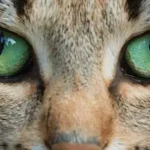
Large oval-shaped blue eyes create an alert and expressive appearance.
The vivid blue eye color contrasts beautifully with the point-colored coat.
Ears
The ears are medium to large, broad at the base, and slightly rounded at the tips.
Tail
The tail is the breed’s defining characteristic.
Every Mekong Bobtail Cat has a naturally short tail with unique bends, curls, or knots that make each individual different.
Coat
The coat is:
- Short
- Fine
- Glossy
- Soft
- Close-lying
Its silky texture requires only minimal maintenance.
Coat Colors & Patterns
The Mekong Bobtail displays the classic colorpoint pattern seen in several Southeast Asian breeds.
Common Point Colors
- Seal Point
- Blue Point
- Chocolate Point
- Lilac Point
- Red Point
- Cream Point
Kittens are born with lighter coats, while darker point colors gradually develop as they mature.
Coat Characteristics
The coat is generally:
- Short
- Smooth
- Fine
- Glossy
- Low maintenance
The striking color contrast enhances the breed’s elegant appearance.
Mekong Bobtail Personality
The Mekong Bobtail is known for being affectionate, intelligent, and highly people-oriented.
Affectionate
This breed enjoys staying close to family members and often follows its owners around the house.
Intelligent
Quick learning abilities make puzzle toys and training sessions enjoyable.
Social
The breed thrives on interaction and generally dislikes spending long periods alone.
Curious
Exploring new environments and investigating unfamiliar objects are part of its natural behavior.
Playful
Daily interactive play keeps both the body and mind active.
Loyal
Many owners describe the Mekong Bobtail Cat as having a dog-like loyalty and a strong attachment to its family.
Why Is the Mekong Bobtail Unique?
Several characteristics make this breed stand out among domestic cats.
Its unique features include:
- Naturally short tail
- Every tail is different
- Blue eyes
- Colorpoint coat
- High intelligence
- Loyal personality
These qualities make the Mekong Bobtail one of the most distinctive natural cat breeds.
Is a Mekong Bobtail a Good Family Pet?
The Mekong Bobtail adapts well to different home environments.
The breed generally gets along well with:
- Families
- Couples
- Singles
- Seniors
- Children
- Other cats
- Cat-friendly dogs
Because of its affectionate temperament, this breed enjoys regular companionship and usually thrives in homes where it receives plenty of attention.
Mekong Bobtail Size
The Mekong Bobtail is considered a medium-sized breed with a lean and athletic body.
Average Height
- 8–10 inches
Average Weight
- Females: 6–9 pounds
- Males: 8–12 pounds
Growth Stages
Kitten (0–6 Months)
Rapid growth with increasing curiosity and playful behavior.
Junior (6–18 Months)
Muscles continue developing while confidence and activity levels increase.
Adult (18–24 Months)
Most cats reach full physical maturity between eighteen months and two years of age.
Quick Facts
| Feature | Details |
|---|---|
| Origin | Southeast Asia |
| Breed Type | Natural Breed |
| Coat | Short |
| Weight | 6–12 lbs |
| Lifespan | 12–18 Years |
| Grooming | Low |
| Shedding | Low |
| Personality | Intelligent, Loyal, Playful |
Why Is the Mekong Bobtail Becoming More Popular?
Interest in the Mekong Bobtail continues to grow because of its beautiful colorpoint coat, naturally short tail, and affectionate personality. Many cat lovers appreciate its intelligence, playful nature, and strong connection with family members. As more people discover this rare breed, the Mekong Bobtail Cat is gradually gaining recognition among owners looking for an elegant yet active companion.
Grooming & Coat Care
The Mekong Bobtail has a short, smooth coat that is easy to care for. Unlike long-haired breeds, it does not require frequent grooming, making it a good choice for owners looking for a low-maintenance companion.
A simple grooming routine helps keep the coat healthy while allowing you to monitor your cat’s overall condition.
Brushing
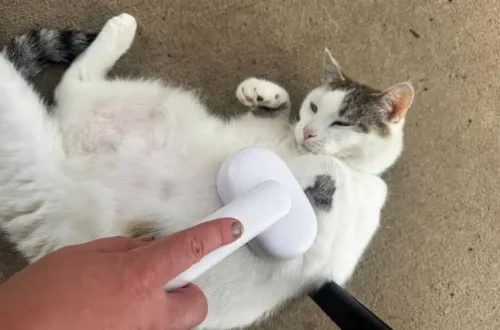
Brush your cat once each week using a soft-bristle brush or grooming glove.
Regular brushing helps:
- Remove loose hair
- Maintain a glossy coat
- Distribute natural skin oils
- Reduce shedding
- Strengthen the bond with your pet
The Mekong Bobtail Cat usually enjoys gentle grooming sessions when introduced at a young age.
Bathing
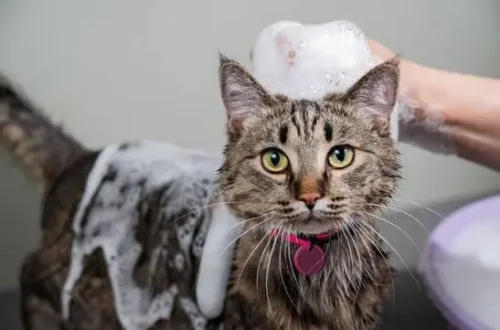
Frequent bathing is generally unnecessary.
Only bathe your cat when:
- The coat becomes dirty
- Recommended by a veterinarian
- The cat has difficulty cleaning itself after getting into something messy
Always use a shampoo designed specifically for cats.
Ear Cleaning
Inspect the ears every week for:
- Wax buildup
- Dirt
- Redness
- Unpleasant odor
Clean only with veterinarian-approved ear-cleaning products.
Nail Trimming
Trim the nails every 2–4 weeks to maintain healthy paws and prevent overgrown claws.
Dental Care
Brush the teeth several times each week to reduce plaque and support long-term oral health.
Shedding
The Mekong Bobtail is considered a low-shedding breed.
Does a Mekong Bobtail Shed?
Yes, but shedding is usually light because of the short, close-fitting coat.
Seasonal shedding may become slightly heavier during natural coat changes.
Managing Shedding
To reduce loose hair:
- Brush weekly.
- Feed a balanced diet.
- Keep your cat hydrated.
- Schedule regular veterinary visits.
- Wash bedding routinely.
Consistent grooming helps the Mekong Bobtail Cat maintain a clean and healthy coat.
Exercise & Mental Stimulation
The Mekong Bobtail is energetic, intelligent, and naturally curious.
Daily activity helps maintain healthy muscles while preventing boredom.
Daily Exercise
Aim for 30–45 minutes of interactive play every day.
Favorite activities include:
- Feather wand toys
- Puzzle feeders
- Interactive balls
- Cat tunnels
- Chasing games
- Climbing furniture
Climbing
This breed enjoys exploring elevated spaces.
Provide:
- Cat trees
- Window perches
- Wall shelves
- Scratching posts
These encourage healthy exercise while satisfying natural climbing instincts.
Mental Enrichment
The intelligent Mekong Bobtail Cat benefits from:
- Puzzle toys
- Food puzzles
- Clicker training
- Toy rotation
- Interactive games
Mental stimulation helps reduce boredom while encouraging confidence and positive behavior.
Common Health Problems
The Mekong Bobtail is generally regarded as a healthy natural breed.
Because it developed naturally over many generations, it has relatively few documented inherited health problems. Even so, routine veterinary care remains essential.
Dental Disease
Like many cats, this breed may develop dental problems without regular oral care.
Routine brushing and professional cleanings help prevent:
- Plaque
- Tartar
- Gum disease
Obesity
Indoor cats can gain excess weight if they receive too little exercise or too much food.
Balanced nutrition and daily activity help maintain an ideal body condition.
Eye Health
Regular veterinary examinations help monitor overall eye health and detect potential issues early.
Preventive Healthcare
Routine veterinary care should include:
- Physical examinations
- Vaccinations
- Parasite prevention
- Dental evaluations
- Weight monitoring
Preventive healthcare supports long-term wellness and quality of life.
Lifespan
A healthy Mekong Bobtail generally lives between 12 and 18 years, and many individuals remain active well into their senior years.
Factors That Affect Lifespan
- Genetics
- Proper nutrition
- Preventive veterinary care
- Daily exercise
- Indoor living
- Healthy body weight
Consistent care helps maximize both lifespan and overall well-being.
Diet & Nutrition
Proper nutrition supports the muscles, immune system, skin, and coat of the Mekong Bobtail.
High-Quality Protein
Choose foods that list animal protein as the primary ingredient.
Protein supports:
- Lean muscle
- Healthy growth
- Strong immune function
Wet vs. Dry Food
Many veterinarians recommend a combination of wet and dry food to provide balanced nutrition while encouraging good hydration.
Portion Control
Feed measured portions according to:
- Age
- Activity level
- Body condition
- Veterinary recommendations
Maintaining a healthy weight helps reduce the risk of obesity.
Fresh Water
Always provide clean drinking water throughout the day.
Proper hydration supports healthy kidney function and overall wellness.
Nutrients That Support Coat Health
Look for foods containing:
- Omega-3 fatty acids
- Omega-6 fatty acids
- Taurine
- Vitamin E
- High-quality protein
These nutrients help maintain the glossy coat and healthy skin of the Mekong Bobtail Cat.
Daily Care Checklist
Following a regular routine helps keep your Mekong Bobtail healthy and comfortable.
Every Day
- Provide fresh food and water.
- Spend time playing together.
- Scoop the litter box.
- Observe appetite and behavior.
Every Week
- Brush the coat.
- Check the ears.
- Brush the teeth.
- Inspect the skin and coat.
Every Month
- Trim nails.
- Monitor body weight.
- Clean grooming tools.
Every Year
- Schedule a veterinary wellness examination.
- Update vaccinations.
- Continue parasite prevention.
- Review nutritional needs with your veterinarian.
Care Summary Table
| Care Task | Recommended Frequency |
|---|---|
| Brushing | Once weekly |
| Bathing | As needed |
| Ear Inspection | Weekly |
| Nail Trimming | Every 2–4 weeks |
| Teeth Brushing | Several times weekly |
| Veterinary Checkup | Once yearly |
| Daily Exercise | 30–45 minutes |
Mekong Bobtail vs Siamese
The Mekong Bobtail and the Siamese share similar colorpoint coats and striking blue eyes, but they are different breeds with unique characteristics. While both are affectionate and intelligent, the Mekong Bobtail is best known for its naturally short tail.
| Feature | Mekong Bobtail | Siamese |
|---|---|---|
| Origin | Southeast Asia | Thailand |
| Tail | Naturally short and unique | Long and slender |
| Eyes | Blue | Blue |
| Coat | Short, glossy | Short, fine |
| Body | Medium, athletic | Long and elegant |
| Personality | Loyal, playful, social | Affectionate, vocal, intelligent |
| Grooming | Low | Low |
The Mekong Bobtail Cat offers the elegant appearance of a Siamese while standing out because every cat has its own distinctive bobtail.
Mekong Bobtail Price
The Mekong Bobtail is still considered a rare breed in many countries, so availability can be limited.
Kitten Price
Pet-quality kittens generally cost between $1,000 and $2,500.
Show-quality kittens from established breeding programs may cost $3,000 or more.
Adoption
Finding one through a rescue organization is uncommon, but adoption occasionally becomes possible.
Typical adoption fees range from $100 to $500, depending on the organization and location.
Initial Supplies
Before bringing your kitten home, prepare for expenses such as:
- Food and water bowls
- Litter box
- Cat carrier
- Comfortable bed
- Scratching post
- Interactive toys
- Grooming supplies
- Premium cat food
Annual Ownership Costs
Yearly expenses commonly include:
- High-quality food
- Veterinary checkups
- Vaccinations
- Dental care
- Parasite prevention
- Replacement toys
- Optional pet insurance
Planning for these costs helps provide excellent lifelong care.
Pros and Cons
Pros
- Naturally unique bobtail
- Beautiful blue eyes
- Friendly personality
- Highly intelligent
- Easy-to-maintain coat
- Family-friendly
- Generally healthy natural breed
Cons
- Rare outside its native region
- Limited breeder availability
- Can become lonely without companionship
- Needs regular mental stimulation
- May be difficult to locate for adoption
Is a Mekong Bobtail Right for You?
The Mekong Bobtail is an excellent choice for owners who enjoy an affectionate, intelligent, and playful companion.
The breed is well suited for:
- Families
- Couples
- Singles
- Seniors
- Indoor households
- Multi-pet homes
The Mekong Bobtail Cat enjoys spending time with people and usually thrives in homes where it receives regular attention and daily interaction.
If you can provide balanced nutrition, preventive healthcare, regular play, and a safe indoor environment, this breed can become a devoted lifelong companion.
Final Verdict
The Mekong Bobtail is a graceful natural breed that combines elegance, intelligence, and loyalty. Its naturally short tail, brilliant blue eyes, and playful personality make it one of the most distinctive cats from Southeast Asia.
Although still uncommon in many parts of the world, the Mekong Bobtail Cat continues to gain recognition among cat lovers who appreciate healthy natural breeds with unique characteristics. With proper care, regular veterinary attention, and plenty of companionship, this remarkable feline can enjoy a long, active, and rewarding life.
Frequently Asked Questions (FAQs)
1. Is a Mekong Bobtail a good family pet?
Yes. The breed is affectionate, gentle, and generally gets along well with children and other pets.
2. What is a Mekong Bobtail Cat?
The Mekong Bobtail Cat is a natural Southeast Asian breed recognized for its short tail, blue eyes, and colorpoint coat.
3. Why does the Mekong Bobtail have a short tail?
The short tail is a naturally inherited genetic trait and is one of the breed’s defining characteristics.
4. How big do Mekong Bobtails get?
Most adults weigh between 6 and 12 pounds, with males generally being slightly larger than females.
5. Are Mekong Bobtails healthy?
Yes. They are generally considered a healthy natural breed, especially when provided with proper veterinary care and balanced nutrition.
6. What is the average Mekong Bobtail price?
Most kittens cost between $1,000 and $2,500, depending on pedigree and breeder reputation.
7. How long do Mekong Bobtails live?
Most live between 12 and 18 years, while many remain healthy even longer with excellent care.
8. Do Mekong Bobtails shed?
Yes, but shedding is generally light because of their short coat.
9. Are Mekong Bobtails hypoallergenic?
No. Like all cats, they produce allergens and are not considered hypoallergenic.
10. Can Mekong Bobtails live indoors?
Yes. Indoor living is recommended because it protects them from disease, accidents, and environmental hazards.
11. How often should they be groomed?
Weekly brushing is usually enough to keep the coat clean and glossy.
12. Are Mekong Bobtails active?
Yes. They enjoy climbing, puzzle toys, interactive games, and daily play sessions.
13. Do they get along with other pets?
Yes. With proper introductions, they usually adapt well to other cats and cat-friendly dogs.
14. Is every Mekong Bobtail tail different?
Yes. Each cat has its own naturally unique tail shape, with different curves, bends, or kinks.
15. Are Mekong Bobtails suitable for first-time owners?
Yes. Their friendly temperament, moderate grooming needs, and affectionate personality make them an excellent choice for first-time cat owners who can provide regular companionship.