


Minuet Cat
Introduction
The Minuet Cat is a charming breed known for its sweet personality, adorable short legs, and round, expressive face. Originally introduced as the Napoleon Cat, this breed combines the luxurious appearance of the Persian with the playful nature and short legs of the Munchkin. The result is an affectionate companion that adapts well to family life and indoor living. Whether you are researching the breed or considering ownership, this guide explains everything you need to know about the Minuet Cat, from its history and appearance to its personality and care.
What Is a Minuet Cat?
The Minuet Cat is a domestic cat breed developed by crossing Persian cats with Munchkin cats.
The breed was originally called the Napoleon Cat, but its official name was later changed to Minuet.
Today, the breed is admired for its loving temperament, compact body, and beautiful coat.
Key Characteristics
- Medium-sized body
- Short legs
- Round face
- Large expressive eyes
- Plush coat
- Friendly personality
- Intelligent nature
- Family companion
The Minuet Cat combines the gentle personality of the Persian with the playful curiosity of the Munchkin.
Minuet Cat History
The Minuet Cat was developed during the 1990s by breeder Joe Smith.
His goal was to create a breed that combined the luxurious appearance of Persian cats with the naturally short legs of the Munchkin.
Initially, the breed became known as the Napoleon Cat.
Later, cat organizations adopted the name Minuet Cat, which better reflected the breed’s graceful appearance and personality.
Today, the breed is recognized by major cat organizations, including TICA (The International Cat Association).
Although still considered relatively uncommon, the Minuet continues to gain popularity among cat enthusiasts worldwide.
While the Minuet Cat is admired for its short legs and fluffy coat, the Foldex Cat is known for its folded ears, sweet temperament, and charming appearance.
Appearance
The Minuet Cat has a balanced, compact body with distinctive short legs and a sweet facial expression.
Body
The breed has a medium-sized, muscular body with strong bone structure despite its shorter legs.
Head
Its head is round with full cheeks and a well-developed muzzle.
Eyes
Large round eyes create an alert, affectionate, and gentle expression.
Eye color usually complements the coat color.
Ears
The ears are medium-sized with rounded tips and are positioned well apart.
Tail
The tail is medium to long and remains proportionate to the overall body.
Coat
The Minuet Cat comes in both long-haired and short-haired varieties.
Both coat types are soft, dense, and plush.
Coat Colors & Patterns
The Minuet Cat appears in a wide variety of beautiful colors and patterns.
Common Coat Colors
- White
- Black
- Blue
- Cream
- Red
- Chocolate
- Silver
Common Patterns
- Solid
- Tabby
- Bicolor
- Tortoiseshell
- Colorpoint
Every cat has its own unique combination of colors and markings.
Coat Characteristics
The coat may be:
- Long-haired
- Short-haired
- Soft
- Dense
- Plush
The luxurious coat contributes greatly to the breed’s distinctive appearance.
Minuet Cat Personality
The Minuet Cat is widely appreciated for its affectionate, playful, and gentle temperament.
Affectionate
The breed enjoys spending time with family members and often follows its favorite people around the home.
Gentle
Its calm nature makes it suitable for peaceful households as well as busy families.
Intelligent
The breed learns routines quickly and enjoys interactive games.
Curious
Although it has shorter legs, the Minuet remains naturally curious and enjoys exploring its surroundings.
Playful
Most individuals maintain a playful attitude well into adulthood.
Adaptable
The Napoleon Cat adjusts well to apartments, houses, and multi-pet families when introduced properly.
Why Is the Minuet Cat Unique?
The Minuet Cat stands out because it successfully combines the best qualities of both Persian and Munchkin cats.
Its unique combination includes:
- Short legs
- Round facial features
- Plush coat
- Friendly personality
- Gentle temperament
- Intelligent nature
Unlike many breeds, the Minuet offers both a distinctive appearance and a balanced personality.
Is a Minuet Cat a Good Family Pet?
The Minuet Cat makes an excellent companion for many different households.
The breed usually gets along well with:
- Families
- Couples
- Singles
- Seniors
- Children
- Other cats
- Cat-friendly dogs
Its affectionate personality and adaptable nature help it settle comfortably into many home environments.
Minuet Cat Size
The Minuet Cat is considered a medium-sized breed despite its shorter legs.
Average Height
- 7–9 inches
Average Weight
- Females: 5–8 pounds
- Males: 7–9 pounds
Growth Stages
Kitten (0–6 Months)
Rapid growth with playful behavior and curiosity.
Junior (6–18 Months)
Muscles continue developing while confidence and coordination improve.
Adult (18–24 Months)
Most Minuet Cats reach full physical maturity between eighteen months and two years of age.
Quick Facts
| Feature | Details |
|---|---|
| Origin | United States |
| Breed Type | Persian × Munchkin Hybrid |
| Coat | Long or Short |
| Weight | 5–9 lbs |
| Lifespan | 12–15 Years |
| Grooming | Moderate |
| Shedding | Moderate |
| Personality | Gentle, Affectionate, Playful |
Why Is the Minuet Cat Becoming More Popular?
The Minuet Cat continues to grow in popularity because of its adorable appearance, friendly temperament, and adaptable personality. Many people who once searched for the Napoleon Cat now recognize the breed under its official name. Its combination of playful behavior, affectionate nature, and manageable size makes it an appealing choice for a wide variety of cat lovers.
Grooming Guide
The Minuet Cat has a soft, plush coat that requires regular care to keep it clean and free from tangles. Grooming needs vary slightly depending on whether your cat has a long-haired or short-haired coat.
Brushing
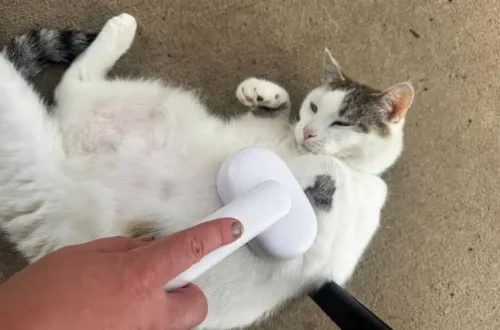
Brush your Minuet Cat regularly to maintain a healthy coat.
- Long-haired variety: Brush 3–4 times per week
- Short-haired variety: Brush 1–2 times per week
Regular brushing helps:
- Remove loose hair
- Prevent mats and tangles
- Distribute natural skin oils
- Keep the coat soft and shiny
- Reduce seasonal shedding
Use a soft slicker brush or a stainless-steel comb designed for cats.
Bathing
The Minuet Cat rarely needs frequent bathing.
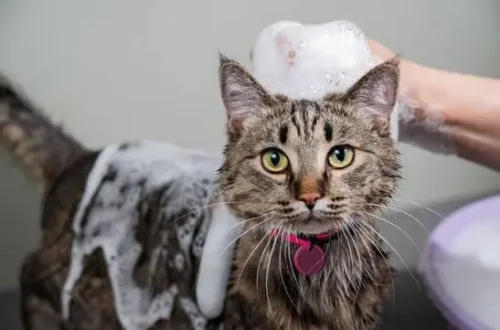
Only bathe your cat when necessary using a gentle shampoo formulated specifically for cats.
After bathing, dry the coat carefully with a soft towel and avoid rough rubbing that may cause tangles.
Ear Cleaning
Inspect the ears weekly for wax, dirt, or signs of irritation.
Clean them only when needed using a veterinarian-approved ear cleaner.
Nail Trimming
Trim the nails every 2–4 weeks to keep the paws comfortable and prevent overgrown claws.
Dental Care
Brush the teeth several times each week to reduce plaque buildup and support lifelong dental health.
Shedding
The Minuet Cat is considered a moderate shedder.
Long-haired individuals generally shed more than short-haired ones, especially during seasonal coat changes.
Why Shedding Changes
Shedding may increase because of:
- Seasonal coat changes
- Poor nutrition
- Stress
- Hormonal changes
- Skin health
Managing Shedding
Simple grooming habits help control loose hair:
- Regular brushing
- Balanced nutrition
- Fresh drinking water
- Healthy skin care
- Routine veterinary checkups
Consistent grooming keeps the coat looking neat while reducing loose hair around the home.
Exercise & Mental Stimulation
The Minuet Cat is playful, curious, and intelligent.
Although its legs are shorter than those of many other breeds, it still enjoys regular activity and interactive play.
Daily Exercise
Aim for 20–40 minutes of interactive play each day.
Favorite activities include:
- Feather wand toys
- Puzzle feeders
- Interactive balls
- Cat tunnels
- Soft climbing structures
- Chasing games
Safe Climbing
Because of its shorter legs, the breed benefits from lower cat trees and climbing furniture that are easy to access.
This allows the cat to stay active while reducing unnecessary strain on the joints.
Mental Enrichment
The intelligent Napoleon Cat enjoys activities such as:
- Puzzle toys
- Clicker training
- Food puzzles
- Hide-and-seek games
- Rotating interactive toys
Changing toys regularly helps prevent boredom while encouraging healthy mental stimulation.
Common Health Problems
The Minuet Cat is generally healthy but may inherit certain conditions associated with its parent breeds.
Regular veterinary care plays an important role in early detection and prevention.
Obesity
Because the breed has shorter legs, maintaining a healthy body weight is especially important.
Extra weight places additional stress on the joints and spine.
Dental Disease
Routine tooth brushing and professional dental cleanings help reduce plaque buildup and gum disease.
Polycystic Kidney Disease (PKD)
Since Persian cats are part of the breed’s ancestry, some individuals may inherit Polycystic Kidney Disease (PKD).
Responsible breeders perform health screening to reduce this risk.
Joint Health
Although many cats live normal, active lives, owners should encourage safe exercise and avoid excessive jumping from high surfaces.
Preventive Healthcare
Routine wellness examinations, vaccinations, parasite prevention, and health screenings contribute to long-term health.
Lifespan
A healthy Minuet Cat generally lives between 12 and 15 years, although many individuals enjoy even longer lives with excellent care.
Factors That Affect Lifespan
- Genetics
- Balanced nutrition
- Healthy body weight
- Preventive veterinary care
- Daily exercise
- Indoor living
- Mental stimulation
Consistent care helps maximize both longevity and quality of life.
Diet & Nutrition
Proper nutrition supports the muscles, joints, coat, immune system, and overall health of a Minuet Cat.
High-Quality Protein
Choose foods that list animal protein as the primary ingredient.
Protein supports lean muscle development while providing healthy daily energy.
Wet vs. Dry Food
Many veterinarians recommend feeding both wet and dry food to provide complete nutrition while supporting hydration.
Portion Control
Feed measured portions based on age, activity level, and body condition.
Avoid overfeeding to reduce the risk of obesity.
Fresh Water
Always provide clean, fresh drinking water throughout the day.
Nutrients That Support Overall Health
Look for foods containing:
- Omega-3 fatty acids
- Omega-6 fatty acids
- Taurine
- Vitamin E
- High-quality animal protein
These nutrients help maintain healthy skin, a soft coat, strong muscles, heart health, vision, and immune function.
Daily Care Checklist
Following a consistent routine helps keep your companion healthy and happy.
Every Day
- Provide fresh food and water.
- Spend time playing together.
- Scoop the litter box.
- Monitor appetite and activity.
Every Week
- Brush the coat.
- Check the ears.
- Brush the teeth several times.
- Inspect the skin and coat.
Every Month
- Trim nails.
- Monitor body weight.
- Clean grooming tools.
Every Year
- Schedule a veterinary wellness examination.
- Keep vaccinations current.
- Review parasite prevention.
Care Summary Table
| Care Task | Recommended Frequency |
|---|---|
| Brushing (Long Hair) | 3–4 times weekly |
| Brushing (Short Hair) | 1–2 times weekly |
| Bathing | Only when needed |
| Ear Cleaning | Weekly inspection |
| Nail Trimming | Every 2–4 weeks |
| Teeth Brushing | Several times weekly |
| Veterinary Checkup | Once per year |
| Daily Exercise | 20–40 minutes |
Minuet Cat vs Munchkin Cat
The Minuet Cat and the Munchkin Cat share short legs, but they differ in appearance, coat type, personality, and ancestry.
| Feature | Minuet Cat | Munchkin Cat |
|---|---|---|
| Origin | United States | United States |
| Parent Breeds | Persian × Munchkin | Natural short-legged breed |
| Body Type | Compact, round | Medium, athletic |
| Coat | Long or short, plush | Long or short, various textures |
| Personality | Gentle, affectionate, calm | Playful, energetic, curious |
| Grooming | Moderate | Low to moderate |
| Activity Level | Moderate | Moderate to high |
The Minuet Cat usually has a rounder face and a plush coat inherited from the Persian, while the Munchkin generally has a leaner appearance and a more active personality.
Minuet Cat Price
The Minuet Cat Price depends on pedigree, breeder reputation, coat type, and location.
Kitten Price
Pet-quality kittens generally cost between $1,000 and $2,500.
Show-quality kittens or exceptional breeding lines may cost $3,000 or more.
Adoption
Although uncommon, adoption is sometimes possible through rescue organizations.
Adoption fees generally range from $100 to $500, depending on age and location.
Initial Supplies
Before bringing your kitten home, budget for:
- Food and water bowls
- Litter box
- Cat carrier
- Cat tree
- Scratching posts
- Interactive toys
- Grooming supplies
- High-quality cat food
Annual Ownership Costs
Regular yearly expenses include:
- Premium food
- Veterinary examinations
- Vaccinations
- Parasite prevention
- Dental care
- Toys and enrichment
- Pet insurance (optional)
Planning for these costs helps provide excellent lifelong care.
Pros and Cons
Pros
- Affectionate personality
- Gentle temperament
- Beautiful plush coat
- Intelligent and easy to train
- Good family companion
- Adaptable to indoor living
- Available in long-haired and short-haired varieties
Cons
- Requires regular grooming
- May inherit Persian-related health conditions
- Short legs require healthy weight management
- Can be difficult to find
- Purchase price may be high
Is a Minuet Cat Right for You?
The Minuet Cat is an excellent choice for people looking for an affectionate, gentle, and playful companion.
The breed is especially suitable for:
- Families
- Couples
- Singles
- Seniors
- Indoor households
- Multi-pet homes with proper introductions
The former Napoleon Cat enjoys spending time with people while maintaining a calm and friendly personality.
If you can provide regular grooming, quality nutrition, daily play, and routine veterinary care, the Minuet Cat can become a loving companion for many years.
Final Verdict
The Minuet Cat combines the charming appearance of the Persian with the playful personality of the Munchkin, creating a unique and affectionate companion. Its sweet expression, compact body, and adaptable nature make it a wonderful choice for many households.
Although the Minuet Cat Price may be higher than that of some common breeds, many owners appreciate its loving personality, beautiful coat, and friendly temperament. With proper grooming, balanced nutrition, preventive veterinary care, and regular interaction, the Minuet Cat can enjoy a long, healthy, and happy life.
Frequently Asked Questions (FAQs)
1. Is a Minuet Cat a good family pet?
Yes. The breed is affectionate, gentle, and usually gets along well with children and other pets.
2. Is the Minuet Cat the same as the Napoleon Cat?
Yes. The breed was originally called the Napoleon Cat, but the official name was later changed to Minuet Cat.
3. How big do Minuet Cats get?
Adult females usually weigh 5–8 pounds, while males generally weigh 7–9 pounds.
4. What coat colors do Minuet Cats come in?
They are available in many colors, including white, black, blue, cream, red, chocolate, and silver, with several attractive patterns.
5. What is the average Minuet Cat Price?
Most pet-quality kittens cost between $1,000 and $2,500, depending on pedigree and breeder reputation.
6. How long do Minuet Cats live?
Most live between 12 and 15 years, and many enjoy even longer lives with proper care.
7. Do Minuet Cats shed?
Yes. They are moderate shedders, and long-haired cats usually require more frequent brushing than short-haired individuals.
8. Are Minuet Cats affectionate?
Yes. They enjoy spending time with their families and often form strong bonds with their owners.
9. Can Minuet Cats live indoors?
Yes. Indoor living is recommended because it provides a safer environment while allowing plenty of opportunities for play and enrichment.
10. How often should they be groomed?
Long-haired Minuet Cats should usually be brushed 3–4 times per week, while short-haired cats generally need brushing 1–2 times weekly.
11. Are Minuet Cats active?
Yes. They enjoy interactive games, puzzle toys, and gentle climbing, although they are generally calmer than many highly active breeds.
12. Are they easy to train?
Yes. Their intelligence and willingness to interact make them responsive to positive reinforcement and simple training.
13. Do they get along with other pets?
Yes. With proper introductions, they usually adapt well to living with other cats and cat-friendly dogs.
14. Are Minuet Cats rare?
Yes. They are still considered relatively uncommon, especially outside specialized breeding programs.
15. Are they suitable for first-time owners?
Yes. Their affectionate temperament, adaptable personality, and manageable care requirements make them a good choice for many first-time cat owners.