

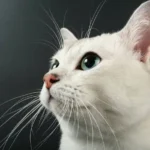


Peterbald Cat
Introduction
The Peterbald Cat is an elegant and intelligent breed admired for its graceful body, affectionate personality, and unusual appearance. Originating in Saint Petersburg, Russia, this breed is often recognized as a Hairless Russian Cat, although not every Peterbald is completely hairless. Some individuals develop soft or partial coats as they mature. Whether you’re researching the Peterbald Price or learning about the breed’s care requirements, this guide explains everything you need to know before bringing one home.
What Is a Peterbald Cat?
The Peterbald Cat is a medium-sized domestic breed known for its slender body, large ears, long legs, and elegant appearance.
Unlike many people believe, not every Peterbald is completely hairless. The breed naturally develops several different coat types, ranging from completely bald to short brush coats.
Despite its unusual appearance, the breed is affectionate, social, and highly intelligent.
Key Characteristics
- Elegant body
- Long legs
- Large ears
- Wedge-shaped head
- Intelligent personality
- Affectionate nature
- Athletic build
- Family companion
The Hairless Russian Cat combines striking looks with a friendly and people-oriented temperament.
While the Peterbald Cat is admired for its hairless appearance and elegant body, the American Bobtail is known for its distinctive short tail and playful nature.
Peterbald Cat History
The Peterbald Cat originated in Saint Petersburg, Russia, during the 1990s.
The breed was developed by crossing a Donskoy with an Oriental Shorthair to create a graceful cat with a distinctive appearance and loving personality.
Breeders focused on maintaining elegance, intelligence, and sociability while introducing the unique hair-loss gene.
Today, the breed is recognized by several international cat associations and continues to grow in popularity around the world.
Appearance
The Peterbald Cat has a sleek, athletic body that gives it a refined and graceful appearance.
Body
The breed has a long, muscular body with fine bones and an elegant posture.
Head
Its head forms a long wedge with straight lines and a refined profile.
Eyes
Medium-sized almond-shaped eyes create an alert and intelligent expression.
Eye color varies depending on coat color and genetics.
Ears
Large, open ears are one of the breed’s most recognizable features.
Tail
The tail is long, thin, flexible, and tapers gradually toward the tip.
Skin and Coat
Unlike most breeds, the Peterbald Cat can have several different coat types.
Possible coat varieties include:
- Bald
- Flock
- Velour
- Brush
- Straight coat
Many kittens change coat type as they grow, making every Peterbald unique.
Peterbald Coat Types
One of the most interesting characteristics of the Peterbald Cat is its variety of coat types.
Bald
Completely hairless with soft, warm skin.
Flock
Very fine, peach-fuzz-like hair that feels similar to velvet.
Velour
Short, soft coat that may gradually become thinner with age.
Brush
Curly or wiry hair covering part or all of the body.
Straight Coat
A normal short coat without the hair-loss gene.
Coat type can continue changing during the first few years of life.
Coat Colors
The Peterbald Cat comes in virtually every color and pattern recognized in domestic cats.
Common colors include:
- Black
- White
- Blue
- Cream
- Chocolate
- Lilac
- Red
Patterns may include:
- Solid
- Tabby
- Bicolor
- Tortoiseshell
- Colorpoint
In hairless individuals, skin pigmentation determines the visible color and pattern.
Peterbald Personality
The Peterbald Cat is intelligent, affectionate, social, playful, and curious.
Affectionate
This breed enjoys spending time with family members and often follows people around the home.
Intelligent
The Peterbald learns routines quickly and enjoys puzzle toys, interactive games, and training sessions.
Social
Unlike many independent cats, this breed prefers companionship and dislikes being left alone for long periods.
Curious
The breed enjoys exploring every corner of the home and investigating new objects.
Vocal
Many Peterbalds communicate using soft meows and chirping sounds.
Is a Peterbald Cat a Good Family Pet?
The Peterbald Cat adapts well to households where it receives attention, interaction, and daily companionship.
The breed commonly gets along well with:
- Children
- Couples
- Singles
- Seniors
- Other cats
- Cat-friendly dogs
Because of its friendly and affectionate personality, the Hairless Russian Cat quickly becomes part of family life.
Peterbald Cat Size
The Peterbald Cat is considered a medium-sized breed with a lean and athletic body.
Average Height
- 8–10 inches
Average Weight
- Females: 6–8 pounds
- Males: 8–10 pounds
Growth Stages
Kitten (0–6 Months)
Rapid growth with playful and curious behavior.
Junior (6–18 Months)
Body length increases while muscles continue developing.
Adult (18–24 Months)
Most Peterbalds reach full physical maturity between eighteen months and two years of age.
Quick Facts
| Feature | Details |
|---|---|
| Origin | Saint Petersburg, Russia |
| Breed Type | Domestic Breed |
| Coat | Bald, Flock, Velour, Brush or Straight |
| Weight | 6–10 lbs |
| Lifespan | 12–15 Years |
| Grooming | Moderate |
| Shedding | Very Low |
| Personality | Intelligent, Social, Affectionate |
Why Is the Peterbald Cat So Popular?
The Peterbald Cat has gained popularity because of its unusual appearance, affectionate nature, and remarkable intelligence. While many people recognize it as a Hairless Russian Cat, the breed actually includes several different coat varieties, making each unique. Families appreciate the friendly personality of the Peterbald, while prospective owners researching the Peterbald Price often discover that its elegance, loyalty, and playful temperament make it an exceptional companion.
Grooming & Skin Care
The Peterbald Cat requires different grooming than most other breeds because many individuals have little or no fur. Regular skin care helps remove natural oils, keeps the skin healthy, and reduces irritation.
Although grooming needs vary depending on coat type, every Peterbald benefits from a consistent care routine.
Skin Cleaning
Hairless and lightly coated Peterbalds produce natural skin oils that are not absorbed by fur.
Wipe the skin with a soft, damp cloth several times each week to remove excess oil and dirt.
Bathing
Most Peterbald Cat owners bathe their cats every 2–4 weeks using a gentle cat shampoo.
Avoid overbathing because it can dry out the skin.
After bathing, dry the skin completely with a soft towel.
Moisturizing
If your veterinarian recommends it, a pet-safe moisturizer may help prevent dry skin.
Never use lotions designed for humans without veterinary guidance.
Ear Cleaning
Inspect the ears weekly because hairless breeds often produce more ear wax.
Clean only when necessary using a veterinarian-approved ear cleaner.
Nail Trimming
Trim the nails every 2–4 weeks.
Remember to clean around the nail beds because skin oils can accumulate in this area.
Dental Care
Brush your cat’s teeth several times each week to reduce plaque buildup and support healthy gums.
Shedding
The Peterbald Cat is considered a very low shedder.
Hairless individuals shed almost no visible hair, while flock, velour, brush, and straight-coated cats may shed lightly throughout the year.
Coat Type and Shedding
Shedding depends on the individual coat type:
- Bald – Almost no shedding
- Flock – Very little shedding
- Velour – Light shedding
- Brush – Moderate shedding
- Straight coat – Similar to other short-haired cats
Skin Oils
Because hairless cats lack a full coat to absorb natural oils, regular skin cleaning is more important than brushing.
Proper skin care helps maintain the healthy appearance of this elegant Hairless Russian Cat.
Exercise and Mental Stimulation
The Peterbald Cat is energetic, intelligent, and enjoys daily activity.
Regular exercise helps maintain healthy muscles, prevents boredom, and supports emotional well-being.
Daily Exercise
Aim for 30–45 minutes of interactive play every day.
Favorite activities include:
- Feather wand toys
- Puzzle feeders
- Climbing trees
- Interactive balls
- Cat tunnels
- Fetch games
Climbing
The breed enjoys climbing and observing its surroundings from elevated spaces.
Large cat trees and wall-mounted shelves provide excellent enrichment.
Mental Enrichment
The Peterbald enjoys puzzle toys, clicker training, food puzzles, and interactive games that challenge its intelligence.
Changing toys regularly helps prevent boredom.
Common Health Problems
The Peterbald Cat is generally healthy when obtained from responsible breeders, but routine veterinary care remains essential.
Skin Irritation
Hairless skin can become irritated if it is not cleaned regularly.
Keeping the skin clean helps reduce oil buildup and minor skin problems.
Sunburn
Hairless individuals are more sensitive to direct sunlight.
Limit prolonged sun exposure, especially during the hottest parts of the day.
Cold Sensitivity
Because they have little or no insulating fur, many Peterbalds become cold more easily than other cats.
Provide warm sleeping areas during cooler weather.
Dental Disease
Routine tooth brushing and professional cleanings reduce the risk of gum disease and tooth loss.
Obesity
Balanced nutrition and daily activity help maintain a healthy body condition.
Preventive Healthcare
Routine wellness examinations, vaccinations, parasite prevention, and health screenings support lifelong health.
Lifespan
A healthy Peterbald Cat generally lives between 12 and 15 years, although many enjoy longer lives with excellent care.
Factors That Affect Lifespan
- Genetics
- Balanced nutrition
- Routine veterinary care
- Healthy body weight
- Indoor living
- Daily activity
- Preventive healthcare
Providing proper skin care and regular veterinary visits contributes to a longer, healthier life.
Diet & Nutrition
A balanced diet supports the muscles, immune system, skin, and overall health of a Peterbald Cat.
Protein
Choose foods that contain high-quality animal protein as the primary ingredient.
Wet vs. Dry Food
Many veterinarians recommend combining wet and dry food to provide complete nutrition while supporting hydration.
Portion Control
Feed measured portions according to your cat’s age, activity level, and body condition.
Fresh Water
Always provide clean, fresh drinking water.
Extra Energy Needs
Because many hairless cats lose body heat more quickly, some individuals may require slightly more calories than similarly sized coated cats.
Always adjust feeding under veterinary guidance.
Nutrients That Support Healthy Skin
Look for foods containing:
- Omega-3 fatty acids
- Omega-6 fatty acids
- Taurine
- Vitamin E
- High-quality animal protein
These nutrients help maintain healthy skin and overall wellness.
Daily Care Checklist
A regular care routine helps keep your companion healthy and comfortable.
Every Day
- Provide fresh food and water.
- Spend time playing together.
- Scoop the litter box.
- Monitor appetite and activity.
Every Week
- Clean the skin as needed.
- Inspect the ears.
- Brush the teeth several times.
- Check the skin for irritation.
Every Month
- Bathe if necessary.
- Trim nails.
- Monitor body weight.
Every Year
- Schedule a veterinary wellness examination.
- Keep vaccinations current.
- Review parasite prevention.
Care Summary Table
| Care Task | Recommended Frequency |
|---|---|
| Skin Cleaning | Several times weekly |
| Bathing | Every 2–4 weeks |
| Ear Cleaning | Weekly |
| Nail Trimming | Every 2–4 weeks |
| Teeth Brushing | Several times weekly |
| Veterinary Checkup | Once per year |
| Daily Play | 30–45 minutes |
Peterbald Cat vs Sphynx
Although both breeds are often associated with hairless cats, they have different origins, body structures, and personalities.
| Feature | Peterbald Cat | Sphynx |
|---|---|---|
| Origin | Russia | Canada |
| Foundation Breeds | Donskoy × Oriental Shorthair | Natural genetic mutation |
| Body Type | Long, elegant, athletic | Medium, muscular |
| Head Shape | Long wedge | Rounded |
| Coat Types | Bald, Flock, Velour, Brush, Straight | Mostly hairless with fine fuzz |
| Personality | Social and Intelligent | Affectionate and Outgoing |
The Peterbald Cat has a more slender body and may develop different coat types throughout its life, while the Sphynx is typically more consistently hairless.
Peterbald Price
The Peterbald Price depends on pedigree, breeder reputation, coat type, bloodline, and location.
Kitten Price
Pet-quality kittens from reputable breeders generally cost between $1,500 and $3,000.
Show-quality kittens or breeding cats may cost considerably more.
Adoption
Because the breed is relatively rare, adoption opportunities are limited.
When available, adoption fees generally range from $150 to $500.
Initial Supplies
Before bringing your kitten home, budget for:
- Food and water bowls
- Litter box
- Cat carrier
- Cat tree
- Soft bedding
- Interactive toys
- Skin-care supplies
- High-quality cat food
Annual Ownership Costs
Regular expenses include:
- Premium cat food
- Veterinary checkups
- Vaccinations
- Parasite prevention
- Dental care
- Skin-care products
- Pet insurance (optional)
Understanding the Peterbald Price helps owners prepare for both the purchase and long-term care of the breed.
Pros and Cons
Pros
- Highly intelligent
- Very affectionate
- Friendly with families
- Elegant appearance
- Low shedding
- Easy to train
- Forms strong bonds with owners
Cons
- Requires regular skin care
- Sensitive to cold weather
- Can sunburn easily
- Needs frequent interaction
- Usually more expensive than many common breeds
Is a Peterbald Cat Right for You?
The Peterbald Cat is an excellent choice for owners who enjoy interactive, affectionate, and intelligent companions.
The breed is especially suitable for:
- Families
- Couples
- Singles
- Seniors
- Indoor households
- Homes with other friendly pets
Because of its social personality, the Peterbald enjoys spending time with people and generally prefers not to be left alone for long periods.
Owners should also be prepared to provide regular skin care and a warm indoor environment.
Final Verdict
The Peterbald Cat is one of the most distinctive modern cat breeds, combining elegance, intelligence, and affection in a graceful package. Often recognized as a Hairless Russian Cat, it is available in several coat types, making every individual unique.
Whether you are comparing the Peterbald Price or searching for a loyal indoor companion, this breed offers an excellent balance of beauty, personality, and companionship. With proper skin care, balanced nutrition, and routine veterinary visits, a Peterbald can enjoy a long, healthy, and active life.
Frequently Asked Questions (FAQs)
1. Is a Peterbald Cat completely hairless?
No. Peterbalds may be bald, flock, velour, brush, or straight-coated depending on their genetics.
2. Is the Peterbald Cat a good family pet?
Yes. The breed is affectionate, social, and usually gets along well with children and other friendly pets.
3. Why do Peterbald Cats have different coat types?
The breed carries a dominant hair-loss gene that produces several natural coat varieties.
4. How big do Peterbald Cats get?
Adult females generally weigh 6–8 pounds, while males usually weigh 8–10 pounds.
5. What is the average Peterbald Price?
Most pet-quality kittens from reputable breeders cost between $1,500 and $3,000.
6. How long do Peterbald Cats live?
Most live between 12 and 15 years, and many enjoy longer lives with proper care.
7. Do Peterbald Cats shed?
Hairless individuals shed almost no visible hair, while coated varieties may shed lightly depending on coat type.
8. Are Peterbald Cats affectionate?
Yes. They form strong bonds with their families and enjoy constant companionship.
9. Do Peterbald Cats need regular baths?
Yes. Most hairless or lightly coated Peterbalds benefit from bathing every 2–4 weeks to remove excess skin oils.
10. Can Peterbald Cats live indoors?
Yes. Indoor living is recommended because the breed is sensitive to cold weather and prolonged sun exposure.
11. Are Peterbald Cats sensitive to cold?
Yes. Because many have little or no fur, they may need warm bedding and comfortable indoor temperatures.
12. How often should they be groomed?
Clean the skin regularly, bathe every 2–4 weeks, trim nails every few weeks, clean the ears weekly, and maintain dental hygiene.
13. Are Peterbald Cats easy to train?
Yes. Their intelligence allows them to learn routines, tricks, and interactive games through positive reinforcement.
14. Are Peterbald Cats active?
Yes. They enjoy climbing, puzzle toys, interactive play, and exploring their surroundings.
15. Are they suitable for first-time owners?
Yes. First-time owners who are prepared for regular skin care and daily interaction often find them to be affectionate and rewarding companions.