




Domestic Long Hair Cat
Introduction
The domestic long hair cat is one of the most popular companion cats found in homes and animal shelters around the world. Known for its beautiful coat, bushy tail, and affectionate nature, a domestic long hair cat can have many different appearances because it is not a single recognized breed. Whether you’re looking for a playful fluffy house cat or an easygoing family companion, this guide explains everything you need to know about the domestic long hair cat, including its history, personality, grooming needs, and overall care.
What Is a Domestic Long Hair Cat?
A domestic long-haired cat is not an official cat breed. Instead, it is a mixed-breed cat with medium to long fur that has inherited its appearance from many generations of different cats.
Unlike pedigree breeds such as the Persian or Maine Coon, a domestic longhair does not follow a specific breed standard. Each cat has its own unique appearance, personality, and coat pattern.
Because of this genetic diversity, every long-haired cat can look slightly different while still being classified as a domestic longhair.
Read more;If you’re looking for a cat that requires less grooming, don’t miss our Cat Breeds That Don’t Shed guide to discover low-shedding feline breeds.
Key Characteristics
- Mixed ancestry
- Long or semi-long coat
- Bushy tail
- Wide variety of colors
- Many different coat patterns
- Friendly and adaptable personality
Domestic Long Hair Cat History
The domestic long hair cat developed naturally over hundreds of years rather than through selective breeding.
Long-haired cats were introduced into different parts of the world through trade and travel. Over time, they bred with local cats, creating the mixed-breed population we now call the domestic longhair.
Because these cats evolved naturally instead of being intentionally bred for specific traits, they display tremendous variety in both appearance and temperament.
Today, the domestic long hair cat is one of the most commonly adopted cats from animal shelters and rescue organizations.
Appearance
One reason people love the domestic long hair cat is that no two cats look exactly alike.
Coat
The coat ranges from medium to very long and usually feels soft and fluffy. Many cats also have thick neck ruffs, feathered legs, and full tails.
Body
A long haired cat may have a slim, athletic build or a larger, muscular frame depending on its ancestry.
Eyes
Eye colors include:
- Green
- Gold
- Copper
- Blue
- Hazel
- Odd-colored eyes (rare)
Coat Colors
A domestic long hair cat may be found in almost every color, including:
- Black
- White
- Gray
- Blue
- Cream
- Orange
- Chocolate
- Cinnamon
Coat Patterns
Common patterns include:
- Solid
- Tabby
- Tortoiseshell
- Calico
- Bicolor
- Colorpoint
- Smoke
This incredible variety makes every fluffy house cat unique.
Domestic Long Hair Cat Personality
Although every cat has its own personality, many domestic long hair cat companions share several common traits.
Friendly
Most domestic longhairs enjoy spending time with their families and often become loyal companions.
Intelligent
A domestic long hair cat learns routines quickly and enjoys puzzle toys and interactive games.
Playful
Young cats are usually energetic and curious, while adults often become calmer but still enjoy daily play sessions.
Affectionate
Many cats enjoy sitting beside their owners or curling up for quiet naps.
Independent
Although affectionate, many domestic longhair cats are also comfortable spending short periods alone.
Because they come from mixed ancestry, personalities vary more than in pedigree breeds.
Domestic Long Hair Cat Size
The size of a domestic long hair cat depends largely on its genetics.
Average Height
- 9–12 inches
Average Weight
- Females: 8–12 pounds
- Males: 10–15 pounds
Some individuals with larger ancestry may weigh even more.
Growth Stages
Kitten (0–6 months)
Rapid growth with frequent play and exploration.
Junior (6–12 months)
The body continues developing while the coat becomes thicker.
Adult (1–3 years)
Most cats reach their full size and develop a mature coat.
Senior (10+ years)
Older cats may become less active and require additional health monitoring.
Is a Domestic Long Hair Cat a Good Family Pet?
For many households, the answer is yes.
A domestic long hair cat usually adapts well to:
- Families with children
- Single owners
- Couples
- Seniors
- Multi-pet households
With early socialization and proper care, a fluffy house cat can become a gentle and affectionate companion for many years.
Quick Facts Table
| Feature | Details |
|---|---|
| Type | Mixed-Breed Cat |
| Coat | Medium to Long |
| Weight | 8–15 lbs |
| Height | 9–12 inches |
| Lifespan | 12–18 years |
| Grooming | Moderate to High |
| Shedding | Moderate to Heavy |
| Temperament | Friendly, Intelligent, Adaptable |
Grooming a Domestic Long Hair Cat
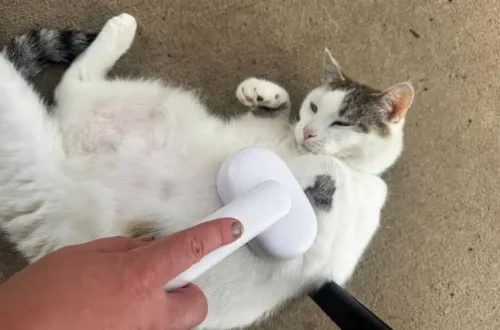
One of the biggest responsibilities of owning a domestic long hair cat is regular grooming. Its thick coat can become tangled or matted if not cared for properly.
Unlike many short-haired cats, a long haired cat benefits from a consistent grooming routine that keeps the coat healthy and comfortable.
Brushing
Brush your domestic long hair cat at least 3–5 times each week. Daily brushing is ideal during seasonal shedding periods.
Regular brushing helps:
- Remove loose fur
- Prevent painful mats
- Reduce hairballs
- Keep the coat shiny
- Improve skin health
Bathing
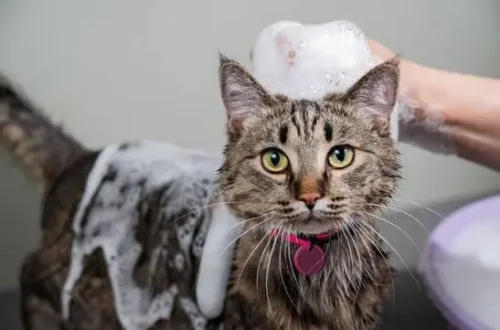
Most domestic longhair cats do not need frequent baths. Bathing every few months, or when the coat becomes especially dirty, is usually enough.
Always use a shampoo made specifically for cats.
Nail Trimming
Trim your cat’s nails every 2–4 weeks to prevent overgrowth and reduce damage to furniture.
Ear Cleaning
Check the ears regularly for wax buildup or signs of infection. Clean only when necessary using a veterinarian-approved ear cleaner.
Dental Care
Brushing your cat’s teeth several times each week helps reduce plaque and lowers the risk of dental disease.
Shedding
A domestic long hair cat naturally sheds throughout the year, with heavier shedding during seasonal coat changes.
Although shedding cannot be completely prevented, regular grooming makes a significant difference.
Why Cats Shed
Common causes include:
- Seasonal coat changes
- Normal hair growth
- Poor nutrition
- Stress
- Hormonal changes
- Health conditions
How to Reduce Shedding
You can reduce loose fur by:
- Brushing frequently
- Feeding a balanced diet
- Providing fresh water daily
- Keeping your cat active
- Scheduling regular veterinary checkups
With proper care, even a fluffy house cat can maintain a healthy coat with less loose hair around your home.
Common Health Problems
The domestic long hair cat is generally healthy because of its diverse genetic background. However, like all cats, it can develop certain health conditions.
Hairballs
Long fur increases the amount of hair swallowed during grooming, making hairballs one of the most common issues.
Regular brushing greatly reduces this problem.
Obesity
Indoor domestic longhair cats may gain excess weight if they receive too many treats or too little exercise.
Dental Disease
Without regular dental care, plaque and tartar can lead to gum disease and tooth loss.
Fleas and Parasites
A thick coat makes it easier for parasites to hide, so regular parasite prevention is important.
Skin Problems
Matted fur can trap moisture and dirt, increasing the risk of skin irritation.
Routine grooming helps prevent these issues.
Lifespan
A healthy domestic long hair cat typically lives between 12 and 18 years, although many live well into their late teens with excellent care.
Factors That Affect Lifespan
- Genetics
- High-quality nutrition
- Regular veterinary care
- Exercise
- Healthy body weight
- Indoor living
- Preventive healthcare
Providing proper care throughout life helps your long haired cat enjoy a longer, healthier future.
Diet and Nutrition
Proper nutrition is essential for maintaining a healthy domestic long hair cat.
Protein
Cats require animal-based protein to support muscles, skin, and coat health.
Wet vs. Dry Food
Many veterinarians recommend feeding a combination of wet and dry food to provide balanced nutrition and support hydration.
Portion Control
Avoid overfeeding by measuring meals according to your cat’s age, activity level, and body condition.
Fresh Water
Always provide clean drinking water. Good hydration supports digestion, kidney function, and healthy skin.
Healthy Coat Nutrients
Look for foods containing:
- Omega-3 fatty acids
- Omega-6 fatty acids
- Vitamin E
- Zinc
- High-quality animal protein
These nutrients help keep your fluffy house cat looking its best.
Daily Care Checklist
A domestic long hair cat thrives when it receives consistent daily care.
Every Day
- Provide fresh food and water.
- Spend time playing together.
- Check the coat for small tangles.
- Scoop the litter box.
Every Week
- Brush the coat several times.
- Inspect the ears.
- Check the eyes.
- Look for fleas or skin irritation.
Every Month
- Trim nails.
- Weigh your cat.
- Replace worn toys if needed.
Every Year
- Schedule a veterinary wellness examination.
- Update vaccinations as recommended.
- Discuss parasite prevention with your veterinarian.
Care Summary Table
| Care Task | Recommended Frequency |
|---|---|
| Brushing | 3–5 times weekly (daily during heavy shedding) |
| Bathing | Every few months or when needed |
| Nail Trimming | Every 2–4 weeks |
| Ear Check | Weekly |
| Teeth Brushing | Several times weekly |
| Veterinary Checkup | Once per year |
| Parasite Prevention | As recommended by your veterinarian |
Domestic Long Hair Cat vs Domestic Short Hair
Many people compare a domestic long hair cat with a Domestic Short Hair before choosing a pet. While both are mixed-breed cats, their coat length and grooming needs are quite different.
| Feature | Domestic Long Hair Cat | Domestic Short Hair |
|---|---|---|
| Coat Length | Medium to Long | Short |
| Grooming | Moderate to High | Low |
| Shedding | Moderate to Heavy | Moderate |
| Hairballs | More Common | Less Common |
| Coat Maintenance | Frequent Brushing | Occasional Brushing |
| Personality | Varies by Individual | Varies by Individual |
| Lifespan | 12–18 Years | 12–18 Years |
Neither type is better than the other. The right choice depends on how much time you can dedicate to grooming and coat care.
Domestic Long Hair Cat Price
One of the advantages of adopting a domestic long hair cat is that it is usually much more affordable than purchasing a purebred cat.
Adoption Fees
Most shelters charge between $50 and $250, depending on the cat’s age, vaccinations, and location.
Initial Supplies
Expect to purchase:
- Food and water bowls
- Litter box
- Cat litter
- Scratching post
- Cat bed
- Toys
- Carrier
- Grooming brush
Veterinary Costs
Routine expenses may include:
- Vaccinations
- Annual wellness exams
- Parasite prevention
- Spaying or neutering (if not already completed)
- Dental care
Grooming Costs
Many owners groom their domestic longhair at home, but professional grooming may occasionally be helpful for cats with severe matting.
Pros and Cons
Pros
- Beautiful fluffy coat
- Friendly and affectionate
- Intelligent and adaptable
- Wide variety of colors and patterns
- Excellent family companion
- Often available through shelters
- Usually healthier because of mixed genetics
Cons
- Requires regular brushing
- Sheds more than short-haired cats
- More likely to develop hairballs
- Coat can become matted without grooming
- Grooming takes extra time
Is a Domestic Long Hair Cat Right for You?
A domestic long hair cat can be an excellent choice if you enjoy spending time grooming your pet and want a loving companion.
This type of long haired cat is often a great match for:
- Families
- First-time cat owners
- Seniors
- Couples
- Multi-pet homes
- Indoor households
If you prefer a pet that requires very little grooming, a short-haired cat may be a better fit.
Before adopting any fluffy house cat, consider your schedule, budget, and willingness to maintain its beautiful coat.
Final Verdict
A domestic long hair cat is one of the most lovable and versatile companion cats you can own. Although it is not an official breed, its friendly personality, beautiful appearance, and wide variety of colors make it a favorite among cat lovers around the world.
With regular brushing, a nutritious diet, routine veterinary care, and plenty of affection, a domestic long hair cat can enjoy a long, healthy, and happy life. Whether you adopt a playful kitten or an adult domestic longhair, you’ll gain a loyal companion that brings warmth and personality into your home.
Frequently Asked Questions (FAQs)
1. Is a domestic long hair cat a breed?
No. A domestic long hair cat is a mixed-breed cat with a long coat rather than an officially recognized breed.
2. How big do domestic longhair cats get?
Most adults weigh between 8 and 15 pounds, although some can be larger depending on their genetics.
3. Are domestic longhair cats friendly?
Yes. Many are affectionate, intelligent, and adapt well to family life, though personalities vary from cat to cat.
4. Do domestic longhair cats shed a lot?
Yes. A domestic long hair cat usually sheds moderately to heavily, especially during seasonal coat changes.
5. How often should I brush my domestic long hair cat?
Brushing 3–5 times per week is recommended, with daily brushing during heavy shedding seasons.
6. What is the lifespan of a domestic long hair cat?
Most live between 12 and 18 years, and some live even longer with excellent care.
7. Are domestic longhair cats good with children?
Yes. Well-socialized cats are often gentle companions for respectful children.
8. Are domestic long hair cats hypoallergenic?
No. A domestic long hair cat is not considered hypoallergenic and still produces common cat allergens.
9. How much does a domestic long hair cat cost?
Shelter adoption fees usually range from $50 to $250, while ongoing food, veterinary, and grooming expenses should also be considered.
10. Are domestic longhair cats smart?
Yes. Most are curious, intelligent, and capable of learning routines and interactive games.
11. What colors can a domestic long hair cat have?
They come in nearly every color and pattern, including black, white, gray, orange, calico, tabby, tortoiseshell, and bicolor.
12. Do domestic longhair cats get along with other pets?
Many do, especially when introduced gradually and properly socialized.
13. Can domestic long hair cats live indoors?
Yes. They generally thrive as indoor pets where they are protected from traffic, predators, and disease.
14. How can I prevent mats in a long-haired cat?
Frequent brushing, regular coat checks, and removing small tangles early help prevent painful mats.
15. Is a domestic long hair cat a good first pet?
Yes. With regular grooming and proper care, a domestic long hair cat can be an excellent companion for first-time cat owners.