


Sokoke Cat
Introduction
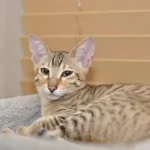
The Sokoke cat is one of the rarest natural cat breeds in the world. Known for its striking marbled coat, athletic body, and intelligent personality, this beautiful feline originated in the coastal forests of Kenya and has become admired by cat enthusiasts worldwide.
Unlike many modern breeds developed through selective breeding, the Sokoke breed evolved naturally over time. Its unique appearance and active temperament reflect its wild ancestry while maintaining the friendly nature expected from a domestic companion.
Whether you’re searching for information about the African cat breed, considering adopting a Sokoke kitten, or simply curious about this fascinating feline, this guide covers everything you need to know—from history and appearance to personality, care, health, and daily life.
Breed Overview
| Feature | Details |
|---|---|
| Origin | Kenya |
| Breed Type | Natural domestic breed |
| Weight | 6–10 pounds (2.7–4.5 kg) |
| Height | 8–10 inches |
| Lifespan | 12–15 years |
| Coat | Short, close-lying |
| Eye Color | Amber to green |
| Personality | Intelligent, active, affectionate |
| Good With Children | Yes |
| Good With Other Pets | Usually yes |
History and Origin
The Sokoke cat originated in the Arabuko Sokoke Forest along the coast of Kenya.
Unlike many pedigree breeds that were created through planned breeding programs, the Sokoke breed developed naturally in its native environment over many generations.
During the late twentieth century, local cats with unusual marbled coats attracted attention because of their distinctive appearance. Breeding programs later helped preserve these unique characteristics while introducing the breed to cat enthusiasts in Europe and other parts of the world.
Today, the Sokoke cat remains one of the rarest recognized natural breeds.
Why Is It Considered an African Cat Breed?
The Sokoke cat is often described as an African cat breed because its ancestral population originated in Kenya.
Its natural development in the Arabuko Sokoke Forest distinguishes it from many breeds that were created through controlled crossbreeding.
This rich heritage contributes to the breed’s athletic build, alert nature, and distinctive coat pattern.
Read More;While the Sokoke Cat is known for its natural spotted coat, the Bambino Cat is admired for its hairless body and short legs.
Breed Recognition
The Sokoke breed has gained recognition from several international cat organizations.
Breed standards focus on characteristics such as:
- Marbled coat pattern
- Long legs
- Elegant body
- Large ears
- Almond-shaped eyes
- Athletic movement
Responsible breeding programs work to preserve the breed’s health and natural characteristics.
Physical Appearance
The Sokoke cat has a graceful yet athletic body built for speed and agility.
Its lean muscles, long legs, and beautifully patterned coat create an appearance that resembles a small wild cat while maintaining the temperament of a domestic companion.
Body Shape
The body is medium-sized with well-developed muscles.
Typical features include:
- Long legs
- Lean body
- Narrow chest
- Flexible spine
- Athletic posture
Despite its elegant appearance, the breed is surprisingly strong and agile.
Head Shape
The head forms a modified wedge with soft contours.
Distinctive facial features include:
- High cheekbones
- Medium-length muzzle
- Strong chin
- Large ears
- Alert expression
These features contribute to the breed’s intelligent appearance.
Eyes
The Sokoke cat has expressive almond-shaped eyes.
Common eye colors include:
- Amber
- Golden
- Yellow-green
- Bright green
Eye color often becomes richer as the cat matures.
Size and Weight
The Sokoke cat is considered a medium-sized breed with a lean body rather than a heavy frame.
Average Measurements
| Measurement | Average |
|---|---|
| Weight | 6–10 pounds (2.7–4.5 kg) |
| Height | 8–10 inches |
| Body Length | 16–22 inches |
Males are usually slightly larger than females.
Coat
The short coat is one of the breed’s defining characteristics.
It lies close to the body and requires very little maintenance.
The coat texture is:
- Short
- Smooth
- Glossy
- Close-fitting
Unlike long-haired breeds, regular brushing is minimal.
Coat Pattern
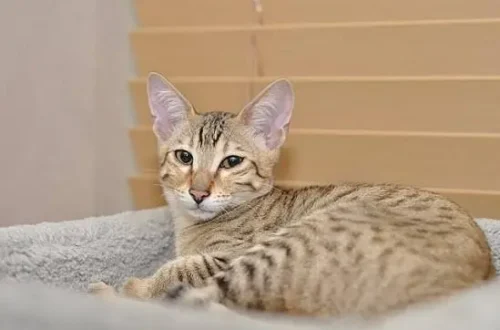
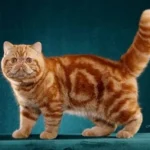
The Sokoke cat is famous for its unusual marbled coat pattern.
This distinctive pattern is often described as:
- Wood-grain
- Marble
- Blotched tabby
- Flowing lines
Every cat has its own unique markings, making no two individuals exactly alike.
Coat Colors
Most Sokoke cats display warm natural shades.
Common colors include:
- Brown
- Dark brown
- Black markings
- Warm tan
- Rich amber tones
The contrast between the markings and background color gives the breed its striking appearance.
Tail
The tail is medium to long and tapers gently toward the tip.
It helps the Sokoke cat maintain balance while climbing and jumping.
Sokoke Cat Personality
The Sokoke cat personality combines intelligence, curiosity, and affection.
These cats enjoy spending time with their families while remaining highly active and observant.
They often develop close bonds with their owners and appreciate regular interaction throughout the day.
Affectionate Nature
The Sokoke cat enjoys human companionship but is generally less demanding than some highly dependent breeds.
Many enjoy:
- Following family members
- Sitting nearby
- Interactive play
- Quiet companionship
- Gentle affection
They often balance independence with loyalty.
Intelligence
The Sokoke breed is considered highly intelligent.
Many quickly learn:
- Household routines
- Puzzle feeders
- Interactive games
- Their names
- Simple tricks
Mental challenges are just as important as physical exercise for this breed.
Vocalization
The Sokoke cat is usually quiet compared to many Oriental breeds.
Communication often includes:
- Soft meows
- Gentle chirps
- Quiet purring
- Expressive body language
Most individuals communicate when necessary without being excessively vocal.
Energy Level
The Sokoke cat is naturally energetic and athletic.
Favorite activities include:
- Climbing cat trees
- Chasing toys
- Jumping onto shelves
- Exploring rooms
- Interactive games
- Puzzle toys
Daily play helps satisfy both their physical and mental needs.
Natural Hunting Instinct
As a naturally developed African cat breed, the Sokoke cat often retains strong hunting instincts.
Many enjoy:
- Chasing moving toys
- Tracking objects
- Climbing to high places
- Exploring new environments
Providing interactive toys helps channel these instincts into safe indoor activities.
Do They Like Attention?
Yes.
The Sokoke cat personality is social and affectionate, but these cats also appreciate periods of independent exploration.
They usually enjoy spending time with their families while remaining confident enough to entertain themselves for short periods.
This balance makes them appealing to owners who want both companionship and an independent pet.
Family Compatibility
The Sokoke cat is a social and loyal companion that enjoys being part of family life. While these cats appreciate attention from their owners, they also value their independence and are comfortable spending short periods exploring on their own.
The Sokoke breed forms strong bonds with its family and enjoys interactive activities that allow it to stay mentally and physically engaged.
Are Sokoke Cats Good Family Pets?
Yes. The Sokoke cat is generally an excellent family pet for active households.
Many owners describe the breed as:
- Friendly
- Intelligent
- Curious
- Loyal
- Playful
- Alert
Their balanced personality allows them to adapt well to different family environments.
Do They Get Along With Children?
The Sokoke cat usually gets along well with respectful children who understand how to interact with animals.
These energetic cats often enjoy games that involve movement and problem-solving.
Children should always learn to:
- Handle the cat gently.
- Avoid rough play.
- Respect resting spaces.
- Allow the cat time alone when needed.
Supervised interactions help create positive relationships.
Living With Other Cats
The Sokoke breed generally coexists peacefully with other cats when introduced properly.
Early socialization and gradual introductions help reduce stress and encourage friendship.
Helpful introduction tips include:
- Exchange bedding or scents first.
- Allow separate safe spaces.
- Supervise early meetings.
- Reward calm behavior.
Patience often leads to successful long-term companionship.
Are They Good With Dogs?
Yes.
A Sokoke cat can live comfortably with calm, cat-friendly dogs.
Because the breed is naturally confident and athletic, many individuals adjust well once they feel secure.
Positive introductions are the key to building trust between pets.
Apartment Living
Although the Sokoke cat can adapt to apartment living, it requires enough space for climbing and exercise.
Owners should provide:
- Tall cat trees
- Window perches
- Interactive toys
- Puzzle feeders
- Scratching posts
- Climbing shelves
An enriched indoor environment helps satisfy the breed’s active nature.
Exercise Needs
The Sokoke cat is one of the more energetic natural cat breeds.
Daily exercise helps maintain:
- Healthy muscles
- Proper weight
- Joint flexibility
- Mental stimulation
- Positive behavior
Most adults benefit from 30–60 minutes of active play each day.
Favorite Activities
The Sokoke cat personality combines curiosity with athletic ability.
Favorite activities include:
- Feather wand toys
- Climbing furniture
- Chasing balls
- Puzzle toys
- Hide-and-seek
- Interactive training
Rotating toys regularly helps prevent boredom.
Grooming
The Sokoke cat has a short coat that requires very little grooming.
Most owners find that brushing once a week is enough to remove loose hair and maintain a healthy shine.
Routine grooming also provides an opportunity to check for skin problems or parasites.
Coat Maintenance
The short coat naturally stays clean with minimal effort.
Weekly brushing helps:
- Remove loose hair
- Distribute natural oils
- Reduce shedding
- Maintain coat condition
The Sokoke breed is considered relatively low maintenance compared to many long-haired breeds.
Bathing
Most Sokoke cats rarely require baths.
Bathing is generally recommended only when:
- The coat becomes unusually dirty.
- A veterinarian advises it.
- The cat has difficulty grooming itself.
Always use a shampoo specifically formulated for cats.
Ear Care
The ears should be checked regularly for:
- Wax buildup
- Dirt
- Redness
- Unpleasant odor
Clean gently with veterinarian-approved products whenever necessary.
Nail Care
Routine nail trimming helps prevent:
- Overgrown claws
- Scratches
- Furniture damage
Most cats need nail trimming every 2–4 weeks.
Providing scratching posts also supports healthy nail maintenance.
Dental Care
Healthy teeth contribute to overall well-being.
Helpful dental habits include:
- Brushing teeth several times each week
- Dental treats
- Routine veterinary examinations
- Professional cleanings when recommended
Preventive care helps reduce the risk of gum disease.
Diet and Nutrition
A balanced diet plays an important role in maintaining the health of the Sokoke cat.
Choose food according to:
- Age
- Weight
- Activity level
- Veterinary recommendations
Fresh drinking water should always be available.
Essential Nutrients
A complete feline diet should provide:
- Animal protein
- Healthy fats
- Taurine
- Vitamins
- Minerals
- Omega fatty acids
High-quality protein supports muscle development and overall health.
Foods to Avoid
Never feed the following foods:
- Chocolate
- Onions
- Garlic
- Grapes
- Raisins
- Alcohol
- Caffeine
- Xylitol
If accidental ingestion occurs, contact your veterinarian immediately.
Common Health Problems
The Sokoke cat is generally considered a healthy natural breed.
However, regular veterinary care remains important for identifying potential health concerns early.
Possible issues include:
- Dental disease
- Obesity if inactive
- Parasites
- Minor skin conditions
- Age-related illnesses
Routine health monitoring supports a longer, healthier life.
Keeping Your Cat Healthy
Owners can support the health of the Sokoke breed by providing:
- Annual veterinary checkups
- Vaccinations
- Balanced nutrition
- Daily exercise
- Mental stimulation
- Preventive healthcare
Consistent care is the foundation of long-term wellness.
Lifespan
The average Sokoke cat lives between:
12–15 years
Many individuals enjoy even longer lives when provided with excellent nutrition, regular veterinary care, and a safe indoor environment.
Caring for a Sokoke Kitten
A Sokoke kitten is energetic, curious, and eager to explore.
During the first year, kittens require:
- High-quality kitten food
- Routine veterinary visits
- Vaccinations
- Early socialization
- Safe indoor play
- Gentle handling
A positive start helps build confidence and healthy development.
Early Training
The Sokoke cat learns quickly through positive reinforcement.
Helpful early lessons include:
- Litter box training
- Carrier training
- Nail trimming
- Responding to their name
- Accepting gentle handling
Beginning these routines during kittenhood makes lifelong care easier.
Mental Stimulation
The Sokoke cat personality thrives on mental challenges.
Excellent enrichment activities include:
- Puzzle feeders
- Clicker training
- Food-dispensing toys
- Climbing shelves
- Interactive games
Keeping these intelligent cats mentally engaged helps prevent boredom and encourages positive behavior.
Adoption vs. Buying From a Breeder
If you’re interested in bringing a Sokoke cat into your home, you can either adopt one or purchase a kitten from a reputable breeder. Because this is one of the world’s rarest cat breeds, finding one may require patience and careful research.
Before making your decision, verify that the cat has received proper veterinary care and comes from a responsible source.
Adoption
Although uncommon, some rescue organizations and breed-specific rescues occasionally have a Sokoke cat available for adoption.
Typical adoption fees range from:
$100–$400
Many adopted cats already receive:
- Initial vaccinations
- Spay or neuter surgery
- Microchipping
- Basic veterinary examination
Adoption provides a loving home for a cat in need while reducing the initial cost of ownership.
Buying From a Breeder
Many people searching for a Sokoke kitten choose to work with an experienced breeder who focuses on healthy bloodlines and ethical breeding practices.
A reputable breeder should provide:
- Health records
- Vaccination history
- Registration documents (when applicable)
- Information about the kitten’s parents
- Ongoing support for new owners
Avoid breeders who cannot answer questions about health testing or the breed’s background.
How Much Does a Sokoke Cat Cost?
The price of a Sokoke cat depends on availability, breeder reputation, bloodline, and location.
Average Price
| Type | Average Cost |
|---|---|
| Pet-quality kitten | $1,000–$2,000 |
| Show-quality kitten | $2,000–$3,500+ |
| Adoption | $100–$400 |
In addition to the purchase price, owners should budget for:
- Food
- Veterinary care
- Toys
- Scratching posts
- Pet insurance
- Routine grooming supplies
Planning for long-term expenses helps ensure responsible ownership.
Interesting Sokoke Cat Facts
There are many fascinating Sokoke cat facts that make this breed stand out from other domestic cats.
Some interesting facts include:
- The breed originated in Kenya.
- It is considered a natural African cat breed.
- Every cat has a unique marbled coat pattern.
- The coat is often compared to the grain of wood.
- The Sokoke breed is one of the rarest recognized cat breeds.
- These cats are excellent climbers and jumpers.
- They remain active well into adulthood.
- Their athletic body reflects their natural origins.
- They are highly intelligent and curious.
- They form close bonds with their families.
Is the Sokoke Cat Right for You?
The Sokoke cat is an excellent choice for owners who want an intelligent, energetic, and affectionate companion.
This breed may be a great fit if you’re looking for a cat that is:
- Active
- Curious
- Friendly
- Athletic
- Intelligent
- Loyal
However, because of its high activity level, the breed does best in homes where it receives regular playtime and mental stimulation.
Preparing Your Home
Before bringing home a Sokoke kitten, prepare a safe and enriching environment.
A simple checklist includes:
✔ Food and water bowls
✔ High-quality cat food
✔ Litter box
✔ Cat tree
✔ Scratching posts
✔ Interactive toys
✔ Puzzle feeders
✔ Comfortable bed
✔ Pet carrier
✔ First veterinary appointment
Preparing your home before arrival helps your new companion settle in more comfortably.
Pros and Cons
Like every breed, the Sokoke breed has both strengths and responsibilities.
Pros
- Highly intelligent
- Friendly personality
- Beautiful marbled coat
- Low grooming needs
- Athletic and playful
- Loyal companion
- Usually good with families
- Adapts well to indoor life
- Naturally healthy
- Rare and distinctive appearance
Cons
- Rare and sometimes difficult to find
- May be expensive
- Requires daily mental stimulation
- Needs regular exercise
- Can become bored without enrichment
- Prefers active households
- May not enjoy long periods of isolation
- Limited breeder availability
- Requires gradual introductions to new pets
- Benefits from interactive play every day
Final Verdict
The Sokoke cat is one of the most unique natural breeds in the feline world. Its striking marbled coat, athletic body, and intelligent personality make it an excellent choice for owners seeking an active and affectionate companion.
As a naturally developed African cat breed, it combines beauty with impressive agility and curiosity. Although the breed requires regular exercise and mental enrichment, its grooming needs are minimal and its affectionate nature makes it a rewarding family pet.
With proper nutrition, routine veterinary care, and an engaging home environment, a Sokoke cat can enjoy a long, healthy, and happy life.
Frequently Asked Questions (FAQs)
1. What is a Sokoke cat?
The Sokoke cat is a rare natural breed that originated in Kenya and is known for its marbled coat and athletic build.
2. Is the Sokoke an African cat breed?
Yes. The Sokoke cat is widely recognized as a natural African cat breed because it originated in Kenya’s Arabuko Sokoke Forest.
3. What is the Sokoke cat personality like?
The Sokoke cat personality is intelligent, curious, playful, loyal, and affectionate.
4. How big does a Sokoke cat get?
Most adults weigh between 6 and 10 pounds (2.7–4.5 kg).
5. Are Sokoke cats rare?
Yes. The Sokoke breed is considered one of the rarest recognized domestic cat breeds.
6. Do Sokoke cats shed?
Yes, but only lightly. Their short coat is easy to maintain with weekly brushing.
7. Are Sokoke cats good with children?
Yes. They usually do well with respectful children who understand how to interact with pets.
8. Can Sokoke cats live with dogs?
Yes. Many adapt well to calm, cat-friendly dogs after careful introductions.
9. Are Sokoke cats easy to groom?
Yes. Their short coat requires very little maintenance compared to long-haired breeds.
10. How long does a Sokoke cat live?
The average lifespan is 12–15 years, with many living longer when provided with excellent care.
11. How much does a Sokoke kitten cost?
A Sokoke kitten from a reputable breeder typically costs between $1,000 and $2,000, although exceptional bloodlines may cost more.
12. Are Sokoke cats active?
Yes. They are highly energetic and benefit from daily play, climbing opportunities, and interactive toys.
13. Are Sokoke cats suitable for apartments?
Yes, provided they have enough climbing space, enrichment, and regular exercise.
14. What makes the Sokoke breed unique?
The Sokoke breed is famous for its naturally developed marbled coat pattern, athletic body, and Kenyan origin.
15. Is the Sokoke cat suitable for first-time owners?
Yes. First-time owners who can provide regular playtime, mental stimulation, and routine veterinary care often find the Sokoke cat to be an intelligent and rewarding companion.