
Orange Cat Breeds
Introduction
Orange cat breeds have captured the hearts of cat lovers around the world with their warm, vibrant coats and charming personalities. Whether you call them an orange cat, ginger cat, red cat, or orange tabby, these felines are known for their striking appearance and playful nature.
One common misconception is that “orange” refers to a specific breed. In reality, orange is a coat color, not a breed. Many different cat breeds can have orange fur, from the giant Maine Coon cat to the fluffy Persian and the playful American Shorthair. This means that two orange cats may look completely different while sharing the same beautiful coat color.
Another reason orange cats are so popular is their reputation for being affectionate, social, and entertaining. While every cat has its own personality, many owners describe their ginger companions as friendly, curious, and full of confidence. This has helped create the popular image of the friendly orange cat seen in movies, cartoons, and social media.
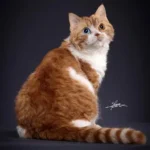
Orange cats also come in several beautiful color combinations. Some have solid orange coats, while others display classic tabby stripes, swirls, or spots. Many owners especially love the elegant orange and white cat, whose bright coat contrasts beautifully with white paws, chest, or face markings.
In this complete guide, you’ll learn everything about orange cat breeds, including the genetics behind their coat color, common personality traits, the most popular breeds that come in orange, care requirements, and how to choose the perfect ginger cat for your family.
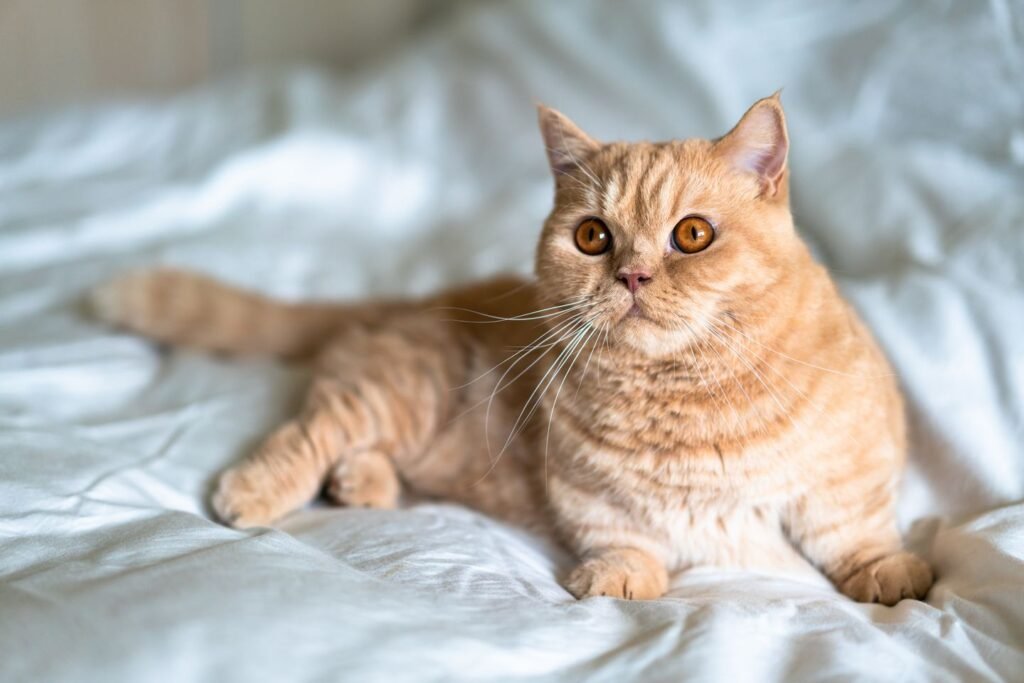
What Is an Orange Cat?
An orange cat is a cat with orange, red, or ginger-colored fur. Despite the name, an orange cat is not a separate breed. Instead, orange is simply one of many coat colors that can appear in different breeds.
This means you can find orange cats among both purebred and mixed-breed cats.
For example, these breeds commonly appear in orange:
- Maine Coon
- Persian
- British Shorthair
- American Shorthair
- Exotic Shorthair
- Scottish Fold
- Siberian
- Norwegian Forest Cat
- Turkish Angora
- Domestic Shorthair
Each breed has its own unique personality, body type, and grooming needs, but they all may display the beautiful orange coat color.
Why Are They Called Ginger Cats?
Many people use the terms orange cat and ginger cat interchangeably.
The word “ginger” comes from the warm reddish-orange color of ginger root and has become a popular nickname for orange-coated cats, especially in the United Kingdom and other English-speaking countries.
Other common names include:
- Red cat
- Marmalade cat
- Orange tabby
- Ginger tabby
Although the names differ, they all describe cats with similar orange-colored coats.
Orange Cat Genetics
The beautiful orange coat is produced by a unique gene known as the Orange (O) gene.
This gene affects the production of pigment in the fur, replacing black pigment with orange pigment.
Because the Orange gene is located on the X chromosome, the genetics of orange cats are especially interesting.
Why Are Most Orange Cats Male?
One of the most surprising facts about orange cats is that most of them are male.
This happens because:
- Male cats have one X chromosome and one Y chromosome (XY).
- Females have two X chromosomes (XX).
A male kitten only needs one Orange gene on its single X chromosome to become orange.
A female kitten must inherit two Orange genes, one from each parent, to have a completely orange coat.
As a result:
- Around 75–80% of orange cats are male.
- Only 20–25% are female.
This is why female orange cats are much less common than males.
Are All Orange Cats Tabbies?
Yes.
Every orange cat carries some type of tabby pattern, even if the markings appear very faint.
This is because the Orange gene works together with the tabby gene.
Common tabby patterns include:
- Classic tabby
- Mackerel tabby
- Spotted tabby
- Ticked tabby
Some orange cats appear almost solid in color, but if you look closely, you’ll usually notice subtle tabby markings on the face, legs, or tail.
Orange Cat Personality
Many people believe that orange cats have unique personalities.
Although coat color alone does not determine behavior, countless owners describe their ginger cats as friendly, affectionate, and outgoing.
Scientific studies suggest that personality is influenced far more by genetics, early socialization, and environment than by coat color. However, the popularity of orange cats has created many fun stereotypes.
Common personality traits often associated with a friendly orange cat include:
- Affectionate
- Curious
- Playful
- Intelligent
- Confident
- Social
- Gentle
- Food motivated
- Easygoing
Many orange cats enjoy following their owners around the house, greeting visitors, and participating in family activities.
Are Orange Cats Really Friendlier?
There is no scientific evidence proving that all orange cats are friendlier than other cats.
However, many orange-coated breeds—such as the Maine Coon and American Shorthair—are naturally known for their gentle personalities.
This may explain why so many people associate orange cats with friendly behavior.
Ultimately, a cat’s personality depends on factors such as:
- Breed
- Genetics
- Early socialization
- Training
- Daily care
- Individual temperament
Every cat is unique, regardless of coat color.
Orange Cat Colors and Patterns
Orange cats appear in several beautiful shades and coat patterns.
These variations make every ginger cat unique.
Solid Orange
Solid orange cats have rich, even-colored coats with only faint tabby markings.
Although they appear completely orange, close inspection usually reveals subtle stripes.
Orange Tabby
The orange tabby is the most recognizable orange cat.
Its coat displays bold stripes, swirls, or spots that create a beautiful pattern.
Orange and White Cat
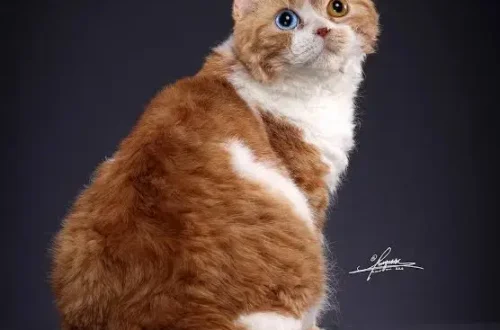
The orange and white cat is one of the most popular color combinations.
These cats may have:
- White chest
- White paws
- White face
- White belly
- White tail tip
The combination creates a bright and eye-catching appearance.
Many breeds, including the Maine Coon, Turkish Van, Japanese Bobtail, and Domestic Shorthair, commonly display orange and white coats.
Cream Orange
Cream-colored cats have a lighter, softer version of the traditional orange coat.
Their pale coloring gives them an elegant appearance.
Dark Ginger
Some orange cats have deep reddish-orange coats that resemble the color of autumn leaves.
These cats are often referred to as dark ginger cats.
Red Tabby
Red tabbies display intense orange coloring with bold tabby stripes.
Although often called “red,” the color is genetically considered orange.
20 Most Popular Orange Cat Breeds
Many different breeds can have beautiful orange coats.
Some are large and fluffy, while others are compact, athletic, or short-haired.
Below are some of the most popular orange cat breeds found around the world.
1. Maine Coon
The Maine Coon is one of the largest domestic cat breeds and one of the most impressive orange cats.
Its thick, shaggy coat looks stunning in orange tabby patterns, especially when paired with its large bushy tail and tufted ears.
Characteristics
- Very large size
- Friendly personality
- Highly intelligent
- Great with children
- Dog-like behavior
- Moderate grooming needs
Orange Maine Coons are among the most recognizable ginger cats thanks to their majestic appearance.
2. Persian
The Persian is famous for its luxurious long coat and sweet expression.
Orange Persians often have bright copper eyes that beautifully complement their warm-colored fur.
Characteristics
- Calm personality
- Long silky coat
- Flat or Doll Face varieties
- Indoor companion
- High grooming requirements
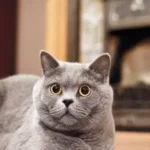
3. British Shorthair
The British Shorthair is a sturdy, medium-to-large breed with a plush coat.
Although blue is the breed’s best-known color, beautiful orange and cream varieties are also available.
Characteristics
- Dense plush coat
- Quiet personality
- Loyal companion
- Moderate shedding
- Excellent apartment cat
4. American Shorthair
The American Shorthair commonly appears in classic orange tabby patterns.
Its friendly personality and low-maintenance coat make it one of the most popular family cats.
Characteristics
- Medium size
- Friendly
- Playful
- Easy to groom
- Excellent with children
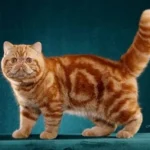
5. Exotic Shorthair
Often called the “short-haired Persian,” the Exotic Shorthair combines a round face with a dense plush coat.
Orange Exotics are especially popular because of their teddy bear-like appearance.
Characteristics
- Calm temperament
- Plush short coat
- Low grooming compared to Persians
- Affectionate personality
- Great indoor companion
6. Scottish Fold
The Scottish Fold is easily recognized by its folded ears.
Orange Scottish Folds have a unique appearance that combines warm coloring with their distinctive facial features.
Characteristics
- Folded ears
- Gentle personality
- Quiet temperament
- Family friendly
- Moderate grooming
7. Siberian
The Siberian is a large, fluffy forest cat with a thick triple coat.
Although brown tabbies are more common, orange Siberians are equally stunning.
Characteristics
- Triple coat
- Strong body
- Friendly personality
- Excellent climber
- Adapted to cold weather
8. Norwegian Forest Cat
The Norwegian Forest Cat has a waterproof double coat and an impressive bushy tail.
Orange individuals display beautiful tabby markings that highlight their rugged appearance.
Characteristics
- Large size
- Thick winter coat
- Athletic build
- Intelligent
- Independent but affectionate
9. Turkish Angora
The Turkish Angora is known for its elegant body and silky coat.
Although white is the most famous color, orange Turkish Angoras are equally beautiful.
Characteristics
- Fine silky coat
- Graceful appearance
- Highly intelligent
- Active
- Curious personality
10. Devon Rex
The Devon Rex has a soft, curly coat and oversized ears that give it a unique appearance.
Orange Devon Rex cats combine their playful personality with striking ginger curls.
Characteristics
- Curly coat
- Large ears
- Extremely playful
- Highly social
- Low shedding
11. Cornish Rex
The Cornish Rex is instantly recognizable for its soft, curly coat and slender, athletic body. Although it is available in many colors, orange and ginger Cornish Rex cats are especially eye-catching.
This breed is highly energetic and loves climbing, jumping, and interactive play. Their outgoing personality makes them excellent companions for active families.
Characteristics
- Curly, velvety coat
- Very active and playful
- Highly intelligent
- Affectionate with family
- Low shedding
12. Munchkin
The Munchkin is famous for its short legs, which are the result of a natural genetic mutation. Despite their small stature, Munchkins are energetic, playful, and surprisingly fast.
Orange Munchkins often have adorable tabby markings that make them even more charming.
Characteristics
- Short legs
- Medium-sized body
- Curious personality
- Playful and social
- Adaptable to indoor living
13. Bengal
The Bengal is known for its wild appearance and athletic body. While many Bengals have golden or brown coats, some display rich orange tones with dramatic spots or marbled patterns.
They are among the most energetic cat breeds and require plenty of physical and mental stimulation.
Characteristics
- Athletic body
- Leopard-like markings
- Highly intelligent
- Extremely active
- Loves climbing
14. Manx
The Manx is best known for its naturally short or absent tail. This breed has a sturdy body, playful personality, and excellent hunting instincts.
Orange Manx cats often display classic tabby markings that enhance their distinctive appearance.
Characteristics
- Short or no tail
- Muscular body
- Friendly personality
- Intelligent
- Good family companion
15. Japanese Bobtail
The Japanese Bobtail has a naturally short, pom-pom-like tail and a lively, affectionate personality.
Although many are white with orange patches, solid orange and orange tabby Japanese Bobtails are also seen.
Characteristics
- Short bobbed tail
- Active and playful
- Intelligent
- Friendly with people
- Good with children
16. Cymric
The Cymric is essentially the long-haired version of the Manx. Its thick coat and rounded body give it a soft, fluffy appearance.
Orange Cymrics make beautiful family pets thanks to their calm and affectionate nature.
Characteristics
- Long-haired coat
- Tail-less or short tail
- Loyal personality
- Quiet temperament
- Moderate grooming needs
17. Highlander
The Highlander is a relatively modern breed recognized for its curled ears, muscular build, and playful personality.
Orange Highlanders often have spotted or marbled tabby patterns that emphasize their wild appearance.
Characteristics
- Curled ears
- Large body
- Friendly personality
- Highly active
- Intelligent and curious
18. Selkirk Rex
The Selkirk Rex is famous for its thick, curly coat that gives it a teddy bear-like appearance.
Orange Selkirk Rex cats are especially attractive because their curly fur adds texture and depth to the warm ginger color.
Characteristics
- Thick curly coat
- Calm personality
- Affectionate
- Good family pet
- Moderate grooming
19. American Bobtail
The American Bobtail is a muscular breed with a naturally shortened tail and a friendly, dog-like personality.
Orange tabby American Bobtails are among the breed’s most recognizable color varieties.
Characteristics
- Short tail
- Strong body
- Intelligent
- Loyal companion
- Adaptable to travel
20. Domestic Shorthair
The Domestic Shorthair is not a specific breed but a mixed-breed cat with diverse ancestry.
Many of the orange cats seen in homes and shelters around the world are Domestic Shorthairs.
They come in countless personalities, sizes, and coat patterns, making every cat unique.
Characteristics
- Mixed ancestry
- Low-maintenance coat
- Friendly personality
- Excellent family pet
- Common in shelters
Orange and White Cat
An orange and white cat is one of the most attractive and recognizable color combinations found in domestic cats.
Instead of having a completely orange coat, these cats display areas of white mixed with orange fur. The amount of white varies greatly from one cat to another.
Some orange and white cats have:
- White chest
- White paws
- White belly
- White facial markings
- White-tipped tail
- Large white patches across the body
Every orange and white cat has a unique pattern, making no two cats look exactly alike.
Breeds That Commonly Have Orange and White Coats
Several breeds frequently display orange and white coloring, including:
- Maine Coon
- Turkish Van
- Japanese Bobtail
- American Shorthair
- British Shorthair
- Domestic Shorthair
- Norwegian Forest Cat
- Persian
These cats may have either long or short coats depending on the breed.
Personality of Orange and White Cats
Many owners describe orange and white cats as:
- Friendly
- Curious
- Playful
- Gentle
- Social
- Affectionate
However, personality depends primarily on breed, genetics, and early socialization rather than coat color.
Friendly Orange Cat: Myth or Reality?
The phrase “friendly orange cat” has become extremely popular because many ginger cats have developed a reputation for being affectionate and entertaining.
Movies, television shows, and social media have helped reinforce this stereotype.
While many orange cats truly are outgoing companions, there is no scientific evidence proving that coat color alone determines personality.
Instead, friendliness is influenced by factors such as:
- Breed
- Genetics
- Socialization
- Environment
- Daily interaction with people
For example:
- A Maine Coon is naturally social.
- A Persian is calm and gentle.
- A Bengal is energetic and adventurous.
An orange coat does not change these breed characteristics.
Caring for Orange Cats
Whether your cat is a Maine Coon, Persian, Domestic Shorthair, or another breed, proper care is essential for a long and healthy life.
Grooming
Grooming requirements depend on coat length.
Long-haired orange cats
Examples:
- Maine Coon
- Persian
- Siberian
- Norwegian Forest Cat
These breeds should be brushed several times each week to prevent mats and reduce shedding.
Short-haired orange cats
Examples:
- American Shorthair
- British Shorthair
- Domestic Shorthair
Weekly brushing is usually sufficient.
Diet
Feed a balanced, high-quality diet rich in:
- Animal protein
- Healthy fats
- Vitamins
- Minerals
- Fresh water
A nutritious diet helps maintain healthy skin and a shiny orange coat.
Exercise
Daily play keeps orange cats physically and mentally healthy.
Great activities include:
- Feather wand toys
- Puzzle feeders
- Cat trees
- Scratching posts
- Interactive balls
- Climbing shelves
Aim for 20–30 minutes of active play every day.
Health
The orange coat itself does not cause any health problems.
Instead, health depends on the breed and the individual cat.
Examples include:
- Maine Coons may be prone to Hypertrophic Cardiomyopathy (HCM).
- Persians can develop breathing and eye problems.
- Scottish Folds may experience joint issues.
- Bengals require plenty of exercise to stay healthy.
Regular veterinary checkups, vaccinations, parasite prevention, and a balanced diet are important for every orange cat, regardless of breed.
Do Orange Cats Need Special Care?
No.
An orange cat does not require any special care simply because of its coat color.
The care routine should be based on the breed’s needs, including:
- Coat type
- Activity level
- Size
- Age
- Overall health
With proper nutrition, grooming, exercise, and regular veterinary visits, orange cats can live long, healthy, and happy lives.
Choosing the Right Orange Cat Breed
Choosing the perfect orange cat is about more than simply falling in love with its beautiful coat. Since orange is a color rather than a breed, each orange cat can have a very different personality, size, grooming requirement, and activity level.
Before bringing an orange cat home, consider your lifestyle, available space, experience with pets, and the amount of time you can dedicate to grooming and play.
Best Orange Cat Breeds for Families
Families with children often benefit from friendly, patient, and adaptable breeds.
Excellent choices include:
- Maine Coon
- American Shorthair
- British Shorthair
- Siberian
- Domestic Shorthair
These breeds are generally affectionate, playful, and tolerant of respectful children.
Best Orange Cat Breeds for Apartments
Apartment living doesn’t mean you can’t own an orange cat. Many breeds are perfectly happy indoors when given enough enrichment.
Great apartment-friendly choices include:
- Persian
- British Shorthair
- Exotic Shorthair
- Scottish Fold
- Domestic Shorthair
Provide climbing trees, scratching posts, window perches, and interactive toys to keep indoor cats mentally stimulated.
Best Orange Cats for First-Time Owners
If you’re new to cat ownership, look for breeds that are easygoing and relatively simple to care for.
Good beginner-friendly breeds include:
- American Shorthair
- British Shorthair
- Domestic Shorthair
- Maine Coon
- Exotic Shorthair
These cats are generally adaptable and form strong bonds with their families.
Best Orange Cats for Seniors
Older adults often prefer calm, affectionate companions with moderate energy levels.
Suitable breeds include:
- Persian
- British Shorthair
- Exotic Shorthair
- Ragdoll (if orange is available through mixed ancestry)
- Domestic Shorthair
These cats enjoy companionship while remaining relatively relaxed indoors.
Adoption vs Buying
When you’re ready to welcome an orange cat into your home, you have two excellent options: adoption or purchasing from a responsible breeder.
Adopting an Orange Cat
Thousands of orange cats and kittens are waiting in shelters and rescue organizations for loving homes.
Benefits of adoption include:
- Lower adoption fees
- Giving a homeless cat a second chance
- Vaccinations are often included
- Many cats are already spayed or neutered
- Adult personality is easier to understand
Many orange Domestic Shorthairs, orange and white cats, and even purebred orange cats can be found through rescue organizations.
Buying from a Breeder
If you want a specific breed, purchasing from a reputable breeder may be the best option.
A responsible breeder should:
- Perform health testing
- Provide vaccination records
- Raise kittens in a clean environment
- Socialize kittens from an early age
- Answer questions honestly
- Offer ongoing support
Avoid purchasing kittens from pet mills or sellers who cannot provide health documentation.
Pros and Cons of Orange Cats
Although orange cats are loved for their beautiful appearance and charming personalities, every pet comes with responsibilities.
Pros
- Beautiful, eye-catching coat color
- Available in many different breeds
- Often affectionate and social
- Excellent companions for families
- Available in both long-haired and short-haired varieties
- Many adapt well to indoor living
- Great variety of coat patterns
- Commonly found in shelters and rescues
- Suitable for first-time owners (depending on breed)
- Strong bond with their families
Cons
- Grooming needs vary by breed
- Some long-haired breeds shed heavily
- Personality depends on breed, not coat color
- Certain breeds have inherited health concerns
- Active breeds require daily exercise
- Large breeds require more space
- Premium purebred kittens can be expensive
- Coat color alone should never determine your choice
- Veterinary care is still essential regardless of color
- Long-haired orange cats require regular brushing
Final Verdict
Orange cat breeds are admired around the world for their stunning coats, playful personalities, and incredible variety. From the majestic Maine Coon and elegant Persian to the lovable Domestic Shorthair, orange cats come in many shapes, sizes, and temperaments.
One of the most important things to remember is that orange is a coat color—not a breed. This means the personality, grooming needs, health, and activity level of an orange cat depend primarily on its breed and individual genetics rather than its fur color.
Whether you’re looking for a fluffy ginger cat, a striking orange and white cat, or a friendly orange cat to join your family, there are many wonderful options to choose from. By selecting a breed that matches your lifestyle and providing proper nutrition, grooming, regular veterinary care, and plenty of love, your orange companion can enjoy a long, healthy, and happy life.
No matter which breed you choose, orange cats continue to be some of the most recognizable, affectionate, and unforgettable feline companions in the world.
Frequently Asked Questions (FAQs)
1. What is an orange cat?
An orange cat is a cat with orange or ginger-colored fur. Orange is a coat color, not a breed, and can appear in many different cat breeds.
2. Is orange a cat breed?
No. Orange is simply a coat color. Breeds such as the Maine Coon, Persian, British Shorthair, and Domestic Shorthair can all have orange coats.
3. Why are most orange cats male?
The orange coat color is controlled by a gene on the X chromosome. Because of this genetic pattern, approximately 75–80% of orange cats are male.
4. What is a ginger cat?
A ginger cat is another name for an orange cat. The terms orange cat, ginger cat, red cat, and orange tabby are often used interchangeably.
5. Are orange cats friendly?
Many owners consider orange cats friendly and affectionate. However, personality is influenced more by breed, genetics, and socialization than by coat color alone.
6. What is an orange and white cat?
An orange and white cat has both orange and white fur. The amount of white varies, ranging from white paws to large white patches across the body.
7. Are orange cats rare?
No. Orange cats are common, especially among Domestic Shorthairs. However, female orange cats are less common than males.
8. Do orange cats have different personalities?
Not necessarily. While many orange cats are described as social and playful, behavior depends on the individual cat and its breed.
9. Which orange cat breed is the friendliest?
Several breeds are known for their friendly personalities, including the Maine Coon, American Shorthair, Siberian, and British Shorthair.
10. Which large cat breeds come in orange?
Large breeds that commonly appear in orange include:
- Maine Coon
- Siberian
- Norwegian Forest Cat
11. Which fluffy cat breeds can be orange?
Popular fluffy orange cat breeds include:
- Persian
- Maine Coon
- Siberian
- Norwegian Forest Cat
- Turkish Angora
12. Are orange cats good family pets?
Yes. Many orange cats make excellent family companions, especially when they belong to breeds known for their gentle and affectionate nature.
13. How long do orange cats live?
Lifespan depends on the breed and overall health. Most orange cats live between 12 and 18 years with proper care.
14. Can any cat breed be orange?
No. While many breeds can have orange coats, not every breed carries the genes necessary to produce orange coloring.
15. Which orange cat breed is best for beginners?
For first-time owners, the American Shorthair, British Shorthair, Domestic Shorthair, and Maine Coon are among the best orange cat breeds due to their friendly personalities and adaptability.