







Maine Coon Cat Price
Introduction
The Maine Coon is one of the most popular and recognizable cat breeds in the world. Known for its impressive size, friendly personality, and luxurious coat, this gentle giant has captured the hearts of cat lovers everywhere. However, before bringing one home, it’s important to understand the total cost of ownership.
Many first-time buyers are surprised to learn that purchasing a kitten is only part of the overall expense. Food, grooming, veterinary care, insurance, and other ongoing costs can add up over the years. Understanding these expenses helps you prepare financially and ensures your new companion receives the care it deserves.
In this guide, you’ll learn how much a Maine Coon cat costs, what affects pricing, where to find reputable breeders, adoption options, and the long-term expenses every owner should consider.
How Much Is a Maine Coon Cat?
The cost of a Maine Coon depends on several factors, including pedigree, breeder reputation, location, age, coat color, and whether the cat is sold as a pet or with breeding rights.
In the United States, most healthy pet-quality kittens from reputable breeders generally cost between:
| Type | Average Price |
|---|---|
| Pet-quality kitten | $1,500–$3,500 |
| Show-quality kitten | $3,500–$6,000+ |
| Adult Maine Coon | $800–$2,500 |
| Adoption from a rescue | $100–$500 |
Prices can be higher for kittens from champion bloodlines or breeders with long waiting lists.
While Maine Coons are known for their large size and premium price, Tortoiseshell Cats are admired for their beautiful multi-colored coats and distinctive appearance.
Why Are Maine Coons So Expensive?
Compared to many other domestic cats, this breed usually comes with a higher price tag.
Several factors contribute to the overall cost.
Responsible Breeding
Ethical breeders invest significant time and money into producing healthy kittens.
Their expenses often include:
- Genetic health testing
- Veterinary examinations
- Vaccinations
- Microchipping
- High-quality nutrition
- Proper socialization
- Registration fees
These investments help produce healthier kittens and reduce the risk of inherited diseases.
Large Size
Maine Coons are among the largest domestic cat breeds.
Raising large kittens requires:
- More food
- Larger living spaces
- Additional veterinary care
- Longer growth periods
Because they continue developing for several years, breeders spend more resources raising them compared to many other breeds.
Limited Number of Responsible Breeders
Finding an experienced breeder isn’t always easy.
Responsible breeders typically:
- Produce only a few litters each year
- Carefully screen potential owners
- Prioritize kitten health over profit
- Maintain waiting lists
Limited availability naturally increases demand.
Health Screening
One major reason reputable breeders charge more is comprehensive health testing.
Many responsible breeders screen their breeding cats for conditions such as:
- Hypertrophic cardiomyopathy (HCM)
- Hip dysplasia
- Spinal muscular atrophy (SMA)
- Polycystic kidney disease (when appropriate)
Health testing helps reduce the chances of passing inherited conditions to future kittens.
What Affects the Price?
Several factors influence how much you’ll pay.
Understanding these differences can help you choose a cat that fits both your budget and lifestyle.
Pedigree
Cats from champion bloodlines usually cost more because their parents have been carefully selected for health, appearance, and temperament.
If you’re simply looking for a loving family companion, a pet-quality kitten is often the best value.
Age
Younger kittens usually cost more than adults.
Kitten
- Highest demand
- Easier to bond with
- Longer lifespan ahead
Adult
- Often less expensive
- Personality already developed
- May already be trained
Older cats can make excellent companions for families looking for a calmer pet.
Coat Color and Pattern
Certain coat colors are more popular than others, which can affect pricing.
For example, smoke, silver, blue, or rare shaded colors sometimes command higher prices depending on breeder demand.
If you’re interested in unusual feline coat patterns, you may also enjoy our guide to the Tortoiseshell Cat, which explains one of the most distinctive color patterns found in domestic cats:
Location
Where you live also affects the purchase price.
Cats from areas with fewer reputable breeders may cost more because of:
- Higher demand
- Transportation costs
- Limited availability
Importing a kitten from another state or country can significantly increase the total expense.
Registration Status
Many breeders register their kittens with recognized cat associations.
Registration often includes:
- Official pedigree
- Health records
- Vaccination history
- Identification paperwork
Registered kittens usually cost more because of the breeder’s additional expenses and commitment to maintaining breed standards.
Pet Quality vs. Show Quality
Not every kitten is intended for cat shows.
Understanding the difference helps explain why prices vary so much.
Pet Quality
Pet-quality cats are healthy, beautiful companions that may have minor characteristics preventing them from competing in shows.
They make excellent family pets and are usually more affordable.
Show Quality
Show-quality kittens closely match official breed standards.
These cats often have:
- Outstanding coat quality
- Excellent bone structure
- Strong pedigrees
- Exceptional overall appearance
Because of their breeding potential and competition prospects, they generally command higher prices.
Buying From a Reputable Breeder
Choosing the right breeder is just as important as choosing the right kitten.
A responsible breeder should:
- Perform genetic health testing
- Provide complete veterinary records
- Raise kittens in a clean home environment
- Socialize kittens from an early age
- Answer questions honestly
- Offer lifetime support when possible
Avoid breeders who advertise unusually low prices without providing health documentation or allowing you to learn about the kitten’s background.
Adoption vs. Buying
If you’re considering adding one of these gentle giants to your family, you’ll need to decide whether to adopt or purchase from a breeder.
Both options have advantages, and the right choice depends on your budget, preferences, and availability.
Adopting a Maine Coon
Although purebred Maine Coons are less common in shelters than mixed-breed cats, they do occasionally become available through rescue organizations.
Typical Adoption Fee
Most adoption fees range between:
$100–$500
The fee often includes:
- Vaccinations
- Microchip
- Spay or neuter surgery
- Initial health examination
Adoption is usually the most affordable way to welcome a Maine Coon into your home.
Benefits of Adoption
Choosing adoption offers several advantages.
These include:
- Lower upfront cost
- Giving a homeless cat a second chance
- Adult personality is already developed
- Many medical procedures are already completed
- Supporting animal rescue organizations
If you’re flexible about age or coat color, adoption can be an excellent option.
Buying From a Breeder
Many buyers prefer purchasing a kitten from a responsible breeder because they can learn about the kitten’s health history, pedigree, and early socialization.
When searching for a Maine Coon cat for sale, always choose breeders who prioritize health and responsible breeding practices over profit.
A reputable breeder should provide:
- Health certificates
- Vaccination records
- Registration papers (if applicable)
- Genetic testing information
- A written purchase agreement
Avoid purchasing kittens from breeders who refuse to answer questions or offer unusually low prices without proper documentation.
Hidden Costs of Ownership
The purchase price is only the beginning.
Owning a large, long-haired cat comes with ongoing expenses throughout its lifetime.
Planning for these costs helps prevent unexpected financial surprises.
Initial Supplies
Before bringing your new companion home, you’ll need several basic supplies.
Estimated Startup Costs
| Item | Estimated Cost |
|---|---|
| Large litter box | $30–$80 |
| Food and water bowls | $20–$50 |
| Cat carrier | $40–$120 |
| Cat tree | $100–$300 |
| Scratching post | $30–$100 |
| Bed | $30–$100 |
| Toys | $30–$80 |
| Grooming tools | $40–$120 |
Estimated total: $320–$950
Larger cats usually need oversized accessories, which may cost more than standard cat supplies.
Monthly Food Costs
Because of their impressive size, Maine Coons generally eat more than the average domestic cat.
Monthly food costs depend on:
- Age
- Activity level
- Food quality
- Health condition
Average Monthly Food Budget
$50–$120
Many owners choose premium diets to support healthy joints, muscles, skin, and coat quality.
Grooming Expenses
Their long, thick coat requires regular maintenance.
Routine grooming helps:
- Reduce shedding
- Prevent tangles
- Remove loose hair
- Keep the coat healthy
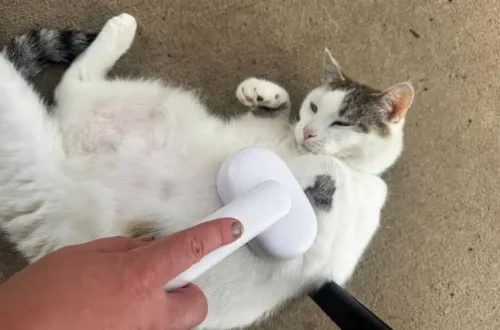
Home Grooming
If you groom your cat yourself, you’ll need:
- Slicker brush
- Wide-tooth comb
- Nail clippers
- Grooming wipes
Estimated yearly cost:
$60–$150
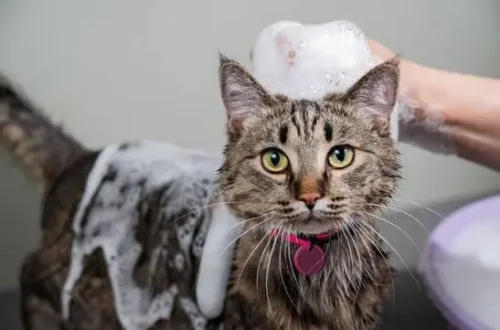
Professional Grooming
Some owners prefer professional grooming every few months.
Typical session cost:
$70–$150
Frequency depends on coat condition and personal preference.
Veterinary Care
Routine veterinary visits are essential for maintaining good health.
Annual expenses may include:
- Wellness exams
- Vaccinations
- Dental care
- Parasite prevention
- Blood tests (for older cats)
Estimated Annual Veterinary Cost
$250–$800
Emergency treatment or surgery can increase this amount significantly.
Pet Insurance
Many owners choose pet insurance to help manage unexpected medical expenses.
Monthly premiums usually range from:
$20–$60
The exact cost depends on:
- Age
- Location
- Coverage level
- Insurance provider
Insurance can help reduce the financial impact of accidents or serious illnesses.
Litter Costs
Larger cats generally use more litter than smaller breeds.
Average monthly expense:
$20–$50
Premium clumping litter may cost more but often lasts longer and controls odor better.
Toys and Enrichment
These intelligent cats enjoy mental stimulation and interactive play.
Popular enrichment items include:
- Puzzle feeders
- Feather wands
- Ball toys
- Interactive tunnels
- Cat trees
- Window perches
Average monthly budget:
$10–$40
Rotating toys regularly helps prevent boredom.
Total First-Year Cost
The first year is usually the most expensive because it includes the purchase price and startup supplies.
Estimated First-Year Budget
| Expense | Estimated Cost |
|---|---|
| Purchase or adoption | $100–$6,000+ |
| Supplies | $320–$950 |
| Food | $600–$1,440 |
| Veterinary care | $250–$800 |
| Grooming | $60–$600 |
| Litter | $240–$600 |
| Toys | $120–$480 |
Estimated first-year total: Approximately $1,700 to over $10,000, depending on where you obtain your cat and the level of care you provide.
Annual Ownership Costs After the First Year
Once you’ve purchased the initial supplies, yearly expenses become more predictable.
Most owners spend approximately:
$1,200–$3,000 per year
This includes:
- Food
- Litter
- Routine veterinary care
- Grooming
- Toys
- Preventive healthcare
Unexpected medical emergencies can increase annual costs.
Where to Find a Healthy Maine Coon
When searching for your future companion, prioritize health and responsible breeding rather than the lowest price.
Reliable sources include:
- Registered breeders
- Breed-specific rescue organizations
- Local shelters
- Cat adoption events
Take time to research the seller, ask questions, and review health records before making a decision.
Red Flags to Watch For
Be cautious if a seller:
- Refuses to provide health records
- Won’t allow questions about the kitten’s parents
- Offers prices that seem unusually low
- Pressures you to make a quick purchase
- Has multiple litters available year-round
- Cannot provide recent photos or videos
Responsible breeders are usually transparent and happy to discuss their breeding practices.
Tips to Save Money When Buying a Maine Coon
Owning a Maine Coon doesn’t have to strain your budget. Planning ahead and making informed decisions can help reduce costs without compromising your cat’s well-being.
Here are some practical ways to save money.
Consider Adoption
Breed-specific rescues occasionally have adult Maine Coons available for adoption at a much lower cost than purchasing a kitten from a breeder.
Buy Quality Supplies Once
Investing in durable products often saves money over time.
Examples include:
- Large scratching posts
- Sturdy cat trees
- Stainless steel bowls
- High-quality grooming brushes
Well-made products usually last for years.
Feed a Balanced Diet
Choosing nutritious food supports overall health and may help reduce future veterinary expenses.
Avoid switching foods frequently unless recommended by your veterinarian.
Schedule Preventive Veterinary Care
Routine checkups can detect health problems early before they become more expensive to treat.
Annual wellness visits, vaccinations, and dental care are worthwhile long-term investments.
Groom Your Cat at Home
Learning basic grooming skills can reduce professional grooming expenses.
Regular brushing helps:
- Prevent mats
- Reduce shedding
- Keep the coat clean
- Strengthen your bond with your cat
Is a Maine Coon Worth the Price?
For many owners, the answer is yes.
Although the initial investment may seem high, these cats are known for their affectionate personalities, intelligence, and adaptability.
Many people appreciate their:
- Gentle temperament
- Friendly nature
- Loyalty
- Playfulness
- Beautiful appearance
- Long lifespan with proper care
If you’re prepared for the ongoing responsibilities, the companionship they provide often outweighs the financial commitment.
Before You Buy: A Quick Checklist
Before bringing a kitten home, make sure you can answer “yes” to the following questions.
✔ Can I afford the purchase price?
✔ Can I comfortably cover monthly food and litter expenses?
✔ Am I prepared for routine veterinary care?
✔ Do I have enough space for a large cat?
✔ Can I provide daily attention and playtime?
✔ Have I researched the breeder or rescue organization?
✔ Am I prepared for regular grooming?
✔ Do I have the necessary supplies ready?
Planning helps create a smoother transition for both you and your new companion.
Pros and Cons
Every breed has advantages and responsibilities.
Pros
- Friendly and affectionate personality
- One of the largest domestic cat breeds
- Intelligent and easy to train
- Excellent family companion
- Usually gets along well with other pets
- Beautiful long coat
- Adaptable to indoor living
- Enjoys interactive play
- Strong bond with owners
- Long life expectancy with proper care
Cons
- Higher purchase price than many other breeds
- Eats more than smaller cats
- Requires regular grooming
- Large accessories cost more
- Veterinary care can be expensive
- May have inherited health conditions
- Needs plenty of mental stimulation
- Reputable breeders often have waiting lists
- Requires time and attention
- Long-term financial commitment
Final Verdict
Understanding the Maine Coon cat price is about more than comparing breeder listings. The initial purchase is only one part of the overall investment. Food, grooming, veterinary care, insurance, and quality supplies all contribute to the lifetime cost of ownership.
Whether you adopt an adult cat or purchase a kitten from a reputable breeder, focus on health, temperament, and responsible breeding practices rather than simply choosing the lowest price. A healthy, well-socialized cat is far more valuable than a bargain that may lead to expensive medical issues later.
If you’re interested in exploring other fascinating feline coat patterns, don’t miss our guide to the Tortoiseshell Cat, where you’ll learn about the unique genetics, personality, and care of these colorful companions:
With proper planning and ongoing care, a Maine Coon can become a loyal family member for many years, making the investment worthwhile for countless cat lovers.
Frequently Asked Questions (FAQs)
1. How much is a Maine Coon cat?
Pet-quality kittens from reputable breeders generally cost between $1,500 and $3,500, while show-quality cats may cost significantly more.
2. Why are Maine Coons so expensive?
Their price reflects responsible breeding practices, genetic health testing, veterinary care, high demand, and the costs associated with raising large, healthy kittens.
3. Can I adopt a Maine Coon instead of buying one?
Yes. Breed-specific rescues and animal shelters occasionally have Maine Coons available, often with much lower adoption fees.
4. What is the monthly cost of owning one?
Most owners spend around $100–$250 per month, depending on food quality, litter, grooming, and healthcare needs.
5. Do Maine Coons require expensive grooming?
Not necessarily. Regular brushing at home keeps grooming costs low, although some owners choose occasional professional grooming.
6. Are they good family pets?
Yes. They are widely known for being gentle, friendly, and affectionate with children and other pets.
7. How long do Maine Coons live?
With proper care, many live 12–15 years, and some may live even longer.
8. Should I buy from the cheapest breeder?
No. Extremely low prices can be a warning sign. Always choose a breeder who performs health testing and provides complete veterinary records.
9. What should I ask a breeder before buying?
Ask about health testing, vaccinations, registration, pedigree, socialization, and the kitten’s parents.
10. Are show-quality cats worth the extra money?
If you plan to participate in cat shows or breeding programs, they may be worth the investment. For most families, a healthy pet-quality kitten is an excellent choice.
11. Do coat colors affect the price?
Sometimes. Rare or highly sought-after colors may cost more, depending on breeder demand and availability.
12. Is pet insurance recommended?
Many owners choose pet insurance to help manage unexpected veterinary expenses, especially for hereditary conditions.
13. Where can I find a healthy Maine Coon for sale?
Look for reputable breeders, breed-specific rescue organizations, or trusted shelters that prioritize the health and welfare of their cats.
14. Is owning a Maine Coon expensive?
They generally cost more to own than the average domestic cat because of their size, diet, grooming needs, and healthcare requirements.
15. Is a Maine Coon worth the investment?
For many families, yes. Their affectionate personality, intelligence, and loyal companionship make them one of the most rewarding cat breeds to own.