

Hypoallergenic Cats
Introduction
Many people dream of owning a cat but worry about allergies. Sneezing, itchy eyes, runny noses, and skin irritation are common reactions that make some cat lovers believe they can never have a feline companion. Fortunately, certain hypoallergenic cat breeds may be a better choice for people with mild cat allergies.
However, there’s an important fact every future cat owner should know: no cat is completely hypoallergenic. While some breeds produce fewer allergens or spread them less than others, every cat produces proteins that can trigger allergic reactions.
The good news is that many allergy sufferers can still enjoy life with a cat by choosing the right breed, maintaining a clean home, and following good grooming practices.
In this guide, you’ll learn the truth about hypoallergenic cats, what actually causes cat allergies, which breeds may be easier to live with, and how to reduce allergens in your home.
What Is a Hypoallergenic Cat?
A hypoallergenic cat is a cat that is believed to produce fewer allergens than average cats.
The word hypoallergenic means “less likely to cause an allergic reaction”—it does not mean allergy-free.
Some breeds:
- Produce lower levels of allergy-causing proteins
- Shed less hair
- Spread less dander around the home
- Require grooming that helps reduce loose allergens
Because of these characteristics, some people with allergies may tolerate them better than other breeds.
If you’re looking for a cat that’s both allergy-friendly and adorable, don’t miss our guide to the Cute Cat Breeds loved by families and pet owners.
What Causes Cat Allergies?
Many people believe they’re allergic to cat fur, but this is actually a common misconception.
The real cause of most cat allergies is a protein called Fel d 1.
This protein is produced in a cat’s:
- Saliva
- Skin
- Sebaceous (oil) glands
- Tear glands
When cats groom themselves, saliva containing Fel d 1 spreads across their fur. As the saliva dries, tiny allergen particles become airborne and settle on furniture, carpets, clothing, and bedding.
People sensitive to Fel d 1 may experience allergic reactions after breathing in or touching these particles.
Is Cat Hair the Problem?
Not exactly.
Cat hair itself is not the allergen.
Instead, hair acts as a carrier that spreads:
- Dander (tiny flakes of skin)
- Saliva
- Dust
- Allergens
That’s why even hairless cats can still trigger allergies.
Are There Truly Hypoallergenic Cats?
The honest answer is no.
There is no scientifically proven cat breed that is completely hypoallergenic.
Every domestic cat produces Fel d 1 protein to some degree.
However, some breeds:
- Produce lower levels of the protein
- Shed less fur
- Spread fewer allergens around the home
As a result, some allergy sufferers experience milder symptoms with these breeds.
Your individual reaction will depend on:
- Your allergy severity
- The individual cat
- Home cleaning habits
- Grooming routine
- Time spent around the cat
Whenever possible, spend time with a breed before adopting to see how your body responds.
Why Low-Shedding Cats May Help
Many people searching for cat breeds that don’t shed are actually looking for cats that spread fewer allergens.
Although no cat is completely non-shedding, low-shedding cats may help reduce the amount of hair and dander released into the environment.
Benefits of low-shedding breeds include:
- Less loose hair on furniture
- Reduced airborne allergens
- Easier grooming
- Cleaner living spaces
- Less frequent vacuuming
Remember, less shedding does not necessarily mean fewer allergens, but it can make allergen control easier.
20 Best Hypoallergenic Cat Breeds
Below are some of the cat breeds most commonly recommended for people with allergies.
1. Siberian
The Siberian is one of the most surprising entries on this list.
Despite its thick triple coat, some Siberians appear to produce lower levels of Fel d 1 protein than many other breeds.
Although this doesn’t make them allergy-free, some allergy sufferers report fewer symptoms around Siberians.
Characteristics
- Thick triple coat
- Friendly personality
- Intelligent
- Family friendly
- Moderate shedding
- Requires regular brushing
2. Balinese
Often called the “long-haired Siamese,” the Balinese has a silky coat and graceful appearance.
Some studies and breeder observations suggest that certain Balinese cats may produce relatively lower levels of Fel d 1.
Characteristics
- Long silky coat
- Blue eyes
- Highly social
- Intelligent
- Vocal
- Moderate grooming
3. Devon Rex
The Devon Rex has a soft, curly coat with very little guard hair.
Because it sheds less than many other breeds, allergens may spread less around the home.
Characteristics
- Curly coat
- Large ears
- Low shedding
- Playful
- Affectionate
- Highly social
4. Cornish Rex
The Cornish Rex has one of the most unusual coats in the cat world.
Unlike most cats, it has only a soft undercoat, giving it a curly appearance.
Its minimal coat often results in lower shedding.
Characteristics
- Wavy coat
- Athletic body
- Very active
- Intelligent
- Low shedding
- Easy grooming
5. Oriental Shorthair
The Oriental Shorthair has a sleek, close-lying coat that sheds relatively little.
Combined with regular grooming, it may be easier for some allergy sufferers to manage.
Characteristics
- Short coat
- Large ears
- Slim body
- Curious
- Social
- Intelligent
6. Russian Blue
The Russian Blue is frequently recommended for people with mild allergies.
Its dense double coat traps loose hair, and some evidence suggests it may produce slightly lower levels of Fel d 1 than many other breeds.
Characteristics
- Plush blue-gray coat
- Green eyes
- Quiet personality
- Loyal
- Moderate shedding
- Gentle temperament
7. Bengal
The Bengal has a short, fine coat that requires very little grooming.
Because Bengals groom themselves less frequently than some breeds, they may spread slightly fewer saliva-based allergens.
Characteristics
- Spotted coat
- Athletic body
- Highly active
- Intelligent
- Short coat
- Low maintenance
8. Sphynx
The Sphynx is the best-known hairless cat breed.
Many people assume it is completely hypoallergenic, but this is not true.
Although it has little to no fur, it still produces Fel d 1 protein. Regular bathing is important because allergens can accumulate on the skin.
Characteristics
- Hairless appearance
- Warm skin
- Very affectionate
- Highly social
- Requires regular bathing
- Indoor companion
9. Burmese
The Burmese has a fine, short coat that sheds relatively little.
Its affectionate personality and low-maintenance coat make it popular among many cat lovers.
Characteristics
- Glossy short coat
- Muscular body
- Friendly
- Playful
- Intelligent
- Moderate shedding
10. Javanese
The Javanese has a silky single-layer coat with little undercoat.
Because there is less fur to trap allergens, some owners with allergies find this breed easier to live with.
Characteristics
- Silky coat
- Blue eyes
- Elegant body
- Intelligent
- Affectionate
- Moderate grooming
11. Siamese
The Siamese is one of the oldest and most recognizable cat breeds. Its short, fine coat sheds relatively little compared to many long-haired breeds, making it a popular choice for some allergy sufferers.
Although Siamese cats still produce allergens, regular grooming and home cleaning can help reduce allergen buildup.
Characteristics
- Short coat
- Blue eyes
- Colorpoint pattern
- Highly intelligent
- Very vocal
- Moderate shedding
12. Peterbald
The Peterbald is a rare breed that may be completely hairless or have a fine velour-like coat.
Because it has little or no fur, it sheds very little. However, allergens remain on the skin, so regular bathing is essential.
Characteristics
- Hairless or fine coat
- Elegant body
- Friendly
- Intelligent
- Active
- Requires regular skin care
13. Ocicat
Despite its wild appearance, the Ocicat is a fully domestic breed with a short coat that is easy to maintain.
Its low-maintenance coat makes cleaning loose hair around the home much easier.
Characteristics
- Spotted coat
- Muscular body
- Friendly
- Highly active
- Intelligent
- Low grooming needs
14. LaPerm
The LaPerm has a distinctive curly coat that may range from loose waves to tight ringlets.
Its curly fur often traps loose hair, reducing the amount of shedding around the home.
Characteristics
- Curly coat
- Medium body
- Friendly
- Curious
- Moderate grooming
- Low shedding
15. Tonkinese
The Tonkinese combines the affectionate nature of the Burmese with the intelligence of the Siamese.
Its short, silky coat is easy to maintain and sheds relatively little.
Characteristics
- Short coat
- Social personality
- Intelligent
- Playful
- Family friendly
- Moderate shedding
16. Abyssinian
The Abyssinian has a fine, ticked coat that requires very little grooming.
Its active personality makes it one of the most entertaining companion cats.
Characteristics
- Short coat
- Athletic build
- Curious
- Highly active
- Intelligent
- Low grooming needs
17. Turkish Angora
The Turkish Angora has a silky coat without a heavy undercoat.
Although it has long fur, many owners find it sheds less than expected with regular brushing.
Characteristics
- Silky coat
- Elegant body
- Intelligent
- Affectionate
- Active
- Moderate shedding
18. Bombay
The Bombay has a sleek black coat that lies close to the body.
Its short fur is easy to maintain and generally sheds less than many medium- or long-haired breeds.
Characteristics
- Black coat
- Golden eyes
- Friendly
- Loyal
- Easy grooming
- Low shedding
19. Singapura
The Singapura is the world’s smallest cat breed.
Its short, fine coat requires very little grooming and sheds only moderately throughout the year.
Characteristics
- Tiny body
- Large eyes
- Short coat
- Curious
- Energetic
- Affectionate
20. Colorpoint Shorthair
The Colorpoint Shorthair closely resembles the Siamese but comes in a wider variety of colorpoint patterns.
Its sleek coat is easy to care for and produces relatively little loose hair.
Characteristics
- Short coat
- Blue eyes
- Colorpoint pattern
- Vocal
- Intelligent
- Low maintenance
Hypoallergenic Cat Breed Comparison
The table below compares some of the most popular cat breeds that may be easier for allergy sufferers.
| Breed | Coat Type | Shedding | Grooming | Allergy-Friendly* |
|---|---|---|---|---|
| Siberian | Triple coat | Moderate | High | Good |
| Balinese | Long | Moderate | Moderate | Good |
| Devon Rex | Curly | Low | Low | Very Good |
| Cornish Rex | Curly | Very Low | Low | Very Good |
| Russian Blue | Double coat | Moderate | Low | Good |
| Bengal | Short | Low | Low | Good |
| Sphynx | Hairless | None | High | Moderate |
| Burmese | Short | Low | Low | Good |
| Peterbald | Hairless/Velour | Very Low | High | Good |
| Oriental Shorthair | Short | Low | Low | Good |
*No breed is completely hypoallergenic. Individual allergy responses vary.
Cat Breeds That Don’t Shed
Many people search for cat breeds that don’t shed, but the truth is that every cat sheds at least a little.
Some breeds simply shed far less than others.
Popular low-shedding breeds include:
- Sphynx
- Peterbald
- Devon Rex
- Cornish Rex
- Oriental Shorthair
- Burmese
- Bengal
These breeds can reduce the amount of loose hair around your home, making cleanup easier.
Low Shedding Cats
Low-shedding cats are often recommended for allergy sufferers because they spread less hair throughout the home.
Some of the best low shedding cats include:
- Devon Rex
- Cornish Rex
- Bengal
- Russian Blue
- Bombay
- Oriental Shorthair
- Burmese
- Peterbald
Although these breeds shed less, they still require regular grooming to remove loose hair and skin oils.
Living With Cat Allergies
Even if you choose a breed that is considered more allergy-friendly, reducing allergens inside your home is still important.
Here are some practical ways to manage cat allergies.
Use a HEPA Air Purifier
High-efficiency particulate air (HEPA) purifiers can help capture airborne dander and allergen particles.
Vacuum Frequently
Vacuum carpets, rugs, furniture, and curtains regularly using a vacuum with a HEPA filter to reduce allergen buildup.
Wash Bedding Often
Cat allergens collect on blankets, pillowcases, and pet bedding.
Wash these items weekly in hot water whenever possible.
Wash Your Hands
Always wash your hands after:
- Petting your cat
- Cleaning the litter box
- Grooming
- Playing
This helps reduce allergen transfer to your face and eyes.
Keep Cats Out of the Bedroom
Creating an allergy-free sleeping area can significantly reduce overnight allergen exposure.
Many allergists recommend keeping cats out of bedrooms, especially if symptoms worsen at night.
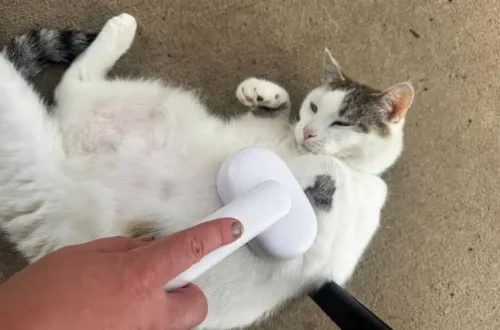
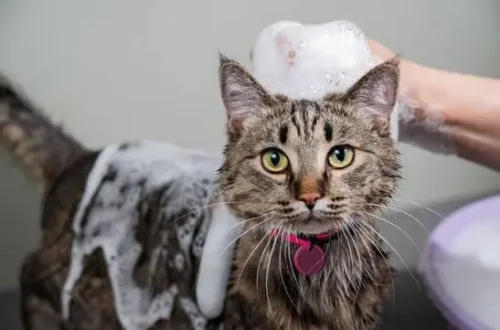
Groom Your Cat Regularly
Routine grooming helps remove loose hair and dander before they spread throughout the home.
Depending on the breed:
- Brush short-haired cats once a week.
- Brush long-haired cats several times a week.
- Bathe hairless breeds like the Sphynx or Peterbald regularly, following your veterinarian’s guidance.
Proper grooming benefits both the cat and the owner by helping manage loose hair, skin oils, and allergens.
Choosing the Right Hypoallergenic Cat
Finding the best hypoallergenic cat depends on more than just choosing a breed with low shedding. Since no cat is completely allergy-free, it’s important to consider your allergy severity, lifestyle, grooming preferences, and the cat’s personality.
Before bringing a cat home, ask yourself:
- How severe are my allergies?
- Can I groom my cat regularly?
- Do I prefer a playful or calm cat?
- Do I live in an apartment or a house?
- Am I prepared for routine cleaning to reduce allergens?
- Do I have children or other pets?
Whenever possible, spend time with the individual cat before adopting or purchasing it. Allergic reactions vary from person to person, even within the same breed.
Best Hypoallergenic Cats for Families
Families often need cats that are gentle, social, and patient with children.
Some of the best options include:
- Siberian
- Burmese
- Tonkinese
- Balinese
- Russian Blue
- Bombay
These breeds are generally affectionate and enjoy spending time with their human families.
Best Hypoallergenic Cats for Apartments
Apartment living requires cats that adapt well to indoor environments.
Great apartment-friendly breeds include:
- Russian Blue
- Devon Rex
- Cornish Rex
- Oriental Shorthair
- Bombay
- Sphynx
Provide plenty of indoor enrichment, including:
- Cat trees
- Scratching posts
- Window perches
- Puzzle toys
- Interactive play sessions
Best Hypoallergenic Cats for First-Time Owners
If you’re a beginner, look for breeds that combine friendly personalities with relatively manageable care requirements.
Recommended breeds include:
- Russian Blue
- Burmese
- Bombay
- Oriental Shorthair
- Tonkinese
These cats are generally adaptable, affectionate, and easy to bond with.
Best Hypoallergenic Cats for Seniors
Many seniors appreciate calm companions that enjoy spending time indoors.
Excellent choices include:
- Russian Blue
- Siberian
- Bombay
- Burmese
- Balinese
These breeds often enjoy companionship without requiring constant activity.
Adoption vs. Buying
Whether you adopt or purchase a cat, responsible pet ownership is the most important consideration.
Adopting a Cat
Many shelters and rescue organizations have wonderful cats that may be suitable for people with mild allergies.
Benefits of adoption include:
- Lower adoption fees
- Giving a homeless cat a second chance
- Many cats are already vaccinated
- Often already spayed or neutered
- Adult personalities are easier to evaluate
Some breed-specific rescue groups may also have Siberians, Russian Blues, or other allergy-friendly breeds available.
Buying From a Responsible Breeder
If you’re looking for a specific breed, choose a reputable breeder who prioritizes health, temperament, and responsible breeding practices.
A good breeder should:
- Perform genetic health testing
- Provide vaccination and medical records
- Raise kittens in a clean environment
- Socialize kittens from an early age
- Answer questions honestly
- Offer ongoing support
Avoid buying from sellers who cannot provide health documentation or who appear to prioritize profit over animal welfare.
Pros and Cons of Hypoallergenic Cats
Although hypoallergenic cat breeds may be easier for some allergy sufferers to live with, they are not perfect solutions.
Pros
- May produce fewer allergens
- Often shed less hair
- Easier home cleaning
- Many are affectionate companions
- Suitable for apartment living
- Available in different coat types
- Excellent family pets
- Intelligent and playful
- Some require minimal brushing
- May reduce allergy symptoms for certain individuals
Cons
- No breed is completely hypoallergenic
- Individual allergy reactions vary
- Regular cleaning is still necessary
- Some breeds require frequent bathing
- Hairless cats need skin care
- Purebred kittens can be expensive
- Veterinary care remains important
- Grooming is still required for many breeds
- Allergy symptoms may still occur
- Time with the cat before adoption is recommended
Tips to Reduce Cat Allergens at Home
Even with a low-allergen breed, good household habits can make a significant difference.
Helpful tips include:
- Brush your cat regularly.
- Clean litter boxes frequently.
- Vacuum carpets with a HEPA-filter vacuum.
- Use a HEPA air purifier.
- Wash your hands after handling your cat.
- Wash your cat’s bedding regularly.
- Keep your bedroom cat-free if allergies are severe.
- Dust furniture often.
- Wash blankets and cushion covers weekly.
- Schedule regular veterinary checkups to maintain your cat’s overall health.
These habits help reduce allergen buildup and create a more comfortable environment for both you and your pet.
Final Verdict
Owning a cat while managing allergies is possible for many people, but it’s important to have realistic expectations. Despite the name, no hypoallergenic cat is completely free of allergens. Every cat produces proteins such as Fel d 1, which can trigger allergic reactions.
However, some breeds—including the Siberian, Russian Blue, Devon Rex, Cornish Rex, and Balinese—may be better tolerated by certain allergy sufferers because they may produce lower levels of allergens, shed less, or be easier to groom.
Choosing the right cat involves more than appearance. Consider the breed’s personality, grooming requirements, activity level, and how well it fits your lifestyle. If possible, spend time with the individual cat before making a commitment to see how your allergies respond.
With proper home cleaning, routine grooming, and regular veterinary care, many people with mild cat allergies can enjoy a happy and rewarding life with a feline companion.
Frequently Asked Questions (FAQs)
1. What is a hypoallergenic cat?
A hypoallergenic cat is a cat that may produce fewer allergens or spread fewer allergens than average cats. However, no cat is completely allergy-free.
2. Are there truly hypoallergenic cats?
No. All cats produce allergy-causing proteins, but some breeds may be better tolerated by certain people.
3. Which cat breed is best for allergies?
Breeds commonly recommended include the Siberian, Russian Blue, Devon Rex, Cornish Rex, Balinese, and Sphynx, although individual reactions vary.
4. What causes cat allergies?
Most cat allergies are caused by the Fel d 1 protein found in a cat’s saliva, skin, sebaceous glands, and tears—not by the fur itself.
5. Which cat breeds don’t shed?
No cat is completely non-shedding, but Sphynx, Peterbald, Devon Rex, and Cornish Rex are among the lowest-shedding breeds.
6. Which cats shed the least?
Hairless breeds such as the Sphynx and Peterbald, along with Devon Rex and Cornish Rex, are known for minimal shedding.
7. Is the Sphynx hypoallergenic?
Not completely. Although the Sphynx has little or no fur, it still produces Fel d 1 protein and requires regular bathing to remove allergens from its skin.
8. Is the Siberian hypoallergenic?
Some Siberian cats appear to produce lower levels of Fel d 1 than many other breeds, but they are not completely hypoallergenic.
9. Can allergy sufferers own cats?
Many people with mild allergies successfully own cats by choosing suitable breeds, reducing allergens in the home, and following their healthcare provider’s advice when needed.
10. How can I reduce cat allergens at home?
Use HEPA air purifiers, vacuum frequently, wash bedding regularly, groom your cat, clean the litter box often, and keep cats out of bedrooms if symptoms are severe.
11. Are hairless cats allergy-free?
No. Hairless cats still produce allergy-causing proteins, even though they have little or no fur.
12. Which hypoallergenic cat is best for families?
The Siberian, Burmese, Russian Blue, and Tonkinese are often considered excellent family companions.
13. Which low-shedding cat is easiest to groom?
The Bombay, Oriental Shorthair, Burmese, and Russian Blue have short coats that are generally easy to maintain with weekly brushing.
14. Should I adopt or buy a hypoallergenic cat?
Both options can be good. Adoption gives a cat a second chance, while buying from a responsible breeder may help if you’re looking for a specific breed with a documented health history.
15. What is the calmest hypoallergenic cat?
The Russian Blue and Siberian are often recognized for their calm, gentle personalities while also being among the breeds that some allergy sufferers tolerate well.