
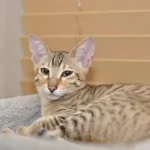



Burmilla Cat
Introduction
The Burmilla Cat is a beautiful companion breed admired for its shimmering silver coat, expressive green eyes, and affectionate temperament. Developed from a cross between a Burmese and a Chinchilla Persian, this elegant cat combines playful energy with a calm and loving nature. Whether you’re researching the Burmilla Cat, learning about the Burmilla Personality, or comparing the Burmilla Price, this guide covers everything you need to know before welcoming one into your home.
What Is a Burmilla Cat?
The Burmilla Cat is a medium-sized breed that originated from an accidental cross between a Burmese and a Chinchilla Persian.
The result was a striking cat with a sparkling silver coat, gentle expression, and friendly temperament.
Today, the Burmilla is appreciated for its beauty, intelligence, and ability to adapt well to family life.
Key Characteristics
- Medium-sized body
- Silver-tipped coat
- Bright green eyes
- Muscular build
- Friendly temperament
- Intelligent nature
- Playful personality
- Family-oriented behavior
Burmilla Cat History
The history of the Burmilla Cat began in the United Kingdom in 1981.
The breed was created unexpectedly when a Burmese female and a Chinchilla Persian male produced a litter of kittens with unique silver coats and affectionate personalities.
Their attractive appearance quickly gained attention, and breeders began developing the Burmilla into a recognized pedigree breed.
Today, the Burmilla Cat is recognized by several cat organizations and continues to grow in popularity among cat enthusiasts around the world.
Read more: If you’re comparing elegant cat breeds, don’t miss our Bombay Cat guide to learn about its sleek black coat, affectionate personality, and care needs.
Appearance
The Burmilla Cat has a balanced, muscular body that combines elegance with strength.
Body
The breed has a medium-sized frame with a broad chest, strong legs, and a well-proportioned build.
Head
The head is gently rounded with soft facial contours and a slightly tapered muzzle.
Eyes
Large, expressive eyes are usually bright green, giving the breed its distinctive appearance.
Coat
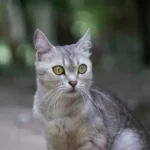
The short, silky coat has a shimmering silver base with darker tipping that creates a sparkling effect.
This beautiful coat is one of the defining characteristics of the Burmilla Cat.
Coat Colors & Patterns
The Burmilla is available in several attractive coat colors while maintaining its signature tipped appearance.
Common Colors
- Silver Shaded
- Silver Tipped
- Black
- Blue
- Chocolate
- Lilac
Coat Characteristics
The coat is:
- Soft
- Silky
- Fine
- Dense
- Lightly tipped
The silver shading gives this breed an elegant appearance unlike many other companion cats.
Burmilla Personality
The Burmilla Personality is affectionate, playful, intelligent, and gentle.
Affectionate
This breed enjoys spending time with family members and often seeks attention without becoming overly demanding.
Intelligent
The Burmilla learns routines quickly and responds well to interactive toys and puzzle games.
Playful
Even as adults, many individuals continue enjoying games that encourage chasing, climbing, and exploring.
Social
The breed usually enjoys companionship and adapts well to households where people are frequently present.
Gentle
Its calm temperament makes the Burmilla Cat suitable for homes with respectful children and other friendly pets.
Is a Burmilla Cat a Good Family Pet?
The Burmilla Cat is well suited to many different households because of its adaptable and affectionate temperament.
It often thrives in:
- Families
- Couples
- Singles
- Seniors
- Apartment homes
- Multi-pet households
The friendly Burmilla Personality allows the breed to build close relationships while remaining confident and relaxed in everyday life.
Burmilla Cat Size
The Burmilla Cat is considered a medium-sized breed with a muscular but elegant body.
Average Height
- 10–12 inches
Average Weight
- Females: 6–10 pounds
- Males: 8–12 pounds
Growth Stages
Kitten (0–6 Months)
Rapid growth with playful curiosity and increasing confidence.
Junior (6–18 Months)
The body develops stronger muscles while coordination and activity levels continue to improve.
Adult (2 Years)
Most Burmilla Cat adults reach full physical maturity at around two years of age.
Quick Facts
| Feature | Details |
|---|---|
| Origin | United Kingdom |
| Breed Type | Crossbreed (Burmese × Chinchilla Persian) |
| Coat | Short, Silky, Silver-Tipped |
| Weight | 6–12 lbs |
| Lifespan | 12–15 Years |
| Grooming | Low to Moderate |
| Shedding | Low to Moderate |
| Personality | Affectionate, Intelligent, Playful |
Why Is the Burmilla Cat So Popular?
The Burmilla Cat is admired for its elegant silver coat, bright green eyes, and friendly nature. Many owners appreciate the balanced Burmilla Personality, which combines affection, intelligence, curiosity, and playfulness. Its adaptable temperament makes it comfortable in a variety of homes, while its beautiful appearance continues to attract cat lovers worldwide. Whether you’re researching the breed’s characteristics or considering future ownership, the Burmilla offers an appealing combination of beauty and companionship.
Grooming a Burmilla Cat
The Burmilla Cat has a soft, silky coat that is relatively easy to maintain. Although grooming needs are lower than those of many long-haired breeds, regular care helps keep the coat healthy, reduces loose hair, and strengthens the bond between you and your pet.
A simple weekly grooming routine is usually enough for most healthy adults.
Brushing
Brush your Burmilla Cat once or twice each week using a soft-bristle brush or grooming mitt.
Regular brushing helps:
- Remove loose hair
- Reduce shedding
- Keep the coat smooth
- Distribute natural skin oils
- Maintain healthy skin
During seasonal shedding periods, an extra brushing session may help remove excess fur.
Bathing
Most Burmilla cats rarely require bathing because they naturally keep themselves clean.
If bathing becomes necessary, use a gentle shampoo made specifically for cats.
Ear Cleaning
Check the ears weekly for dirt or wax buildup and clean them with a veterinarian-approved ear cleaner when needed.
Nail Trimming
Trim the nails every 2–4 weeks to keep the paws healthy and prevent overgrowth.
Dental Care
Brush your cat’s teeth several times each week to reduce plaque buildup and support long-term dental health.
Shedding
The Burmilla Cat is generally considered a low to moderate shedder.
Its short coat sheds lightly throughout the year, although seasonal coat changes may temporarily increase hair loss.
Why Burmilla Cats Shed
Shedding may increase because of:
- Seasonal coat changes
- Poor nutrition
- Stress
- Hormonal changes
- Skin irritation
How to Reduce Shedding
Helpful ways to manage shedding include:
- Weekly brushing
- Balanced nutrition
- Fresh drinking water
- Healthy skin care
- Routine veterinary checkups
With regular grooming, the coat remains soft, shiny, and healthy.
Exercise and Mental Stimulation
The Burmilla Personality is playful, curious, and intelligent.
Although this breed enjoys relaxing with its family, daily activity remains important for both physical and mental well-being.
Daily Exercise
Aim for 20–30 minutes of interactive play each day.
Favorite activities include:
- Feather wand toys
- Puzzle feeders
- Cat tunnels
- Interactive balls
- Climbing trees
- Laser toys (used responsibly)
Mental Enrichment
The Burmilla enjoys exploring new toys, climbing furniture, and solving simple puzzles.
Providing window perches, scratching posts, and rotating toys helps prevent boredom while encouraging natural curiosity.
Common Health Problems
The Burmilla Cat is generally healthy, but routine veterinary care remains essential throughout its life.
Polycystic Kidney Disease (PKD)
Because of its Persian ancestry, some individuals may have an increased risk of polycystic kidney disease.
Responsible breeders perform health screening to reduce this risk.
Dental Disease
Regular brushing and professional dental care help maintain healthy teeth and gums.
Obesity
Even though the Burmilla Personality includes playful behavior, reduced activity combined with overfeeding can lead to excess weight.
Balanced meals and daily exercise help maintain a healthy body condition.
Preventive Healthcare
Routine checkups, vaccinations, parasite prevention, and wellness examinations help detect health concerns early.
Lifespan
A healthy Burmilla Cat generally lives between 12 and 15 years, although many enjoy even longer lives with excellent care.
Factors That Affect Lifespan
- Genetics
- Quality nutrition
- Routine veterinary care
- Healthy weight
- Daily activity
- Indoor living
- Preventive healthcare
Good nutrition and regular medical care contribute significantly to long-term health.
Diet and Nutrition
A balanced diet supports the muscles, immune system, skin, and overall well-being of a Burmilla Cat.
Protein
Choose food that lists high-quality animal protein as the primary ingredient.
Wet vs. Dry Food
Many veterinarians recommend combining wet and dry food to provide complete nutrition while supporting hydration.
Portion Control
Because activity levels vary between individual cats, portion sizes should match age, weight, and daily exercise.
Fresh Water
Always provide unlimited access to clean, fresh drinking water.
Nutrients for Healthy Skin and Coat
Look for foods containing:
- Omega-3 fatty acids
- Omega-6 fatty acids
- Vitamin E
- Zinc
- High-quality protein
These nutrients help maintain the silky coat and healthy skin that make the breed so attractive.
Daily Care Checklist
Following a consistent routine helps your companion remain healthy and active.
Every Day
- Provide fresh food and water.
- Spend time playing together.
- Scoop the litter box.
- Observe behavior and appetite.
Every Week
- Brush the coat.
- Check the ears.
- Brush the teeth several times.
- Inspect the skin and coat.
Every Month
- Trim nails.
- Monitor body weight.
- Clean grooming tools.
Every Year
- Schedule a veterinary wellness examination.
- Keep vaccinations current.
- Review parasite prevention with your veterinarian.
Care Summary Table
| Care Task | Recommended Frequency |
|---|---|
| Brushing | 1–2 times weekly |
| Bathing | Only when needed |
| Ear Cleaning | Weekly |
| Nail Trimming | Every 2–4 weeks |
| Teeth Brushing | Several times weekly |
| Veterinary Checkup | Once per year |
| Daily Play | 20–30 minutes |
Burmilla Cat vs Burmese
Although these breeds share Burmese ancestry, they differ in appearance, coat type, and overall temperament.
| Feature | Burmilla Cat | Burmese |
|---|---|---|
| Origin | Burmese × Chinchilla Persian | Natural breed from Myanmar |
| Coat | Silver-tipped, silky | Short, glossy |
| Eye Color | Green | Gold or Yellow |
| Body Type | Medium, elegant | Compact, muscular |
| Activity Level | Moderate | High |
| Grooming | Low to Moderate | Low |
The Burmilla inherited its beautiful silver coat from the Chinchilla Persian, while the Burmese has a solid-colored coat and a more compact build.
Burmilla Price
The Burmilla Price depends on the breeder, pedigree, bloodline, location, and breeding quality.
Kitten Price
Most pet-quality kittens from reputable breeders cost between $800 and $2,000.
Show-quality kittens with exceptional bloodlines may cost significantly more.
Adoption
Although uncommon, breed-specific rescue organizations and shelters occasionally have Burmilla cats available.
Adoption fees usually range from $100 to $400.
Initial Supplies
Before bringing your kitten home, budget for:
- Food and water bowls
- Litter box
- Cat carrier
- Cat tree
- Scratching post
- Interactive toys
- Grooming supplies
- Quality food
Annual Care Costs
Regular ownership expenses include:
- Premium cat food
- Veterinary checkups
- Vaccinations
- Parasite prevention
- Dental care
- Pet insurance (optional)
Understanding the Burmilla Price helps future owners prepare for both the initial purchase and ongoing care.
Pros and Cons
Pros
- Beautiful silver-tipped coat
- Friendly and affectionate
- Intelligent and curious
- Good with children
- Usually adapts well to indoor living
- Moderate grooming requirements
- Strong family companion
Cons
- Can become lonely if left alone for long periods
- Needs regular play and mental stimulation
- Seasonal shedding may increase
- Purebred kittens can be expensive
- May inherit some genetic health conditions
Is a Burmilla Cat Right for You?
The Burmilla Cat is an excellent choice for people looking for a loving, playful, and adaptable companion.
This breed is well suited for:
- Families
- Couples
- Singles
- Seniors
- Apartment living
- Homes with other friendly pets
The balanced Burmilla Personality allows these cats to enjoy both active playtime and quiet relaxation with their families.
Final Verdict
The Burmilla Cat combines elegance, intelligence, and affection in one beautiful companion. Its shimmering silver coat, expressive green eyes, and gentle temperament make it a favorite among cat lovers seeking a friendly indoor pet.
While the Burmilla Price may be higher than that of some common breeds, responsible ownership, proper nutrition, regular grooming, and routine veterinary care help ensure a long, healthy, and rewarding life together.
Frequently Asked Questions (FAQs)
1. Is a Burmilla Cat a good family pet?
Yes. The breed is affectionate, gentle, and usually gets along well with children and other pets.
2. What is the Burmilla Personality like?
The Burmilla Personality is playful, intelligent, gentle, affectionate, and curious.
3. How big do Burmilla cats get?
Adult females generally weigh 6–10 pounds, while males usually weigh 8–12 pounds.
4. Do Burmilla cats shed?
Yes. They shed lightly to moderately throughout the year, with slightly heavier shedding during seasonal coat changes.
5. What is the average Burmilla Price?
Most pet-quality kittens from reputable breeders cost between $800 and $2,000, depending on pedigree and location.
6. How long do Burmilla cats live?
Most live between 12 and 15 years, although many can live longer with proper care.
7. Are Burmilla cats affectionate?
Yes. They enjoy spending time with their families and often form strong bonds with their owners.
8. How was the Burmilla breed created?
The breed originated from an accidental mating between a Burmese cat and a Chinchilla Persian in the United Kingdom in 1981.
9. Do Burmilla cats get along with dogs?
Yes. Many adapt well to calm, cat-friendly dogs after careful introductions.
10. Are Burmilla cats vocal?
They are generally quieter than Burmese cats but still communicate with soft, gentle vocalizations.
11. What’s the difference between a Burmilla and a Burmese?
The Burmilla has a silver-tipped coat and green eyes, while the Burmese typically has a solid-colored coat and gold eyes.
12. Can Burmilla cats live indoors?
Yes. They thrive as indoor companions when provided with regular play, enrichment, and affection.
13. How often should I groom a Burmilla?
Brushing once or twice each week, along with regular nail trimming, ear cleaning, and dental care, is usually sufficient.
14. Are Burmilla cats easy to train?
Yes. Their intelligence allows them to learn routines, simple tricks, and interactive games using positive reinforcement.
15. Are they suitable for first-time owners?
Yes. Their affectionate temperament, moderate care needs, and adaptable nature make them a good choice for many first-time cat owners.