


Ashera Cat
Introduction
The Ashera cat is one of the most talked-about and expensive cats in the world. Known for its exotic appearance, large size, and luxury reputation, this remarkable feline has attracted worldwide attention since it was first introduced in the mid-2000s.
Unlike most domestic breeds, the Ashera breed has been surrounded by controversy. It was marketed as a rare hybrid with exceptional characteristics, but many cat experts and organizations later questioned whether it was actually a separate breed.
Whether you’re curious about this famous luxury cat, researching one of the world’s most expensive cat breeds, or simply interested in learning the facts, this guide explains everything you need to know about its history, appearance, personality, care, health, and price.
Breed Overview
| Feature | Details |
|---|---|
| Origin | United States (marketed) |
| Breed Type | Claimed hybrid cat |
| Weight | 15–30 pounds (7–13.5 kg) |
| Height | 16–18 inches |
| Lifespan | 12–20 years |
| Coat | Short, soft |
| Eye Color | Gold, green, amber |
| Personality | Intelligent, active, affectionate |
| Good With Children | Usually yes |
| Good With Other Pets | Often, yes, with proper introductions |
History and Origin
The Ashera cat first gained public attention during the mid-2000s when it was introduced as an exclusive hybrid companion cat.
According to early marketing, the cat was developed by combining domestic cats with wild feline ancestry to create an unusual companion that offered both beauty and intelligence.
The breed quickly became famous because of its limited availability and extremely high purchase price, making it one of the most recognized names among expensive cat breeds.
The Ashera Cat Controversy
One of the most important facts about the Ashera cat is that its status has long been debated.
After the breed entered the public spotlight, genetic testing and investigations led many experts to conclude that cats sold as Asheras closely matched the already established Savannah cat rather than representing a completely new breed.
Because of this, many major cat organizations do not recognize the Ashera breed as an official breed.
Today, the name is often associated with a luxury marketing label rather than a separately recognized cat breed.
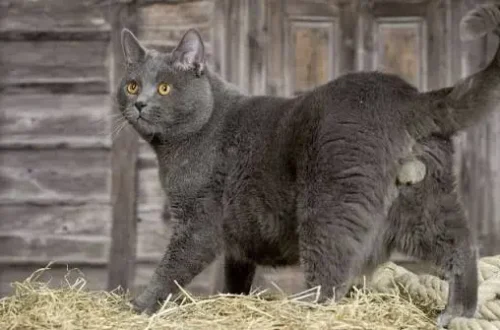
While the Ashera Cat is known for its luxurious appearance, the Sokoke Cat is a naturally rare breed admired for its distinctive coat pattern and active personality.
Is the Ashera Cat a Recognized Breed?
Currently, the Ashera cat is not officially recognized by major international cat registries as a separate breed.
Many feline organizations recognize the Savannah cat but do not list the Ashera breed independently.
For this reason, anyone considering purchasing one should carefully research breeders and understand exactly what type of cat they are buying.
Physical Appearance
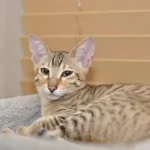
The Ashera cat is admired for its striking appearance.
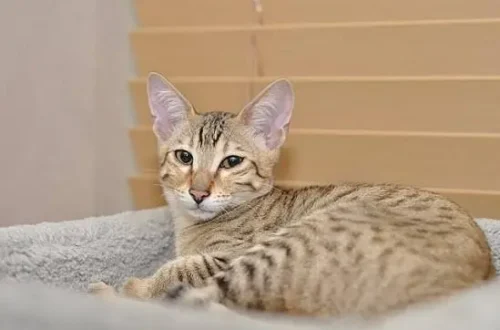
Its long legs, athletic body, spotted coat, and elegant posture create an exotic look that resembles a small wild cat while still living comfortably as a companion animal.
Body Shape
The body is long, muscular, and athletic.
Common characteristics include:
- Long legs
- Lean muscles
- Deep chest
- Long neck
- Flexible body
- Graceful movement
Despite its large size, the cat moves with surprising agility.
Head Shape
The head is medium-sized with well-balanced proportions.
Typical facial features include:
- Broad forehead
- Strong muzzle
- Prominent cheekbones
- Large ears
- Alert expression
These features contribute to its distinctive exotic appearance.
Eyes
The Ashera cat has large, expressive eyes.
Common eye colors include:
- Gold
- Amber
- Green
- Yellow-green
Eye color may vary depending on genetics.
Size and Weight
The Ashera cat is considerably larger than the average domestic cat.
Average Measurements
| Measurement | Average |
|---|---|
| Weight | 15–30 pounds (7–13.5 kg) |
| Height | 16–18 inches |
| Body Length | Up to 4 feet including the tail |
Males are generally larger and heavier than females.
Coat
The Ashera cat has a short, dense coat that requires relatively little maintenance.
The coat is:
- Soft
- Short
- Smooth
- Close-fitting
Regular brushing helps maintain a healthy appearance.
Coat Colors and Patterns
The spotted coat is one of the breed’s most recognizable features.
Common colors include:
- Golden brown
- Cream
- Tan
- Silver
- Light beige
Dark spots contrast beautifully against the lighter background, creating an appearance similar to certain wild cats.
Tail
The tail is long and proportionate to the body.
It helps provide balance while running, climbing, and jumping.
Ashera Cat Personality
The Ashera cat personality combines intelligence, curiosity, confidence, and affection.
Despite its impressive appearance, many owners describe these cats as friendly companions that enjoy interacting with people.
Individual personalities may vary depending on genetics and early socialization.
Affectionate Nature
The Ashera cat often forms close relationships with its family.
Many enjoy:
- Following owners
- Interactive play
- Spending time nearby
- Learning routines
- Daily companionship
Although independent at times, they generally appreciate regular human interaction.
Intelligence
The Ashera cat is considered highly intelligent.
Many individuals quickly learn:
- Household routines
- Puzzle feeders
- Simple commands
- Interactive games
- Their names
Mental stimulation is an important part of daily care.
Vocalization
Most Ashera cats are moderately vocal.
Communication may include:
- Soft meows
- Chirps
- Purring
- Body language
They typically communicate without becoming excessively noisy.
Energy Level
The Ashera cat is an active and athletic companion.
Favorite activities often include:
- Climbing
- Running
- Chasing toys
- Exploring
- Puzzle games
- Interactive play
Daily exercise helps keep these intelligent cats physically and mentally healthy.
Hunting Instinct
Because of its reported hybrid ancestry, the Ashera cat may display stronger hunting instincts than many traditional domestic breeds.
Many enjoy:
- Tracking moving toys
- Climbing high furniture
- Jumping
- Exploring their surroundings
Providing appropriate enrichment helps satisfy these natural behaviors in a safe indoor environment.
Do They Like Attention?
Yes.
The Ashera cat personality is generally social and people-oriented.
These cats often enjoy spending time with their owners while also appreciating opportunities to explore independently.
With proper socialization, they can become affectionate and loyal companions.
Family Compatibility
The Ashera cat is known for being social, intelligent, and highly interactive with its family. Although it has an exotic appearance, many individuals enjoy spending time with people and can become loyal household companions.
Because of their size and activity level, these cats thrive in homes where they receive plenty of attention, enrichment, and daily exercise.
Are Ashera Cats Good Family Pets?
Yes. A well-socialized Ashera cat can become a wonderful family companion.
Owners often describe the breed as:
- Intelligent
- Curious
- Affectionate
- Confident
- Active
- Loyal
Early socialization helps encourage positive behavior around both people and other animals.
Do They Get Along With Children?
The Ashera cat can live successfully with respectful children who understand how to interact with pets.
Because these cats are large and energetic, children should always be taught to:
- Handle the cat gently.
- Avoid rough play.
- Respect resting areas.
- Give the cat space when needed.
Adult supervision is recommended during interactions with younger children.
Living With Other Cats
Many Ashera cats can share a home with other cats when introductions are handled gradually.
Helpful introduction tips include:
- Separate spaces at first
- Scent swapping
- Supervised meetings
- Positive reinforcement
Patience helps build positive long-term relationships.
Are They Good With Dogs?
Yes.
A properly socialized Ashera cat often adapts well to calm, cat-friendly dogs.
Because of their confidence, many individuals adjust comfortably after slow introductions.
Apartment Living
Although some owners keep an Ashera cat in an apartment, larger homes generally provide a better environment.
These cats benefit from:
- Large climbing trees
- Window perches
- Open play areas
- Interactive toys
- Puzzle feeders
- Scratching posts
Providing enough space helps satisfy their natural curiosity and athletic ability.
Exercise Needs
The Ashera cat is highly active and requires more daily exercise than many traditional domestic breeds.
Regular activity supports:
- Healthy muscles
- Joint flexibility
- Weight management
- Mental stimulation
- Positive behavior
Aim for at least 45–60 minutes of interactive play every day.
Favorite Activities
The Ashera cat personality combines intelligence with athletic ability.
Favorite activities include:
- Climbing tall cat trees
- Playing fetch
- Chasing feather toys
- Exploring cat shelves
- Puzzle games
- Interactive training
Changing activities regularly helps prevent boredom.
Grooming
Despite its luxurious appearance, the Ashera cat has relatively simple grooming needs.
Its short coat benefits from weekly brushing to remove loose hair and maintain a healthy shine.
Coat Maintenance
Regular grooming helps:
- Remove loose hair
- Distribute natural oils
- Reduce shedding
- Maintain healthy skin
A soft grooming brush is usually all that is needed.
Bathing
Most Ashera cats only require occasional baths.
Bathing may be helpful when:
- The coat becomes dirty.
- Recommended by a veterinarian.
- The cat has been exposed to something sticky or harmful.
Always use a cat-safe shampoo.
Ear Care
Check the ears regularly for:
- Wax buildup
- Dirt
- Redness
- Unusual odor
Clean gently with veterinarian-approved products when necessary.
Nail Care
Routine nail trimming helps prevent:
- Overgrown claws
- Scratches
- Damage to furniture
Most cats benefit from trimming every 2–4 weeks.
Scratching posts also help keep nails healthy.
Dental Care
Healthy teeth contribute to overall wellness.
Good dental care includes:
- Brushing several times each week
- Dental treats
- Veterinary examinations
- Professional cleanings when needed
Preventive care helps reduce dental disease later in life.
Diet and Nutrition
A balanced diet is essential for maintaining the health of the Ashera cat.
Food should be selected based on:
- Age
- Weight
- Activity level
- Veterinary guidance
Fresh drinking water should always be available.
Essential Nutrients
A complete feline diet should contain:
- High-quality animal protein
- Healthy fats
- Taurine
- Vitamins
- Minerals
- Omega fatty acids
Adequate protein helps support this active cat’s muscular body.
Foods to Avoid
Never feed:
- Chocolate
- Onions
- Garlic
- Grapes
- Raisins
- Alcohol
- Caffeine
- Xylitol
Seek immediate veterinary advice if any toxic food is consumed.
Common Health Concerns
Because the Ashera cat is often associated with hybrid ancestry, overall health can vary depending on genetics and breeding practices.
Potential concerns include:
- Obesity if inactive
- Dental disease
- Heart disease in some bloodlines
- Joint problems
- Parasites
- Age-related illnesses
Routine veterinary care helps identify potential problems early.
Keeping Your Cat Healthy
Owners can support long-term health by providing:
- Annual veterinary checkups
- Vaccinations
- Proper nutrition
- Daily exercise
- Mental stimulation
- Preventive healthcare
Consistent care plays an important role in maintaining overall wellness.
Lifespan
The average Ashera cat lives between:
12–20 years
With excellent care, balanced nutrition, and regular veterinary visits, many individuals enjoy long, healthy lives.
Caring for an Ashera Kitten
An Ashera kitten is naturally curious and energetic.
During its first year, kittens benefit from:
- High-quality kitten food
- Routine veterinary visits
- Vaccinations
- Early socialization
- Interactive play
- Gentle handling
Early care helps build confidence and healthy development.
Early Training
The Ashera cat learns quickly through positive reinforcement.
Useful early lessons include:
- Litter box training
- Carrier training
- Nail trimming
- Responding to their name
- Accepting grooming
Starting these routines during kittenhood makes lifelong care much easier.
Mental Stimulation
The Ashera cat personality thrives on learning and exploration.
Excellent enrichment activities include:
- Puzzle feeders
- Clicker training
- Interactive toys
- Climbing structures
- Food-dispensing games
Keeping these intelligent cats mentally active helps prevent boredom and destructive behavior.
Adoption vs. Buying From a Breeder
Finding an Ashera cat can be more challenging than purchasing many traditional cat breeds. Because the breed’s status is disputed and availability is extremely limited, potential owners should carefully research sellers before making any financial commitment.
Whether you choose adoption or purchase from a breeder, always prioritize the cat’s health, welfare, and verified background.
Adoption
Finding an Ashera cat through adoption is extremely uncommon.
However, some rescue organizations occasionally have large hybrid cats or Savannah cats that may have similar characteristics.
Typical adoption fees range from:
$100–$500
Many adopted cats already include:
- Initial vaccinations
- Microchipping
- Spay or neuter surgery
- Basic veterinary examination
Adoption is often the most affordable way to provide a deserving cat with a permanent home.
Buying From a Breeder
People searching for an Ashera cat should be especially cautious when purchasing from breeders.
Before buying, ask for:
- Veterinary health records
- Vaccination history
- Genetic information when available
- Registration documents
- Details about the cat’s ancestry
Since the Ashera breed is not officially recognized by major cat registries, buyers should fully understand what type of cat is actually being offered before making a purchase.
How Much Does an Ashera Cat Cost?
The Ashera cat became famous largely because of its reported price.
Depending on the seller and marketing claims, prices have ranged far higher than those of most domestic cats.
Average Price
| Type | Average Cost |
|---|---|
| Marketed Ashera cat | $50,000–$125,000+ |
| Similar Savannah cat | $1,500–$20,000+ |
| Adoption | $100–$500 |
In addition to the purchase price, owners should budget for:
- Premium cat food
- Veterinary care
- Pet insurance
- Large climbing furniture
- Toys
- Routine supplies
Long-term ownership costs can be significant.
Interesting Ashera Cat Facts
There are many fascinating Ashera cat facts that continue to attract worldwide attention.
Some of the most interesting include:
- It became famous as one of the world’s most expensive cat breeds.
- It was marketed as an exclusive luxury cat.
- Many experts believe it is closely related to the Savannah cat.
- It has a striking spotted coat.
- Its appearance resembles that of a small wild cat.
- The breed became internationally known through media coverage.
- It is admired for its athletic body and elegant movement.
- Many individuals are highly intelligent.
- Early socialization plays an important role in temperament.
- The breed remains one of the most debated topics in the cat world.
Is the Ashera Cat Right for You?
The Ashera cat may appeal to experienced owners looking for a large, active, and intelligent companion.
This cat may be a good choice if you want a pet that is:
- Athletic
- Curious
- Interactive
- Intelligent
- Confident
- Visually striking
However, prospective owners should thoroughly research the breed’s background, care needs, and the seller’s reputation before making a purchase.
Preparing Your Home
Before bringing home an Ashera cat, prepare an environment that encourages both exercise and mental stimulation.
A basic checklist includes:
✔ Large cat tree
✔ Strong scratching posts
✔ Interactive toys
✔ Puzzle feeders
✔ Spacious litter box
✔ High-quality food
✔ Comfortable sleeping area
✔ Secure pet carrier
✔ Food and water bowls
✔ First veterinary appointment
A well-prepared home helps your new companion adjust more comfortably.
Pros and Cons
Like any cat, the Ashera cat has both advantages and responsibilities.
Pros
- Impressive appearance
- Highly intelligent
- Active and playful
- Strong bond with owners
- Beautiful spotted coat
- Minimal grooming needs
- Excellent climbing ability
- Long lifespan
- Unique reputation
- Conversation-starting companion
Cons
- Extremely expensive
- Limited availability
- Breed status remains disputed
- Requires plenty of daily exercise
- Needs regular mental stimulation
- Large size requires more space
- Long-term ownership costs can be high
- Not recognized as a separate breed by major registries
- Buyers should carefully verify breeder claims
- May not suit first-time owners seeking a low-maintenance pet
Final Verdict
The Ashera cat is one of the most well-known names in the feline world, largely because of its remarkable appearance and extraordinary price. Its athletic body, spotted coat, and intelligent nature have made it a symbol of exclusivity among expensive cat breeds.
At the same time, it is important to understand that the Ashera breed remains controversial. Many experts and cat organizations do not recognize it as a separate breed and instead consider it closely related to, or the same as, certain Savannah cats.
If you are interested in this remarkable luxury cat, take time to research reputable breeders, understand the breed’s disputed history, and prepare for the long-term responsibilities of owning a large, active companion.
Frequently Asked Questions (FAQs)
1. What is an Ashera cat?
The Ashera cat is a large hybrid cat that gained worldwide attention because of its exotic appearance and exceptionally high price.
2. Is the Ashera cat a recognized breed?
No. Major cat registries generally do not recognize the Ashera breed as a separate official breed.
3. Is the Ashera cat the same as a Savannah cat?
Many experts believe cats marketed as Ashera cats are genetically the same as, or extremely similar to, Savannah cats.
4. Why is the Ashera cat so expensive?
The breed became famous through exclusive marketing, limited availability, and claims of rarity, making it one of the world’s best-known expensive cat breeds.
5. How big does an Ashera cat get?
Most adults weigh between 15 and 30 pounds (7–13.5 kg).
6. What is the Ashera cat personality like?
The Ashera cat personality is generally intelligent, curious, active, and affectionate with proper socialization.
7. Do Ashera cats shed?
Yes, but only lightly because they have a short coat.
8. Are Ashera cats good with children?
Yes. Well-socialized cats can live successfully with respectful children under adult supervision.
9. Can Ashera cats live with dogs?
Yes. Many adapt well to calm, cat-friendly dogs after careful introductions.
10. How long does an Ashera cat live?
The average lifespan is 12–20 years with proper care.
11. How much does an Ashera cat cost?
Depending on the seller, prices have reportedly ranged from $50,000 to more than $125,000.
12. Does an Ashera cat require special grooming?
No. Weekly brushing and routine grooming are usually enough to maintain its short coat.
13. Is the Ashera cat suitable for apartment living?
It can adapt to large apartments, but spacious homes with climbing opportunities are generally more suitable.
14. Is the Ashera cat a good choice for first-time owners?
Because of its size, activity level, and specialized care needs, it is often better suited to experienced cat owners.
15. What makes the Ashera cat unique?
Its luxurious reputation, exotic appearance, reported hybrid ancestry, and exceptionally high price make the Ashera cat one of the most famous and controversial cats in the world.