
Tortoiseshell Cat
Introduction
With their beautiful blend of black, orange, chocolate, cream, or cinnamon fur, tortoiseshell-patterned cats are among the most eye-catching felines in the world. Their unique coats ensure that no two look exactly alike, making every tortie truly one of a kind.
Many people believe they belong to a specific breed, but that isn’t the case. This striking appearance is actually a coat pattern found in many different breeds and mixed-breed cats. Some have short, sleek fur, while others have long, luxurious coats.
These cats have also become famous for their bold personalities, often referred to as “tortitude.” Although this nickname is popular among cat owners, temperament depends on several factors, including breed, genetics, and early socialization.
In this guide, you’ll learn about their unique genetics, coat colors, personality traits, common breeds, care requirements, and why these remarkable cats continue to capture the hearts of cat lovers worldwide.
What Is a Tortoiseshell Cat?
A tortoiseshell cat is a domestic cat with a distinctive coat pattern made up of mixed black and orange colors. Depending on genetics, the darker areas may also appear as chocolate, gray, or blue, while the lighter patches can range from cream to reddish-gold.
Unlike calico cats, torties usually have little or no white fur. Instead, their colors blend in a mottled or brindled pattern across the body.
Some individuals have clearly defined patches, while others display finely mixed colors that create a marbled appearance.
Because coat patterns develop naturally during early growth, every tortie has a unique look.
Why Are They Called Tortoiseshell Cats?
The name comes from the resemblance of their coat to the richly patterned shell of a tortoise.
The combination of warm orange and dark black shades creates a marbled effect that inspired the term many years ago.
Today, the word “tortie” is commonly used as a shorter, affectionate nickname.
Is It a Breed?
No.
One of the biggest misconceptions is that a tortie is a separate breed.
In reality, this is simply a coat pattern that appears in many different breeds as well as mixed-breed domestic cats.
The breed determines characteristics such as:
- Body size
- Coat length
- Energy level
- Grooming needs
- Health tendencies
- Personality traits
The color pattern affects appearance only.
Can Mixed-Breed Cats Have This Coat?
Absolutely.
Many shelter cats display beautiful tortoiseshell markings without belonging to a specific pedigree.
Mixed-breed cats often enjoy excellent health, adaptable personalities, and make loving lifelong companions.
Why Are Almost All Torties Female?
One of the most fascinating facts about these cats involves genetics.
Nearly all torties are female because the genes responsible for orange and black fur are located on the X chromosome.
Female cats have two X chromosomes (XX), allowing them to inherit both color genes.
This creates the familiar blend of orange and black patches.
Male cats usually have only one X chromosome (XY), so they generally develop either orange fur or black fur—but not both.
Can Male Torties Exist?
Yes, but they are extremely rare.
Most male torties have an unusual genetic condition called XXY syndrome, meaning they inherit two X chromosomes and one Y chromosome.
Because of this rare combination, they can develop both black and orange coloring.
Many male torties are infertile, making them exceptionally uncommon.
Genetics Behind the Coat Pattern
The beautiful mixture of colors is created through a combination of inherited genes and early embryo development.
Two main pigments are responsible:
- Eumelanin, which produces black or chocolate shades.
- Pheomelanin, which creates orange or red shades.
During development, one X chromosome becomes inactive in different groups of cells. This natural process causes some areas of fur to express black pigment while others express orange pigment.
The result is the distinctive mosaic appearance seen in every tortie.
Why Every Coat Looks Different
No two tortoiseshell coats are identical.
Some cats have:
- Large orange patches
- Fine speckled markings
- Swirls of color
- Brindle patterns
- Dark faces with orange streaks
- Bright orange paws
These random color distributions make every cat unique.
Read More;If you enjoy unique coat patterns, be sure to read our guide to the Tuxedo Cat and discover what makes these black-and-white felines so special.
Common Breeds That Can Have Tortoiseshell Coats
Because this is a coat pattern rather than a breed, it appears in many different cats.
Below are some of the breeds where tortie coloring is commonly found.
1. Domestic Shorthair
The Domestic Shorthair is one of the most common cats displaying this colorful pattern.
These adaptable companions are popular because of their friendly personalities and easy-care coats.
Characteristics
- Short coat
- Moderate shedding
- Friendly
- Intelligent
- Family companion
2. Domestic Longhair
Domestic Longhairs can also display beautiful tortie coats.
Their flowing fur makes the blended colors appear especially dramatic.
Characteristics
- Long coat
- Fluffy tail
- Affectionate
- Playful
- Regular brushing
3. Maine Coon
The Maine Coon is one of the largest domestic cat breeds.
Individuals with tortoiseshell coloring combine impressive size with a spectacular multicolored coat.
Characteristics
- Large body
- Long shaggy fur
- Bushy tail
- Gentle personality
- Intelligent
4. Persian
The Persian is admired for its luxurious coat and calm temperament.
Tortie Persians display beautiful blends of orange and black throughout their long fur.
Characteristics
- Long silky coat
- Flat face
- Quiet nature
- Indoor lifestyle
- Daily grooming
5. British Shorthair
The British Shorthair occasionally appears with tortie coloring.
Its dense, plush coat gives the blended colors a soft, velvety appearance.
Characteristics
- Plush coat
- Round face
- Calm personality
- Independent
- Easy grooming
6. American Shorthair
The American Shorthair is a healthy and adaptable breed that comes in many coat patterns, including tortie.
Characteristics
- Muscular body
- Short coat
- Friendly
- Easy maintenance
- Long lifespan
7. Japanese Bobtail
The Japanese Bobtail is famous for its naturally short tail.
Tortoiseshell coloring is especially common and highly valued in this breed.
Characteristics
- Short tail
- Athletic body
- Friendly
- Curious
- Active
8. Cornish Rex
The Cornish Rex has a soft, curly coat that makes its blended colors stand out beautifully.
Characteristics
- Curly fur
- Slim body
- Energetic
- Low shedding
- Intelligent
9. Devon Rex
The Devon Rex combines oversized ears with a soft wavy coat.
Its unusual appearance becomes even more striking with tortie coloring.
Characteristics
- Curly coat
- Large ears
- Playful
- Social
- Easy grooming
10. Siberian
The Siberian has a dense triple coat designed for harsh winters.
When combined with tortie coloring, the result is a rich, eye-catching appearance.
Characteristics
- Triple coat
- Powerful body
- Loyal
- Family friendly
- Moderate to heavy seasonal shedding
11. Norwegian Forest Cat
The Norwegian Forest Cat has a thick double coat that developed to withstand harsh Scandinavian winters. A tortie-colored coat makes this majestic breed even more striking.
Characteristics
- Thick double coat
- Large body
- Bushy tail
- Excellent climber
- Friendly personality
- Seasonal shedding
12. Scottish Fold
The Scottish Fold is famous for its folded ears and sweet expression. Individuals with tortoiseshell coloring are especially eye-catching.
Characteristics
- Folded ears
- Plush coat
- Gentle temperament
- Adaptable
- Moderate grooming
13. Exotic Shorthair
Often called the short-haired Persian, the Exotic Shorthair combines a plush coat with a calm and affectionate personality.
Characteristics
- Dense short coat
- Round face
- Quiet
- Indoor companion
- Easy grooming
14. Oriental Shorthair
The Oriental Shorthair is an elegant, athletic breed that occasionally appears with beautiful tortie markings.
Characteristics
- Short glossy coat
- Large ears
- Intelligent
- Highly social
- Active
15. Selkirk Rex
The Selkirk Rex has soft curls that give its coat a fluffy appearance. Mixed black and orange shades look especially attractive in this breed.
Characteristics
- Curly coat
- Medium to large body
- Friendly
- Patient
- Family companion
16. American Curl
The American Curl is easily recognized by its backward-curled ears. Combined with a tortie coat, it creates a unique and elegant appearance.
Characteristics
- Curled ears
- Medium-sized body
- Curious
- Intelligent
- Moderate grooming
17. Turkish Angora
The Turkish Angora is admired for its silky coat and graceful body. Although less common, tortoiseshell coloring can occur in this breed.
Characteristics
- Silky coat
- Athletic body
- Active
- Affectionate
- Intelligent
18. Manx
The Manx is well known for its naturally short or absent tail. It comes in many colors, including the classic tortie pattern.
Characteristics
- Short or no tail
- Strong body
- Loyal
- Playful
- Adaptable
19. LaPerm
The LaPerm has a naturally curly coat that ranges from loose waves to tight curls. Its colorful pattern gives the breed an even more distinctive look.
Characteristics
- Curly coat
- Medium build
- Friendly
- Curious
- Moderate shedding
20. Munchkin
The Munchkin is recognized for its short legs and playful nature. It can display many coat colors and patterns, including tortie coloring.
Characteristics
- Short legs
- Curious
- Friendly
- Energetic
- Indoor companion
Understanding Tortie Personality
Many cat owners believe torties have bold, confident personalities.
This reputation is often called “tortitude.”
People commonly describe these cats as:
- Confident
- Independent
- Curious
- Intelligent
- Affectionate
- Vocal
- Playful
Although these traits are widely discussed, scientific research has not confirmed that coat color alone determines personality.
Breed, genetics, environment, and early socialization have a much greater influence on behavior.
Are Torties Intelligent?
Many owners report that torties are quick learners who enjoy exploring and solving problems.
They often benefit from activities such as:
- Puzzle feeders
- Climbing trees
- Interactive toys
- Clicker training
- Food puzzles
Mental stimulation helps prevent boredom and encourages healthy behavior.
Do They Make Good Family Pets?
Yes.
Many breeds with tortie coloring adapt well to family life when properly socialized.
They often enjoy:
- Playing with children
- Living with other cats
- Spending time with adults
- Learning routines
- Interactive games
Every cat is unique, so temperament will vary from one individual to another.
Interesting Tortie Facts
These colorful cats have fascinated people for generations.
Here are some interesting facts:
- Nearly all torties are female.
- Male torties are extremely rare.
- Every coat pattern is completely unique.
- Tortie is a coat pattern—not a breed.
- They may have short, medium, or long coats.
- Eye colors commonly include green, amber, copper, and gold.
- More than 20 breeds can display this coat pattern.
- Many shelters have beautiful torties available for adoption.
- Their colorful coats develop naturally through genetics.
- No two torties have identical markings.
What Is a Dilute Tortoiseshell Cat?
A dilute tortoiseshell cat has the same unique coat pattern but with softer colors.
Instead of black and bright orange, the coat usually features:
- Blue-gray instead of black
- Cream instead of orange
The result is a pastel appearance that looks softer than the traditional pattern.
This color variation is caused by a separate dilution gene that lightens both pigments without changing the overall pattern.
Traditional vs. Dilute Coloring
Traditional
- Black
- Orange
- Chocolate
- Red
Dilute
- Blue-gray
- Cream
- Soft gray
- Pale peach
Both color variations are equally beautiful and equally common among breeds capable of producing the pattern.
Tortoiseshell vs. Calico
These two coat patterns are often confused because both contain orange and black coloring.
However, there is one major difference.
Tortoiseshell
- Black and orange colors blend together.
- Little or no white fur.
- Mottled appearance.
Calico
- Large patches of black, orange, and white.
- White is much more prominent.
- Colors usually appear in separate sections.
Although both patterns are influenced by similar genetics, their appearance is noticeably different.
Caring for a Tortie
The coat pattern itself does not require any special care.
Instead, grooming and maintenance depend on the breed and coat length.
Diet
Provide a balanced diet containing:
- High-quality animal protein
- Healthy fats
- Essential vitamins
- Fresh water
Feed according to your cat’s age, weight, and activity level.
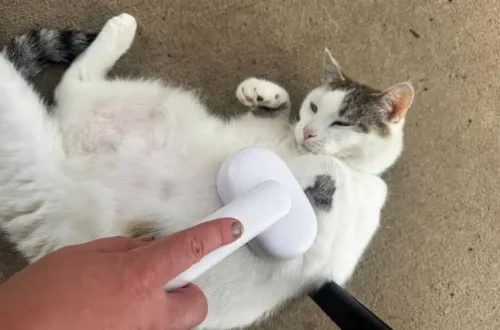
Grooming
Short-haired cats
Brush once each week to remove loose hair.
Long-haired cats
Brush several times each week to prevent tangles and mats.
Regular grooming also helps distribute natural oils and keeps the coat healthy.
Exercise
Daily activity supports physical and mental well-being.
Provide:
- Cat trees
- Feather toys
- Scratching posts
- Interactive games
- Puzzle feeders
Aim for at least 20–30 minutes of active play every day.
Routine Health Care
Schedule regular veterinary visits for:
- Wellness exams
- Vaccinations
- Dental care
- Parasite prevention
- Weight monitoring
Routine care helps your cat enjoy a long and healthy life.
Choosing the Right Tortie for Your Lifestyle
Since this beautiful coat pattern appears in many different breeds, choosing the right cat should be based on temperament, grooming requirements, activity level, and your daily routine rather than color alone.
Before bringing one home, think about:
- Your home size
- Experience with cats
- Time for grooming
- Activity level
- Presence of children or other pets
- Monthly pet-care budget
Finding a cat whose personality matches your lifestyle is the best way to build a lasting bond.
Best Choices for Families
Many cats with tortoiseshell coloring make excellent family companions.
Popular choices include:
- Maine Coon
- Siberian
- British Shorthair
- American Shorthair
- Domestic Shorthair
- Ragamuffin
These breeds are generally affectionate, adaptable, and enjoy spending time with people.
Best for Apartment Living
Apartment living works well for many breeds that display this coat pattern.
Some excellent choices include:
- British Shorthair
- Exotic Shorthair
- Persian
- Scottish Fold
- Devon Rex
- Cornish Rex
Keep indoor cats mentally stimulated with:
- Cat trees
- Window perches
- Interactive toys
- Puzzle feeders
- Scratching posts
Best for First-Time Cat Owners
If you’re adopting your first cat, look for breeds known for being friendly and easy to care for.
Good options include:
- Domestic Shorthair
- American Shorthair
- British Shorthair
- Exotic Shorthair
- Ragamuffin
These breeds usually adapt well to new homes and have manageable grooming needs.
Best for Seniors
Older adults often appreciate calm, affectionate companions.
Suitable breeds include:
- Persian
- British Shorthair
- Ragamuffin
- Exotic Shorthair
- Scottish Fold
These cats typically enjoy quiet indoor environments while still appreciating gentle playtime.
Adoption vs. Buying
Whether you adopt or buy, responsible pet ownership should always come first.
Adoption
Animal shelters and rescue organizations often have beautiful torties looking for loving homes.
Benefits of adoption include:
- Lower adoption costs
- Many cats are already vaccinated
- Spaying or neutering is often included
- Adult personalities are easier to evaluate
- You provide a second chance to a deserving pet
Buying From a Responsible Breeder
If you’re interested in a specific breed that commonly has this coat pattern, choose a reputable breeder.
A responsible breeder should:
- Perform health testing
- Provide veterinary records
- Raise kittens in a clean environment
- Begin early socialization
- Answer questions honestly
- Offer ongoing guidance
Avoid breeders who cannot verify the health and background of their kittens.
Pros and Cons
Every cat is unique, but there are some general advantages and responsibilities to consider.
Pros
- Beautiful one-of-a-kind coat pattern
- Found in many wonderful breeds
- Intelligent and curious
- Loving companions
- Suitable for families and singles
- Available in both short- and long-haired varieties
- Adapt well to indoor living
- Wide variety of personalities
- Every coat is completely unique
- Can form strong bonds with their owners
Cons
- Long-haired breeds require frequent brushing
- Coat pattern does not predict personality
- Some breeds are more active than others
- Routine veterinary care is essential
- Grooming needs vary by breed
- Mental stimulation is important
- White or lighter patches may show dirt more easily
- Some breeds have inherited health conditions
- Regular exercise helps prevent obesity
- Every cat has its own individual temperament
Final Verdict
The tortoiseshell cat is admired for its remarkable coat pattern, rich colors, and unique appearance. Rather than being a separate breed, it is a naturally occurring color pattern found in many purebred and mixed-breed cats.
From the gentle British Shorthair to the playful Maine Coon and the affectionate Domestic Shorthair, these cats come in many sizes, coat lengths, and personalities. While many owners talk about “tortitude,” temperament is influenced far more by genetics, breed, environment, and early socialization than by coat color alone.
Whether you choose a traditional or dilute tortoiseshell cat, providing proper nutrition, regular veterinary care, grooming, exercise, and affection will help your feline companion enjoy a long, healthy, and happy life.
Frequently Asked Questions (FAQs)
1. What is a tortoiseshell cat?
A tortoiseshell cat is a domestic cat with a distinctive coat pattern that blends black and orange shades, usually with little or no white fur.
2. Is a tortie a breed?
No. A tortie is a coat pattern that appears in many different breeds and mixed-breed cats.
3. Why are almost all torties female?
The genes responsible for orange and black fur are located on the X chromosome. Female cats have two X chromosomes, allowing both colors to appear in the coat.
4. Can male torties exist?
Yes, but they are extremely rare. Most have an uncommon XXY chromosome combination and are usually infertile.
5. What is “tortitude”?
“Tortitude” is a popular nickname describing the bold, confident personality many owners associate with torties. However, personality varies by individual cat.
6. Are torties friendly?
Yes. Many are affectionate, playful, and loyal companions when properly socialized.
7. What is a dilute tortoiseshell cat?
A dilute tortie has softer pastel colors, such as blue-gray and cream, instead of black and bright orange.
8. What’s the difference between a tortie and a calico?
Torties usually have blended black and orange colors with little white, while calicos have large patches of black, orange, and white.
9. Which breeds can have this coat pattern?
Common examples include the Maine Coon, Persian, British Shorthair, Siberian, Japanese Bobtail, Domestic Shorthair, and American Shorthair.
10. Are torties rare?
The coat pattern itself is not rare, but male torties are exceptionally uncommon.
11. How long do they live?
Most healthy domestic cats live 12–18 years, and many live beyond 20 years with excellent care.
12. Do they shed?
Shedding depends on the breed and coat length rather than the coat pattern itself.
13. Are they good family pets?
Yes. Many breeds with tortie coloring are gentle, affectionate, and adapt well to family life.
14. Should I adopt one?
Absolutely. Many shelters have wonderful torties waiting for loving homes, and adoption gives a deserving cat a second chance.
15. Are torties good indoor cats?
Yes. Indoor living helps protect cats from traffic, predators, disease, and other outdoor hazards while supporting a longer lifespan.