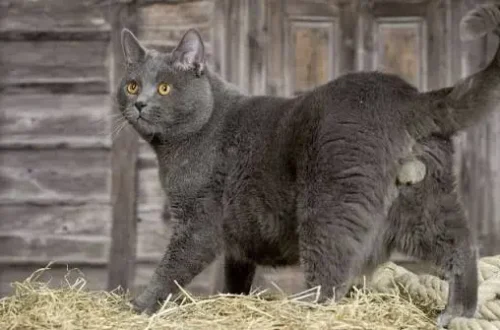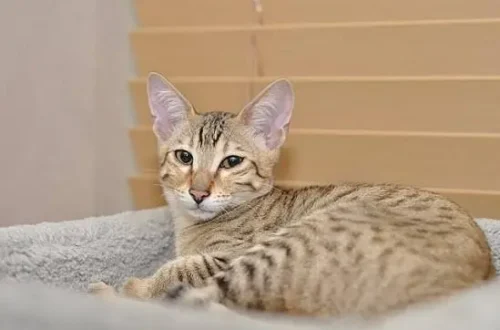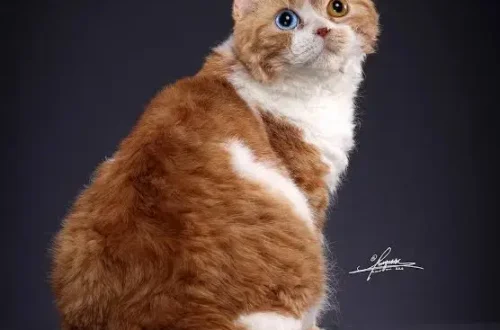

Maine Coon Cat
Introduction
The Maine Coon Cat is one of the largest and most admired domestic cat breeds in the world. Often referred to as the “Gentle Giant,” this remarkable breed is famous for its impressive size, luxurious shaggy coat, bushy tail, tufted ears, and affectionate personality. Despite its large appearance, the Maine Coon is gentle, friendly, and highly social, making it one of the best family cats available today.
Unlike many independent cat breeds, Maine Coons enjoy spending time with their owners. They are known for following family members around the house, greeting visitors at the door, and participating in daily activities. Their dog-like personality, intelligence, and playful nature have made them a favorite among cat lovers for generations.
One of the breed’s most appealing qualities is its adaptability. Whether you live in a spacious house or a well-equipped apartment, a Maine Coon can thrive as long as it receives enough exercise, attention, and mental stimulation. They generally get along well with children, other cats, and even dogs, making them excellent companions for multi-pet households.
Besides their friendly personality, Maine Coons are admired for their striking appearance. Their muscular bodies, long flowing coats, and expressive eyes give them a majestic look that is difficult to overlook. They also come in a wide variety of beautiful colors and patterns, including the popular Black Maine Coon Cat, brown tabby, silver, blue, cream, and many others.
In this complete guide, you’ll learn everything you need to know about the Maine Coon Cat, including its history, size, personality, grooming needs, health, lifespan, Maine Coon cat price, and how to decide if this gentle giant is the right companion for your home.
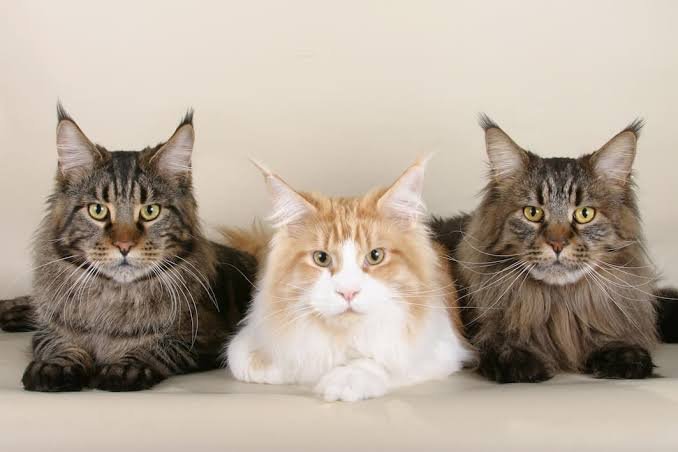
Maine Coon Cat Overview
| Feature | Details |
|---|---|
| Breed Name | Maine Coon Cat |
| Origin | Maine, United States |
| Breed Type | Purebred |
| Size | Large to Giant |
| Weight | 10–25 pounds |
| Height | 10–16 inches |
| Length | Up to 40 inches |
| Lifespan | 12–15 years |
| Coat Type | Long, shaggy, water-resistant |
| Shedding | Moderate to Heavy |
| Grooming | Moderate |
| Personality | Gentle, affectionate, intelligent |
| Energy Level | Moderate |
| Intelligence | High |
| Family Friendly | Excellent |
| Apartment Friendly | Yes, with enough space |
| Good With Children | Excellent |
| Good With Dogs | Excellent |
| Vocal Level | Moderate |
History and Origin of the Maine Coon Cat
The Maine Coon Cat is one of the oldest natural cat breeds in North America. As its name suggests, the breed originated in the state of Maine, where it became well known for its strength, intelligence, and ability to survive harsh winters.
Although the exact origin of the Maine Coon remains uncertain, several fascinating stories have been passed down over the years.
One popular legend claims that the breed descended from long-haired cats owned by Marie Antoinette, while another myth suggests they are the offspring of domestic cats and raccoons. Although these stories are entertaining, they are not scientifically possible.
Most experts believe the Maine Coon developed naturally by breeding between local short-haired cats and long-haired cats brought to North America by sailors from Europe. Over many generations, natural selection helped create a breed perfectly adapted to the cold climate of New England.
Their thick, water-resistant coat, large tufted paws, and bushy tail all helped them survive snowy winters. Farmers valued Maine Coons because they were excellent hunters capable of controlling rodent populations in barns and homes.
By the late 1800s, Maine Coons had become popular competitors at early American cat shows. Although their popularity declined for a period after the introduction of exotic long-haired breeds like the Persian, dedicated breeders worked hard to preserve the breed.
Today, organizations such as the Cat Fanciers’ Association (CFA) and The International Cat Association (TICA) officially recognize the Maine Coon Cat, and it consistently ranks among the world’s most popular pedigree cats.
Maine Coon Cat Appearance
The Maine Coon Cat has one of the most distinctive appearances of any domestic cat. Its impressive size, muscular body, luxurious coat, and expressive face create an unforgettable first impression.
Every part of the Maine Coon’s body reflects its heritage as a hardy working cat developed to withstand cold northern winters.
Body Structure
The Maine Coon has a powerful, rectangular body with solid muscles and heavy bone structure.
Typical physical features include:
- Broad chest
- Long muscular body
- Strong shoulders
- Large paws
- Thick legs
- Long fluffy tail
- Heavy bone structure
Unlike many other breeds, Maine Coons continue developing for several years before reaching full maturity.
Head Shape
The head is slightly longer than it is wide and features:
- High cheekbones
- Strong square muzzle
- Firm chin
- Broad forehead
- Large nose
These characteristics give the breed its confident and intelligent expression.
Ears
One of the breed’s most recognizable features is its large ears.
Maine Coons typically have:
- Tall ears
- Wide base
- Lynx-like ear tips
- Long ear furnishings
These ear tufts not only add to their wild appearance but also helped protect the ears from harsh winter weather.
Eyes
Maine Coons have large, expressive eyes that contribute to their gentle appearance.
Eye colors may include:
- Gold
- Green
- Copper
- Blue (usually in white cats)
- Odd-eyed (rare)
Their slightly oval eyes give them an alert yet friendly expression.
Tail
The Maine Coon’s long, bushy tail is one of its defining characteristics.
In cold climates, these cats often wrap their fluffy tails around their bodies for warmth while resting.
Maine Coon Cat Size
One of the biggest reasons people fall in love with the Maine Coon Cat is its incredible size.
It is widely recognized as one of the largest domestic cat breeds in the world.
Adult males are usually much larger than females and can appear almost twice as big.
Average Size
| Gender | Weight | Height |
|---|---|---|
| Male | 13–25 pounds | 10–16 inches |
| Female | 8–18 pounds | 8–14 inches |
Some exceptional males may weigh more than 25 pounds while remaining healthy and lean.
Unlike most domestic cats, which mature in about one year, Maine Coons grow slowly and typically reach their full size between 3 and 5 years of age.
This slow development contributes to their impressive adult stature.
How Big Can a Maine Coon Get?
A fully grown Maine Coon can measure up to 40 inches (102 cm) from the tip of the nose to the end of the tail.
Their combination of:
- Long body
- Thick coat
- Large paws
- Heavy muscles
- Bushy tail
creates the appearance of an even larger cat.
Despite their size, Maine Coons are graceful, athletic, and surprisingly agile.
Maine Coon Cat Colors
The Maine Coon is available in an incredible variety of coat colors and patterns. Major cat registries recognize dozens of color combinations, giving prospective owners plenty of options.
Popular colors include:
Brown Tabby
The classic Maine Coon look, featuring bold stripes and rich brown coloring.
Black Maine Coon Cat
The Black Maine Coon Cat is one of the breed’s most striking color variations. Its glossy black coat highlights the breed’s muscular build and luxurious fur, giving it an elegant and majestic appearance.
Although solid black Maine Coons are less common than brown tabbies, they are highly sought after by many cat enthusiasts.
Their eye color is often gold, copper, or green, creating a beautiful contrast with their dark coat.
White Maine Coon
Elegant white coats paired with blue, green, gold, or odd-colored eyes make these cats especially eye-catching.
Blue Maine Coon
The “blue” coat is actually a soft gray with a bluish tint that gives the cat a refined appearance.
Red Maine Coon
These cats display vibrant orange or reddish coats, often accompanied by tabby markings.
Cream Maine Coon
Cream-colored Maine Coons have pale, warm coats that create a soft and elegant look.
Silver Maine Coon
Silver Maine Coons feature shimmering coats with dark tipping that creates a striking metallic appearance.
Smoke Maine Coon
Smoke-colored cats appear dark until the coat moves, revealing a much lighter undercoat beneath.
Tortoiseshell and Calico
Female Maine Coons commonly display beautiful tortoiseshell or calico color combinations that make each cat unique.
Maine Coon Cat Personality
The Maine Coon Cat has earned the nickname “Gentle Giant” because of its friendly, patient, and affectionate personality.
Despite their impressive size, these cats are remarkably gentle with people and are known for forming strong bonds with their families.
Common personality traits include:
- Friendly
- Loyal
- Intelligent
- Curious
- Gentle
- Patient
- Playful
- Confident
- Adaptable
Unlike some independent breeds, Maine Coons often enjoy following their owners from room to room, quietly observing daily activities without becoming overly demanding.
Intelligence
Maine Coons are among the most intelligent domestic cat breeds.
They quickly learn:
- Household routines
- Feeding schedules
- Interactive games
- Puzzle toys
- Basic commands
- Fetch
- Harness walking
Their curiosity and problem-solving abilities make them excellent candidates for clicker training and enrichment activities.
Activity Level
Although Maine Coons are calm indoors, they enjoy regular play and exercise.
Favorite activities include:
- Climbing cat trees
- Chasing feather toys
- Puzzle feeders
- Fetch games
- Window watching
- Exploring new environments
Providing daily mental and physical stimulation helps keep them healthy and prevents boredom.
Family Compatibility
One of the Maine Coon’s greatest strengths is its adaptability to family life.
They generally get along exceptionally well with:
- Children
- Other cats
- Friendly dogs
- Visitors
- Seniors
- First-time cat owners
Their patient temperament and playful nature make them one of the best cat breeds for households with multiple family members.
Although they appreciate space because of their large size, they can also adapt well to apartment living if provided with plenty of climbing opportunities, scratching posts, toys, and regular interaction.
Maine Coon Cat Grooming
Although the Maine Coon Cat has a long, luxurious coat, it is surprisingly easier to maintain than many other long-haired breeds. Unlike the Persian Cat‘s coat, the Maine Coon’s coat is silky and less likely to mat because of its natural texture. However, regular grooming is still essential to keep the coat healthy, reduce shedding, and prevent tangles.
A consistent grooming routine also allows owners to check for skin problems, parasites, or other health concerns before they become serious.
Brushing
Brushing your Maine Coon 2–3 times per week is usually enough to keep its coat in excellent condition.
During seasonal shedding periods in spring and fall, more frequent brushing may be needed.
Regular brushing helps:
- Remove loose fur
- Prevent knots and tangles
- Reduce shedding around the home
- Minimize hairballs
- Distribute natural skin oils
- Keep the coat soft and shiny
A stainless-steel comb followed by a slicker brush works well for most Maine Coons.
Pay extra attention to areas where mats commonly develop, including:
- Behind the ears
- Under the front legs
- Belly
- Hind legs
- Around the tail
Bathing
Unlike many cats, Maine Coons often tolerate water surprisingly well. Some even enjoy playing with running water or joining their owners in the bathroom.
Bathing every 6 to 8 weeks helps:
- Remove dirt and excess oils
- Keep the coat fluffy
- Reduce shedding
- Prevent unpleasant odors
Always use a shampoo designed specifically for cats and dry the coat thoroughly after bathing to avoid skin irritation.
Nail Trimming
Trim your Maine Coon’s nails every 2 to 4 weeks.
Regular nail care:
- Prevents overgrown claws
- Protects furniture
- Reduces accidental scratches
- Improves comfort while walking and climbing
Providing scratching posts also helps maintain healthy claws.
Ear Cleaning
Check the ears every few weeks for wax buildup or debris.
Healthy ears should be:
- Clean
- Odor-free
- Light pink inside
Use only veterinarian-approved ear cleaners when necessary.
Dental Care
Dental health is an important but often overlooked part of Maine Coon care.
Good dental hygiene includes:
- Brushing teeth several times each week
- Offering dental treats or toys
- Scheduling regular veterinary dental examinations
- Watching for bad breath or difficulty chewing
Proper dental care helps prevent gum disease and tooth loss later in life.
Maine Coon Coat Maintenance
The Maine Coon’s coat was naturally developed to protect the breed from cold winters.
Its water-resistant outer coat and soft undercoat require ongoing maintenance but are generally less demanding than the coats of many other long-haired breeds.
Seasonal Shedding
Maine Coons shed throughout the year, with heavier shedding usually occurring during spring and autumn.
Increasing brushing during these seasons helps:
- Reduce loose hair
- Prevent mats
- Minimize hairballs
- Keep your home cleaner
Hairballs
Because Maine Coons groom themselves frequently, they naturally swallow loose fur.
Owners can reduce hairballs by:
- Brushing regularly
- Feeding high-quality food
- Encouraging hydration
- Using veterinarian-approved hairball diets if needed
Preventing Mats
Although their coat resists matting better than some long-haired breeds, knots can still develop if grooming is neglected.
Regular brushing is the simplest way to prevent painful mats from forming.
Maine Coon Cat Diet and Nutrition
A balanced diet is essential for maintaining the Maine Coon’s muscular body, healthy joints, and luxurious coat.
These large cats require high-quality nutrition throughout every stage of life.
A healthy Maine Coon diet should include:
- High-quality animal protein
- Healthy fats
- Omega-3 and Omega-6 fatty acids
- Vitamins and minerals
- Fresh drinking water at all times
Choose food appropriate for your cat’s age, activity level, and health needs.
Because Maine Coons continue growing for several years, kittens often require specially formulated large-breed kitten food to support healthy bone and muscle development.
Foods to Avoid
Never feed your Maine Coon:
- Chocolate
- Onions
- Garlic
- Grapes
- Raisins
- Alcohol
- Caffeine
- Cooked bones
- Xylitol (artificial sweetener)
These foods can be dangerous or even toxic to cats.
Exercise Needs
Despite their calm personality, Maine Coons are active and playful cats.
Daily exercise helps:
- Maintain a healthy weight
- Strengthen muscles
- Protect joints
- Prevent boredom
- Reduce destructive behavior
Great enrichment activities include:
- Cat trees
- Feather wand toys
- Puzzle feeders
- Interactive laser toys
- Fetch games
- Climbing shelves
- Cat tunnels
Many Maine Coons also enjoy learning to walk on a harness and leash.
Aim for 20–30 minutes of interactive play each day.
Maine Coon Cat Health
The Maine Coon is generally a healthy breed, but like all purebred cats, it has certain inherited health risks.
Choosing a responsible breeder who performs genetic testing can greatly reduce the likelihood of hereditary diseases.
Hypertrophic Cardiomyopathy (HCM)
One of the most significant health concerns in Maine Coons is Hypertrophic Cardiomyopathy (HCM).
This inherited heart disease causes the heart muscle to become abnormally thick, making it harder for the heart to pump blood effectively.
Symptoms may include:
- Difficulty breathing
- Fatigue
- Reduced activity
- Sudden collapse in severe cases
Responsible breeders screen breeding cats for HCM whenever possible.
Hip Dysplasia
Because of their large size, Maine Coons are more likely than many breeds to develop hip dysplasia.
This condition affects the hip joints and may cause:
- Stiffness
- Difficulty jumping
- Limping
- Reduced mobility
Maintaining a healthy weight helps reduce stress on the joints.
Spinal Muscular Atrophy (SMA)
Spinal Muscular Atrophy is an inherited neurological condition occasionally seen in Maine Coons.
Affected cats may show:
- Muscle weakness
- Unsteady walking
- Reduced coordination
Although the condition is not usually painful, responsible breeders perform DNA testing to reduce its occurrence.
Dental Disease
Without regular dental care, Maine Coons can develop:
- Plaque buildup
- Gingivitis
- Tooth decay
- Gum disease
Routine brushing and professional dental cleanings help maintain good oral health.
Obesity
Because Maine Coons love food and continue growing for several years, portion control is important.
Excess weight increases the risk of:
- Joint problems
- Diabetes
- Heart disease
- Reduced lifespan
A balanced diet combined with daily exercise helps keep them fit.
Joint Health
Large breeds place more stress on their joints throughout life.
Providing:
- High-quality nutrition
- Regular exercise
- Healthy body weight
- Comfortable resting areas
can help support long-term mobility.
Maine Coon Cat Lifespan
With proper nutrition, regular veterinary care, and a healthy lifestyle, Maine Coon Cats typically live between 12 and 15 years.
Some individuals live 16 years or longer, especially when they receive:
- Preventive veterinary care
- Quality nutrition
- Daily exercise
- Good dental care
- Proper weight management
Are Maine Coon Cats Hypoallergenic?
No. Maine Coon Cats are not hypoallergenic.
Like all cats, they produce the Fel d 1 protein, the primary allergen responsible for cat allergies.
Because they have long coats and shed moderately throughout the year, allergens may spread through loose fur and dander.
People with allergies should spend time with a Maine Coon before adopting one to determine how they react.
Maine Coon Cat Price
One of the most frequently searched questions is, “How much is a Maine Coon Cat?”
The Maine Coon cat price varies depending on several factors, including the breeder’s reputation, pedigree, location, coat color, and whether the kitten is intended as a pet or for breeding and show purposes.
Typical price ranges include:
- Pet-quality Maine Coon kittens: $1,000–$2,500
- Show-quality Maine Coons: $2,500–$5,000+
- Rare bloodlines or exceptional pedigrees may cost considerably more.
Black Maine Coon Cat Price
A Black Maine Coon Cat is admired for its sleek, elegant appearance. While coat color alone does not always determine price, solid black kittens from high-quality bloodlines may sometimes command premium prices due to strong demand.
Ongoing Ownership Costs
Beyond the initial purchase price, owners should budget for ongoing expenses, including:
- Premium cat food
- Routine veterinary visits
- Vaccinations
- Grooming tools
- Pet insurance (optional)
- Litter and litter boxes
- Large scratching posts
- Oversized cat trees
- Toys and enrichment
Because Maine Coons are one of the largest domestic cat breeds, they often require larger supplies than average-sized cats.
Buying vs Adoption
If you’re ready to bring home a Maine Coon, you have two primary options.
Buying from a Breeder
Purchasing from a reputable breeder allows you to:
- Learn about the kitten’s parents
- Review genetic health testing
- Receive vaccination records
- Understand the kitten’s pedigree and temperament
Adoption
Many Maine Coons and Maine Coon mixes are available through rescue organizations and shelters.
Adopting a cat provides a loving home for an animal in need and is often less expensive than purchasing from a breeder.
Choosing a Responsible Breeder
A responsible breeder should:
- Perform genetic health testing for HCM and SMA
- Raise kittens in a clean, family environment
- Provide veterinary records
- Answer questions honestly
- Allow you to meet the kittens and, when possible, their parents
- Offer ongoing support after adoption
Avoid purchasing kittens from pet mills, online scams, or sellers who cannot provide proper health documentation.
Pros and Cons of Owning a Maine Coon Cat
The Maine Coon Cat is one of the most loved cat breeds in the world, but every breed has its own strengths and challenges. Understanding both the advantages and responsibilities of ownership will help you determine whether this gentle giant is the right fit for your home.
Pros
- One of the friendliest cat breeds
- Gentle and affectionate personality
- Excellent with children
- Usually gets along well with dogs and other cats
- Highly intelligent and easy to train
- Enjoys interactive play and puzzle toys
- Beautiful long, water-resistant coat
- Strong, healthy build
- Long lifespan with proper care
- Loyal companion with a dog-like personality
Cons
- Requires regular brushing and grooming
- Heavy seasonal shedding
- Needs plenty of space for climbing and exercise
- Eats more than average-sized cats
- Large supplies (cat trees, beds, litter boxes) can be expensive
- May develop inherited health conditions such as HCM or hip dysplasia
- Premium kittens can be costly
- Slow growth means kitten care lasts several years
- Requires daily interaction and mental stimulation
- Monthly care costs are generally higher than for smaller breeds
Maine Coon Cat vs Siberian Cat
The Maine Coon and Siberian are both large, long-haired breeds with friendly personalities, but they have several important differences.
| Feature | Maine Coon Cat | Siberian Cat |
|---|---|---|
| Origin | United States | Russia |
| Size | Very Large | Large |
| Weight | 10–25 lbs | 8–17 lbs |
| Coat | Long, shaggy, water-resistant | Triple coat |
| Personality | Friendly, social, playful | Gentle, affectionate, calm |
| Energy Level | Moderate | Moderate to High |
| Grooming | Moderate | Moderate |
| Intelligence | High | High |
| Family Friendly | Excellent | Excellent |
The Maine Coon is generally larger and more outgoing, while the Siberian often has a slightly more independent personality.
Maine Coon Cat vs Norwegian Forest Cat
These two breeds share a similar forest-cat appearance, but they developed in different parts of the world.
| Feature | Maine Coon Cat | Norwegian Forest Cat |
|---|---|---|
| Origin | United States | Norway |
| Body Shape | Rectangular | Triangular |
| Head Shape | Square muzzle | Triangle-shaped head |
| Coat | Shaggy | Thick double coat |
| Tail | Very bushy | Very bushy |
| Personality | Social and playful | Calm and independent |
| Maturity | 3–5 years | 4–5 years |
Both breeds are excellent family companions, but the Maine Coon tends to be more people-oriented and interactive.
Maine Coon Cat vs Ragdoll
The Maine Coon and Ragdoll are among the most popular large cat breeds.
| Feature | Maine Coon Cat | Ragdoll |
|---|---|---|
| Size | Very Large | Large |
| Coat | Shaggy | Silky |
| Eye Colors | Various | Blue only |
| Activity Level | Moderate | Low to Moderate |
| Personality | Curious and playful | Relaxed and affectionate |
| Intelligence | High | High |
| Grooming | Moderate | Moderate |
If you want an active cat that enjoys climbing and interactive play, the Maine Coon is an excellent choice. If you prefer a relaxed lap cat, the Ragdoll may better suit your lifestyle.
Is a Maine Coon Cat Right for You?
The Maine Coon is an excellent companion for many households, but its size, grooming needs, and long-term care should be considered before bringing one home.
A Maine Coon Cat may be the perfect choice if you:
- Want a large, affectionate companion
- Enjoy interactive play with your pet
- Have enough space for a large cat
- Can provide regular grooming
- Want a cat that gets along with children and dogs
- Are looking for a long-term family companion
A Maine Coon may not be the best choice if you:
- Prefer a low-maintenance pet
- Have very limited living space without climbing opportunities
- Are away from home for long periods every day
- Cannot commit to regular grooming
- Are looking for a quiet cat that prefers to be left alone
Choosing a breed that matches your lifestyle is one of the best ways to ensure both you and your cat enjoy a happy life together.
Final Verdict
The Maine Coon Cat has earned its reputation as one of the world’s most beloved cat breeds. Its impressive size, luxurious coat, friendly personality, and remarkable intelligence make it a favorite among families, singles, and experienced cat owners alike.
Despite being one of the largest domestic cat breeds, the Maine Coon is known for its gentle temperament and affectionate nature. It forms strong bonds with its family, enjoys interactive play, and adapts well to homes with children, other cats, and even dogs.
Although Maine Coons require regular grooming, proper nutrition, and routine veterinary care, their loving personality and loyal companionship make the extra effort worthwhile. Their playful spirit, curiosity, and calm confidence allow them to fit into many different lifestyles.
Whether you’re interested in a classic brown tabby or a striking Black Maine Coon Cat, choosing a healthy kitten from a responsible breeder—or adopting from a rescue organization—will give you the best start to a long and rewarding relationship.
If you’re looking for a beautiful, intelligent, and affectionate feline companion, the Maine Coon Cat is truly one of the finest choices among all domestic cat breeds.
Frequently Asked Questions (FAQs)
1. What is a Maine Coon Cat?
A Maine Coon Cat is one of the largest domestic cat breeds, known for its muscular body, shaggy coat, tufted ears, bushy tail, and friendly “gentle giant” personality.
2. Why are Maine Coon Cats so big?
Maine Coons developed naturally in the cold climate of Maine, USA. Their large size, thick coat, and strong muscles helped them survive harsh winters and work as skilled hunters.
3. How much is a Maine Coon Cat?
If you’re wondering how much is a Maine Coon Cat, prices generally range from $1,000 to $2,500 for pet-quality kittens. Show-quality cats and exceptional bloodlines can cost $2,500 to $5,000 or more.
4. What is the average Maine Coon cat price?
The Maine Coon cat price depends on pedigree, breeder reputation, location, and coat quality. Adoption is usually much more affordable than purchasing from a breeder.
5. Are Maine Coon Cats good family pets?
Yes. Maine Coons are affectionate, patient, and gentle, making them excellent companions for families with children and other pets.
6. Do Maine Coon Cats shed a lot?
Yes. They shed moderately throughout the year, with heavier shedding during seasonal coat changes. Brushing several times a week helps manage loose fur.
7. Are Maine Coon Cats hypoallergenic?
No. Maine Coon Cats are not hypoallergenic because they produce the Fel d 1 allergen found in saliva and skin cells.
8. How long do Maine Coon Cats live?
With proper care, Maine Coon Cats typically live 12 to 15 years, although some healthy individuals live beyond 16 years.
9. Are Black Maine Coon Cats rare?
Solid Black Maine Coon Cats are less common than brown tabbies but are not considered extremely rare. Their striking appearance makes them especially popular among cat lovers.
10. Do Maine Coon Cats like water?
Many Maine Coons enjoy water more than the average cat. Some like playing with running faucets or even joining their owners during bath time.
11. Are Maine Coon Cats good with dogs?
Yes. Their friendly and confident personality allows many Maine Coons to live peacefully with well-socialized dogs when introduced properly.
12. How often should you groom a Maine Coon Cat?
Most Maine Coons benefit from brushing two to three times per week, with more frequent grooming during heavy shedding seasons.
13. What health problems are common in Maine Coon Cats?
Common health concerns include Hypertrophic Cardiomyopathy (HCM), Hip Dysplasia, Spinal Muscular Atrophy (SMA), obesity, and dental disease.
14. Are Maine Coon Cats good for first-time owners?
Yes. Their friendly nature, intelligence, and adaptable personality make them an excellent choice for first-time cat owners who are prepared for their grooming and care needs.
15. Should I adopt or buy a Maine Coon Cat?
Both are good options. Buying from a responsible breeder provides health records and pedigree information, while adoption offers a loving home to a cat in need and is often more affordable.