

Introduction
The Siberian Cat and the Norwegian Forest Cat are two of the world’s most beautiful natural cat breeds. Both are famous for their luxurious long coats, muscular bodies, and impressive ability to survive harsh winters. Their similar appearance often causes people to confuse one breed with the other, but they have distinct histories, personalities, and care requirements.
These magnificent cats evolved naturally in cold climates, developing thick weather-resistant coats, strong bodies, and excellent climbing abilities. While they share many characteristics, they also have important differences that can influence which breed is better suited to your home and lifestyle.
If you’re trying to decide between a Siberian Cat or Norwegian Forest Cat, this detailed comparison will explore everything you need to know, including their origin, appearance, size, temperament, grooming needs, health, and everyday care. By the end of this guide, you’ll have a clear understanding of which breed best matches your expectations.
Quick Comparison: Siberian Cat vs Norwegian Forest Cat
| Feature | Siberian Cat | Norwegian Forest Cat |
|---|---|---|
| Origin | Russia | Norway |
| Breed Type | Natural breed | Natural breed |
| Size | Medium to large | Large |
| Body Build | Muscular and rounded | Long and powerful |
| Coat | Dense triple coat | Thick double coat |
| Eye Shape | Large and rounded | Almond-shaped |
| Head Shape | Rounded | Triangular |
| Grooming | Moderate | Moderate to High |
| Shedding | Seasonal | Seasonal to Heavy |
| Intelligence | Very High | High |
| Energy Level | High | Moderate |
| Family Friendly | Excellent | Excellent |
| Good With Children | Yes | Yes |
| Good With Other Pets | Yes | Yes |
| Average Lifespan | 12–18+ years | 13–16 years |
Although they may look alike at first glance, each breed has unique physical features and personality traits that make it special.
Breed Origins
The history of these two breeds explains why they developed such thick coats and strong physiques.
Siberian Cat Origin
The Siberian Cat originated in the forests of Russia, where freezing winters and snowy landscapes shaped the breed over hundreds of years.
Instead of being created through selective breeding, Siberians evolved naturally. Only the strongest and healthiest cats survived the harsh climate, leading to a breed with remarkable strength, endurance, and adaptability.
Their dense triple coat protected them from snow and freezing temperatures, while their muscular bodies made them skilled climbers and hunters.
Today, the Siberian remains one of the oldest natural cat breeds in the world.
Siberian Cat vs Norwegian Forest Cat; Norwegian Forest Cat Origin
The Norwegian Forest Cat, often called the “Wegie,” developed naturally in the forests of Norway.
According to Scandinavian history and folklore, these cats lived alongside Viking communities for centuries. They were valued for controlling rodent populations on farms, ships, and rural settlements.
Like the Siberian, the Norwegian Forest Cat adapted to extremely cold winters by developing:
- A thick weather-resistant coat
- Powerful legs
- Large tufted paws
- Excellent climbing skills
Its rugged appearance reflects generations of survival in Norway’s forests and mountainous landscapes.
Appearance Comparison
Although both breeds are large, fluffy forest cats, several physical features make them easy to distinguish.
Siberian Cat Appearance
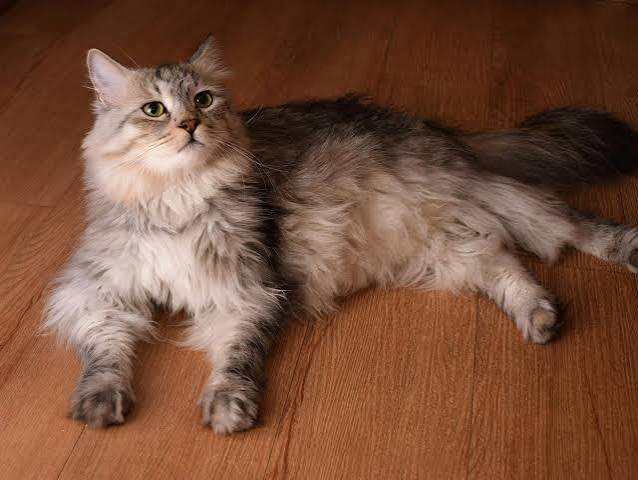
The Siberian has a compact yet muscular appearance.
Typical characteristics include:
- Rounded head
- Broad forehead
- Medium-sized ears
- Large rounded eyes
- Powerful muscular body
- Rounded paws
- Thick bushy tail
- Dense triple coat
Its soft facial features give the Siberian a warm, gentle expression.
Norwegian Forest Cat Appearance
Siberian Cat vs Norwegian Forest Cat. The Norwegian Forest Cat has a more angular and rugged appearance.
Common features include:
- Triangular head
- Straight nose
- Large almond-shaped eyes
- Large ears with lynx-like tufts
- Long muscular body
- Long legs
- Large tufted paws
- Long flowing tail
- Thick double coat
Its wild appearance reflects its natural heritage as a mountain and forest cat.
Siberian Cat vs Norwegian Forest Cat Size
One of the most common questions is:
Which breed is larger?
The answer depends on whether you’re comparing weight, body shape, or overall length.
While both are considered large cats, the Norwegian Forest Cat generally has a longer body and taller frame.
The Siberian Cat, however, often feels heavier because of its compact, muscular build.
| Measurement | Siberian Cat | Norwegian Forest Cat |
| Height | Medium to Large | Large |
| Weight | Medium to Large | Large |
| Body Shape | Compact and muscular | Long and athletic |
| Growth Rate | Slow | Slow |
| Full Maturity | 3–5 years | 4–5 years |
Both breeds mature much more slowly than most domestic cats, often taking several years to reach their full adult size.
Coat Comparison
Their thick coats are one of the biggest reasons people confuse these two breeds.
However, their coat structure is actually quite different.
Siberian Triple Coat
The Siberian has a naturally dense triple coat consisting of:
- Protective guard hairs
- Insulating middle layer
- Thick undercoat
This three-layer coat helps the breed stay warm during freezing Russian winters while also resisting water and snow.
Despite its thickness, the Siberian’s coat is surprisingly resistant to matting when brushed regularly.
Norwegian Forest Double Coat
The Norwegian Forest Cat has a double coat.
It includes:
- A long, glossy outer coat
- A dense woolly undercoat
The outer coat naturally repels rain and snow, while the undercoat provides insulation during cold weather.
The fur is particularly long around the neck, chest, and hindquarters, creating the breed’s impressive mane and fluffy appearance.
Shedding Comparison
Both breeds experience seasonal shedding as they prepare for warmer or colder weather.
Siberian Cat
The Siberian sheds most heavily during spring and autumn.
During these seasonal changes, owners should expect:
- Large amounts of loose undercoat
- More frequent brushing
- Increased hairballs
Outside shedding seasons, coat maintenance is generally easier.
Norwegian Forest Cat
The Norwegian Forest Cat also sheds seasonally but may appear to shed more because of its longer outer coat.
Regular brushing helps:
- Remove loose fur
- Prevent tangles
- Reduce hairballs
- Keep the coat healthy
Which Breed Sheds More?
Neither breed is considered low-shedding.
However:
- Siberians typically experience dramatic seasonal coat changes.
- Norwegian Forest Cats often produce more visible loose hair because of their long outer coat.
Routine grooming is essential for both breeds, especially during spring and autumn.
Personality Comparison
Although they share a forest-cat heritage, their personalities are noticeably different.
Siberian Cat Personality
The Siberian Cat is energetic, curious, and highly interactive.
Many Siberians enjoy:
- Climbing tall furniture
- Solving puzzle toys
- Playing fetch
- Following family members
- Learning tricks
- Exploring every corner of the home
They thrive in homes where they receive plenty of attention and mental stimulation.
Norwegian Forest Cat Personality
The Norwegian Forest Cat is generally calmer and more independent.
Common personality traits include:
- Gentle
- Friendly
- Patient
- Quiet
- Confident
- Affectionate
- Independent
While they enjoy spending time with their families, they usually don’t demand constant attention and are comfortable relaxing on their own for periods during the day.
Which Personality Is Better?
The answer depends entirely on your lifestyle.
Choose a Siberian Cat if you want:
- A playful companion
- Daily interaction
- An energetic climber
- A highly intelligent pet
- A cat that enjoys learning tricks
Choose a Norwegian Forest Cat if you prefer:
- A calm companion
- A more independent personality
- Quiet affection
- A relaxed indoor pet
- A gentle family cat
Both breeds are loving, loyal, and family-friendly, but the Siberian is generally more energetic, while the Norwegian Forest Cat tends to be calmer and more independent.
Intelligence and Trainability
Both the Siberian Cat and the Norwegian Forest Cat are intelligent natural breeds that learn quickly and enjoy interacting with their environment. However, they express their intelligence in different ways.
The Siberian is generally more curious and eager to participate in daily activities, while the Norwegian Forest Cat tends to observe first and act more thoughtfully.
Siberian Cat Intelligence
The Siberian Cat is one of the most intelligent domestic cat breeds.
It enjoys solving problems and learning new skills. Many owners successfully teach Siberians to:
- Respond to their name
- Play fetch
- Walk on a harness
- Perform simple tricks
- Use puzzle feeders
- Learn household routines
Because of their high intelligence, Siberians benefit from daily mental stimulation and interactive play.
Norwegian Forest Cat Intelligence
The Norwegian Forest Cat is also highly intelligent but usually displays a calmer learning style.
These cats are known for:
- Strong problem-solving abilities
- Excellent memory
- Curious but thoughtful behavior
- Quick adaptation to new environments
- Learning through observation
They enjoy interactive toys and puzzle games but are generally less demanding than Siberians when it comes to constant engagement.
Activity Level
Although both breeds are athletic, they differ in energy levels.
Siberian Cat
The Siberian is an active and adventurous breed.
Favorite activities include:
- Climbing cat trees
- Jumping onto high shelves
- Chasing feather toys
- Playing fetch
- Exploring new spaces
- Interactive games with family members
Without enough exercise and enrichment, a Siberian may become bored or create its own entertainment around the house.
Norwegian Forest Cat
The Norwegian Forest Cat enjoys exercise but usually has a more relaxed approach.
It loves:
- Climbing sturdy cat trees
- Watching birds from windows
- Short play sessions
- Exploring quietly
- Interactive toys
Rather than constant bursts of energy, Norwegian Forest Cats often alternate between play and long periods of rest.
Grooming Requirements
Both breeds require regular grooming because of their long, weather-resistant coats.
Grooming a Siberian Cat
Despite its thick triple coat, the Siberian is relatively easy to maintain.
Recommended grooming routine:
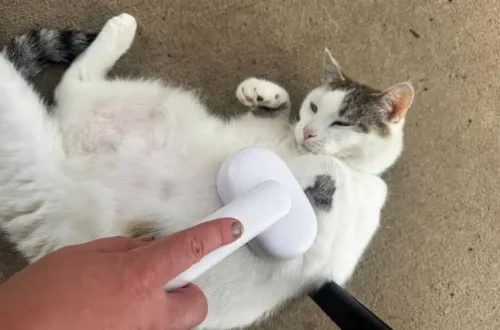
- Brush two or three times each week
- Brush more frequently during seasonal shedding
- Trim nails every few weeks
- Check ears regularly
- Brush teeth several times each week
- Bathe only when necessary
The coat naturally resists matting if maintained consistently.
Grooming a Norwegian Forest Cat
The Norwegian Forest Cat’s long double coat also requires routine care.
Owners should:
- Brush two or three times each week
- Increase brushing during shedding seasons
- Check behind the ears and under the legs for tangles
- Trim nails regularly
- Inspect ears for debris
- Maintain good dental hygiene
Because the outer coat is longer, some individuals may require slightly more brushing than Siberians.
Which Breed Is Easier to Groom?
Both breeds require commitment, but many owners find the Siberian Cat slightly easier to groom because its dense triple coat is naturally more resistant to matting.
The Norwegian Forest Cat’s long flowing fur may require additional attention in areas where friction commonly causes knots.
Health Comparison
Both breeds are generally healthy natural breeds, especially when obtained from responsible breeders.
However, each has inherited health conditions that prospective owners should understand.
Siberian Cat Health
Potential health concerns include:
- Hypertrophic cardiomyopathy (HCM)
- Obesity
- Dental disease
- Arthritis in older cats
Regular veterinary care and maintaining a healthy weight can help reduce many risks.
Norwegian Forest Cat Health
Common inherited conditions may include:
- Hypertrophic cardiomyopathy (HCM)
- Glycogen Storage Disease Type IV (GSD IV)
- Hip dysplasia
- Obesity
- Dental disease
Responsible breeders often perform health testing to reduce the likelihood of inherited disorders.
Lifespan Comparison
Both breeds are known for living relatively long lives with proper care.
| Breed | Average Lifespan |
|---|---|
| Siberian Cat | 12–18+ years |
| Norwegian Forest Cat | 13–16 years |
A nutritious diet, routine veterinary visits, exercise, and mental stimulation all contribute to a longer, healthier life.
Are They Hypoallergenic?
Many people researching these breeds have cat allergies and wonder whether either breed is a better choice.
Siberian Cat
Some Siberian Cats naturally produce lower levels of the Fel d 1 protein, which is the primary allergen responsible for most cat allergies.
Because of this, some allergy sufferers report milder reactions around Siberians.
However, no Siberian Cat is completely hypoallergenic, and allergy responses vary from person to person.
Norwegian Forest Cat
The Norwegian Forest Cat is not considered hypoallergenic.
Like most domestic cats, it produces Fel d 1 and sheds dander through its coat and saliva.
Anyone with allergies should spend time with an individual cat before making a decision.
Living With Children
Both breeds are excellent family pets when children are taught to interact respectfully.
Siberian Cat
Siberians are:
- Patient
- Playful
- Gentle
- Energetic
- Affectionate
They often enjoy interactive games and become active participants in family life.
Norwegian Forest Cat
Norwegian Forest Cats are known for their calm and tolerant personalities.
They are often:
- Gentle
- Quiet
- Patient
- Friendly
- Relaxed around respectful children
Their easygoing temperament makes them well suited to busy households.
Living With Other Pets
Both breeds generally adapt well to homes with multiple pets.
Siberian Cat
Siberians often enjoy:
- Playing with other cats
- Living with cat-friendly dogs
- Social interaction with family pets
Norwegian Forest Cat
Norwegian Forest Cats usually coexist peacefully with:
- Other cats
- Dogs introduced properly
- Multi-pet households
Their calm nature often helps them adjust well to shared living environments.
Apartment Living vs House Living
Siberian Cat
A Siberian can adapt well to apartment living if provided with enough enrichment.
Helpful additions include:
- Tall cat trees
- Window perches
- Puzzle feeders
- Scratching posts
- Daily interactive play
Without enough physical and mental stimulation, the breed may become restless.
Norwegian Forest Cat
The Norwegian Forest Cat also adapts well to indoor living.
Because of its larger size, it appreciates:
- Spacious climbing furniture
- Comfortable resting areas
- Regular play sessions
- Opportunities to climb safely
Although both breeds enjoy larger homes, they can thrive in apartments when their environmental needs are met.
Cost of Ownership
Owning either breed involves long-term financial responsibilities beyond the initial purchase price.
Typical expenses include:
- High-quality cat food
- Routine veterinary care
- Vaccinations
- Grooming tools
- Cat trees and scratching posts
- Interactive toys
- Litter and litter boxes
- Pet insurance (optional)
- Emergency medical care
Because Norwegian Forest Cats are often larger, they may consume slightly more food and require larger carriers, beds, and litter boxes. Siberians may have slightly lower feeding costs but still require premium nutrition and regular care.
Quick Comparison: Which Breed Excels in Each Category?
| Category | Better Choice |
|---|---|
| Athletic Ability | Siberian Cat |
| Calm Temperament | Norwegian Forest Cat |
| Intelligence | Tie |
| Grooming Ease | Siberian Cat |
| Apartment Adaptability | Tie |
| Family Friendliness | Tie |
| Playfulness | Siberian Cat |
| Independence | Norwegian Forest Cat |
| Potential for Allergy Sufferers | Siberian Cat |
| Relaxed Companion | Norwegian Forest Cat |
Pros and Cons
Both the Siberian Cat and the Norwegian Forest Cat are exceptional companions, but each breed has its own strengths and challenges. Understanding these can help you choose the cat that best matches your lifestyle.
Siberian Cat
Pros
- Highly intelligent and easy to train
- Playful and energetic
- Strong jumper and excellent climber
- Affectionate without being overly demanding
- Gets along well with children and other pets
- Dense triple coat naturally resists matting
- Adaptable to apartments and larger homes
- May produce lower levels of the Fel d 1 allergen than many other breeds
- Loyal and family-oriented
- Long average lifespan
Cons
- Requires regular mental stimulation
- Heavy seasonal shedding
- Needs routine brushing
- Can become bored if left alone for long periods
- Enjoys climbing high furniture, which may not suit every home
Norwegian Forest Cat
Pros
- Calm and gentle personality
- Beautiful natural double coat
- Excellent family companion
- Friendly with children and other pets
- Intelligent and adaptable
- Independent but affectionate
- Strong climber with excellent balance
- Well suited to indoor living
- Long lifespan with proper care
- Majestic appearance
Cons
- Requires regular grooming
- Heavy seasonal shedding
- Larger size means higher food costs
- May be prone to inherited conditions such as HCM and GSD IV
- Needs sturdy cat furniture because of its weight
- Can take several years to reach full maturity
Which Breed Should You Choose?
Choosing between a Siberian Cat or Norwegian Forest Cat depends on your lifestyle, activity level, and what you want in a feline companion.
Choose a Siberian Cat If You Want:
- A highly interactive companion
- An energetic and playful cat
- A pet that enjoys learning tricks
- Daily play sessions and enrichment
- An athletic climber and explorer
- A cat that forms close bonds with family members
The Siberian is perfect for owners who enjoy spending time interacting with their cat and providing plenty of physical and mental stimulation.
Choose a Norwegian Forest Cat If You Want:
- A calm and confident companion
- A gentle family pet
- A more independent personality
- A relaxed indoor cat
- A large, majestic forest breed
- A cat that enjoys companionship without demanding constant attention
The Norwegian Forest Cat is ideal for households looking for an affectionate yet easygoing companion.
Siberian Cat vs Norwegian Forest Cat: Side-by-Side Summary
| Category | Siberian Cat | Norwegian Forest Cat |
|---|---|---|
| Origin | Russia | Norway |
| Breed Type | Natural | Natural |
| Body Shape | Compact and muscular | Long and athletic |
| Head Shape | Rounded | Triangular |
| Eye Shape | Large and rounded | Almond-shaped |
| Coat | Triple coat | Double coat |
| Grooming | Moderate | Moderate to High |
| Shedding | Seasonal | Seasonal to Heavy |
| Intelligence | Very High | High |
| Energy Level | High | Moderate |
| Personality | Curious and playful | Calm and independent |
| Family Friendly | Excellent | Excellent |
| Children | Excellent | Excellent |
| Other Pets | Excellent | Excellent |
| Apartment Living | Good with enrichment | Good with sufficient space |
| Average Lifespan | 12–18+ years | 13–16 years |
Final Verdict
The Siberian Cat vs Norwegian Forest Cat comparison shows that these two magnificent forest breeds have much in common, including their natural origins, luxurious coats, intelligence, and affectionate personalities. However, their differences become more noticeable when it comes to energy level, grooming style, and everyday behavior.
The Siberian Cat is best suited for owners who want an active, intelligent, and playful companion. It thrives on interaction, enjoys climbing and problem-solving, and becomes deeply involved in family life. If you like training your cat, playing interactive games, and providing plenty of enrichment, the Siberian is an excellent choice.
The Norwegian Forest Cat, on the other hand, is ideal for people looking for a calm, confident, and independent companion. While still affectionate and playful, it is generally more relaxed and comfortable spending quiet time observing its surroundings. Its gentle temperament makes it an excellent fit for families, couples, and individuals alike.
Neither breed is objectively better. The right choice depends on your lifestyle, available time for grooming and play, and the personality you want in a companion.
Whether you choose a Siberian Cat or a Norwegian Forest Cat, providing high-quality nutrition, regular veterinary care, consistent grooming, and plenty of love will help your feline friend enjoy a long, healthy, and happy life.
Frequently Asked Questions: Siberian Cat vs Norwegian Forest Cat
What is the difference between a Siberian Cat and a Norwegian Forest Cat?
Siberian Cat vs Norwegian Forest Cat. The Siberian Cat has a rounded head, rounded eyes, and a dense triple coat, while the Norwegian Forest Cat has a triangular head, almond-shaped eyes, and a thick double coat. Siberians are generally more playful and energetic, whereas Norwegian Forest Cats tend to be calmer and more independent.
Which breed is bigger?
The Norwegian Forest Cat usually has a longer body and taller frame, while the Siberian Cat has a more compact, muscular build. Both are considered large cat breeds.
Which breed sheds more?
Both breeds shed heavily during seasonal coat changes. Norwegian Forest Cats may appear to shed more because of their long outer coat, while Siberians often experience dramatic seasonal shedding of their dense undercoat.
Which breed is more affectionate?
Both breeds are affectionate. Siberians often seek interaction through play and exploration, while Norwegian Forest Cats usually express affection in a quieter and more relaxed way.
Which breed is smarter?
Both breeds are highly intelligent. Siberians are often more curious and eager to learn tricks, while Norwegian Forest Cats are thoughtful problem-solvers who adapt well to new environments.
Which breed is easier to groom?
The Siberian Cat is often considered slightly easier to groom because its triple coat naturally resists matting. Norwegian Forest Cats may require a little more attention due to their longer outer coat.
Are Siberian Cats or Norwegian Forest Cats hypoallergenic?
Siberian Cat vs Norwegian Forest Cat. Neither breed is completely hypoallergenic. However, some Siberian Cats naturally produce lower levels of the Fel d 1 allergen than many other breeds, while Norwegian Forest Cats are not considered hypoallergenic.
Which breed is better for families?
Both breeds make excellent family pets. Siberians are ideal for active families who enjoy interactive play, while Norwegian Forest Cats are well suited to families seeking a calm and gentle companion.
Which breed lives longer?
Siberian Cat vs Norwegian Forest Cat Siberian Cats generally have an average lifespan of 12–18 years or more, while Norwegian Forest Cats typically live 13–16 years, depending on genetics, healthcare, and overall lifestyle.
Which breed is better for first-time cat owners?
Siberian Cat vs Norwegian Forest Cat: Both breeds can be suitable for first-time owners. A Siberian is a great choice for those wanting an active and interactive pet, while a Norwegian Forest Cat is ideal for owners looking for a calm, affectionate, and relatively independent companion.