





Introduction
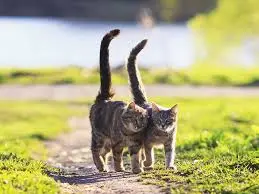
The Siberian Cat and the Persian Cat are two of the world’s most recognizable long-haired cat breeds. Both have luxurious coats, affectionate personalities, and loyal companionship, making them popular choices for families and cat lovers. However, despite their fluffy appearance, these breeds are remarkably different in terms of history, activity level, grooming needs, health, and daily care.
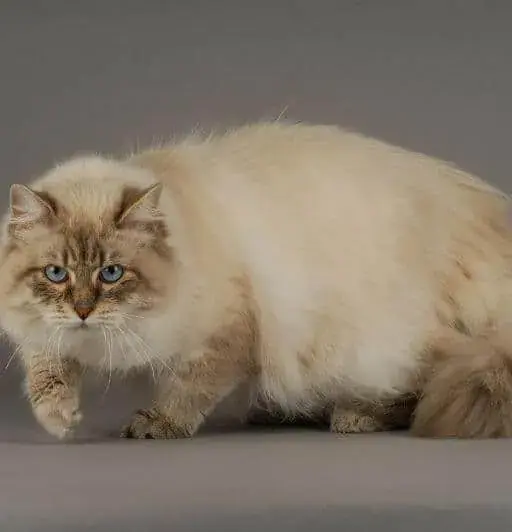
The Siberian Cat is a natural breed that developed in the forests of Russia, where it evolved to survive harsh winters. It is known for its muscular body, thick triple coat, athletic nature, and intelligent personality.
The Persian Cat, on the other hand, has been selectively bred for centuries as a companion animal. It is admired for its calm temperament, long flowing coat, sweet expression, and relaxed indoor lifestyle.
Choosing between these two breeds isn’t simply about appearance. Your decision should also consider your lifestyle, available time for grooming, activity preferences, and the type of relationship you want with your cat.
In this complete comparison, we’ll examine the Siberian Cat vs Persian across every important category, including appearance, personality, grooming, shedding, health, lifespan, and care requirements, helping you decide which breed is the better match for your home.
Quick Comparison: Siberian Cat vs Persian
| Feature | Siberian Cat | Persian Cat |
|---|---|---|
| Origin | Russia | Persia (modern-day Iran), refined through selective breeding |
| Breed Type | Natural breed | Developed breed |
| Size | Medium to large | Medium to large |
| Body Build | Muscular and athletic | Compact and sturdy (cobby) |
| Coat | Dense triple coat | Long, silky double coat |
| Grooming | Moderate | High |
| Shedding | Seasonal | Year-round |
| Energy Level | High | Low to moderate |
| Intelligence | Very high | Moderate to high |
| Vocalization | Quiet to moderate | Quiet |
| Family Friendly | Excellent | Excellent |
| Good With Children | Yes | Yes |
| Good With Other Pets | Yes | Yes |
| Average Lifespan | 12–18+ years | 12–17 years |
Although both breeds make wonderful companions, they suit different lifestyles.
Breed Origins
Learning where each breed comes from helps explain many of its modern-day characteristics.
Siberian Cat Origin
The Siberian Cat is one of the oldest natural cat breeds in the world.
It originated in the forests of Russia, particularly in the Siberian region, where freezing temperatures and heavy snowfall shaped its development over hundreds of years.
Instead of being created through selective breeding, the Siberian evolved naturally. Its powerful body, dense triple coat, and excellent climbing ability helped it survive in one of the world’s harshest climates.
These natural adaptations remain visible in today’s Siberian cats.
Persian Cat Origin
The Persian Cat has a very different history.
Its ancestors are believed to have originated in Persia (modern-day Iran), with long-haired cats later becoming popular throughout Europe. Over many generations, breeders selectively developed the Persian into the calm, elegant companion breed we know today.
Modern Persians are recognized for:
- Luxurious long coats
- Rounded faces
- Gentle temperament
- Relaxed indoor lifestyle
Unlike the naturally evolved Siberian, the Persian’s appearance has been carefully refined through selective breeding.
Appearance Comparison
Both breeds are beautiful long-haired cats, but their body structure and facial features are quite different.
Siberian Cat Appearance
A Siberian has a strong, balanced appearance.
Typical characteristics include:
- Medium to large muscular body
- Broad chest
- Rounded wedge-shaped head
- Large rounded eyes
- Medium-sized ears
- Thick bushy tail
- Large rounded paws
- Dense weather-resistant triple coat
The overall impression is one of strength, agility, and natural beauty.
Persian Cat Appearance
The Persian has a softer, more rounded appearance.
Common features include:
- Compact body
- Broad shoulders
- Short legs
- Round head
- Large round eyes
- Small ears
- Short nose (especially in flat-faced lines)
- Long flowing coat
Persians are often described as elegant lap cats with a sweet facial expression.
Size Comparison
Although both breeds are considered medium-to-large cats, their body types differ significantly.
| Measurement | Siberian Cat | Persian Cat |
| Body Type | Athletic and muscular | Compact and sturdy |
| Bone Structure | Strong | Heavy |
| Growth Rate | Slow | Moderate |
| Full Maturity | 3–5 years | Around 2–3 years |
Siberians continue developing for several years, gradually becoming stronger and more muscular.
Persians usually reach their mature size earlier.
Coat Comparison
One of the most noticeable differences between these breeds is their coat.
Siberian Cat Coat
The Siberian has a unique triple coat consisting of:
- Protective outer guard hairs
- Insulating middle layer
- Dense soft undercoat
This coat naturally protects against cold weather, moisture, and snow.
Although very thick, it surprisingly resists matting when brushed regularly.
Persian Cat Coat
The Persian’s coat is long, soft, and luxurious.
Unlike the Siberian’s weather-resistant coat, the Persian’s fur was developed primarily for appearance.
Its fine texture can tangle and mat easily if not brushed consistently.
Daily grooming is often recommended to keep the coat healthy.
Shedding Comparison
Both breeds shed, but the pattern is different.
Siberian Cat
Siberians experience seasonal shedding.
During spring and autumn, they naturally shed much of their undercoat as they transition between winter and summer coats.
Outside these seasons, shedding is generally moderate.
Persian Cat
Persians tend to shed throughout the year.
Because of their long coat, loose hairs are more likely to remain trapped until brushed out.
Without regular grooming, loose hair can contribute to tangles, mats, and hairballs.
Which Breed Sheds More?
Neither breed is considered low-shedding.
However:
- Siberians usually shed more during seasonal coat changes.
- Persians shed more consistently throughout the year.
Regular brushing helps control shedding in both breeds.
Personality Comparison
Although both breeds enjoy spending time with their families, their personalities are quite different.
Siberian Cat Personality
Siberians are often described as:
- Intelligent
- Curious
- Playful
- Athletic
- Confident
- Loyal
- Adaptable
They enjoy exploring their surroundings, climbing high places, and participating in family activities.
Rather than sleeping all day, most Siberians prefer interactive play and mental stimulation.
Persian Cat Personality
Persians are famous for their calm nature.
They are commonly described as:
- Gentle
- Quiet
- Affectionate
- Relaxed
- Patient
- Sweet-natured
Instead of climbing shelves or chasing toys for long periods, Persians often prefer peaceful environments and comfortable places to rest beside their owners.
Their laid-back personality makes them excellent companions for people seeking a quieter household pet.
Which Personality Is Better?
Neither personality is better—it depends entirely on your lifestyle.
A Siberian Cat may be the better choice if you enjoy:
- Interactive play
- Active pets
- Training and enrichment
- Climbing structures
- Intelligent, curious companions
A Persian Cat may suit you better if you prefer:
- A calm lap cat
- Quiet companionship
- Relaxed indoor living
- Gentle daily routines
- Lower activity levels
Both breeds are affectionate, but they express their affection in different ways.
Intelligence and Trainability
Both the Siberian Cat and the Persian Cat are intelligent, but they show their intelligence in different ways.
The Siberian Cat enjoys learning, exploring, and solving problems. It is naturally curious and often investigates everything happening around the house. Many owners teach Siberians to respond to their names, play fetch, walk on a harness, or perform simple tricks using positive reinforcement.
The Persian Cat is also intelligent but has a much calmer personality. Instead of seeking constant stimulation, Persians usually prefer predictable routines and peaceful surroundings. They can learn household habits and simple commands, but are generally less interested in active training sessions.
Siberian Cat
- Highly intelligent
- Curious explorer
- Learns quickly
- Enjoys puzzle toys
- Can learn tricks
- Likes interactive games
Persian Cat
- Intelligent
- Calm learner
- Enjoys routines
- Less adventurous
- Responds well to gentle encouragement
- Prefers quiet interaction
Activity Level
This is one of the biggest differences between the two breeds.
Siberian Cat
Siberians remain playful well into adulthood.
They enjoy:
- Climbing cat trees
- Chasing toys
- Jumping onto shelves
- Exploring every room
- Interactive puzzle feeders
- Playing with family members
Daily physical activity helps keep a Siberian mentally and physically healthy.
Persian Cat
Persians are much more relaxed.
They typically enjoy:
- Short play sessions
- Sleeping in comfortable places
- Gentle interaction
- Window watching
- Quiet companionship
While they still need exercise, Persians generally require much less activity than Siberians.
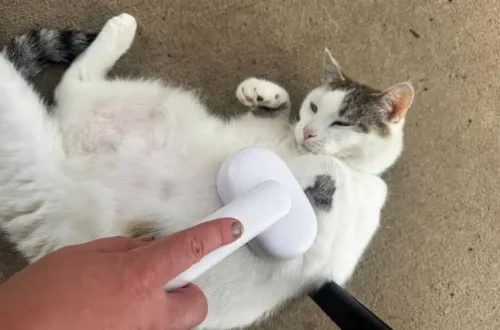
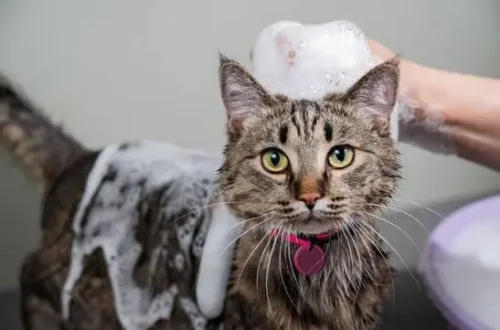
Grooming Requirements
Although both breeds have long coats, the amount of grooming they require is quite different.
Grooming a Siberian Cat
The Siberian’s dense triple coat naturally resists matting better than many people expect.
A typical grooming routine includes:
- Brushing two or three times each week
- Extra brushing during seasonal shedding
- Nail trimming
- Ear cleaning
- Dental care
Routine grooming is usually enough to keep the coat healthy.
Grooming a Persian Cat
Persians have one of the most demanding coats of any cat breed.
Daily brushing is often recommended to prevent:
- Mats
- Tangles
- Hairballs
- Dirt buildup
Many Persian owners also schedule occasional professional grooming to maintain the coat more easily.
Which Breed Is Easier to Groom?
For most owners, the Siberian Cat is easier to maintain.
Although the coat is thicker, its natural texture makes it less likely to mat than the Persian’s fine, silky fur.
Persians require more frequent brushing and closer attention to coat maintenance.
Health Comparison
Responsible breeding helps improve the health of both breeds, but each has conditions that prospective owners should understand.
Siberian Cat Health
Siberians are generally considered a healthy breed.
Potential health concerns include:
- Hypertrophic cardiomyopathy (HCM)
- Obesity if overfed
- Dental disease
- Joint issues in older cats
Routine veterinary care and maintaining a healthy weight help reduce many common health risks.
Persian Cat Health
Because of their body structure and selective breeding, Persians may be more likely to experience certain inherited conditions.
These may include:
- Brachycephalic airway problems (particularly in flat-faced Persians)
- Polycystic kidney disease (PKD)
- Eye drainage problems
- Dental crowding
- Skin fold irritation
- Obesity
Choosing a breeder who performs health testing is especially important when purchasing a Persian kitten.
Lifespan Comparison
Both breeds can enjoy long lives with proper care.
| Breed | Average Lifespan |
|---|---|
| Siberian Cat | 12–18+ years |
| Persian Cat | 12–17 years |
A nutritious diet, regular veterinary checkups, exercise, and preventive healthcare all contribute to a longer lifespan.
Hypoallergenic Potential
Many people compare these breeds because of allergies.
Siberian Cat
Some Siberians naturally produce lower levels of the Fel d 1 protein, the primary allergen responsible for most cat allergies.
Because of this, some allergy sufferers report fewer symptoms around Siberians.
However, no Siberian Cat is completely hypoallergenic, and individual reactions vary.
Persian Cat
Persians are not considered hypoallergenic.
They produce the same common allergens found in most domestic cats, and their long coats may trap dander that spreads during grooming.
Anyone with allergies should spend time with an individual cat before making a decision.
Living With Children
Both breeds usually do well with respectful children.
Siberian Cat
Siberians are:
- Patient
- Playful
- Energetic
- Social
- Confident
They often enjoy interactive games and can happily participate in family activities.
Persian Cat
Persians are:
- Gentle
- Calm
- Quiet
- Patient
- Affectionate
They generally prefer children who handle them carefully and respect their need for quiet rest.
Living With Other Pets
Both breeds usually adapt well to homes with other animals when introductions are gradual.
Siberian Cat
Siberians often enjoy:
- Playing with other cats
- Living with cat-friendly dogs
- Interactive companionship
Persian Cat
Persians typically prefer:
- Calm companions
- Peaceful homes
- Predictable routines
Very energetic pets may sometimes overwhelm a Persian’s relaxed personality.
Apartment Living
Siberian Cat
Siberians can thrive in apartments if their need for exercise is met.
Helpful enrichment includes:
- Cat trees
- Scratching posts
- Puzzle feeders
- Interactive toys
- Window perches
Without enough mental stimulation, an intelligent Siberian may become bored.
Persian Cat
Persians are exceptionally well suited to apartment living.
Their calm temperament and lower activity level make them comfortable in smaller indoor spaces, provided they receive affection and routine care.
Cost of Ownership
Owning either breed involves more than the initial purchase price.
Long-term expenses include:
- High-quality food
- Veterinary care
- Vaccinations
- Grooming supplies
- Toys
- Scratching posts or cat trees
- Pet insurance (optional)
- Emergency medical care
Persian owners should also consider the possibility of higher grooming expenses due to the breed’s intensive coat maintenance.
Quick Comparison: Which Breed Wins?
| Category | Better Choice |
|---|---|
| Intelligence | Siberian Cat |
| Activity Level | Siberian Cat |
| Calm Personality | Persian Cat |
| Grooming Ease | Siberian Cat |
| Family Friendliness | Tie |
| Apartment Living | Persian Cat |
| Athletic Ability | Siberian Cat |
| Playfulness | Siberian Cat |
| Relaxed Companion | Persian Cat |
| Potential for Allergy Sufferers | Siberian Cat |
Siberian Cat × Persian Mix
A Siberian × Persian mix is a hybrid cat that combines traits from both parent breeds. Since mixed-breed cats inherit a unique combination of genes, no two kittens will look or behave the same.
Some may inherit the Siberian’s athletic body and playful personality, while others may resemble the Persian with a calmer temperament and a longer, silkier coat.
If you’re considering adopting a Siberian Persian mix, it’s important to remember that appearance, coat type, and personality can vary significantly.
Appearance
A Siberian Persian mix may have:
- Medium to large body
- Long or semi-long coat
- Muscular or compact build
- Rounded face
- Bushy tail
- Green, gold, copper, blue, or odd-colored eyes
- Various coat colors and patterns
Some kittens inherit a more natural facial structure like the Siberian, while others may develop flatter facial features similar to the Persian.
Personality
Most Siberian Persian mixes are known for being:
- Affectionate
- Loyal
- Intelligent
- Gentle
- Friendly
- Curious
- Family-oriented
Many inherit the Siberian’s playful nature while also enjoying the Persian’s calm and affectionate temperament.
Grooming
Since both parent breeds have long coats, regular grooming is essential.
Most owners should:
- Brush the coat several times a week.
- Increase brushing during shedding seasons.
- Trim nails regularly.
- Clean ears and teeth as part of routine care.
The exact grooming needs depend on whether the cat inherits more of the Siberian’s triple coat or the Persian’s silky coat.
Pros and Cons
Understanding the strengths and challenges of each breed makes choosing the right companion much easier.
Siberian Cat
Pros
- Highly intelligent
- Athletic and playful
- Affectionate without being overly demanding
- Strong climber and explorer
- Adaptable to different households
- Naturally weather-resistant triple coat
- May produce lower levels of the Fel d 1 allergen than many other breeds
Cons
- Requires regular mental stimulation
- Seasonal shedding can be heavy
- Needs routine grooming
- Can become bored without enough enrichment
- Enjoys climbing, which may not suit every home
Persian Cat
Pros
- Calm and gentle personality
- Excellent lap cat
- Quiet and affectionate
- Well suited to indoor living
- Beautiful long coat
- Generally enjoys peaceful routines
- Excellent companion for relaxed households
Cons
- Requires daily grooming
- Coat mats easily
- May experience inherited health problems
- Flat-faced Persians may have breathing and eye issues
- Less active than many other breeds
- Professional grooming may be needed more often
Which Breed Should You Choose?
The answer depends on the kind of companion you’re looking for.
Choose a Siberian Cat If You Want:
- An active and playful pet
- A highly intelligent companion
- A cat that enjoys climbing and exploring
- Interactive games and training
- A family-oriented breed with plenty of energy
- A naturally athletic cat
The Siberian is an excellent choice for owners who enjoy spending time playing with their cat and providing enrichment.
Choose a Persian Cat If You Want:
- A calm indoor companion
- A quiet household pet
- A cat that enjoys relaxing beside you
- A gentle temperament
- A lower-energy lifestyle
- A classic long-haired lap cat
Persians are ideal for owners who prefer a peaceful companion and don’t mind spending extra time on coat maintenance.
Siberian Cat vs Persian: Side-by-Side Summary
| Category | Siberian Cat | Persian Cat |
|---|---|---|
| Origin | Russia | Persia (Iran) |
| Breed Type | Natural | Developed |
| Body | Athletic and muscular | Compact and sturdy |
| Coat | Triple coat | Long silky coat |
| Grooming | Moderate | High |
| Shedding | Seasonal | Year-round |
| Personality | Curious and playful | Calm and gentle |
| Intelligence | Very High | Moderate to High |
| Activity Level | High | Low to Moderate |
| Children | Excellent | Excellent |
| Other Pets | Excellent | Excellent |
| Apartment Living | Good with enrichment | Excellent |
| Lifespan | 12–18+ years | 12–17 years |
Final Verdict
The Siberian Cat vs Persian comparison shows that both breeds are loving companions, but they suit different lifestyles.
The Siberian Cat is ideal for people who enjoy an active, intelligent, and playful companion. It thrives on interaction, climbing, exploration, and daily engagement. Although it has a thick triple coat, regular brushing usually keeps grooming manageable.
The Persian Cat is better suited to owners looking for a calm, affectionate indoor companion. Its relaxed personality and quiet nature make it an excellent lap cat, but its luxurious coat requires much more frequent grooming and maintenance.
Neither breed is objectively better. The right choice depends on your lifestyle, available time for grooming, and the type of relationship you want with your cat.
Whether you choose a Siberian, a Persian, or a Siberian × Persian mix, responsible ownership—including proper nutrition, routine veterinary care, regular grooming, and plenty of affection—will help your feline companion live a long, healthy, and happy life.
Frequently Asked Questions
Which is better, a Siberian Cat or a Persian Cat?
Neither breed is universally better. Siberians are more active and intelligent, while Persians are calmer and more relaxed. The best choice depends on your lifestyle and preferences.
Which breed sheds more?
Both breeds shed regularly. Siberians shed more heavily during seasonal coat changes, while Persians tend to shed throughout the year because of their long, dense coat.
Which breed is easier to groom?
The Siberian Cat is generally easier to groom. Its triple coat naturally resists matting, whereas the Persian’s fine coat often requires daily brushing.
Are Siberian Cats healthier than Persians?
Both breeds can live healthy lives, but Persians are more likely to develop certain inherited conditions, including breathing issues, eye problems, and polycystic kidney disease (PKD). Choosing a responsible breeder and scheduling regular veterinary checkups are important for either breed.
Which breed is more affectionate?
Both breeds are affectionate. Siberians often express affection through play and interaction, while Persians usually show affection by quietly relaxing near their owners.
Which breed is better for apartment living?
Persians are generally better suited to apartment living because of their calm and low-energy nature. Siberians can also adapt well, provided they receive enough daily exercise and enrichment.
Which breed is better for families with children?
Both breeds are excellent family pets. Siberians enjoy active play with children, while Persians are better suited to gentle, respectful interactions.
Is a Siberian Persian mix a good pet?
Yes. A Siberian × Persian mix can make a wonderful companion, often combining the Siberian’s intelligence and playfulness with the Persian’s affectionate and gentle personality.
Which breed lives longer?
Siberian Cats generally have an average lifespan of 12–18 years or more, while Persian Cats typically live 12–17 years, depending on genetics, healthcare, and overall lifestyle.
Which breed is better for first-time cat owners?
Both breeds can be suitable for first-time owners. A Siberian may appeal to those who want an active, interactive pet, while a Persian is a great choice for people seeking a calm companion and who are prepared for more intensive grooming.