





Introduction
The Siberian cat is admired for its luxurious coat, striking appearance, and rugged beauty. Unlike many other long-haired breeds, the Siberian’s coat evolved naturally to protect it from the harsh winters of Russia. This unique coat gives the breed its majestic look, but it also requires proper care to stay healthy.
Fortunately, Siberian cat grooming is often easier than people expect. Although these cats have long, thick fur, their coat is naturally resistant to tangles and mats when maintained regularly. A consistent grooming routine not only keeps your cat looking beautiful but also supports healthy skin, reduces shedding, prevents hairballs, and gives you the opportunity to notice any health concerns early.
Whether you’ve recently welcomed a Siberian kitten or have cared for one for years, understanding proper Siberian cat care will help your feline companion stay comfortable throughout every season.
In this guide, you’ll learn everything you need to know about grooming a Siberian cat, including caring for its triple coat, managing the undercoat, choosing the right grooming tools, bathing, brushing, nail care, and deciding whether professional grooming or home maintenance is the better option.
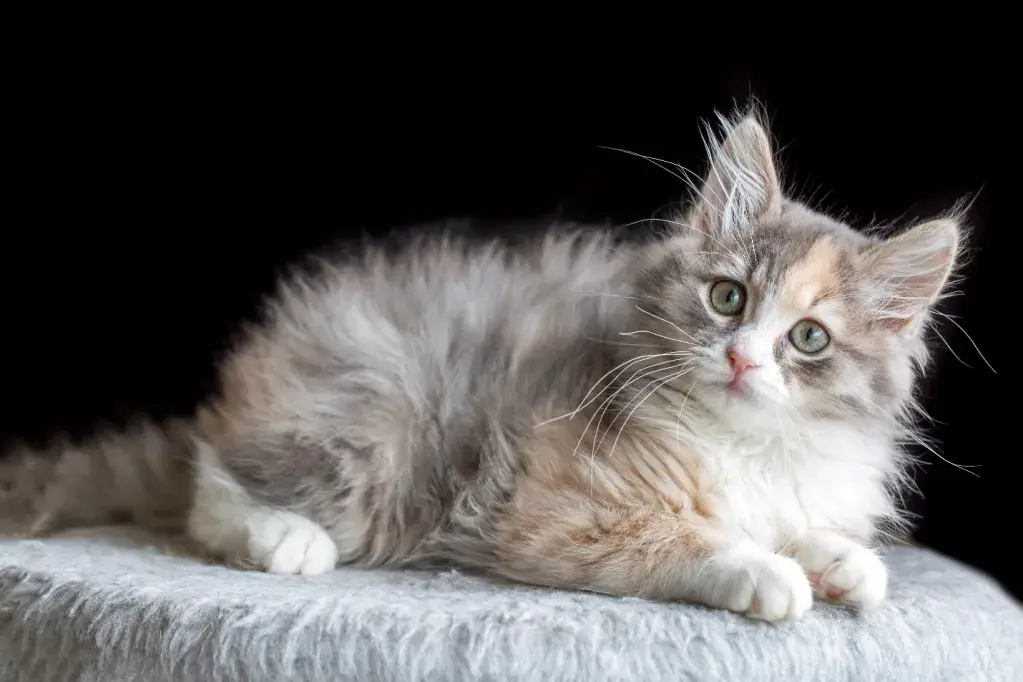
Understanding the Siberian Cat’s Triple Coat
One of the Siberian cat’s most distinctive features is its triple coat.
Unlike many cat breeds that have only one or two layers of fur, the Siberian developed three protective layers that helped it survive freezing temperatures, heavy snowfall, and wet weather.
These layers work together to provide insulation while protecting the skin from the environment.
The Outer Coat
The outer layer consists of long guard hairs.
These hairs:
- Repel water
- Protect against dirt
- Shield the softer layers underneath
- Help keep the coat clean
This protective layer gives the Siberian much of its natural weather resistance.
The Middle Layer
Beneath the guard hairs is a slightly softer middle layer.
Its primary purpose is insulation.
This layer traps warm air close to the body, helping the cat maintain a comfortable body temperature during cold weather.
The Dense Undercoat
Closest to the skin is the soft undercoat.
The undercoat provides additional warmth and is largely responsible for the Siberian’s fluffy appearance during winter.
During seasonal coat changes, much of this undercoat naturally sheds, which explains why Siberians often lose significant amounts of fur in spring and autumn.
Understanding how the undercoat behaves is one of the most important parts of proper grooming.
Why Regular Grooming Is Important
Some owners assume that cats groom themselves well enough and don’t require much assistance.
While Siberians are excellent self-groomers, regular brushing still plays an important role in maintaining their overall health.
Consistent grooming helps:
- Remove loose fur
- Prevent mats and tangles
- Reduce hairballs
- Distribute natural skin oils
- Improve coat condition
- Support healthy skin
- Reduce shedding around the home
- Detect lumps, injuries, or parasites early
Grooming sessions also strengthen the bond between you and your cat, especially when introduced gradually and paired with positive reinforcement.
Essential Grooming Tools
Using the correct tools makes grooming easier and more comfortable for both you and your Siberian.
Different tools serve different purposes, and you don’t need to use every tool during every grooming session.
Slicker Brush
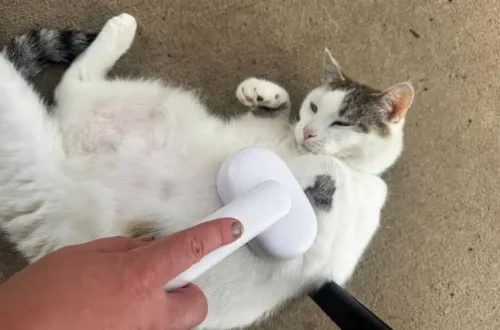
A slicker brush is one of the most useful tools for routine brushing.
It helps:
- Remove loose surface hair
- Prevent small tangles
- Smooth the coat
- Keep the fur looking neat
For many Siberians, this brush becomes the primary grooming tool.
Stainless Steel Comb
A metal comb reaches areas that brushes sometimes miss.
It’s especially useful for checking:
- Behind the ears
- Around the neck
- Under the front legs
- Around the hind legs
- Tail fur
If the comb passes through smoothly, the coat is usually free of tangles.
Undercoat Rake
An undercoat rake is designed specifically for thick-coated breeds.
It helps remove loose undercoat without damaging the longer guard hairs.
This tool becomes especially valuable during spring and autumn shedding seasons when large amounts of loose undercoat begin to fall out naturally.
Used gently and correctly, it reduces shedding while preventing mats from forming.
Dematting Comb
Occasionally, small mats may develop in areas where friction occurs.
A dematting comb can carefully loosen these tangles without pulling excessively on the skin.
Never force the comb through a tight mat, as this can cause discomfort.
Grooming Gloves
Some cats dislike traditional brushes.
Soft grooming gloves can help nervous cats become more comfortable with grooming while removing loose surface hairs.
They’re particularly useful for kittens that are still learning to enjoy grooming sessions.
Nail Clippers
Routine nail trimming prevents nails from becoming too long or sharp.
Choose cat-specific nail clippers designed to make clean, precise cuts.
Cat Shampoo
If your Siberian requires a bath, always use a shampoo formulated specifically for cats.
Human shampoos can disrupt the natural balance of a cat’s skin and may cause irritation or dryness.
Large Towels
Because the Siberian’s thick coat holds a significant amount of water, absorbent towels are essential after bathing.
Pat the coat gently rather than rubbing vigorously, which can create tangles.
How Often Should You Brush a Siberian Cat?
The ideal brushing schedule depends on your cat’s age, coat condition, and the time of year.
Siberian Kittens
Young kittens usually have softer, lighter coats than adults.
Brushing once or twice each week is often enough to help them become comfortable with handling.
Keep sessions short, calm, and rewarding.
Adult Siberian Cats
Most healthy adult Siberians benefit from brushing two to three times each week.
This routine helps remove loose hair before it spreads around the house while keeping the coat free of tangles.
Regular grooming also allows you to check for skin irritation, fleas, ticks, or small injuries.
During Shedding Season
Spring and autumn are the busiest grooming periods.
As the undercoat naturally sheds, daily brushing—or brushing every other day—may be beneficial.
Increasing grooming during these periods helps remove loose fur before it forms mats or contributes to hairballs.
Senior Siberian Cats
Older cats may groom themselves less effectively because of arthritis or reduced flexibility.
Gentle brushing several times a week helps keep their coat clean while allowing you to monitor their skin and overall condition.
Be especially gentle around sensitive joints.
Signs Your Siberian Needs Grooming
Even if you follow a regular schedule, your cat may occasionally need extra attention.
Watch for signs such as:
- Loose fur coming out in large amounts
- Small knots behind the ears
- Tangles under the legs
- Dull-looking coat
- Increased hairballs
- Excessive scratching
- Dirty or oily fur
Addressing these issues early is much easier than waiting until mats become severe.
Preparing Your Cat for Grooming
Successful grooming begins before the brush touches the coat.
Choose a quiet room where your cat feels safe and comfortable.
Before you begin:
- Allow your cat to relax.
- Gather all grooming tools.
- Speak calmly.
- Offer gentle petting.
- Reward cooperative behavior with praise or treats.
Starting with positive experiences helps kittens and adult cats develop a lifelong tolerance—even enjoyment—of grooming sessions.
Step-by-Step Guide to Brushing a Siberian Cat
Brushing is the most important part of Siberian cat grooming. While the breed’s triple coat is naturally resistant to matting, regular brushing keeps the coat healthy, removes loose fur, and helps prevent painful tangles.
Following a consistent routine also makes grooming a positive experience for your cat.
Step 1: Choose a Calm Environment
Before you begin, pick a quiet room with minimal distractions.
A relaxed environment helps your Siberian feel comfortable and reduces stress during grooming.
Many owners find it easiest to groom their cat after playtime or a meal when the cat is naturally calmer.
Step 2: Check the Coat
Before using any brush, gently run your hands through the coat.
Look for:
- Knots
- Mats
- Burrs or debris
- Skin irritation
- Parasites
- Sensitive areas
Finding small tangles early makes them much easier to remove.
Step 3: Start With a Slicker Brush
Begin brushing in the direction the fur naturally grows.
Work slowly from the neck toward the shoulders, back, sides, and tail.
Avoid pulling or brushing aggressively.
Short, gentle strokes are usually more comfortable than long, forceful ones.
Step 4: Reach the Undercoat
Once the outer coat has been brushed, use an undercoat rake if needed.
This tool removes loose undercoat without damaging the longer guard hairs.
Pay extra attention to areas where loose fur often collects, such as:
- Behind the ears
- Under the front legs
- Around the hind legs
- Along the chest
- Around the tail
Never force the rake through tight mats.
Step 5: Finish With a Metal Comb
A stainless steel comb helps ensure no tangles remain.
If the comb moves smoothly through the coat, you’ve likely removed loose hair successfully.
The comb is especially useful around delicate areas where brushes may not reach effectively.
Step 6: Reward Your Cat
End every grooming session with something positive.
Offer:
- Praise
- Gentle petting
- A favorite treat
- A short play session
Positive reinforcement helps your Siberian associate grooming with pleasant experiences.
Managing the Undercoat
The undercoat is one of the defining features of the Siberian breed.
While it provides excellent insulation, it also requires extra attention during seasonal coat changes.
Why the Undercoat Matters
The undercoat helps:
- Regulate body temperature
- Protect against cold weather
- Support the outer coat
- Keep the skin insulated
When healthy, it works together with the outer layers to create the Siberian’s famous triple coat.
Seasonal Shedding
Most Siberians naturally “blow” their coat twice a year.
Spring
As temperatures rise, much of the thick winter undercoat is shed.
During this time you may notice:
- Large amounts of loose fur
- Hair around the house
- More frequent hairballs
Daily or every-other-day brushing often makes this period much easier to manage.
Autumn
Before winter arrives, the coat becomes thicker again.
Loose hairs from the lighter summer coat are gradually replaced with a denser winter undercoat.
Regular brushing helps the new coat develop without tangles.
Common Areas Where Mats Form
Although Siberian coats resist matting better than many long-haired breeds, mats can still develop.
The most common locations include:
- Behind the ears
- Under the armpits
- Around the chest
- Between the back legs
- Around the tail
- Around the collar area (if a collar is worn)
Checking these areas during every grooming session helps prevent larger mats from forming.
Bathing a Siberian Cat
Many first-time owners wonder whether Siberian cats need regular baths.
The answer is:
Usually not.
Healthy Siberians spend a significant amount of time grooming themselves, which helps keep their coat clean.
Bathing is generally recommended only when necessary.
Examples include:
- Very dirty coats
- Sticky substances
- Medical conditions
- Advice from a veterinarian
- Preparation for cat shows
For many household pets, occasional bathing is enough.
How to Bathe a Siberian Cat
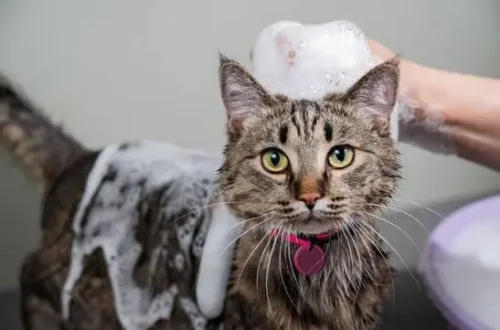
If your Siberian does need a bath, following a gentle routine makes the experience much less stressful.
Step 1
Brush the coat thoroughly before bathing.
Removing loose fur and small tangles first prevents them from becoming worse when wet.
Step 2
Use lukewarm water.
Water that is too hot or too cold may make your cat uncomfortable.
Step 3
Apply a cat-safe shampoo.
Massage the shampoo gently through the coat while avoiding the eyes, ears, and nose.
Step 4
Rinse thoroughly.
Any shampoo left behind may irritate the skin or make the coat appear dull.
Step 5
Wrap your cat in a soft towel.
Instead of rubbing the fur vigorously, gently press the towel against the coat to absorb moisture.
Because of the Siberian’s thick triple coat, drying naturally may take several hours.
Should You Give a Siberian Cat a Haircut?
In most situations, no.
A healthy Siberian’s coat is designed to protect the cat throughout the year.
Shaving or cutting the coat unnecessarily can interfere with its natural ability to regulate temperature and protect the skin.
Routine brushing is almost always a better solution than routine haircuts.
What Is a Lion Cut?
A lion cut is a grooming style in which most of the body hair is clipped short while leaving fur around the head, lower legs, and tail.
Some owners consider this style for aesthetic reasons or to reduce grooming.
However, it should only be considered carefully.
When a Lion Cut May Be Appropriate
A veterinarian or experienced cat groomer may recommend a lion cut when:
- Severe matting cannot be brushed out.
- Medical treatment requires shaving.
- An elderly cat can no longer groom itself.
- A skin condition requires access to the skin.
When a Lion Cut Is Usually Not Recommended
For healthy Siberians, a lion cut is generally unnecessary.
Routine brushing provides a safer and more natural way to manage the coat.
Removing the coat without medical need may:
- Reduce natural insulation.
- Increase sun exposure.
- Leave the skin more vulnerable to scratches.
- Alter the coat’s appearance while it regrows.
If you’re considering a lion cut, discuss the decision with your veterinarian or an experienced professional groomer first.
Common Grooming Mistakes
Even well-meaning owners sometimes make mistakes that can affect their cat’s coat and comfort.
Avoid these common errors:
- Waiting until mats become severe.
- Brushing too aggressively.
- Skipping grooming during shedding season.
- Using human shampoo.
- Cutting out mats with scissors near the skin.
- Bathing too frequently.
- Ignoring nail, ear, or dental care.
- Using tools designed for dogs instead of cats.
A gentle, consistent routine is far more effective than occasional intensive grooming sessions.
Home Grooming vs Professional Grooming
One of the most common questions owners ask is whether they should groom their Siberian cat at home or take it to a professional groomer. The answer depends on your cat’s temperament, coat condition, and your grooming experience.
For most healthy Siberians, regular home grooming is enough to keep the coat clean and free of tangles. However, there are situations where a professional groomer can provide valuable assistance.
Home Grooming
Home grooming allows you to build trust with your cat while keeping its coat in good condition.
Advantages
- Strengthens the bond between you and your cat
- Less stressful for cats that dislike travel
- More affordable over time
- Allows you to monitor skin and coat health regularly
- Easy to maintain a consistent routine
Challenges
- Requires patience and practice
- Some cats dislike brushing at first
- Severe mats may be difficult to remove safely
- Bathing can be challenging for inexperienced owners
For most owners, brushing several times a week is enough to maintain a healthy Siberian coat.
When Should You Visit a Professional Groomer?
A professional cat groomer can help when grooming becomes difficult or when specialized care is needed.
Consider professional grooming if:
- Mats cannot be safely brushed out.
- Your cat strongly resists grooming.
- Your veterinarian recommends professional coat care.
- Your Siberian has mobility issues due to age or illness.
- You need help during heavy seasonal shedding.
- Your cat requires sanitary trimming for hygiene.
Choose a groomer who has experience working with long-haired cats and uses gentle, cat-friendly handling techniques.
How to Choose a Professional Groomer
If you’re searching for a groomer near you, don’t choose one based only on location or price.
Instead, look for a groomer who:
- Has experience with long-haired cat breeds
- Uses cat-safe grooming equipment
- Maintains a clean grooming environment
- Handles cats calmly and patiently
- Can explain their grooming process
- Is comfortable working with dense double- and triple-coated cats
Reading reviews and asking your veterinarian for recommendations can also help you find a qualified professional.
Nail Care
Nail trimming is an important part of Siberian cat care.
Even indoor cats need regular nail maintenance to prevent overgrown claws that may snag on carpets or furniture.
How Often Should You Trim the Nails?
Most Siberians benefit from nail trimming every 2–4 weeks, although the exact schedule depends on the individual cat’s growth rate and activity level.
Tips for Safe Nail Trimming
- Use cat-specific nail clippers.
- Trim only the sharp tip of the nail.
- Avoid cutting into the pink “quick,” which contains blood vessels and nerves.
- Trim one or two nails at a time if your cat becomes restless.
- Reward your cat after each session.
If you’re unsure how to trim your cat’s nails safely, ask your veterinarian or groomer to demonstrate the proper technique.
Ear Care
Healthy Siberian ears usually require very little maintenance.
However, they should still be checked regularly for signs of dirt, wax buildup, or irritation.
Signs the Ears May Need Attention
- Excess wax
- Unpleasant odor
- Redness
- Frequent scratching
- Head shaking
- Dark debris
Clean only the outer part of the ear using a veterinarian-approved ear cleaner and a soft cotton pad. Never insert cotton swabs into the ear canal, as this can cause injury.
If you notice swelling, discharge, or persistent irritation, contact your veterinarian.
Eye Care
Most healthy Siberian cats have bright, clear eyes that require little maintenance.
Occasionally, you may notice a small amount of tear residue, especially after sleeping.
To clean around the eyes:
- Use a soft, damp cloth or cotton pad.
- Wipe gently from the inner corner outward.
- Use a separate clean section of the cloth for each eye.
Excessive tearing, redness, squinting, or thick discharge should be examined by a veterinarian.
Dental Care
Dental health is often overlooked, but it plays an important role in your Siberian’s overall well-being.
Without regular care, plaque can harden into tartar, increasing the risk of gum disease and tooth loss.
Good dental care includes:
- Brushing with cat-safe toothpaste
- Dental treats (if recommended)
- Dental diets when appropriate
- Routine veterinary dental examinations
Starting dental care while your cat is young usually makes the process much easier.
Managing Hairballs
Because Siberians groom themselves frequently, they naturally swallow some loose hair.
Most passes through the digestive system without causing problems, but excessive shedding can increase the risk of hairballs.
You can help reduce hairballs by:
- Brushing regularly
- Removing loose undercoat
- Providing fresh water daily
- Feeding a balanced, high-quality diet
- Encouraging regular exercise
If your cat frequently vomits hairballs or struggles to pass them, consult your veterinarian.
Seasonal Grooming Schedule
A Siberian’s grooming routine changes throughout the year.
| Season | Grooming Focus |
|---|---|
| Spring | Frequent brushing to remove the winter undercoat and manage heavy shedding |
| Summer | Continue regular brushing and monitor hydration and skin condition |
| Autumn | Remove loose summer fur as the thicker winter coat develops |
| Winter | Maintain routine brushing while checking for dry skin and small tangles |
Adapting your grooming routine to seasonal coat changes helps keep your cat comfortable year-round.
Daily, Weekly & Monthly Grooming Checklist
Daily
- Check eyes for discharge
- Refresh water
- Observe coat condition
- Remove visible debris from the fur
- Enjoy a few minutes of interaction to notice any changes in behavior or health
Weekly
- Brush the coat two or three times
- Check the ears
- Inspect the skin
- Examine paws
- Look for knots or tangles
- Brush the teeth if part of your routine
Monthly
- Trim nails
- Review overall coat condition
- Clean grooming tools
- Weigh your cat if possible
- Check for changes in body condition or coat quality
Final Thoughts
The Siberian’s magnificent triple coat is one of the breed’s defining features, but it doesn’t have to be difficult to maintain. With a consistent grooming routine, the right tools, and a little patience, most owners can keep their cat’s coat healthy, soft, and free of mats.
Regular Siberian cat grooming is about more than appearance. Brushing removes loose fur, reduces shedding, helps prevent hairballs, supports healthy skin, and gives you the opportunity to notice changes in your cat’s health before they become more serious.
Most Siberians do not need frequent baths or routine haircuts. Instead, gentle brushing, proper undercoat maintenance, nail care, ear cleaning, and dental hygiene provide the foundation for excellent long-term care.
Whether you choose to groom your Siberian at home or occasionally visit a professional groomer, consistency is the key to maintaining both your cat’s beautiful coat and overall well-being.
Frequently Asked Questions
How often should I groom a Siberian cat?
Most adult Siberian cats should be brushed two to three times a week. During heavy seasonal shedding, daily or every-other-day brushing may be helpful.
Do Siberian cats need professional grooming?
Not usually. Most healthy Siberians can be maintained at home with regular brushing. Professional grooming may be useful for severe matting, elderly cats, or owners who need additional assistance.
What is the best brush for a Siberian cat?
A slicker brush, stainless steel comb, and undercoat rake are among the most useful tools for maintaining a Siberian’s thick triple coat.
How do I care for a Siberian cat’s undercoat?
Brush regularly using an undercoat rake during shedding seasons to remove loose fur without damaging the protective outer coat.
Do Siberian cats need baths?
Healthy Siberians generally do not require frequent baths. Bathing is usually only necessary if the coat becomes unusually dirty, sticky, or if recommended by a veterinarian.
Should I give my Siberian cat a lion cut?
For most healthy Siberians, a lion cut is unnecessary. It is typically reserved for severe matting or certain medical situations under professional guidance.
Why is my Siberian cat shedding so much?
Seasonal shedding is completely normal. Most Siberians shed heavily in spring and again, to a lesser extent, in autumn as their coat adjusts to changing temperatures.
Can I shave my Siberian cat during summer?
Shaving is generally not recommended unless advised by a veterinarian. The triple coat helps regulate body temperature and protects the skin from environmental conditions.
How can I prevent mats in my Siberian cat’s coat?
Brush your cat regularly, pay attention to areas prone to tangles, and remove loose undercoat before it becomes compacted.
Are Siberian cats difficult to groom?
Despite their thick coats, Siberians are often easier to groom than many people expect. Their coat naturally resists matting, and consistent brushing usually keeps it in excellent condition.
How often should I trim my Siberian cat’s nails?
Most Siberian cats need their nails trimmed every 2–4 weeks, depending on how quickly the nails grow and how much they naturally wear down.
What is the most important part of Siberian cat care?
A balanced diet, regular veterinary checkups, daily interaction, and consistent grooming—including coat, nails, ears, teeth, and skin—are all essential for keeping a Siberian healthy and comfortable throughout its life.