



Introduction
If you’re deciding between a Siberian cat and a Ragdoll, you’re comparing two of the world’s most affectionate and family-friendly cat breeds. Both are known for their beautiful long coats, gentle personalities, and strong bonds with their owners. At first glance, they may seem quite similar, but they differ in several important ways, including their history, activity level, grooming needs, and overall temperament.
The Siberian cat is a natural breed that developed in the forests of Russia, where it adapted to harsh winters with a muscular body and a thick triple coat. The Ragdoll, on the other hand, is a modern breed developed in the United States and is famous for its relaxed personality and tendency to go limp when picked up—giving the breed its memorable name.
Neither breed is universally “better.” The right choice depends on your lifestyle, experience with cats, and the type of companion you’re looking for. In this guide, we’ll compare the Ragdoll cat vs Siberian cat side by side, helping you understand their similarities, differences, and which breed may be the best fit for your home.
Quick Comparison: Siberian Cat vs Ragdoll
| Feature | Siberian Cat | Ragdoll |
|---|---|---|
| Origin | Russia | United States |
| Breed Type | Natural breed | Developed breed |
| Size | Medium to large | Large |
| Coat | Dense triple coat | Silky semi-long coat |
| Grooming | Moderate | Moderate to high |
| Energy Level | High | Moderate |
| Intelligence | Very high | High |
| Playfulness | Very playful | Calm but playful |
| Vocalization | Quiet to moderate | Soft and quiet |
| Family Friendly | Excellent | Excellent |
| Good With Children | Yes | Yes |
| Good With Other Pets | Yes | Yes |
| Lifespan | 12–18+ years | 12–17 years |
Although both breeds share several qualities, their personalities and daily care requirements are noticeably different.
Breed Origins
Understanding a breed’s history often explains why it behaves the way it does today.
Siberian Cat Origin
The Siberian cat is one of the oldest natural cat breeds in the world.
It developed naturally over hundreds of years in the forests and rural regions of Russia, particularly in Siberia. Instead of being selectively bred for appearance, the Siberian evolved through natural selection, developing a powerful body, exceptional agility, and a thick weather-resistant coat that protected it from freezing temperatures.
These origins explain why modern Siberians remain athletic, intelligent, and highly adaptable.
Ragdoll Origin
The Ragdoll is a much newer breed.
It was developed in California during the 1960s through selective breeding with the goal of creating a large, affectionate companion cat with a relaxed temperament.
Today, Ragdolls are admired for their calm personalities, striking blue eyes, and beautiful colorpoint coats.
Unlike the naturally evolved Siberian, the Ragdoll’s characteristics have been carefully refined through planned breeding programs.
Appearance Comparison
At first glance, both breeds are fluffy, large, and beautiful. However, when you look more closely, their physical features become much easier to distinguish.
Siberian Cat Appearance
A Siberian cat typically has:
- Medium to large muscular body
- Broad chest
- Rounded head
- Medium-sized ears
- Large rounded eyes
- Thick bushy tail
- Dense triple coat
- Strong legs and large paws
Everything about the Siberian reflects strength, balance, and natural athleticism.
Ragdoll Appearance
A Ragdoll generally has:
- Large, long body
- Broad shoulders
- Wedge-shaped head
- Large oval blue eyes
- Long silky coat
- Feathered tail
- Soft facial expression
Ragdolls appear elegant and graceful rather than rugged.
Size Comparison
Both breeds are considered large cats, but they develop slightly differently.
| Measurement | Siberian Cat | Ragdoll |
| Body Type | Muscular and compact | Long and substantial |
| Build | Athletic | Heavy-boned |
| Growth Rate | Slow | Slow |
| Full Maturity | 3–5 years | Around 4 years |
Although Ragdolls often appear longer, Siberians usually feel heavier and more muscular because of their naturally powerful body structure.
Coat Comparison
One of the biggest differences between the breeds is their coat.
Siberian Coat
The Siberian has a triple-layer coat, consisting of:
- Protective outer guard hairs
- Middle insulating layer
- Soft undercoat
This coat developed naturally to protect the breed from snow, rain, and freezing temperatures.
Despite its thickness, the coat is surprisingly resistant to matting when properly maintained.
Ragdoll Coat
The Ragdoll has a silky semi-long coat with much less undercoat.
Because of its texture, it often feels softer and smoother than a Siberian’s coat.
Although Ragdolls have luxurious fur, their coats generally don’t provide the same level of weather protection as the Siberian’s naturally developed triple coat.
Coat Colors and Patterns
Both breeds come in attractive color combinations, but they follow different breed standards.
Siberian Cat
Siberian cats are accepted in a wide variety of:
- Solid colors
- Tabby patterns
- Silver
- Golden
- Tortoiseshell
- Calico
- Bicolor
- Colorpoint (Neva Masquerade)
This makes the Siberian one of the most diverse long-haired breeds in terms of coat color.
Ragdoll
Ragdolls are much more limited.
They are traditionally recognized in colorpoint patterns, including:
- Colorpoint
- Mitted
- Bicolor
Common colors include:
- Seal
- Blue
- Chocolate
- Lilac
- Cream
- Red
Their pointed pattern and blue eyes are among the breed’s most recognizable features.
Eye Color Comparison
The eyes create another noticeable difference between these breeds.
Siberian Eyes
Depending on coat color and genetics, Siberians may have:
- Green
- Gold
- Amber
- Copper
Colorpoint Siberians (Neva Masquerades) usually have blue eyes.
Ragdoll Eyes
Purebred Ragdolls almost always have:
- Large oval blue eyes
Their bright blue eyes are considered one of the breed’s defining characteristics.
Personality Comparison
Although both breeds enjoy human companionship, their personalities aren’t identical.
Siberian Personality
Siberians are often described as:
- Intelligent
- Curious
- Athletic
- Playful
- Confident
- Affectionate
- Independent enough to entertain themselves
Many Siberians like climbing, exploring, and participating in household activities.
They enjoy spending time with their owners but usually don’t demand constant attention.
Ragdoll Personality
Ragdolls are famous for their gentle nature.
They are commonly described as:
- Calm
- Loving
- Relaxed
- Patient
- Quiet
- Social
- People-oriented
Many Ragdolls enjoy cuddling and are happy to relax beside their owners for long periods.
Compared to the active Siberian, the Ragdoll generally has a more laid-back personality.
Which Personality Is Better?
Neither personality is better—it simply depends on your lifestyle.
Choose a Siberian if you enjoy:
- Interactive play
- Active cats
- Climbing and exploring
- Puzzle toys
- High intelligence
Choose a Ragdoll if you prefer:
- A relaxed companion
- Frequent cuddles
- Calm indoor living
- Gentle interactions
- Quiet behavior
Both breeds are affectionate, but they express their affection in different ways.
Intelligence and Trainability
Both the Siberian and the Ragdoll are intelligent breeds, but they express their intelligence in different ways.
The Siberian is naturally curious and enjoys solving problems. It likes exploring new places, climbing to high viewpoints, and figuring out how toys or puzzle feeders work. Many owners describe Siberians as “dog-like” because they often learn routines quickly and enjoy interactive games.
The Ragdoll is also intelligent but has a calmer approach to learning. Rather than constantly exploring, Ragdolls tend to focus on interacting with their owners. They respond well to gentle training and positive reinforcement but are generally less adventurous than Siberians.
Siberian Cat
- Highly intelligent
- Quick learner
- Curious explorer
- Enjoys puzzle toys
- Learns routines easily
- Can play fetch
Ragdoll
- Intelligent
- Easy to train
- Calm learner
- People-focused
- Responds well to praise
- Enjoys interactive games
Which Breed Is Easier to Train?
Both breeds can learn commands, but the Siberian often shows more enthusiasm for problem-solving and active training sessions.
If you enjoy teaching tricks, clicker training, or creating enrichment activities, the Siberian usually offers a slightly more interactive experience.
Energy Level and Playfulness
One of the biggest differences between these breeds is their activity level.
Siberian Cat
Siberians remain playful throughout much of their lives.
They enjoy:
- Climbing cat trees
- Running through the house
- Jumping onto shelves
- Chasing feather toys
- Interactive games
- Exploring new environments
Daily physical and mental stimulation helps keep a Siberian happy and prevents boredom.
Ragdoll
Ragdolls certainly enjoy playtime, but they are generally much calmer.
Many prefer:
- Gentle toy sessions
- Wand toys
- Relaxing near family members
- Short play sessions
- Window watching
Instead of constantly looking for adventure, Ragdolls are often content simply being close to their owners.
Grooming Requirements
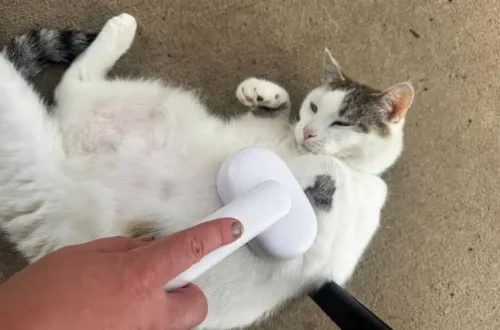
Since both breeds have long coats, grooming is an important part of ownership.
Grooming a Siberian
Despite having a thick triple coat, Siberians are often easier to maintain than people expect.
Routine grooming includes:
- Brushing two or three times each week
- Extra brushing during seasonal shedding
- Nail trimming
- Ear cleaning
- Dental care
Because the Siberian’s coat has a naturally protective texture, it tends to resist matting better than many other long-haired breeds.
Grooming a Ragdoll
Ragdolls have silky fur that usually mats less than woolly coats, but regular grooming is still necessary.
Recommended care includes:
- Brushing two or three times weekly
- Daily brushing during heavy shedding
- Nail trimming
- Ear cleaning
- Dental care
Regular grooming also helps reduce loose hair around the home.
Shedding Comparison
Many prospective owners wonder which breed sheds more.
The answer depends on the season and the individual cat.
Siberian Shedding
Siberians typically experience noticeable seasonal shedding.
During spring and autumn, they often lose a significant amount of their undercoat as they transition between winter and summer coats.
Outside these periods, shedding is usually moderate.
Ragdoll Shedding
Ragdolls shed throughout the year.
Although their coat lacks the dense undercoat found in Siberians, they still lose loose hairs regularly.
Consistent brushing helps minimize hair around the house.
Which Breed Sheds More?
Neither breed is truly low-shedding.
The Siberian often sheds more during seasonal coat changes, while the Ragdoll tends to shed more consistently throughout the year.
Regular grooming benefits both breeds.
Health Comparison
Responsible breeding has improved the health of both breeds, but each can still be affected by certain inherited conditions.
Siberian Health
Many Siberians live long, healthy lives.
However, they may be predisposed to conditions such as:
- Hypertrophic cardiomyopathy (HCM)
- Obesity if overfed
- Dental disease
- Joint problems in older cats
Regular veterinary care and responsible breeding significantly reduce health risks.
Ragdoll Health
Ragdolls are also generally healthy but may be more likely to experience:
- Hypertrophic cardiomyopathy (HCM)
- Polycystic kidney disease (rare in some lines)
- Bladder stones
- Obesity
- Dental issues
Choosing a breeder who performs health testing is important for either breed.
Lifespan Comparison
Both breeds are known for relatively long lifespans when properly cared for.
| Breed | Average Lifespan |
|---|---|
| Siberian | 12–18+ years |
| Ragdoll | 12–17 years |
Good nutrition, routine veterinary care, exercise, and maintaining a healthy weight all contribute to longevity.
Hypoallergenic Potential
This is one of the most common questions people ask when comparing these breeds.
Siberian Cat
Some Siberians produce lower levels of the Fel d 1 protein, the primary allergen responsible for most cat allergies.
Because of this, some allergy sufferers find they tolerate Siberians better than other breeds.
However, no Siberian is completely hypoallergenic, and individual reactions vary.
Ragdoll
Ragdolls are not considered hypoallergenic.
They produce the same common allergens found in most domestic cats, and there is no evidence that they consistently produce lower allergen levels.
If allergies are a concern, spending time with an individual cat before adoption is the best approach.
Living With Children
Both breeds are excellent family companions.
Siberian
Siberians are:
- Patient
- Playful
- Gentle
- Energetic
They often enjoy interactive games with children who understand how to handle cats respectfully.
Ragdoll
Ragdolls are famous for their relaxed temperament.
They are generally:
- Calm
- Patient
- Gentle
- Affectionate
Many families appreciate how tolerant Ragdolls are of quiet handling and everyday household activity.
Children should always be taught to interact gently with any cat.
Living With Other Pets
Both breeds usually adapt well to multi-pet households.
Siberian
They often enjoy:
- Playing with other cats
- Living with cat-friendly dogs
- Exploring shared spaces
Ragdoll
Ragdolls generally:
- Accept other pets easily
- Prefer peaceful companions
- Thrive in calm households
Proper introductions remain essential regardless of breed.
Apartment vs House
Siberian
Siberians can adapt to apartment living if they receive enough daily exercise and enrichment.
They especially appreciate:
- Cat trees
- Climbing shelves
- Interactive toys
- Window perches
Homes with additional space naturally provide more opportunities for exploration.
Ragdoll
Ragdolls adapt exceptionally well to apartment living.
Because of their relaxed personality, they are often perfectly happy indoors as long as they receive companionship and moderate daily play.
Cost of Ownership
The purchase price is only one part of owning either breed.
Long-term expenses include:
- High-quality food
- Veterinary care
- Vaccinations
- Grooming tools
- Toys
- Cat trees
- Pet insurance (optional)
- Emergency medical care
Purebred kittens from reputable breeders generally cost more than adoption fees, but responsible breeding often includes health testing and early socialization.
When choosing between these breeds, focus on the total lifetime cost rather than the initial purchase price alone.
Quick Comparison: Which Breed Wins?
| Category | Better Choice |
|---|---|
| Intelligence | Siberian |
| Activity Level | Siberian |
| Calm Personality | Ragdoll |
| Cuddling | Ragdoll |
| Athletic Ability | Siberian |
| Apartment Living | Ragdoll |
| Outdoor Adventures (supervised) | Siberian |
| Grooming Difficulty | Tie |
| Family Friendliness | Tie |
| Multi-Pet Homes | Tie |
| Potential for Allergy Sufferers | Siberian |
Siberian Cat × Ragdoll Mix
A Siberian × Ragdoll mix combines two affectionate and beautiful long-haired breeds. Although this cross is less common than purebred Siberians or Ragdolls, it can inherit desirable qualities from both parents.
Since every kitten receives a different combination of genes, no two Siberian Ragdoll mixes are exactly alike. Some may resemble the athletic Siberian, while others inherit more of the Ragdoll’s relaxed personality and elegant appearance.
Appearance
A Siberian Ragdoll mix may have:
- Medium to large body
- Semi-long to long coat
- Muscular build
- Bushy tail
- Rounded or slightly wedge-shaped head
- Blue, green, gold, or amber eyes
- Various coat colors and patterns
Unlike purebred Ragdolls, a Siberian Ragdoll mix is not guaranteed to have blue eyes or a colorpoint coat.
Personality
Many Siberian Ragdoll mixes are known for being:
- Affectionate
- Intelligent
- Gentle
- Curious
- Loyal
- Family-oriented
- Playful without being overly demanding
They often enjoy interactive play but also appreciate relaxing with their owners.
Grooming
Because both parent breeds have long coats, regular grooming is important.
Most owners should plan to:
- Brush the coat two or three times each week.
- Increase brushing during seasonal shedding.
- Trim nails regularly.
- Check ears and teeth as part of routine care.
Pros and Cons
Every breed has strengths and challenges. Understanding both helps you choose the right companion for your lifestyle.
Siberian Cat
Pros
- Highly intelligent
- Athletic and playful
- Strong climber
- Affectionate without being overly dependent
- Naturally curious
- Generally adapts well to families
- May produce lower levels of the Fel d 1 allergen than many other breeds
Cons
- Needs regular mental stimulation
- Seasonal shedding can be heavy
- Requires consistent grooming
- Can become bored without enrichment
- Enjoys climbing, which may not suit every home
Ragdoll
Pros
- Extremely gentle
- Calm temperament
- Loves human companionship
- Excellent with children
- Usually adapts well to apartment living
- Quiet and easygoing
Cons
- Less active than many breeds
- May dislike being left alone for long periods
- Requires regular grooming
- Can gain weight if inactive
- Usually prefers indoor living because of its trusting personality
Which Breed Should You Choose?
There is no universal winner in the Siberian cat vs Ragdoll comparison.
Instead, the best breed depends on your lifestyle, activity level, and expectations.
Choose a Siberian Cat If You Want:
- An active companion
- A playful cat that enjoys climbing
- High intelligence
- Interactive games
- A confident explorer
- A naturally athletic breed
The Siberian is ideal for owners who enjoy engaging with their cat through daily play and enrichment.
Choose a Ragdoll If You Want:
- A calm indoor companion
- A cat that enjoys cuddling
- Gentle behavior
- A relaxed household pet
- A quiet personality
- A laid-back lifestyle
Ragdolls are often a great choice for people looking for an affectionate companion that enjoys spending time close to its family.
Siberian Cat vs Ragdoll: Side-by-Side Summary
| Category | Siberian Cat | Ragdoll |
|---|---|---|
| Origin | Russia | United States |
| Body Type | Muscular and athletic | Large and sturdy |
| Activity | High | Moderate |
| Intelligence | Very high | High |
| Grooming | Moderate | Moderate to high |
| Shedding | Seasonal | Year-round |
| Personality | Curious and playful | Calm and affectionate |
| Vocalization | Quiet to moderate | Usually quiet |
| Children | Excellent | Excellent |
| Other Pets | Excellent | Excellent |
| Apartment Living | Good with enrichment | Excellent |
| Outdoor Ability | Better suited to supervised outdoor adventures | Best kept indoors |
| Potential for Allergy Sufferers | May be better for some people | Not considered hypoallergenic |
Final Verdict
When comparing the Ragdoll cat vs Siberian cat, it’s clear that both breeds make exceptional companions, but they appeal to different types of owners.
The Siberian is energetic, intelligent, and adventurous. It enjoys climbing, exploring, and interactive play, making it a great fit for families or individuals who want an active and engaging pet.
The Ragdoll is calm, affectionate, and people-oriented. It thrives in peaceful homes where it can spend plenty of time with its family and is well suited to owners looking for a gentle indoor companion.
Neither breed is inherently better than the other. The right choice depends on your home, daily routine, and the kind of relationship you hope to build with your cat.
Whichever breed you choose, obtaining your cat from a responsible breeder or adopting through a reputable rescue, providing proper nutrition, regular veterinary care, and plenty of affection will help ensure a happy and healthy life together.
Frequently Asked Questions
Which is better, a Siberian cat or a Ragdoll?
Neither breed is objectively better. Siberians are more active and adventurous, while Ragdolls are generally calmer and more relaxed. The best choice depends on your lifestyle.
Are Siberian cats bigger than Ragdolls?
Both are considered large breeds. Ragdolls often have a longer body, while Siberians are typically more muscular and compact.
Which breed sheds more?
Both shed regularly. Siberians usually experience heavier seasonal shedding, while Ragdolls tend to shed more consistently throughout the year.
Are Siberian cats more playful than Ragdolls?
Yes. Siberians are generally more energetic and enjoy climbing, exploring, and interactive games, whereas Ragdolls usually have a more relaxed play style.
Which breed is easier to groom?
Neither breed is completely low-maintenance. Both benefit from brushing two or three times a week, although the Siberian’s textured triple coat is often less prone to matting than people expect.
Are Siberian cats hypoallergenic compared to Ragdolls?
No cat is truly hypoallergenic. However, some Siberians produce lower levels of the Fel d 1 allergen, which may make them more tolerable for certain allergy sufferers. Ragdolls are not considered hypoallergenic.
Which breed is better for first-time cat owners?
Both breeds can be suitable for beginners. Ragdolls are often recommended for owners seeking a calm companion, while Siberians are a good choice for those who enjoy a more active and interactive pet.
Do Siberian cats and Ragdolls get along with dogs?
Yes. Both breeds generally adapt well to living with cat-friendly dogs when introductions are gradual and supervised.
What is a Siberian Ragdoll mix like?
A Siberian × Ragdoll mix often combines the Siberian’s intelligence and playful nature with the Ragdoll’s affectionate personality. Appearance and temperament vary depending on inherited traits.
Which breed lives longer?
Siberian cats typically have an average lifespan of 12–18 years or more, while Ragdolls generally live 12–17 years. An individual’s lifespan depends on genetics, nutrition, healthcare, and overall lifestyle.