



Introduction
The Siberian cat is one of the oldest natural cat breeds in the world. Unlike many modern breeds that were created through selective breeding, the Siberian developed naturally over hundreds of years in the harsh forests of Russia. Its thick triple coat, muscular body, and remarkable adaptability are the result of generations of natural evolution rather than human intervention.
Today, the Siberian cat is admired for its affectionate personality, intelligence, and striking appearance. However, its journey began long before cat shows and breed registries existed. Understanding the breed’s history and origin helps explain why Siberian cats possess many of the unique characteristics that make them popular among cat lovers today.
In this guide, we’ll explore where Siberian cats came from, how they survived in some of the world’s coldest climates, and how they eventually became recognized as one of the most respected natural cat breeds.
Where Did the Siberian Cat Originate?
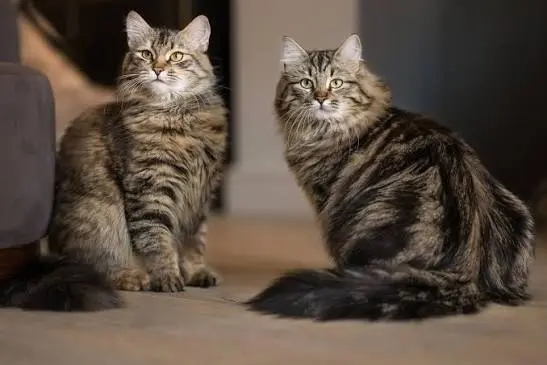
The Siberian cat originated in Russia, specifically within the vast forests and rural regions of Siberia.
Siberia is known for its long, freezing winters, heavy snowfall, and rugged landscapes. These challenging environmental conditions played a significant role in shaping the breed over many centuries.
Unlike breeds developed through planned breeding programs, Siberian cats adapted naturally to their surroundings. Only the strongest, healthiest, and most resilient cats survived and reproduced, gradually creating the powerful and well-insulated breed we recognize today.
Because of this natural development, the Siberian is often classified as a natural breed, meaning its physical characteristics evolved primarily through environmental adaptation rather than selective breeding by humans.
The Early History of the Siberian Cat
Although the exact origin of the Siberian cat cannot be traced to a single point in history, references to large, long-haired cats living in Russia have existed for centuries.
Historical records suggest that cats resembling today’s Siberians were present in Russian villages, farms, monasteries, and forest settlements long before organized cat breeding became popular.
These cats were highly valued because they helped protect homes, barns, and food supplies by controlling rodent populations. Their hunting abilities, intelligence, and ability to survive harsh winters made them important companions in rural communities.
Over time, these naturally adapted cats spread throughout different parts of Russia, where they continued developing without significant human interference.
Life in the Forests of Siberia
The forests of Siberia presented one of the harshest environments on Earth.
During winter, temperatures could remain well below freezing for extended periods, while deep snow covered the landscape for months at a time. Food was often difficult to find, and only the most adaptable animals survived.
Siberian cats developed several characteristics that helped them thrive in these conditions.
These adaptations include:
- A dense, water-resistant triple coat
- Powerful muscles for climbing and hunting
- Large paws that provide better stability on snow
- A thick bushy tail that helps conserve body heat
- Strong immune systems developed through natural selection
Rather than being created for appearance, these traits evolved because they improved the cats’ chances of survival.
Did Siberian Cats Live in the Wild?
One common question is whether Siberian cats originally lived in the wild.
The answer is both yes and no.
Modern Siberian cats are domestic cats, but their ancestors often lived semi-independent lives around forests, farms, and rural villages. Many hunted their own food while also interacting with nearby human communities.
Instead of being completely wild animals, they occupied a middle ground between domesticated companions and highly skilled natural hunters.
This close relationship with both nature and humans helped shape the breed’s balanced temperament. Even today, Siberian cats retain strong hunting instincts while remaining affectionate family pets.
How Snow Shaped the Siberian Cat
Snow wasn’t simply part of the Siberian cat’s environment—it influenced the breed’s evolution.
Living in snowy regions required cats to conserve energy, stay warm, and move efficiently across icy terrain.
Over generations, natural selection favored cats with physical features that improved survival during harsh winters.
For example:
- Thick fur provided excellent insulation.
- The waterproof outer coat helped repel snow and moisture.
- Dense underfur trapped body heat.
- Large paws distributed weight more evenly across snow-covered ground.
- Strong hind legs allowed cats to jump and climb with ease.
These adaptations explain why the Siberian cat remains one of the most physically robust domestic cat breeds today.
Natural Evolution Instead of Selective Breeding
Many popular cat breeds were developed by breeders who selected specific physical traits over multiple generations.
The Siberian followed a very different path.
For most of its history, the breed evolved naturally with minimal human intervention. Environmental conditions—not breeding goals—determined which cats survived and reproduced.
As a result, Siberians developed:
- Excellent physical strength
- High intelligence
- Strong climbing ability
- Exceptional adaptability
- Dense weather-resistant coats
- Overall good health
Because they evolved naturally over centuries, Siberian cats are often considered one of the healthiest and most genetically diverse purebred cat breeds.
Why the Siberian Cat Is Called a Natural Breed
The term natural breed refers to a breed that developed primarily through environmental adaptation rather than deliberate human breeding.
The Siberian cat is one of the best-known examples of this type of breed.
Instead of selecting cats for appearance alone, nature shaped the Siberian through survival. Each generation inherited characteristics that helped them cope with cold temperatures, snowy forests, and demanding living conditions.
This natural history is one reason why many people appreciate the Siberian not only for its beauty but also for its resilience, athletic ability, and balanced temperament.
From Russian Villages to the Modern Siberian Cat
Although Siberian cats developed naturally in the forests of Russia, they did not remain isolated forever. As people moved between rural villages and growing cities, these hardy cats became well-known for their beauty, intelligence, and ability to adapt to different environments.
For centuries, Siberian cats lived alongside farmers, merchants, and families, earning a reputation as dependable companions and skilled hunters. Their popularity gradually spread throughout Russia long before they became recognized by international cat organizations.
The Siberian Cat in Russian Culture
The Siberian cat has long been associated with Russian history and folklore.
Large, long-haired cats were commonly found in rural homes, monasteries, and farming communities, where they protected grain stores and homes from rodents. Because of their strength and thick coats, they were well suited to Russia’s harsh climate and became trusted companions in many households.
Although stories about Siberian cats appear in Russian folklore, many of these tales are cultural traditions rather than verified historical records. What is well documented is the breed’s long presence throughout Russia and its natural development over many centuries.
From Working Cat to Family Companion
Originally, Siberian cats were valued for practical reasons rather than appearance.
They were excellent hunters capable of catching mice and other small pests that threatened food supplies. Their intelligence, agility, and independence allowed them to thrive in farms, villages, and forest settlements.
As people’s relationships with cats evolved, Siberians became appreciated not only for their working ability but also for their gentle and affectionate personalities.
Today, they’re equally admired as family companions and beautiful show cats.
The Journey Beyond Russia
For many years, Siberian cats remained largely unknown outside their native country.
During the late twentieth century, breeders began introducing the breed to Europe and North America. As more people discovered their friendly temperament and impressive appearance, interest in the breed grew steadily.
International breeding programs helped preserve the Siberian’s natural characteristics while introducing the breed to cat enthusiasts around the world.
Despite becoming increasingly popular, responsible breeders continue working to maintain the breed’s health, temperament, and traditional physical features.
Recognition by Cat Registries
As Siberian cats gained international attention, major cat organizations officially recognized the breed.
Recognition by respected registries helped establish consistent breed standards while encouraging responsible breeding practices.
Today, the Siberian is recognized by organizations such as:
- The International Cat Association (TICA)
- Cat Fanciers’ Association (CFA)
- Fédération Internationale Féline (FIFe)
- Governing Council of the Cat Fancy (GCCF)
Each organization maintains breed standards describing the Siberian’s body structure, coat, temperament, and overall appearance.
Evolution of the Modern Siberian Cat
Although modern Siberian cats may live in comfortable homes rather than snowy forests, they still display many characteristics inherited from their ancestors.
These include:
- Thick triple coats
- Powerful muscular bodies
- Excellent jumping ability
- Strong climbing skills
- High intelligence
- Curious personalities
- Adaptability to different environments
These natural traits continue to distinguish the Siberian from many other domestic cat breeds.
How the Breed Has Stayed Healthy
One reason the Siberian cat is often considered a relatively healthy breed is its natural origin.
Unlike some breeds developed through extensive selective breeding, Siberians maintained a broader genetic diversity for much of their history. Responsible breeders continue supporting the breed’s health by selecting breeding cats carefully and performing appropriate health testing.
Even so, regular veterinary care, balanced nutrition, exercise, and preventive healthcare remain essential throughout a Siberian cat’s life.
Timeline of Siberian Cat History
| Time Period | Historical Development |
|---|---|
| Centuries Ago | Long-haired cats naturally develop in the forests and rural regions of Siberia. |
| Early Russian History | Cats become valued for protecting homes, farms, and grain storage from rodents. |
| Hundreds of Years | Natural selection strengthens the breed’s coat, body, and adaptability. |
| Late 20th Century | Siberian cats begin spreading beyond Russia through responsible breeding programs. |
| Modern Day | The breed is recognized internationally and becomes popular as both a companion and show cat. |
Interesting Facts About Siberian Cat History
The history of the Siberian cat includes many fascinating details that make the breed unique.
- The Siberian is considered one of the oldest natural cat breeds.
- Its thick triple coat developed naturally to withstand extremely cold winters.
- The breed evolved without extensive human-directed selective breeding.
- Siberian cats are excellent climbers and agile hunters.
- Many modern Siberians still display instincts that helped their ancestors survive in forest environments.
- Their slow physical development is another characteristic inherited from generations of natural evolution.
- Today, Siberians are admired worldwide for combining strength, beauty, intelligence, and affection in one remarkable breed.
Myth vs Fact
Understanding the difference between myths and verified information helps create a clearer picture of the Siberian cat’s history.
| Myth | Fact |
|---|---|
| Siberian cats were created by modern breeders. | The breed developed naturally over centuries in Russia. |
| Siberian cats lived completely in the wild. | Their ancestors often lived around forests, farms, and villages while interacting with people. |
| Their thick coat was bred only for appearance. | The coat evolved naturally to protect them from harsh winters and heavy snow. |
| Every long-haired Russian cat is a Siberian. | Only cats that meet recognized breed standards belong to the Siberian breed. |
| Siberian cats are a modern breed. | Historical evidence suggests the breed has existed in Russia for hundreds of years. |
The Siberian Cat Today
The modern Siberian cat is admired worldwide for combining natural beauty, athletic ability, and a gentle personality. Although today’s Siberians are usually kept as indoor companions, many still display the instincts that helped their ancestors survive in Russia’s forests.
Owners often notice their Siberian enjoys climbing to high places, exploring new environments, solving interactive puzzles, and chasing toys. These behaviors reflect the breed’s long history as an agile hunter rather than being traits developed through selective breeding.
At the same time, Siberian cats have adapted exceptionally well to family life. Their affectionate nature, intelligence, and confidence make them suitable companions for singles, couples, families with children, and homes with other pets when introductions are handled properly.
How History Shaped the Siberian Cat’s Personality
A breed’s history often explains why it behaves the way it does today.
Because Siberian cats survived for centuries in challenging environments, they developed qualities that remain noticeable in modern generations.
Some of these characteristics include:
- Strong problem-solving skills
- High intelligence
- Curiosity about new surroundings
- Excellent climbing ability
- Confidence without excessive aggression
- Affection toward trusted family members
- Adaptability to changing environments
Unlike some breeds that prefer spending most of the day alone, Siberians generally enjoy being involved in family activities while still maintaining an independent streak.
Why the Siberian Cat Remains One of the Most Popular Natural Breeds
The Siberian cat’s popularity continues to grow because it offers a combination of qualities that many cat lovers appreciate.
Its impressive appearance immediately attracts attention, but owners often stay devoted to the breed because of its temperament.
Reasons people admire Siberians include:
- Naturally developed, balanced body structure
- Luxurious triple coat that evolved for protection
- Friendly and affectionate personality
- Intelligence and trainability
- Athletic yet gentle nature
- Strong bond with family members
- Long history as one of the world’s oldest natural cat breeds
Rather than being famous for a single feature, the Siberian stands out because it combines beauty, resilience, and companionship in one remarkable breed.
Why Understanding the Breed’s History Matters
Learning about the Siberian cat’s history isn’t just interesting—it also helps future owners understand the breed’s needs.
Knowing that Siberians evolved in harsh climates explains why they have dense coats, enjoy climbing, remain physically active, and require regular grooming despite being relatively low-maintenance in many other aspects.
Their history also reminds us that these cats were never bred solely for appearance. Their strength, intelligence, and adaptability were shaped naturally over hundreds of years, making them one of the most authentic examples of a naturally developed domestic cat breed.
Understanding this background allows owners to appreciate not only how Siberians look but also why they behave the way they do.
Final Thoughts
The story of the Siberian cat history and origin begins in the cold forests of Russia, where generations of natural selection shaped one of the world’s oldest and most resilient cat breeds. From protecting farms and rural homes to becoming a beloved companion across the globe, the Siberian has remained remarkably true to its natural heritage.
Its thick weather-resistant coat, muscular build, intelligence, and affectionate personality are not the result of modern breeding trends but centuries of adaptation to one of the harshest environments on Earth. Those same qualities continue to make the Siberian a favorite among cat enthusiasts today.
Whether you’re researching the Siberian cat origin, wondering how these cats survived in Siberia, curious about their life in the wild, or fascinated by how they adapted to heavy snow, one thing is clear: the Siberian’s history is every bit as impressive as the breed itself.
Frequently Asked Questions
Where did the Siberian cat originate?
The Siberian cat originated in Russia, particularly in the forests and rural regions of Siberia. It developed naturally over many centuries as it adapted to one of the world’s coldest climates.
Is the Siberian cat a natural breed?
Yes. The Siberian is considered a natural breed, meaning it evolved through natural selection rather than being created through planned selective breeding programs.
Did Siberian cats live in the wild?
The ancestors of today’s Siberian cats often lived around forests, farms, and villages. They hunted independently but also lived alongside people, making them neither completely wild nor fully dependent on humans.
How did Siberian cats survive in the snow?
Siberian cats developed several natural adaptations, including a dense triple coat, large paws for better traction, a muscular body, and a thick tail that helped them stay warm during harsh winters.
Why do Siberian cats have such thick fur?
Their luxurious triple coat evolved naturally to protect them from freezing temperatures, snow, wind, and moisture in the Siberian climate.
When did Siberian cats become internationally recognized?
The breed gained international recognition during the late twentieth century as responsible breeders introduced Siberian cats to Europe and North America. Today, major cat registries around the world officially recognize the breed.
Are modern Siberian cats different from their ancestors?
While today’s Siberians are primarily companion animals, they still retain many characteristics inherited from their ancestors, including intelligence, agility, strong climbing abilities, and a weather-resistant coat.
Why is the Siberian cat considered one of the healthiest cat breeds?
Because the breed developed naturally over centuries with relatively broad genetic diversity, Siberians are generally regarded as a healthy breed. However, responsible breeding, regular veterinary care, proper nutrition, and preventive healthcare remain essential for every cat.
What makes the Siberian cat’s history unique?
Unlike many modern breeds created through selective breeding, the Siberian evolved naturally in Russia’s forests. Its appearance, physical strength, and temperament were shaped primarily by environmental adaptation, making it one of the oldest and most authentic natural cat breeds in the world.
How does the Siberian cat’s history influence its personality today?
Its history as an adaptable forest hunter contributes to many of the traits owners appreciate today, including intelligence, curiosity, confidence, athleticism, problem-solving ability, and a strong bond with family members.