








Introduction
If you’ve been searching for a Siberian Cat Adoption & Rescue guide, you’re already considering one of the most rewarding ways to welcome a new feline companion into your home. While many people look for Siberian kittens from breeders, adoption offers an opportunity to provide a loving home to a cat that needs a second chance.
Although purebred Siberian cats are less common in shelters than mixed-breed cats, they do become available through breed-specific rescue organizations, animal shelters, and adoption networks. Whether you’re hoping to adopt an adult Siberian Forest Cat, a young kitten, or simply want to learn how the adoption process works, understanding where to look and what to expect will help you make an informed decision.
This guide explains how to find a Siberian cat up for adoption, what reputable rescue organizations do, how adoption differs from buying a kitten, and what you should know before bringing your new companion home.
Why Choose Adoption?
Adopting a cat is about much more than saving money. It allows a deserving animal to become part of a caring family while allowing adopters to experience the companionship that makes Siberian cats so special.
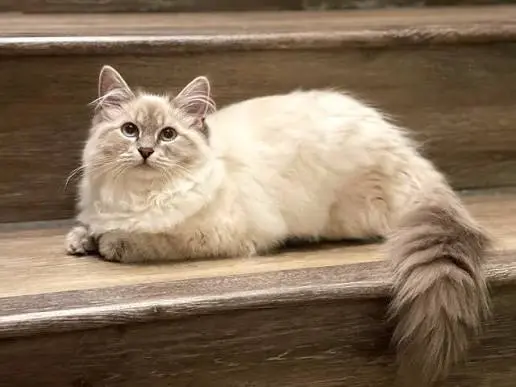
Many rescued Siberian cats are surrendered because of changes in their owner’s circumstances rather than behavioral or health problems. Relocation, allergies within the household, financial difficulties, or lifestyle changes can all result in responsible owners placing their cats through rescue organizations.
By choosing adoption, you’re helping reduce the number of cats waiting for permanent homes while gaining a loyal and affectionate companion.
Some advantages of adopting include:
- Giving a cat a second chance at a loving home
- Supporting rescue organizations and shelters
- Lower adoption fees compared to purchasing from a breeder
- Many adult cats are already litter trained
- Temperament is often easier to evaluate than with young kittens
- Some cats are already vaccinated, microchipped, and spayed or neutered
Understanding Siberian Cat Rescue
A Siberian cat rescue is an organization that helps rehome Siberian cats whose owners can no longer care for them. These organizations evaluate each cat’s health and temperament before matching it with a suitable family.
Unlike pet stores or commercial sellers, rescue organizations focus on finding permanent, responsible homes rather than making quick sales.
Many rescue groups work with foster families. Instead of keeping cats in shelters, they place them in temporary homes where volunteers can observe their personality, behavior, and daily habits. This allows adopters to receive a better understanding of the cat before committing.
Are Purebred Siberian Cats Available for Adoption?
Yes, although they are much less common than mixed-breed cats.
Because Siberian cats are a relatively uncommon breed, they may not always be available at your local shelter. However, they do occasionally enter rescue programs due to owner surrender, family changes, or other circumstances unrelated to the cat itself.
If you’re specifically hoping to adopt a purebred Siberian, patience is important. Availability changes regularly, and many rescue organizations maintain waiting lists for prospective adopters.
Keeping an open mind about age, gender, or coat color may increase your chances of finding the right companion.
Siberian Cat Adoption vs Buying From a Breeder
Both adoption and purchasing from a responsible breeder are valid options, but each offers different advantages depending on your goals.
| Adoption | Buying From a Breeder |
|---|---|
| Gives a cat a second chance | Greater choice of kittens |
| Usually lower cost | Known pedigree and lineage |
| Adult personality already developed | More options for coat colors and eye colors |
| Often includes vaccinations and spay/neuter | Early socialization history available |
| Supports rescue organizations | Health testing of breeding cats may be available |
If your priority is providing a loving home to a cat in need, adoption is an excellent choice. If you’re looking for a young kitten with documented pedigree and known bloodlines, purchasing from a responsible breeder may better match your expectations.
Where to Find Siberian Cats Up for Adoption
Finding a Siberian cat requires patience and careful research. Rather than relying on random online listings, begin with trusted adoption resources and organizations that prioritize animal welfare.
Some of the best places to search include:
Animal Shelters
Local shelters occasionally receive Siberian cats or Siberian mixes. Even if one isn’t currently available, many shelters allow you to create adoption alerts for specific breeds.
Breed-Specific Rescue Organizations
Some rescue groups specialize in long-haired or purebred cats, including Siberians. These organizations often have extensive knowledge about the breed and carefully match cats with suitable families.
Foster-Based Rescue Programs
Cats living with foster families receive individual care, allowing volunteers to evaluate personality, activity level, grooming needs, and compatibility with children or other pets.
Online Adoption Platforms
Well-known adoption platforms allow you to search by breed, location, age, and other preferences. These websites can help connect adopters with reputable shelters and rescue organizations while providing detailed information about available cats.
What to Expect During the Adoption Process
Every rescue organization has its own procedures, but most follow a similar process designed to ensure each cat is placed in a safe and permanent home.
The adoption process typically includes:
- Completing an adoption application.
- Discussing your lifestyle and experience with cats.
- Reviewing your housing situation and household members.
- Meeting the cat in person or virtually.
- Paying the adoption fee.
- Signing an adoption agreement.
- Bringing your new Siberian cat home after approval.
Although this process may take longer than purchasing a kitten, these steps help create successful, long-term matches for both the cat and its new family.
Siberian Cat Rescue in Texas
If you’re searching for a Siberian cat rescue in Texas, it’s important to understand that dedicated Siberian rescue organizations are relatively uncommon. However, this doesn’t mean you can’t adopt one.
Many Siberian cats become available through local animal shelters, foster-based rescue groups, and adoption platforms that work with purebred and mixed-breed cats. Because availability changes frequently, it’s worth checking listings regularly and setting up breed alerts when possible.
When searching in Texas:
- Check reputable adoption websites regularly.
- Contact local rescue organizations and ask if they have Siberian cats or Siberian mixes.
- Join breed-specific adoption groups that share available cats.
- Be prepared to travel within the state if the right cat becomes available.
Patience often leads to the best match, especially with less common breeds like the Siberian.
Siberian Cat Rescue in Florida
Florida has numerous animal shelters and rescue organizations, making it another good place to search for Siberian cats available for adoption.
While you may not always find a purebred Siberian immediately, rescue organizations frequently receive owner surrenders and occasionally have long-haired breeds available.
Before submitting an application:
- Read the cat’s profile carefully.
- Review medical history if available.
- Ask about temperament.
- Learn whether the cat has lived with children or other pets.
- Confirm vaccination and spay/neuter status.
Some rescue groups also offer post-adoption support to help new owners during the transition.
Siberian Cat Rescue in Colorado
People searching for a Siberian cat rescue in Colorado should consider both local shelters and regional adoption organizations.
Because Siberian cats are uncommon, rescue groups sometimes maintain waiting lists for specific breeds. Registering your interest early can improve your chances of being contacted when a suitable cat arrives.
It’s also helpful to remain flexible regarding:
- Age
- Gender
- Coat color
- Adult cats versus kittens
Many adult Siberian cats quickly adapt to new homes and often make wonderful companions.
Siberian Cat Rescue in California
California has one of the largest networks of shelters and rescue organizations in the United States.
If you’re looking for a Siberian cat rescue in California, you’ll likely have access to a wider range of adoption opportunities than many other states.
To improve your search:
- Check adoption listings frequently.
- Contact rescue organizations directly.
- Ask to join waiting lists.
- Consider nearby cities rather than limiting yourself to one location.
Many successful adopters find their future pets after monitoring listings consistently for several weeks or months.
How to Choose the Right Siberian Cat
Finding a Siberian cat is only the first step. Choosing one that fits your household is equally important.
Rather than selecting a cat based only on appearance, consider its health, personality, and energy level.
Observe Personality
Siberian cats are known for being intelligent, affectionate, and curious.
A well-socialized rescue cat should gradually become comfortable around people, even if it seems slightly shy during your first meeting.
Look for cats that:
- Show curiosity about their surroundings.
- Respond calmly to gentle interaction.
- Display relaxed body language.
- Enjoy playing with toys.
- Appear comfortable around caregivers.
Remember that rescue cats may need time to adjust before showing their true personality.
Review Health Records
Most reputable rescue organizations provide veterinary information before adoption.
This may include:
- Vaccination history
- Microchip details
- Spay or neuter records
- Deworming treatments
- Recent veterinary examinations
Reviewing these records helps you understand your future pet’s healthcare history.
Ask Questions
Don’t hesitate to ask the rescue organization questions.
Helpful questions include:
- Why was the cat surrendered?
- Has the cat lived with children?
- Is it comfortable with other cats or dogs?
- Does it have any medical conditions?
- What food is it currently eating?
- Does it enjoy grooming?
- Has it shown any behavioral concerns?
Good rescue organizations are happy to answer these questions because they want successful adoptions.
Understanding Adoption Fees
Many first-time adopters are surprised that rescue organizations charge adoption fees.
These fees help cover the cost of caring for rescued cats before they find permanent homes.
Depending on the organization, adoption fees may include:
- Veterinary examinations
- Vaccinations
- Spaying or neutering
- Microchipping
- Deworming
- General medical care
Although adoption fees vary, they are often significantly lower than purchasing a purebred Siberian kitten from a breeder.
Preparing Your Home Before Adoption
Preparing your home before bringing your Siberian cat home makes the transition much smoother.
Gather essential supplies in advance, including:
- Food and water bowls
- High-quality cat food
- Litter box and litter
- Comfortable bed
- Scratching post
- Cat tree
- Grooming brush
- Interactive toys
- Secure pet carrier
Create a quiet room where your new cat can adjust during the first few days. Giving the cat a safe, peaceful environment helps reduce stress and builds confidence in its new home.
Bringing Your Adopted Siberian Cat Home
The first few days after adoption are an adjustment period for both you and your new companion. Even a confident Siberian cat may feel uncertain in an unfamiliar environment.
Give your cat time to explore at its own pace. Avoid forcing interaction or introducing every room at once. Instead, start with one quiet space that includes food, water, a litter box, a comfortable bed, and a scratching post.
Some Siberian cats settle in within a day or two, while others may take several weeks to feel completely comfortable. Patience and consistency help build trust.
To help your cat adjust:
- Keep feeding times consistent.
- Speak in a calm, gentle voice.
- Allow the cat to approach you first.
- Maintain a regular daily routine.
- Offer interactive toys and gentle play sessions.
- Schedule a veterinary checkup within the first week if recommended.
Common Mistakes to Avoid During Adoption
Adopting a Siberian cat is a long-term commitment, and avoiding a few common mistakes can make the transition much smoother.
Choosing Based Only on Appearance
Beautiful coat colors or striking blue eyes may catch your attention, but personality, health, and compatibility are far more important than appearance alone.
Ignoring Grooming Needs
The Siberian’s dense triple coat requires regular brushing to reduce loose hair and prevent tangles, particularly during seasonal shedding.
Expecting Immediate Bonding
Every cat adjusts differently. Some become affectionate immediately, while others need time to build confidence in their new surroundings.
Skipping Veterinary Care
Even if a rescue has already examined the cat, establishing care with your own veterinarian is an important part of responsible pet ownership.
Underestimating Long-Term Responsibility
A healthy Siberian cat can live for well over a decade. Before adopting, consider the long-term costs of food, grooming, preventive healthcare, and emergency veterinary care.
Is a Siberian Cat Right for You?
A Siberian cat can be an excellent choice for families, couples, singles, and experienced cat owners who want an affectionate, intelligent, and playful companion.
This breed generally thrives in homes where it receives attention, mental stimulation, and opportunities for daily activity. While Siberians enjoy spending time with their families, they also appreciate having climbing spaces, scratching posts, and interactive toys to keep them engaged.
Before adopting, ask yourself:
- Do I have time for daily interaction?
- Can I provide regular grooming?
- Am I prepared for routine veterinary care?
- Can I commit to caring for a cat for many years?
- Is my home suitable for an active, curious breed?
If your answer is yes, adopting a Siberian cat may be one of the most rewarding decisions you make.
Final Thoughts
Choosing Siberian Cat Adoption & Rescue over purchasing from a breeder allows a deserving cat to become part of a loving family while providing you with a loyal and affectionate companion.
Although purebred Siberian cats are less common in shelters, they do become available through reputable rescue organizations, foster programs, and trusted adoption platforms. Taking time to research organizations, ask thoughtful questions, and prepare your home increases the likelihood of a successful adoption.
Whether you’re searching for a Siberian cat up for adoption, exploring Siberian cat rescue in Texas, Florida, Colorado, or California, patience and responsible planning will help you find the right feline companion.
Remember that adoption isn’t just about bringing home a beautiful cat—it’s about giving that cat a safe, permanent, and caring home for life.
Frequently Asked Questions
Where can I find a Siberian cat for adoption?
You can find Siberian cats through animal shelters, foster-based rescue organizations, breed-specific rescues, and reputable adoption websites. Because the breed is relatively uncommon, checking listings regularly and joining waiting lists can improve your chances.
Are purebred Siberian cats available in rescues?
Yes. While they’re less common than mixed-breed cats, purebred Siberian cats are occasionally surrendered due to changes in an owner’s circumstances, such as relocation, financial difficulties, or family changes.
How much does Siberian cat adoption cost?
Adoption fees vary by organization but often include vaccinations, spaying or neutering, microchipping, and an initial health examination. Adoption is usually much less expensive than purchasing a kitten from a breeder.
Is adopting an adult Siberian cat a good idea?
Absolutely. Adult Siberian cats often have established personalities, may already be litter trained, and usually adjust well with patience and a consistent routine.
Are Siberian cats good with children?
In many cases, yes. Siberian cats are known for their gentle, playful, and affectionate nature. Proper introductions and respectful handling help build positive relationships with children.
Can Siberian cats live with other pets?
Most Siberian cats adapt well to other cats and even cat-friendly dogs when introductions are done gradually. Early socialization and careful supervision make the transition easier.
How long does the adoption process take?
The timeline depends on the rescue organization. Some adoptions are completed within a few days, while others may take several weeks due to application reviews, interviews, or home checks.
What should I prepare before bringing my adopted Siberian cat home?
Prepare food and water bowls, a litter box, quality cat food, a comfortable bed, scratching posts, grooming tools, interactive toys, and a secure carrier. Setting up a quiet room for the first few days helps your new cat settle in comfortably.
Can I adopt a Siberian kitten instead of an adult cat?
Yes, but Siberian kittens are adopted quickly because demand is often high. If you’re specifically looking for a kitten, consider joining waiting lists with reputable rescue organizations and checking adoption platforms regularly.
Is a home visit required before adopting a Siberian cat?
Some rescue organizations require a home visit or virtual home check to ensure the environment is safe and suitable for the cat. Policies vary, so it’s best to ask the organization about its adoption requirements.