

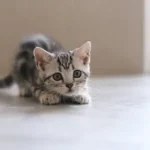


Grey Tabby Cat
Introduction
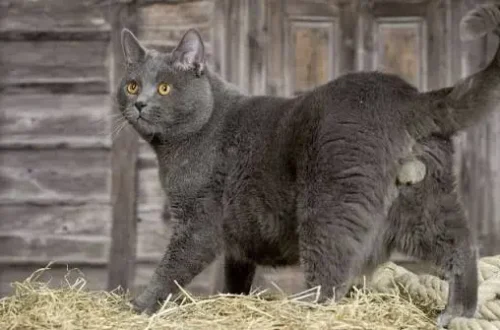
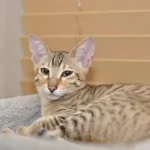
The grey tabby cat is admired for its elegant striped coat, friendly personality, and timeless appearance. Although many people assume it is a separate breed, a grey tabby is actually a cat with a grey or silver-colored tabby coat pattern rather than its own breed.
The gray tabby cat can belong to many different breeds, including the Maine Coon, American Shorthair, British Shorthair, Siberian, and mixed-breed domestic cats. Its beautiful coat is created by genetics that produce distinctive stripes, swirls, or spots.
Whether you’re planning to adopt a grey tabby kitten or simply want to learn more about tabby patterns, this guide explains everything from appearance and personality to grooming, health, and daily care.
What Is a Grey Tabby Cat?
A grey tabby cat is any domestic cat with a grey or silver-colored tabby coat pattern.
Unlike solid gray cats, these cats display visible markings such as:
- Stripes
- Swirls
- Spots
- Narrow bands
- The classic “M” marking on the forehead
The coat pattern is inherited through genetics and appears in numerous cat breeds.
If you’d like to compare different tabby coat colors, be sure to explore our Black Tabby Cat guide to learn about its unique appearance, markings, and personality.
Is a Grey Tabby Cat a Breed?
No.
The grey tabby cat is not an officially recognized breed.
Instead, it refers to a coat pattern that can occur in both purebred and mixed-breed cats.
Breeds that commonly display gray or silver tabby coats include:
- American Shorthair
- British Shorthair
- Maine Coon
- Siberian
- Norwegian Forest Cat
- Domestic Shorthair
- Domestic Longhair
The breed determines the cat’s overall characteristics, while the tabby pattern describes its coat.
History of Tabby Cats
The tabby coat pattern has existed for centuries and is one of the oldest coat patterns found in domestic cats.
The word “tabby” originated from a striped silk fabric that resembled the markings seen on many cats. Over time, the name became associated with cats displaying similar striped coats.
Today, tabbies remain among the most common and recognizable domestic cats worldwide.
Breed Overview
| Feature | Details |
|---|---|
| Breed | Various domestic breeds |
| Coat Pattern | Gray or silver tabby |
| Weight | Depends on breed |
| Height | Depends on breed |
| Lifespan | 12–18 years |
| Personality | Depends on breed |
| Coat Length | Short or long |
| Good With Families | Usually yes |
Physical Appearance
The appearance of a grey tabby cat depends largely on its breed.
However, all grey tabbies share distinctive striped or patterned markings created by their genetics.
Body Shape
Body shape varies according to breed.
A gray tabby cat may have:
- Athletic body
- Muscular build
- Compact frame
- Long body
- Medium bone structure
Larger breeds naturally have a more substantial build.
Head Shape
Head shape also differs among breeds.
Common features include:
- Rounded cheeks
- Medium-length muzzle
- Strong chin
- Large ears
- Alert expression
Most tabbies display the familiar “M” marking on the forehead.
Eyes
The grey tabby cat often has bright, expressive eyes.
Common eye colors include:
- Green
- Gold
- Amber
- Copper
- Hazel
Eye color is inherited independently from the coat pattern.
Size and Weight
The size of a grey tabby cat depends entirely on its breed.
Average Measurements
| Measurement | Average |
|---|---|
| Weight | 8–15 pounds (3.5–7 kg) |
| Height | 8–12 inches |
| Body Length | Varies by breed |
Some breeds, such as the Maine Coon, can grow considerably larger.
Coat
A grey tabby cat may have either a short or long coat.
The fur may feel:
- Soft
- Dense
- Silky
- Thick
Coat texture varies according to breed and genetics.
Tabby Patterns
The defining feature of the grey tabby cat is its beautiful coat pattern.
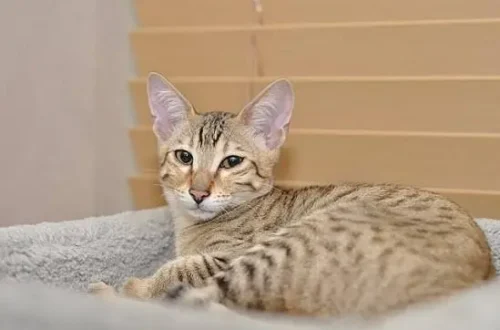
The four primary tabby patterns include:
Mackerel Tabby
Thin, vertical stripes running along the body.
Classic Tabby
Large swirling patterns resembling marble.
Spotted Tabby
Distinct spots arranged across the sides and body.
Ticked Tabby
Individual hairs contain alternating light and dark bands, giving the coat a more even appearance with fewer visible stripes.
Silver Tabby
A silver tabby has a light silver or pale gray background with darker gray or black markings.
This striking variation is especially popular because of its high contrast and elegant appearance.
Many people searching for a gray tabby cat are actually referring to a silver tabby coat.
Grey Tabby Cat Personality
The grey tabby cat personality depends primarily on breed, upbringing, and socialization.
Many owners describe these cats as:
- Friendly
- Curious
- Intelligent
- Playful
- Affectionate
The coat pattern itself does not determine temperament.
Affectionate Nature
Many grey tabby cats enjoy close relationships with their owners.
Common behaviors include:
- Following family members
- Sleeping nearby
- Gentle cuddling
- Interactive play
- Quiet companionship
Well-socialized cats often become devoted family pets.
Intelligence
The gray tabby cat is generally highly intelligent.
Many quickly learn:
- Household routines
- Puzzle feeders
- Feeding schedules
- Their names
- Interactive games
Providing regular mental stimulation helps prevent boredom.
Vocalization
Most grey tabby cats communicate through:
- Gentle meows
- Soft chirps
- Purring
- Body language
Some breeds are naturally more vocal than others.
Energy Level
The grey tabby cat usually has a moderate to high energy level.
Favorite activities include:
- Chasing toys
- Climbing cat trees
- Exploring rooms
- Puzzle games
- Window watching
- Interactive play
Daily activity supports both physical and mental well-being.
Do Grey Tabby Cats Like Attention?
Yes.
Many grey tabby cats enjoy spending time with their owners and appreciate regular interaction.
Although every cat has its own personality, most well-socialized tabbies become affectionate companions that enjoy playtime, gentle attention, and relaxing near their families.
Family Compatibility
The grey tabby cat is often an excellent companion for families, couples, and individuals. Since the tabby pattern appears in many breeds, personality depends more on genetics, early socialization, and daily care than on coat color.
With proper attention and a loving home, many grey tabbies become loyal and affectionate family pets.
Are Grey Tabby Cats Good Family Pets?
Yes.
Most grey tabby cats are friendly, adaptable, and enjoy spending time with people.
Many owners describe them as:
- Affectionate
- Gentle
- Intelligent
- Curious
- Playful
- Loyal
Their temperament varies according to breed and individual personality.
Do They Get Along With Children?
The gray tabby cat usually gets along very well with respectful children.
These cats often enjoy:
- Interactive games
- Gentle petting
- Quiet cuddles
- Daily companionship
Children should always learn to:
- Handle the cat gently.
- Avoid rough play.
- Respect resting areas.
- Allow the cat personal space when needed.
Supervised interactions help build trust between children and pets.
Living With Other Cats
Most grey tabby cats adapt well to other cats when introductions are handled gradually.
Helpful methods include:
- Scent swapping
- Separate feeding stations
- Supervised introductions
- Rewarding calm behavior
Patience helps create positive relationships between pets.
Are They Good With Dogs?
Yes.
Many grey tabby cats successfully live with calm, cat-friendly dogs.
Introducing pets slowly allows them to become comfortable with one another.
Apartment Living
A grey tabby cat can thrive in an apartment when provided with enough physical and mental stimulation.
Helpful additions include:
- Cat trees
- Window perches
- Puzzle feeders
- Scratching posts
- Interactive toys
- Cozy sleeping areas
An enriched environment keeps indoor cats happy and active.
Exercise Needs
The grey tabby cat benefits from regular daily exercise.
Physical activity helps:
- Maintain a healthy weight
- Build strong muscles
- Reduce boredom
- Support mental health
- Encourage positive behavior
Most adult cats benefit from 30–45 minutes of interactive play each day.
Favorite Activities
Many gray tabby cats enjoy:
- Feather wand toys
- Chasing balls
- Climbing cat furniture
- Puzzle feeders
- Window watching
- Interactive play
Changing toys regularly keeps these intelligent cats interested and engaged.
Grooming
Grooming needs depend on breed rather than the tabby patterns themselves.
Short-haired cats generally require less maintenance than long-haired breeds.
Coat Maintenance
Routine brushing helps:
- Remove loose fur
- Reduce shedding
- Prevent tangles
- Distribute natural skin oils
General grooming recommendations include:
- Short-haired cats: once weekly
- Long-haired cats: two to four times weekly
Bathing
Most grey tabby cats rarely require baths.
Bathing may be necessary when:
- The coat becomes unusually dirty.
- The cat cannot groom properly.
- A veterinarian recommends bathing.
Always use a cat-safe shampoo.
Ear Care
Check the ears regularly for:
- Wax buildup
- Dirt
- Redness
- Unpleasant odor
Clean gently with veterinarian-approved ear-cleaning products when necessary.
Nail Care
Routine nail trimming helps prevent:
- Overgrown claws
- Scratches
- Damage to furniture
Most cats benefit from trimming every 2–4 weeks.
Providing scratching posts also supports healthy nail maintenance.
Dental Care
Healthy teeth are important for every grey tabby cat.
Good dental care includes:
- Brushing teeth several times each week
- Dental treats
- Routine veterinary examinations
- Professional cleanings when recommended
Preventive dental care helps reduce gum disease and tooth loss.
Diet and Nutrition
A balanced diet helps every grey tabby cat remain healthy throughout life.
Food should be selected according to:
- Age
- Weight
- Activity level
- Breed
- Veterinary recommendations
Fresh drinking water should always be available.
Essential Nutrients
A complete feline diet should provide:
- Animal protein
- Healthy fats
- Taurine
- Vitamins
- Minerals
- Omega fatty acids
Proper nutrition supports healthy muscles, skin, and coat.
Foods to Avoid
Never feed:
- Chocolate
- Garlic
- Onions
- Grapes
- Raisins
- Alcohol
- Caffeine
- Xylitol
Contact your veterinarian immediately if toxic foods are accidentally consumed.
Common Health Concerns
The grey tabby cat does not develop health conditions because of its coat pattern.
Instead, overall health depends on the breed and quality of care.
Potential concerns include:
- Dental disease
- Obesity
- Hairballs
- Kidney disease in older cats
- Breed-specific genetic disorders
Routine veterinary care helps detect health problems early.
Keeping Your Cat Healthy
Owners can support the long-term health of a gray tabby cat by providing:
- Annual veterinary checkups
- Vaccinations
- Balanced nutrition
- Daily exercise
- Mental enrichment
- Preventive healthcare
Consistent care contributes to a healthier and longer life.
Lifespan
The average grey tabby cat lives between:
12–18 years
Indoor cats generally enjoy longer lifespans than outdoor cats.
Caring for a Grey Tabby Kitten
A grey tabby kitten is naturally playful, curious, and eager to explore.
During the first year, kittens need:
- High-quality kitten food
- Vaccinations
- Routine veterinary visits
- Early socialization
- Interactive play
- A safe indoor environment
Proper care during kittenhood supports healthy growth and development.
Early Training
Young grey tabby cats respond well to positive reinforcement.
Helpful early lessons include:
- Litter box training
- Carrier training
- Nail trimming
- Name recognition
- Grooming acceptance
Early training helps establish lifelong positive habits.
Mental Stimulation
The grey tabby cat enjoys learning, exploring, and solving simple challenges.
Excellent enrichment ideas include:
- Puzzle feeders
- Interactive toys
- Clicker training
- Cat trees
- Food-dispensing games
Providing regular mental stimulation helps reduce boredom while encouraging healthy behavior.
Adoption vs. Buying From a Breeder
Since the grey tabby cat is identified by its coat pattern rather than its breed, you can find one through animal shelters, rescue organizations, or reputable breeders. The most important factors are the cat’s health, temperament, and the quality of care it has received.
Whether you choose adoption or purchase a kitten, responsible ownership begins with selecting a healthy and well-socialized companion.
Adoption
Many shelters have grey tabby cats and mixed-breed tabbies waiting for loving homes.
Typical adoption fees range from:
$50–$300
Many adoption packages include:
- Initial vaccinations
- Spay or neuter surgery
- Microchipping
- Basic veterinary examination
Adoption is often an affordable and rewarding way to welcome a new pet into your family.
Buying From a Breeder
If you want a particular breed that commonly displays tabby patterns, purchasing from a reputable breeder may be the right choice.
Responsible breeders should provide:
- Health records
- Vaccination history
- Information about the kitten’s parents
- Genetic testing when appropriate
- Ongoing support for new owners
Always research breeders carefully before making a commitment.
How Much Does a Grey Tabby Cat Cost?
The cost of a grey tabby cat depends on its breed rather than its coat pattern.
Average Price
| Cat Type | Average Cost |
|---|---|
| Shelter adoption | $50–$300 |
| Pet-quality purebred kitten | $800–$2,500 |
| Show-quality kitten | $2,500–$5,000+ |
Additional long-term expenses include:
- Food
- Veterinary care
- Toys
- Litter
- Grooming supplies
- Pet insurance
Planning ahead helps ensure you can comfortably care for your cat throughout its life.
Interesting Grey Tabby Cat Facts
There are many fascinating facts about the grey tabby cat that make these cats especially popular.
Some interesting facts include:
- A grey tabby cat is identified by its coat pattern, not by its breed.
- The well-known “M” marking appears on the forehead of most tabby cats.
- Silver tabby coats often have bright silver backgrounds with darker stripes.
- The tabby pattern is controlled by inherited genes.
- Every tabby has a unique stripe or swirl pattern.
- Many of the world’s most popular breeds can display gray tabby markings.
- Some kittens show changing coat contrast as they mature.
- Tabby cats have existed for centuries.
- Personality depends on breed, genetics, and socialization rather than coat color.
- Indoor tabbies generally live longer than outdoor cats.
Is a Grey Tabby Cat Right for You?
The grey tabby cat is an excellent choice for many households.
This beautiful cat may be ideal if you’re looking for a companion that is:
- Friendly
- Intelligent
- Curious
- Adaptable
- Playful
- Affectionate
Since the pattern appears in many breeds, owners can choose a cat whose personality and activity level best suit their lifestyle.
Preparing Your Home
Before bringing home a grey tabby kitten, prepare a safe and comfortable environment.
Your checklist should include:
✔ Food and water bowls
✔ High-quality cat food
✔ Litter box
✔ Cat tree
✔ Scratching posts
✔ Interactive toys
✔ Comfortable bed
✔ Grooming brush
✔ Pet carrier
✔ First veterinary appointment
Preparing your home before your kitten arrives helps make the transition smoother.
Pros and Cons
Like every companion animal, the grey tabby cat has both advantages and responsibilities.
Pros
- Attractive striped appearance
- Friendly personality
- Intelligent and curious
- Suitable for families
- Usually gets along well with other pets
- Available in many breeds
- Moderate grooming needs for most coats
- Adaptable to apartment living
- Active and playful
- Loyal companion
Cons
- Grooming requirements vary by breed.
- Long-haired tabbies need more brushing.
- Daily exercise is important.
- Some breeds have inherited health conditions.
- Can become bored without enrichment.
- Requires routine veterinary care.
- Shedding depends on coat length.
- Personality differs between individual cats.
- Coat pattern does not determine temperament.
- Long-term ownership requires time and financial planning.
Final Verdict
The grey tabby cat is one of the most beautiful and recognizable domestic cats thanks to its elegant striped coat and adaptable personality. While many people believe it is a separate breed, it is actually a coat pattern that appears in many purebred and mixed-breed cats.
Whether your companion is an American Shorthair, Maine Coon, British Shorthair, Siberian, or another breed, providing proper nutrition, regular veterinary care, grooming, exercise, and daily companionship is the key to a healthy and happy life.
If you’re looking for a friendly, intelligent, and eye-catching feline companion, a grey tabby cat can be an excellent choice.
Frequently Asked Questions (FAQs)
1. What is a grey tabby cat?
A grey tabby cat is a domestic cat with gray or silver tabby markings rather than a separate breed.
2. Is a grey tabby cat a breed?
No. It is a coat pattern that appears in many different cat breeds.
3. What is the difference between a grey tabby cat and a gray tabby cat?
There is no difference. Grey and gray are simply different spellings of the same color.
4. What are tabby patterns?
The four main tabby patterns are mackerel, classic, spotted, and ticked.
5. What is a silver tabby?
A silver tabby has a light silver or pale gray background with darker tabby markings.
6. Are grey tabby cats rare?
No. Tabby cats are among the most common domestic cats worldwide.
7. Do grey tabby cats have different personalities?
No. Personality depends on breed, genetics, and upbringing rather than coat pattern.
8. Which breeds can have gray tabby coats?
Many breeds, including Maine Coons, American Shorthairs, British Shorthairs, Siberians, and mixed-breed cats.
9. Do grey tabby cats shed?
Yes. Shedding varies according to the breed and coat length.
10. How long do grey tabby cats live?
Most live between 12 and 18 years with proper care.
11. Are grey tabby cats good with children?
Yes. Most well-socialized tabby cats are gentle and family-friendly.
12. Can grey tabby cats live with dogs?
Yes. Many adapt well to calm, cat-friendly dogs when introduced gradually.
13. Are silver tabbies and grey tabbies the same?
A silver tabby is one variation of a gray-colored tabby coat, but not every grey tabby has the same shade or level of contrast.
14. How much does a grey tabby cat cost?
Costs vary by breed. Adoption typically ranges from $50–$300, while purebred kittens usually cost considerably more.
15. Is a grey tabby cat suitable for first-time owners?
Yes. A well-socialized grey tabby cat is generally affectionate, adaptable, and a wonderful companion for first-time cat owners.