

Ringtail Cat
Introduction
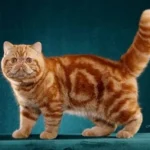
The Ringtail cat is one of the rarest and most unusual domestic cats. Best known for its naturally curled tail, friendly personality, and athletic body, this unique feline attracts attention from cat lovers looking for something different.
Many people confuse the Ringtail cat breed with the wild ringtail, a raccoon relative found in North America. Despite sharing a similar name, they are completely different animals. The domestic Ringtail is a companion cat developed through selective breeding, while the wild ringtail is a separate mammal that is not related to domestic cats.
Whether you’re interested in owning a ringtail domestic cat or simply want to learn more about this fascinating breed, this guide covers its history, appearance, personality, care, health, and much more.
Breed Overview
| Feature | Details |
|---|---|
| Origin | United States |
| Breed Type | Experimental domestic breed |
| Weight | 7–12 pounds (3–5.5 kg) |
| Height | 9–11 inches |
| Lifespan | 12–16 years |
| Coat | Short or semi-long |
| Eye Color | Various colors |
| Personality | Intelligent, affectionate, active |
| Good With Children | Yes |
| Good With Other Pets | Usually yes |
History and Origin
The Ringtail cat originated in the United States during the late 1990s.
The breed began when a naturally occurring genetic mutation produced a kitten with a distinctive tail that curled gracefully over its back. Unlike many breeds created through planned crossbreeding, this characteristic appeared naturally.
Breeders carefully developed the Ringtail cat breed while maintaining healthy bloodlines and preserving its friendly temperament.
Although still rare, the breed continues to attract interest among cat enthusiasts.
Read More;If you’re interested in rare and unusual cat breeds, don’t miss our Ashera Cat guide to learn about its unique appearance, personality, and care requirements.
Is the Ringtail Cat an Official Breed?
The Ringtail cat breed remains uncommon and is still considered an experimental breed by some cat organizations.
Because breeding populations are small, the breed has not achieved widespread recognition like many long-established domestic cats.
Responsible breeders continue working to preserve both the curled tail and healthy overall structure.
Ringtail Cat vs. Wild Ringtail
One of the biggest sources of confusion involves the name Ringtail cat.
The ringtail domestic cat is a companion animal bred from domestic cats.
The wild ringtail, however, is a completely different mammal related more closely to raccoons than to cats.
Key Differences
| Ringtail Cat | Wild Ringtail |
|---|---|
| Domestic cat | Wild mammal |
| Family pet | Wild animal |
| Curled tail | Long striped tail |
| Friendly companion | Nocturnal wildlife |
| Lives indoors | Lives in forests, deserts, and rocky habitats |
Although both have long tails, they are not the same species.
Physical Appearance
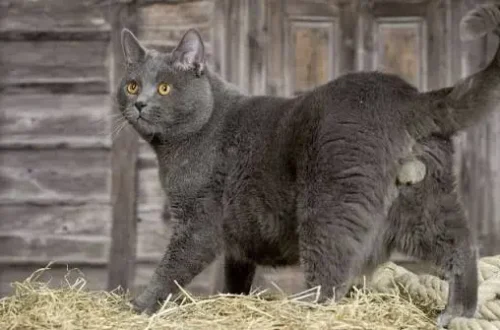
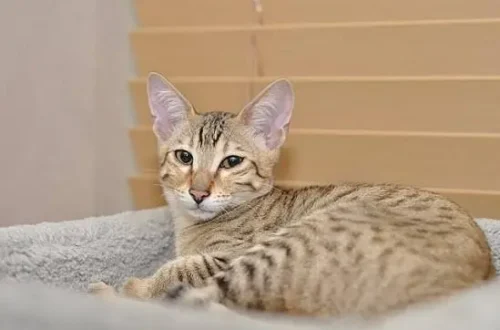
The Ringtail cat has an elegant and athletic appearance.
Its naturally curled tail immediately distinguishes it from other domestic breeds.
Combined with a graceful body and alert expression, the breed has a unique yet balanced appearance.
Body Shape
The body is medium-sized with well-developed muscles.
Typical features include:
- Long legs
- Athletic body
- Flexible movement
- Medium bone structure
- Balanced proportions
These cats remain agile and active throughout adulthood.
Head Shape
The head forms a soft wedge with rounded contours.
Distinctive facial features include:
- Medium muzzle
- Rounded cheeks
- Large ears
- Alert expression
- Strong chin
The face reflects the breed’s curious personality.
Eyes
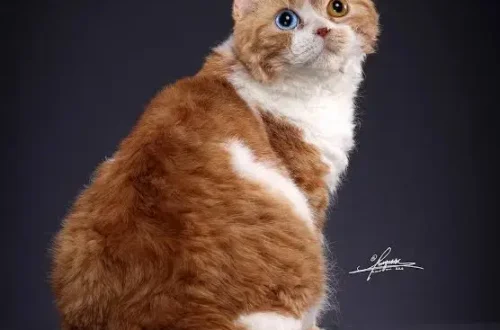
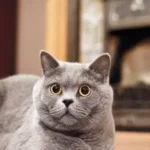
The Ringtail cat has large, expressive eyes.
Eye colors may include:
- Green
- Gold
- Amber
- Blue
- Copper
Eye color often complements the coat.
Size and Weight
The Ringtail cat is considered a medium-sized domestic breed.
Average Measurements
| Measurement | Average |
|---|---|
| Weight | 7–12 pounds (3–5.5 kg) |
| Height | 9–11 inches |
| Body Length | 16–20 inches |
Males are generally larger than females.
Coat
The Ringtail domestic cat may have either a short or semi-long coat depending on its breeding line.
The coat is usually:
- Soft
- Smooth
- Dense
- Easy to maintain
Routine grooming helps keep the coat healthy and clean.
Coat Colors
The Ringtail cat breed can appear in a wide variety of colors and patterns.
Common colors include:
- Black
- White
- Blue
- Cream
- Red
- Chocolate
- Silver
Patterns may include:
- Solid
- Tabby
- Bicolor
- Tortoiseshell
- Colorpoint
The Curled Tail
The curled tail is the defining feature of the Ringtail cat.
Unlike some curled tails caused by injury, the Ringtail’s tail is naturally flexible and curls gently over the back without causing discomfort.
The tail remains fully functional and does not interfere with balance or movement.
Ringtail Cat Personality
The Ringtail cat personality is affectionate, intelligent, and playful.
These cats enjoy spending time with their owners while remaining curious about everything happening around them.
Their balanced temperament makes them suitable for many different households.
Affectionate Nature
The Ringtail cat forms strong bonds with family members.
Many enjoy:
- Sitting beside their owners
- Following people around the house
- Sleeping nearby
- Interactive play
- Daily companionship
They usually enjoy attention without becoming overly demanding.
Intelligence
The Ringtail cat breed is highly intelligent and learns quickly.
Many easily understand:
- Household routines
- Puzzle feeders
- Interactive games
- Their names
- Simple tricks
Regular mental challenges help keep these cats happy.
Vocalization
The Ringtail cat is generally moderately vocal.
Communication often includes:
- Gentle meows
- Soft chirps
- Quiet purring
- Expressive body language
Most individuals communicate without excessive noise.
Energy Level
The Ringtail domestic cat is energetic and enjoys staying active.
Favorite activities include:
- Climbing
- Chasing toys
- Exploring rooms
- Puzzle games
- Interactive play
- Running through cat tunnels
Daily exercise supports both physical and mental health.
Do They Like Attention?
Yes.
The Ringtail cat personality is naturally social.
These cats usually enjoy interacting with their families and appreciate regular play sessions throughout the day.
They also enjoy relaxing near their owners after periods of activity.
Family Compatibility
The Ringtail cat is known for its friendly and adaptable personality. These cats enjoy spending time with people and often become active participants in daily family life.
Because the Ringtail cat breed is social without being overly demanding, it usually adapts well to households that can provide regular interaction, playtime, and mental stimulation.
Are Ringtail Cats Good Family Pets?
Yes. The Ringtail cat is generally considered an excellent companion for families.
Many owners describe these cats as:
- Affectionate
- Intelligent
- Curious
- Loyal
- Playful
- Gentle
Their balanced temperament allows them to fit comfortably into many different living situations.
Do They Get Along With Children?
The Ringtail cat usually does well with respectful children.
These playful cats enjoy interactive games and often form close bonds with younger family members.
Children should always learn to:
- Handle the cat gently.
- Avoid pulling the curled tail.
- Respect resting areas.
- Allow the cat personal space when needed.
Supervised interactions help ensure positive experiences for both the child and the cat.
Living With Other Cats
The Ringtail domestic cat generally gets along well with other cats when introductions are handled gradually.
Helpful introduction methods include:
- Allowing scent exchanges first
- Providing separate feeding areas
- Supervising early meetings
- Rewarding calm behavior
Most cats adjust successfully with patience and proper introductions.
Are They Good With Dogs?
Yes.
Many Ringtail cats live peacefully with calm, cat-friendly dogs.
Early socialization and gradual introductions help create positive long-term relationships.
Apartment Living
The Ringtail cat adapts well to apartment life when provided with enough enrichment.
Helpful additions include:
- Cat trees
- Window perches
- Puzzle feeders
- Interactive toys
- Scratching posts
- Comfortable sleeping areas
These features help satisfy the breed’s active personality.
Exercise Needs
The Ringtail cat breed enjoys daily activity and benefits from regular exercise.
Daily play supports:
- Healthy muscles
- Weight management
- Joint flexibility
- Mental stimulation
- Positive behavior
Most adults benefit from 30–45 minutes of interactive play each day.
Favorite Activities
The Ringtail cat personality combines curiosity with intelligence.
Favorite activities include:
- Chasing feather toys
- Climbing cat furniture
- Playing fetch
- Exploring shelves
- Puzzle feeders
- Interactive training
Rotating toys helps keep playtime interesting.
Grooming
The grooming needs of the Ringtail cat depend on coat length.
Short-haired individuals require very little maintenance, while semi-long-haired cats benefit from more frequent brushing.
Coat Maintenance
Routine brushing helps:
- Remove loose hair
- Reduce shedding
- Distribute natural oils
- Maintain a healthy coat
Most owners brush:
- Short coat: once a week
- Semi-long coat: two to three times per week
Bathing
Most Ringtail cats only need occasional baths.
Bathing is recommended when:
- The coat becomes unusually dirty.
- A veterinarian recommends it.
- The cat has difficulty grooming itself.
Always use a gentle shampoo designed specifically for cats.
Ear Care
The ears should be checked regularly for:
- Dirt
- Wax buildup
- Redness
- Unpleasant odor
Clean gently using veterinarian-approved ear cleaners when necessary.
Nail Care
Routine nail trimming helps prevent:
- Overgrown claws
- Scratches
- Damage to furniture
Most cats benefit from nail trimming every 2–4 weeks.
Scratching posts also help maintain healthy claws.
Dental Care
Healthy teeth are an important part of overall wellness.
Good dental habits include:
- Brushing teeth several times each week
- Dental treats
- Annual veterinary examinations
- Professional cleanings when recommended
Preventive care helps reduce dental disease later in life.
Diet and Nutrition
A balanced diet helps the Ringtail cat maintain healthy muscles and an ideal body condition.
Choose food based on:
- Age
- Weight
- Activity level
- Veterinary recommendations
Fresh drinking water should always be available.
Essential Nutrients
A complete feline diet should contain:
- Animal protein
- Healthy fats
- Taurine
- Vitamins
- Minerals
- Omega fatty acids
High-quality protein supports the breed’s active lifestyle.
Foods to Avoid
Never feed:
- Chocolate
- Garlic
- Onions
- Grapes
- Raisins
- Alcohol
- Caffeine
- Xylitol
Contact a veterinarian immediately if toxic foods are accidentally consumed.
Common Health Concerns
The Ringtail cat is generally considered a healthy breed.
Because the breed is still uncommon, long-term health research remains limited.
Potential concerns may include:
- Dental disease
- Obesity if inactive
- Minor joint issues
- Ear infections
- Age-related illnesses
Routine veterinary care helps identify health concerns early.
Keeping Your Cat Healthy
Owners can support the health of the Ringtail cat breed by providing:
- Annual veterinary checkups
- Vaccinations
- Balanced nutrition
- Daily exercise
- Mental stimulation
- Preventive healthcare
Consistent care contributes to a longer and healthier life.
Lifespan
The average Ringtail cat lives between:
12–16 years
Many individuals live even longer with proper nutrition, regular veterinary care, and a safe indoor environment.
Caring for a Ringtail Kitten
A Ringtail kitten is naturally playful, curious, and eager to explore.
During the first year, kittens require:
- High-quality kitten food
- Vaccinations
- Routine veterinary visits
- Early socialization
- Safe indoor play
- Gentle handling
A healthy start helps build confidence and supports proper development.
Early Training
The Ringtail cat responds well to positive reinforcement.
Useful early lessons include:
- Litter box training
- Carrier training
- Nail trimming
- Responding to their name
- Accepting grooming
Beginning these routines early makes lifelong care much easier.
Mental Stimulation
The Ringtail cat personality thrives on learning and exploration.
Excellent enrichment ideas include:
- Puzzle feeders
- Clicker training
- Interactive toys
- Climbing shelves
- Food-dispensing games
Providing regular mental challenges helps prevent boredom while encouraging positive behavior.
Adoption vs. Buying From a Breeder
Finding a Ringtail cat can be challenging because this is still a rare and uncommon breed. Most people interested in owning one will need to search for specialized breeders or breed enthusiasts.
Whether you choose adoption or purchase from a breeder, always prioritize the cat’s health, temperament, and overall welfare.
Adoption
Finding a Ringtail cat through adoption is uncommon, but it is not impossible.
Occasionally, rescue organizations or private owners may rehome one of these cats.
Typical adoption fees range from:
$100–$400
Many adopted cats already include:
- Initial vaccinations
- Spay or neuter surgery
- Microchipping
- Basic veterinary examination
Adoption provides a loving home for a cat in need while reducing the initial cost of ownership.
Buying From a Breeder
Many people searching for a Ringtail kitten choose to purchase from a responsible breeder.
A reputable breeder should provide:
- Veterinary health records
- Vaccination history
- Information about the kitten’s parents
- Health guarantees (when available)
- Ongoing guidance for new owners
Because the Ringtail cat breed is still uncommon, researching the breeder carefully is especially important.
How Much Does a Ringtail Cat Cost?
The price of a Ringtail cat depends on factors such as breeder reputation, bloodline, rarity, and location.
Average Price
| Type | Average Cost |
|---|---|
| Pet-quality kitten | $800–$2,000 |
| Show-quality kitten | $2,000–$3,500+ |
| Adoption | $100–$400 |
In addition to the purchase price, owners should budget for:
- Food
- Veterinary care
- Toys
- Scratching posts
- Pet insurance
- Routine grooming supplies
Planning for long-term expenses helps support responsible ownership.
Interesting Ringtail Cat Facts
There are many fascinating Ringtail cat facts that make this breed unique.
Some interesting facts include:
- The curled tail is caused by a natural genetic mutation.
- The tail remains flexible and does not affect normal movement.
- The Ringtail cat breed originated in the United States.
- It is considered one of the rarest domestic cat breeds.
- The breed is known for its friendly personality.
- These cats enjoy climbing and exploring.
- They are highly intelligent and curious.
- Most adapt well to indoor living.
- Every cat develops its own unique personality.
- The Ringtail domestic cat should not be confused with the wild ringtail mammal.
Is the Ringtail Cat Right for You?
The Ringtail cat is an excellent choice for owners looking for a friendly, intelligent, and active companion.
This breed may be a good fit if you want a cat that is:
- Affectionate
- Curious
- Playful
- Intelligent
- Athletic
- Adaptable
Because these cats enjoy daily interaction, they are happiest in homes where they receive regular attention and enrichment.
Preparing Your Home
Before bringing home a Ringtail kitten, prepare a comfortable indoor environment.
A simple checklist includes:
✔ Food and water bowls
✔ High-quality cat food
✔ Litter box
✔ Cat tree
✔ Scratching posts
✔ Interactive toys
✔ Puzzle feeders
✔ Comfortable bed
✔ Pet carrier
✔ First veterinary appointment
Preparing your home before your kitten arrives helps reduce stress during the transition.
Pros and Cons
Like every breed, the Ringtail cat has both strengths and responsibilities.
Pros
- Friendly personality
- Intelligent and easy to train
- Distinctive curled tail
- Active and playful
- Good with families
- Usually gets along with other pets
- Adaptable to apartment living
- Low to moderate grooming needs
- Strong bond with owners
- Rare and unique appearance
Cons
- Rare and difficult to find
- Limited breeder availability
- Can be expensive
- Needs regular mental stimulation
- Requires daily exercise
- May become bored without enrichment
- Benefits from early socialization
- Routine veterinary care is important
- Long-term breed information is still limited
- Not widely available outside specialized breeding programs
Final Verdict
That is one of the most distinctive companion cats thanks to its naturally curled tail, athletic body, and affectionate personality. Although the Ringtail cat breed remains rare, it has earned admiration for its intelligence, playful nature, and strong connection with people.
It is also important to remember that the Ringtail domestic cat is completely different from the wild ringtail mammal, despite the similar name. Understanding this distinction helps avoid confusion when researching the breed.
With proper nutrition, regular veterinary care, daily exercise, and plenty of interaction, a Ringtail cat can become a loyal and entertaining companion for many years.
Frequently Asked Questions (FAQs)
1. What is a Ringtail cat?
That is a rare domestic breed known for its naturally curled tail and friendly personality.
2. Is the Ringtail cat the same as the wild ringtail?
No. The Ringtail domestic cat is a pet cat, while the wild ringtail is a separate mammal related to raccoons.
3. Is the Ringtail cat breed rare?
Yes. The cat breed is considered one of the rarest domestic cat breeds and is still relatively uncommon.
4. Why does the Ringtail cat have a curled tail?
Its curled tail is the result of a natural genetic mutation that does not normally affect movement or health.
5. What is the Ringtail cat personality like?
The Ringtail cat personality is affectionate, intelligent, playful, and curious.
6. How big does a Ringtail cat get?
Most adults weigh between 7 and 12 pounds (3–5.5 kg).
7. Are Ringtail cats good with children?
Yes. They usually get along well with respectful children when properly socialized.
8. Can Ringtail cats live with dogs?
Yes. Many adapt successfully to calm, cat-friendly dogs after gradual introductions.
9. Do Ringtail cats require a lot of grooming?
No. Weekly brushing is usually enough for short-haired cats, while semi-long-haired individuals may benefit from more frequent grooming.
10. How long does a Ringtail cat live?
The average lifespan is 12–16 years with proper care.
11. How much does a Ringtail kitten cost?
A Ringtail kitten from a reputable breeder generally costs between $800 and $2,000, depending on quality and availability.
12. Are Ringtail cats active?
Yes. They enjoy climbing, exploring, interactive toys, and daily play sessions.
13. Is the Ringtail cat suitable for apartment living?
Yes. With enough climbing space and enrichment, the breed adapts well to apartment life.
14. What makes the Ringtail cat unique?
Its naturally curled tail, intelligent personality, and rare status make the Ringtail cat stand out from most domestic breeds.
15. Is the Ringtail cat suitable for first-time owners?
Yes. First-time owners who can provide regular playtime, enrichment, and routine veterinary care often find the Ringtail cat to be a rewarding companion.