



Tuxedo Cat
Introduction
Few cats are as instantly recognizable as the classic black-and-white feline with markings that resemble a formal suit. Their elegant appearance has earned them the nickname “tuxedo cat,” making them one of the most recognizable coat patterns in the world.
Many people assume these cats belong to a specific breed, but that’s one of the biggest misconceptions. The tuxedo look can appear in many different breeds, each with its own personality, size, coat type, and grooming needs.
Whether you admire their striking appearance, playful nature, or unique facial markings, these cats have become favorites among families, singles, and experienced cat owners alike.
In this guide, you’ll learn what makes this coat pattern unique, how it develops, which breeds commonly display it, and whether popular beliefs about tuxedo cat personality are supported by facts.
What Is a Tuxedo Cat?
A tuxedo cat is a domestic cat with a distinctive black cat-and-white coat pattern that resembles a formal tuxedo.
Typically, these cats have:
- A black body
- A white chest
- White paws that look like little socks
- A white belly
- White facial markings
Some even appear to be wearing a tiny bow tie, giving them their famous “dressed up” look.
Although the classic combination is black and white, the exact markings vary from one cat to another.
No two tuxedo-patterned cats look exactly alike.
Why Are They Called Tuxedo Cats?
The name comes from their resemblance to a traditional black tuxedo worn at formal events.
The white chest resembles a dress shirt, while the dark body looks like a tuxedo jacket.
This charming appearance has made them popular in movies, books, cartoons, and social media.
Is a Tuxedo Cat a Breed?
No.
One of the most common misunderstandings is that the tuxedo cat is a breed.
In reality, tuxedo refers only to a coat pattern.
Many breeds can have these markings, including both purebred and mixed-breed cats.
The breed determines characteristics such as:
- Size
- Coat length
- Energy level
- Grooming needs
- Personality tendencies
The coat pattern simply affects appearance.
Can Mixed-Breed Cats Have Tuxedo Markings?
Absolutely.
In fact, many black and white cats found in shelters or rescue organizations are mixed-breed domestic cats with tuxedo markings.
These cats often make wonderful companions and can be just as healthy, affectionate, and intelligent as pedigreed cats.
Genetics Behind the Tuxedo Pattern
The beautiful tuxedo pattern is created by genetics rather than a separate breed.
During early development, special genes influence where pigment-producing cells travel across the kitten’s body.
When some of these cells do not reach certain areas, patches of white fur appear.
The result is the familiar combination of dark fur and white markings.
Why Every Pattern Is Different
Just like fingerprints, every tuxedo-patterned cat has unique markings.
Some have:
- Tiny white paws
- Large white chests
- White noses
- White whisker pads
- Half-white faces
- Small white patches on the belly
Others have nearly symmetrical markings, while some display completely uneven patterns.
These natural variations make each cat one of a kind.
Common Breeds That Can Have Tuxedo Markings
Because tuxedo is a coat pattern rather than a breed, it appears in many different cats.
Below are some of the breeds where this striking pattern is commonly seen.
1. Domestic Shorthair
The Domestic Shorthair is one of the most common cats with tuxedo markings.
Although not a specific breed, these cats are known for being adaptable, friendly, and easy to care for.
Characteristics
- Short coat
- Moderate shedding
- Friendly personality
- Intelligent
- Excellent family companion
2. Domestic Longhair
Domestic Longhairs can also display beautiful tuxedo coats.
Their longer fur creates an elegant appearance, especially around the chest and tail.
Characteristics
- Long coat
- Fluffy tail
- Affectionate
- Playful
- Regular brushing required
3. Maine Coon
The Maine Coon is one of the world’s largest domestic cat breeds.
A Maine Coon with tuxedo markings combines impressive size with a beautiful black-and-white coat.
Characteristics
- Large body
- Long shaggy coat
- Bushy tail
- Gentle temperament
- Highly intelligent
4. British Shorthair
Known for its round face and dense plush coat, the British Shorthair sometimes appears in tuxedo coloring.
These cats are calm, independent, and well suited to indoor living.
Characteristics
- Dense coat
- Stocky build
- Quiet personality
- Easy grooming
- Loyal companion
5. Persian
The Persian can also have tuxedo markings, although solid colors are more common.
Their luxurious coat gives the black-and-white pattern a soft, elegant look.
Characteristics
- Long silky coat
- Flat face
- Calm personality
- Indoor lifestyle
- Daily grooming needed
6. American Shorthair
The American Shorthair is admired for its healthy build and adaptable nature.
Individuals with tuxedo markings are attractive, low-maintenance companions.
Characteristics
- Short coat
- Muscular body
- Friendly
- Family oriented
- Easy to groom
7. Turkish Angora
The graceful Turkish Angora occasionally appears with black-and-white markings.
Its silky coat and athletic body make it especially eye-catching.
Characteristics
- Fine silky coat
- Elegant appearance
- Active
- Intelligent
- Affectionate
8. Norwegian Forest Cat
The Norwegian Forest Cat has a thick double coat designed for cold climates.
When paired with tuxedo markings, its fluffy appearance is especially striking.
Characteristics
- Thick double coat
- Large body
- Excellent climber
- Friendly
- Seasonal shedding
9. Siberian
The Siberian is a strong, athletic breed with a dense triple coat.
Some Siberians display beautiful tuxedo-style markings that highlight their full ruff and bushy tail.
Characteristics
- Triple coat
- Powerful build
- Playful
- Loyal
- Family friendly
10. Scottish Fold
The Scottish Fold is famous for its folded ears and sweet facial expression.
Individuals with tuxedo markings have an especially charming appearance.
Characteristics
- Folded ears
- Plush coat
- Gentle temperament
- Adaptable
- Moderate grooming
11. Oriental Shorthair
The Oriental Shorthair is an elegant breed known for its slim body, large ears, and playful personality. Some individuals display beautiful tuxedo-style markings that enhance their sleek appearance.
Characteristics
- Short glossy coat
- Large ears
- Athletic body
- Highly social
- Intelligent
- Moderate activity level
12. Cornish Rex
The Cornish Rex has a unique curly coat that feels soft and velvety. Black-and-white coat patterns look especially striking on its slender body.
Characteristics
- Curly coat
- Lightweight body
- Very playful
- Low shedding
- Curious
- Loves attention
13. Devon Rex
The Devon Rex is famous for its oversized ears, large eyes, and soft wavy coat. Its playful nature makes it a favorite among active families.
Characteristics
- Curly fur
- Slim build
- Friendly
- Energetic
- Intelligent
- Easy grooming
14. Japanese Bobtail
The Japanese Bobtail is easily recognized by its naturally short tail. Some cats have striking tuxedo markings combined with their distinctive appearance.
Characteristics
- Short tail
- Medium-sized body
- Athletic
- Curious
- Friendly
- Active
15. Manx
The Manx is another naturally tailless breed that can display beautiful black-and-white coloring.
Characteristics
- Short or no tail
- Muscular body
- Intelligent
- Loyal
- Playful
- Moderate grooming
16. Ragamuffin
The Ragamuffin has a luxurious coat and an exceptionally gentle personality.
A fluffy black-and-white Ragamuffin often looks like a living stuffed toy.
Characteristics
- Long coat
- Calm temperament
- Affectionate
- Family friendly
- Large body
- Regular brushing
17. Exotic Shorthair
The Exotic Shorthair combines the Persian’s sweet expression with an easier-to-maintain short coat.
Characteristics
- Plush short coat
- Round face
- Quiet
- Gentle
- Indoor companion
- Easy grooming
18. American Curl
The American Curl is known for its ears that curl backward.
Cats with tuxedo markings have an especially unique appearance.
Characteristics
- Curled ears
- Medium build
- Curious
- Friendly
- Intelligent
- Moderate grooming
19. Selkirk Rex
The Selkirk Rex has a naturally curly coat that gives it a soft, plush appearance.
Characteristics
- Curly fur
- Medium to large body
- Calm personality
- Patient
- Family companion
- Moderate shedding
20. Munchkin
The Munchkin is recognized for its short legs, although it can have many different coat colors and patterns, including tuxedo markings.
Characteristics
- Short legs
- Playful
- Curious
- Friendly
- Medium coat
- Indoor companion
Understanding Tuxedo Cat Personality
Many owners believe cats with tuxedo markings have a special personality.
While coat color itself doesn’t determine behavior, many people describe these cats as being:
- Friendly
- Confident
- Curious
- Intelligent
- Affectionate
- Playful
These traits are often influenced by genetics, breed, environment, and early socialization rather than coat pattern alone.
Are They Intelligent?
Many black-and-white cats are quick learners and enjoy interactive games.
They often learn routines, recognize their owners, and respond well to positive reinforcement.
Popular enrichment activities include:
- Puzzle feeders
- Feather toys
- Clicker training
- Cat trees
- Food puzzles
Mental stimulation helps keep intelligent cats happy and healthy.
Are They Good Family Pets?
Yes.
Many breeds that commonly display tuxedo markings are known for their affectionate and adaptable personalities.
They often enjoy:
- Playing with children
- Spending time with adults
- Living with other cats
- Sharing homes with cat-friendly dogs
Of course, every individual cat has its own unique temperament.
Interesting Tuxedo Cat Facts
Here are some fascinating facts about these elegant felines.
- Tuxedo is a coat pattern, not a breed.
- Every pattern is unique.
- More than 20 cat breeds can have tuxedo markings.
- They may have short, medium, or long coats.
- Eye colors commonly include green, yellow, amber, gold, and copper.
- Their white markings are created by the white spotting gene.
- Some appear to wear “mittens” because of their white paws.
- Famous fictional cats, including Sylvester, have popularized the tuxedo look.
- They can be found in shelters as well as among purebred cats.
- Their personalities vary based on breed and upbringing—not coat color.
Black and White Cat vs. Tuxedo Cat
Many people use these terms interchangeably, but they are not exactly the same.
A black and white cat is any cat whose coat contains both black and white fur.
A tuxedo-patterned cat is one specific type of black-and-white cat.
True tuxedo markings usually include:
- Black back
- White chest
- White belly
- White paws
- White chin or muzzle
Other black-and-white patterns include:
- Harlequin
- Van pattern
- Bicolor patches
- Mask-and-mantle pattern
So, while every tuxedo-patterned cat is black and white, not every black-and-white cat has tuxedo markings.
Caring for a Cat with Tuxedo Markings
The coat pattern itself doesn’t require any special care. Grooming and health needs depend on the breed and coat length.
Diet
Provide a balanced diet that includes:
- High-quality animal protein
- Healthy fats
- Essential vitamins and minerals
- Fresh drinking water
Feed according to your cat’s age, weight, and activity level.
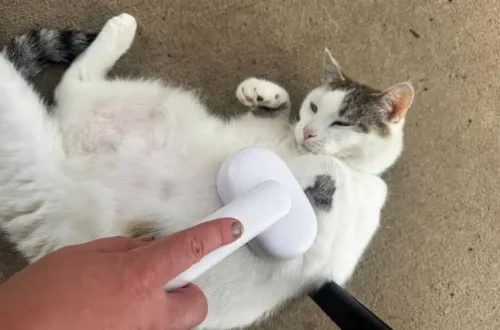
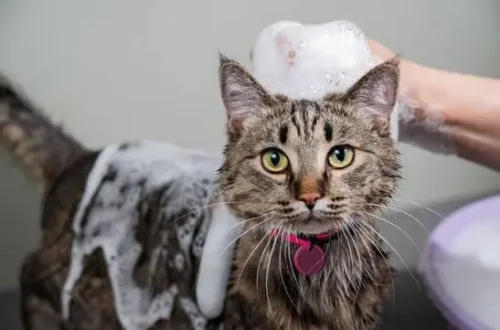
Grooming
Short-haired breeds
Brush once each week to remove loose hair.
Long-haired breeds
Brush several times each week to prevent tangles and mats.
Regular grooming also helps keep the white fur clean and the black coat glossy.
Exercise
Daily activity supports both physical and mental health.
Great options include:
- Interactive toys
- Climbing trees
- Scratching posts
- Laser toys (used safely)
- Puzzle feeders
- Play sessions lasting 20–30 minutes
Routine Health Care
Schedule regular veterinary visits for:
- Wellness exams
- Vaccinations
- Parasite prevention
- Dental care
- Weight monitoring
A healthy lifestyle contributes to a longer lifespan regardless of coat pattern.
Choosing the Right Cat with Tuxedo Markings
Because this coat pattern appears in many breeds, the best choice depends on your lifestyle rather than appearance alone.
Before bringing a cat home, consider:
- Your living space
- Time available for grooming
- Activity level
- Experience with cats
- Presence of children or other pets
- Budget for food and veterinary care
Choosing a breed that matches your lifestyle is far more important than choosing a specific coat pattern.
Best Choices for Families
Families often prefer cats that are gentle, social, and patient.
Excellent options include:
- Maine Coon
- Siberian
- Ragamuffin
- American Shorthair
- British Shorthair
- Domestic Shorthair
These cats generally enjoy attention and adapt well to busy households.
Best for Apartment Living
Many cats with tuxedo markings thrive indoors.
Great apartment-friendly breeds include:
- British Shorthair
- Exotic Shorthair
- Persian
- Scottish Fold
- Devon Rex
- Cornish Rex
Provide plenty of indoor enrichment such as:
- Cat trees
- Window perches
- Puzzle toys
- Scratching posts
- Daily interactive play
Best for First-Time Owners
New cat owners usually benefit from breeds that are adaptable and relatively easy to care for.
Recommended choices include:
- Domestic Shorthair
- American Shorthair
- British Shorthair
- Bombay (if tuxedo-patterned mixed lines are considered)
- Exotic Shorthair
These cats typically have manageable grooming needs and friendly personalities.
Best for Seniors
Older adults often appreciate calm companions who enjoy quiet indoor living.
Suitable breeds include:
- Persian
- British Shorthair
- Ragamuffin
- Exotic Shorthair
- Scottish Fold
These breeds often enjoy relaxing beside their owners while still appreciating gentle play sessions.
Should You Adopt or Buy?
Whether you adopt or purchase a cat, responsible ownership should always come first.
Adoption
Many shelters have wonderful black-and-white cats waiting for loving homes.
Benefits of adoption include:
- Lower cost
- Vaccinations are often included
- Many cats are already spayed or neutered
- Adult personalities are easier to assess
- You give a homeless cat a second chance
Buying From a Responsible Breeder
If you’re looking for a specific breed that commonly has tuxedo markings, choose a reputable breeder.
A responsible breeder should:
- Perform health testing
- Provide veterinary records
- Raise kittens in a clean environment
- Socialize kittens early
- Answer your questions honestly
- Offer ongoing support
Avoid purchasing from breeders who cannot provide health information or who prioritize profit over animal welfare.
Pros and Cons
Every cat has unique strengths and care requirements.
Pros
- Beautiful and distinctive appearance
- Found in many wonderful breeds
- Friendly and affectionate companions
- Intelligent and playful
- Suitable for families
- Great indoor pets
- Available in both short- and long-haired varieties
- Often easy to groom (depending on breed)
- Adapt well to different homes
- Each coat pattern is unique
Cons
- Coat pattern does not predict personality
- Long-haired breeds require regular brushing
- Grooming needs vary by breed
- Veterinary care is still essential
- Some breeds have inherited health conditions
- Indoor enrichment is important
- White fur may show dirt more easily
- Exercise and mental stimulation are necessary
- Some breeds require more attention than others
- Every cat is an individual with its own temperament
Final Verdict
A tuxedo cat isn’t a separate breed—it’s a beautiful black-and-white coat pattern found in many different breeds and mixed-breed cats. From the gentle British Shorthair to the playful Maine Coon and the affectionate Domestic Shorthair, these cats come in a wide variety of sizes, personalities, and coat lengths.
While many people talk about the famous tuxedo cat personality, there’s no scientific evidence that coat color alone determines behavior. A cat’s temperament is shaped by its breed, genetics, early socialization, and environment.
Whether you’re looking for a playful kitten, a calm lap cat, or an energetic family companion, you’ll find plenty of wonderful options among cats with tuxedo markings. Focus on finding a healthy, well-socialized cat that matches your lifestyle, and you’ll gain a loyal companion for many years.
Frequently Asked Questions (FAQs)
1. What is a tuxedo cat?
A tuxedo cat is a cat with a distinctive black-and-white coat pattern that resembles a formal tuxedo. It is a coat pattern, not a breed.
2. Are tuxedo cats a separate breed?
No. Many different breeds, as well as mixed-breed cats, can have tuxedo markings.
3. Why are they called tuxedo cats?
Their white chest and black body resemble a formal tuxedo, which inspired the nickname.
4. What is a tuxedo cat’s personality like?
Many owners describe them as friendly, playful, and intelligent, but personality depends mainly on breed, genetics, and upbringing.
5. Are they good family pets?
Yes. Many cats with tuxedo markings are affectionate companions that do well with children and other pets when properly socialized.
6. Are tuxedo cats rare?
No. This coat pattern is fairly common and appears in many breeds around the world.
7. Which breeds can have tuxedo markings?
Common examples include the Domestic Shorthair, Maine Coon, Persian, British Shorthair, Siberian, Scottish Fold, Norwegian Forest Cat, and American Shorthair.
8. What’s the difference between a tuxedo cat and a black and white cat?
Every tuxedo cat is black and white, but not every black-and-white cat has the classic tuxedo pattern.
9. Do tuxedo cats shed?
Shedding depends on the breed and coat length. Short-haired breeds usually shed less than long-haired breeds.
10. Are tuxedo cats intelligent?
Many breeds that commonly display tuxedo markings are highly intelligent and enjoy interactive games and puzzle toys.
11. How long do they live?
Most healthy domestic cats live between 12 and 18 years, and many live even longer with excellent care.
12. Are they good with children?
Yes. Many are patient, affectionate, and adapt well to family life.
13. What should I feed a cat with tuxedo markings?
Feed a complete, balanced diet that matches your cat’s age, activity level, and overall health.
14. Should I adopt one?
Absolutely. Many wonderful black-and-white cats in shelters are waiting for loving homes and make excellent companions.
15. Are they good indoor pets?
Yes. Indoor living helps protect cats from traffic, disease, predators, and other outdoor hazards while supporting a longer, healthier life.