



Persian Cat
Introduction
The Persian Cat is one of the oldest, most recognizable, and most beloved cat breeds in the world. Known for its luxurious long coat, sweet personality, expressive eyes, and distinctive flat face, this elegant breed has been admired by cat lovers for centuries. Whether relaxing on a cozy sofa or quietly following its owner from room to room, the Persian Cat is famous for bringing beauty and calmness into any home.
Unlike highly energetic breeds that constantly seek adventure, Persian Cats enjoy a peaceful lifestyle. They prefer comfortable indoor environments where they can lounge, receive affection, and spend quality time with their families. Their gentle temperament makes them excellent companions for singles, couples, seniors, and families with respectful children.
One of the Persian’s most recognizable features is its flat face, also known as a brachycephalic face. While many people adore this unique appearance, it also requires owners to understand the breed’s special grooming and healthcare needs. Fortunately, with proper care, Persian Cats can live long, healthy, and happy lives.
In this complete guide, you’ll learn everything you need to know about the Persian Cat, including its history, personality, appearance, grooming needs, health concerns, lifespan, price, and how to decide whether this beautiful breed is the right choice for your home.
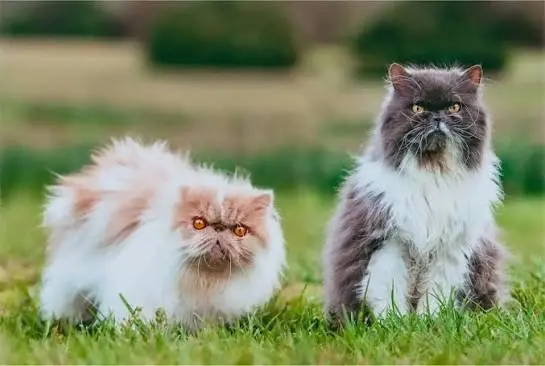
Persian Cat Overview
| Feature | Details |
|---|---|
| Breed Name | Persian Cat |
| Origin | Persia (Modern-day Iran) |
| Breed Type | Purebred |
| Size | Medium to Large |
| Weight | 7–14 pounds |
| Height | 10–15 inches |
| Lifespan | 12–17 years |
| Coat Type | Long, thick, silky double coat |
| Shedding | Moderate to Heavy |
| Grooming | High |
| Personality | Calm, affectionate, gentle |
| Energy Level | Low |
| Intelligence | Moderate to High |
| Family Friendly | Excellent |
| Apartment Friendly | Excellent |
| Good With Children | Yes |
| Good With Other Pets | Yes |
| Vocal Level | Low |
History and Origin of the Persian Cat
The Persian Cat has one of the richest histories of any domestic cat breed. Its story begins hundreds of years ago in the region once known as Persia, which is now modern-day Iran.
Long-haired cats from Persia were admired for their luxurious coats and elegant appearance. During the 1600s, European travelers brought these beautiful cats back to Italy, France, and England, where they quickly became symbols of wealth and sophistication.
As their popularity grew, breeders selectively developed the Persian Cat to enhance its distinctive features, including its thick coat, rounded body, expressive eyes, and gentle personality.
By the late nineteenth century, Persian Cats had become one of the first breeds officially exhibited at cat shows in Europe. Their popularity continued to grow worldwide, and today they remain among the most recognized and admired cat breeds.
Modern organizations such as the Cat Fanciers’ Association (CFA) and The International Cat Association (TICA) officially recognize the Persian Cat as one of the world’s premier pedigree breeds.
Persian Cat Appearance
The Persian Cat has one of the most distinctive appearances of any domestic cat. Its luxurious coat, rounded body, and sweet facial expression create an elegant and unmistakable look.
Although individual Persians vary slightly depending on breeding lines, they generally share several defining characteristics.
Body Structure
The Persian has a sturdy, muscular body covered by a thick, flowing coat.
Typical features include:
- Broad chest
- Short, powerful legs
- Large rounded paws
- Thick neck
- Compact body
- Short, fluffy tail
Despite their elegant appearance, Persian Cats are surprisingly solid and heavy for their size.
Head Shape
The Persian’s head is broad and perfectly rounded.
Characteristics include:
- Full cheeks
- Rounded forehead
- Strong chin
- Wide skull
- Small rounded ears set low on the head
These features contribute to the breed’s soft, teddy bear-like appearance.
Eyes
Persian Cats are famous for their large, round, expressive eyes.
Eye color varies depending on coat color and may include:
- Copper
- Gold
- Blue
- Green
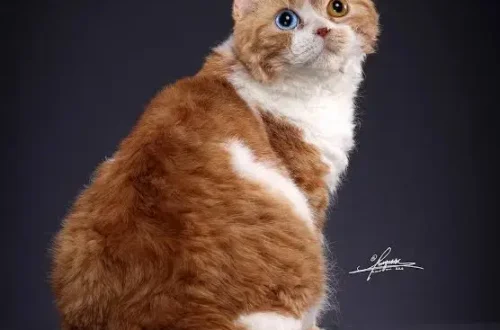
- Odd-eyed (one blue and one copper eye)
Their large eyes are one of the breed’s most attractive features, giving them a gentle and affectionate expression.
Flat Face Cat: Why Do Persian Cats Have Flat Faces?
One of the first things people notice about the Persian Cat is its distinctive flat face.
This facial structure is known as brachycephaly, meaning the skull is shorter than average. Selective breeding over many generations created the modern Persian’s characteristic flat nose, rounded face, and large eyes.
Many people refer to Persians simply as flat face cats because of this unique appearance.
However, not every Persian has the same facial structure.
There are two main facial types.
Traditional (Doll Face) Persian
The traditional Persian, often called the Doll Face Persian, has:
- Longer nose
- Less extreme facial structure
- Easier breathing
- Reduced eye tearing
- More natural profile
Many owners prefer Doll Face Persians because they often experience fewer breathing and eye-related health issues.
Modern Flat Face Persian
The modern Persian has the appearance most people recognize today.
Features include:
- Very short nose
- Flat facial profile
- Large round eyes
- Full cheeks
- Small nose positioned between the eyes
This dramatic appearance is popular in cat shows but requires extra attention to eye cleaning and overall health due to the shortened facial structure.
Persian Cat Coat
The Persian Cat’s luxurious coat is one of its defining characteristics.
Its long, silky fur covers nearly every part of the body, creating an elegant and majestic appearance.
Unlike many long-haired breeds, Persian Cats have a dense undercoat beneath the longer outer coat.
This double-layered coat helps create the breed’s signature fluffy look but also requires consistent grooming to prevent tangles and mats.
Owners should expect daily or near-daily brushing to keep the coat healthy and beautiful.
Persian Cat Colors
Persian Cats come in an incredible variety of colors, making them one of the most diverse breeds in terms of coat appearance.
Popular colors include:
White Persian
Elegant and graceful, often paired with striking blue, copper, or odd-colored eyes.
Black Persian
Glossy jet-black coats create a dramatic and sophisticated appearance.
Blue Persian
A soft gray-blue coat that is highly prized among breeders.
Cream Persian
Warm cream-colored fur gives these cats a gentle, luxurious look.
Red Persian
Rich orange-red coats are especially eye-catching and uncommon.
Silver Persian
Silver Persians have sparkling coats with dark tipping that creates a beautiful shimmering effect.
Golden Persian
Golden Persians display warm honey-colored coats with delicate shading.
Smoke Persian
Smoke Persians appear dark until the coat moves, revealing a lighter undercoat beneath.
Calico Persian
A beautiful combination of white, black, and orange patches.
Himalayan (Colorpoint) Persian
These Persians feature darker coloring on the face, ears, legs, and tail with bright blue eyes, combining Persian beauty with Siamese-inspired coloration.
Persian Cat Coat Patterns
In addition to color, Persian Cats display many attractive coat patterns.
Popular patterns include:
- Solid
- Tabby
- Smoke
- Shaded
- Chinchilla
- Tortoiseshell
- Bicolor
- Colorpoint
These combinations create hundreds of unique coat variations recognized by major cat associations.
Persian Cat Personality
The Persian Cat is admired not only for its beauty but also for its calm and affectionate personality.
Unlike highly active breeds, Persians prefer peaceful environments where they can relax and spend time with their favorite people.
Common personality traits include:
- Gentle
- Quiet
- Affectionate
- Loyal
- Patient
- Sweet-natured
- Relaxed
- Independent without being distant
They enjoy companionship but are rarely demanding, making them excellent indoor pets for owners seeking a calm and loving feline friend.
Intelligence
Although Persian Cats are not as energetic as some working or athletic breeds, they are intelligent and observant.
They quickly learn:
- Household routines
- Feeding schedules
- Favorite resting spots
- Family members’ habits
- Simple interactive games
They may not perform tricks as enthusiastically as breeds like the Bengal or Siberian, but they adapt well to home life and form deep emotional bonds with their owners.
Activity Level
Persian Cats have relatively low energy levels compared to many other breeds.
They enjoy:
- Relaxing beside their owners
- Short play sessions
- Watching birds through windows
- Chasing soft toys occasionally
- Climbing low cat trees
Because they are less active, owners should encourage gentle daily exercise to help maintain a healthy weight and prevent obesity.
Family Compatibility
The Persian Cat’s gentle nature makes it an excellent companion for many households.
They generally do well with:
- Families
- Seniors
- Singles
- Couples
- Respectful children
- Calm dogs
- Other friendly cats
Their quiet personality also makes them one of the best breeds for apartment living, where they are content spending most of their time indoors in a peaceful environment.
Persian Cat Grooming
The Persian Cat is one of the highest-maintenance cat breeds when it comes to grooming. Its long, dense double coat requires regular care to stay clean, healthy, and free from painful mats and tangles.
Unlike short-haired breeds that can groom themselves with little assistance, Persian Cats need daily attention from their owners. A consistent grooming routine not only keeps their coat beautiful but also helps prevent skin problems, excessive hairballs, and discomfort.
If you are considering bringing a Persian Cat into your home, you should be prepared to dedicate time to grooming throughout its life.
Daily Brushing
Daily brushing is the most important part of Persian Cat care.
Because of their thick undercoat and long outer coat, loose hairs easily become tangled. Without regular brushing, these tangles can quickly develop into painful mats that may require professional removal.
A daily brushing routine helps:
- Prevent mats and knots
- Remove loose hair
- Reduce shedding around the home
- Minimize hairballs
- Distribute natural skin oils
- Keep the coat soft and shiny
Using a wide-tooth comb followed by a soft slicker brush is often the best approach for maintaining a Persian’s luxurious coat.
Eye Cleaning
One of the most common grooming tasks for a Persian Cat is cleaning its eyes.
Because many Persians have a flat (brachycephalic) face, tears may not drain normally, leading to frequent tear staining and moisture around the eyes.
Owners should:
- Wipe the eyes daily using a soft, damp cotton pad or veterinarian-approved eye wipe.
- Dry the area gently after cleaning.
- Watch for redness, swelling, or excessive discharge.
Keeping the eye area clean helps reduce irritation and lowers the risk of infections.
Bathing
Although many cats rarely need baths, Persian Cats benefit from regular bathing because their long coat easily collects oils, dust, and debris.
Most owners bathe their Persian every 4 to 6 weeks, depending on the cat’s lifestyle and coat condition.
Bathing helps:
- Remove excess oils
- Keep the coat fluffy
- Reduce matting
- Improve skin health
Always use a shampoo formulated specifically for cats, and dry the coat thoroughly to prevent skin irritation.
Nail Trimming
Persian Cats are generally indoor cats and may not naturally wear down their claws.
Trim the nails every 2–4 weeks to:
- Prevent overgrown claws
- Reduce accidental scratches
- Protect furniture
- Improve comfort while walking
Ear Cleaning
Check your Persian’s ears regularly for wax buildup or debris.
Healthy ears should:
- Be clean
- Have little odor
- Show no redness or swelling
Clean only the outer ear using a veterinarian-approved ear cleaner if necessary.
Dental Care
Dental hygiene is often overlooked but is an essential part of Persian Cat care.
Good dental habits include:
- Brushing teeth several times each week
- Providing dental treats approved by your veterinarian
- Scheduling routine dental checkups
- Watching for bad breath or difficulty eating
Maintaining oral health helps reduce the risk of gum disease and tooth loss.
Professional Grooming
Some owners choose to visit a professional groomer every few months.
Professional grooming may include:
- Full bath
- Blow drying
- Coat trimming
- De-matting
- Nail trimming
- Ear cleaning
- Sanitary trimming
Regular professional grooming can make coat maintenance much easier, especially for owners who are new to caring for long-haired cats.
Persian Cat Coat Maintenance
The Persian’s luxurious coat is beautiful but requires ongoing care throughout the year.
Without routine maintenance, owners may encounter several common coat problems.
Matting
Mats form when loose hairs become tangled together.
Common locations include:
- Behind the ears
- Under the front legs
- Around the neck
- Belly
- Tail
- Hind legs
Regular brushing is the best way to prevent mats from forming.
Hairballs
Because Persian Cats groom themselves frequently, they swallow large amounts of loose fur.
This can lead to hairballs, especially during shedding seasons.
To reduce hairballs:
- Brush daily
- Feed a high-quality diet
- Encourage hydration
- Consider veterinarian-approved hairball formulas if needed
Shedding
Persian Cats shed throughout the year, with heavier shedding typically occurring during seasonal coat changes.
Although shedding is natural, regular brushing significantly reduces loose hair around the home.
Persian Cat Diet and Nutrition
A healthy diet plays a major role in maintaining the Persian Cat’s beautiful coat, ideal body weight, and overall health.
Persians benefit from food that is:
- High in animal protein
- Rich in omega-3 and omega-6 fatty acids
- Balanced with vitamins and minerals
- Appropriate for their age and activity level
Fresh drinking water should always be available.
Some owners choose foods specifically formulated for long-haired or Persian Cats to support skin and coat health.
Exercise Needs
Although Persian Cats are relatively low-energy, they still require regular physical activity to stay healthy.
Daily exercise helps:
- Maintain muscle tone
- Prevent obesity
- Improve mental stimulation
- Reduce boredom
Recommended activities include:
- Feather wand toys
- Soft balls
- Interactive puzzle feeders
- Short play sessions
- Cat tunnels
- Low climbing trees
- Window perches
Even 15–20 minutes of play each day can make a significant difference.
Persian Cat Health
Like all purebred cats, Persian Cats are predisposed to certain inherited and breed-related health conditions.
Responsible breeders perform health testing to reduce the likelihood of genetic diseases, but prospective owners should still be aware of common concerns.
Polycystic Kidney Disease (PKD)
PKD is one of the best-known inherited diseases in Persian Cats.
It causes fluid-filled cysts to develop inside the kidneys, which can gradually affect kidney function.
Responsible breeders now screen breeding cats to reduce the occurrence of this condition.
Brachycephalic Airway Syndrome
The Persian’s flat face can sometimes cause breathing difficulties.
Affected cats may experience:
- Noisy breathing
- Difficulty exercising
- Snoring
- Heat intolerance
Keeping Persians cool and maintaining a healthy body weight can help reduce breathing stress.
Eye Problems
Because of their facial structure, Persian Cats often experience:
- Excessive tearing
- Tear staining
- Eye irritation
- Corneal ulcers
- Eye infections
Daily eye cleaning is one of the most important aspects of Persian Cat care.
Dental Disease
The shortened jaw of flat-faced Persians may contribute to crowded teeth.
Without proper dental care, plaque buildup can lead to:
- Gingivitis
- Tooth loss
- Pain while eating
- Bad breath
Routine brushing and veterinary dental checkups are highly recommended.
Respiratory Issues
The shortened nasal passages of some Persians may make breathing less efficient, particularly during hot or humid weather.
Owners should avoid exposing Persian Cats to excessive heat and ensure they always have access to cool, well-ventilated spaces.
Heat Sensitivity
Their thick coat and flat facial structure make Persian Cats more sensitive to high temperatures than many other breeds.
During warm weather:
- Keep them indoors
- Provide air conditioning or fans
- Ensure constant access to fresh water
- Avoid excessive activity
Obesity
Because Persian Cats are relatively inactive, they can gain weight easily if overfed.
Maintaining portion control and encouraging daily play helps keep them healthy.
Skin Problems
If grooming is neglected, trapped moisture and matted fur can contribute to skin irritation and infections.
Routine brushing and bathing greatly reduce this risk.
Hypertrophic Cardiomyopathy (HCM)
Although less common than some other conditions, Persian Cats may develop Hypertrophic Cardiomyopathy, a disease that causes thickening of the heart muscle.
Regular veterinary examinations help detect heart disease early.
Persian Cat Lifespan
With proper care, nutrition, and regular veterinary visits, Persian Cats typically live between 12 and 17 years.
Some individuals live even longer when:
- Fed a balanced diet
- Maintained at a healthy weight
- Groomed consistently
- Protected from excessive heat
- Given preventive veterinary care
Are Persian Cats Hypoallergenic?
No. Persian Cats are not hypoallergenic.
Like all cats, they produce the Fel d 1 protein, which is the primary allergen responsible for most cat allergies.
Because Persians have long coats, they may spread allergens through loose hair and dander around the home.
People with allergies should spend time with a Persian Cat before adopting one to see how they react.
Persian Cat Price
One of the most common questions prospective owners ask is, “How much does a Persian Cat cost?”
The Persian cat price varies depending on several factors, including the breeder’s reputation, bloodline, age, coat color, and whether the cat is intended as a pet or for breeding/show purposes.
Typical price ranges include:
- Pet-quality Persian kittens: $800–$2,000
- Show-quality Persian kittens: $2,000–$5,000+
- Rare bloodlines or exceptional pedigrees may cost even more.
In addition to the purchase price, owners should budget for:
- High-quality food
- Routine veterinary care
- Vaccinations
- Grooming supplies or professional grooming
- Pet insurance (optional)
- Toys, litter, scratching posts, and other essentials
Owning a Persian Cat is a long-term financial commitment, so it’s important to plan for ongoing care as well as the initial purchase cost.
Buying vs Adoption
If you’re ready to welcome a Persian Cat into your home, you have two main options.
Buying from a Breeder
Buying from a reputable breeder allows you to:
- Learn about the kitten’s parents
- Review health testing results
- Receive vaccination records
- Better understand the kitten’s pedigree and temperament
Adopting a Persian Cat
Adoption is another excellent option.
Many Persian Cats and Persian mixes are available through rescue organizations and shelters. Adopting gives a cat a second chance at a loving home and is often less expensive than purchasing from a breeder.
Choosing a Responsible Breeder
If you decide to buy a Persian kitten, choose a breeder who:
- Performs genetic health testing
- Raises kittens in a clean, caring environment
- Provides veterinary records
- Allows you to meet the kittens and, when possible, the parents
- Answers questions openly and honestly
- Does not separate kittens from their mother too early
Avoid purchasing kittens from pet mills or sellers who cannot provide health information or proper documentation.
Pros and Cons of Owning a Persian Cat
Like every cat breed, the Persian Cat has unique advantages and challenges. Understanding both sides will help you decide whether this beautiful breed is the right companion for your lifestyle.
Pros
- Beautiful long, luxurious coat
- Calm and gentle personality
- Affectionate without being overly demanding
- Excellent indoor companion
- Great for apartments
- Gets along well with respectful children
- Usually friendly with other cats and calm dogs
- Quiet breed that rarely meows excessively
- Loyal and loving family companion
- Long lifespan with proper care
Cons
- Requires daily grooming
- Heavy shedding throughout the year
- Needs regular eye cleaning
- Higher grooming expenses
- Can develop inherited health problems
- Flat face may contribute to breathing difficulties
- Less active than many other breeds
- Does not tolerate extreme heat well
- Purchase price can be expensive
- Requires regular veterinary care
Persian Cat vs Himalayan
Many people confuse the Persian Cat with the Himalayan because the two breeds look very similar.
The Himalayan was developed by crossing Persian Cats with Siamese Cats, resulting in a Persian body combined with Siamese colorpoint markings.
| Feature | Persian Cat | Himalayan |
|---|---|---|
| Coat | Long | Long |
| Face | Flat or Doll Face | Flat |
| Eye Color | Various | Blue Only |
| Coat Colors | Many | Colorpoint |
| Personality | Calm | Calm with slightly playful traits |
| Grooming | High | High |
If you prefer a wider variety of coat colors, the Persian offers more options. If you love blue eyes and colorpoint patterns, the Himalayan may be a better fit.
Persian Cat vs British Shorthair
Although both breeds have calm personalities, they differ significantly in coat type and maintenance.
| Feature | Persian Cat | British Shorthair |
|---|---|---|
| Coat | Long | Short |
| Grooming | Daily | Weekly |
| Energy Level | Low | Moderate |
| Shedding | Moderate to Heavy | Moderate |
| Personality | Gentle and quiet | Calm and independent |
| Apartment Friendly | Excellent | Excellent |
The British Shorthair is easier to groom, while the Persian offers the elegance of a luxurious long coat.
Persian Cat vs Exotic Shorthair
The Exotic Shorthair is often described as the “short-haired Persian.”
Both breeds share many physical characteristics and personalities, but their coats are very different.
| Feature | Persian Cat | Exotic Shorthair |
|---|---|---|
| Coat Length | Long | Short and Plush |
| Grooming | High | Low to Moderate |
| Personality | Calm | Calm |
| Face | Flat | Flat |
| Activity Level | Low | Moderate |
| Maintenance | High | Easier |
If you love the Persian’s appearance but want a cat that requires less grooming, the Exotic Shorthair may be the ideal alternative.
Is a Persian Cat Right for You?
A Persian Cat can be a wonderful companion, but it is not the perfect breed for every household.
A Persian Cat may be right for you if you:
- Want a calm and affectionate indoor cat
- Enjoy spending quiet time with your pet
- Can commit to daily grooming
- Prefer a low-energy companion
- Live in an apartment or peaceful home
- Have time for regular coat and eye care
A Persian Cat may not be the best choice if you:
- Want a very active or adventurous cat
- Prefer a breed with minimal grooming
- Are away from home for long periods every day
- Do not have time for routine coat maintenance
- Want a low-maintenance pet
Choosing a breed that matches your lifestyle is one of the most important steps toward building a happy and lasting relationship with your cat.
Final Verdict
The Persian Cat has earned its reputation as one of the world’s most elegant and beloved cat breeds. Its luxurious coat, sweet expression, gentle personality, and quiet nature make it an exceptional companion for owners who appreciate a calm and affectionate pet.
While the Persian’s beauty is undeniable, prospective owners should understand the responsibilities that come with caring for this breed. Daily grooming, regular eye cleaning, and routine veterinary care are essential to keeping a Persian healthy and comfortable. Their distinctive flat face also requires extra attention to breathing, eye health, and dental care.
For individuals and families willing to invest the time and effort into proper care, the Persian Cat offers years of loyal companionship, gentle affection, and timeless elegance. Whether you choose a traditional Doll Face Persian or a modern flat-faced Persian, providing a loving home, balanced nutrition, and consistent healthcare will help your feline companion thrive.
If you’re searching for a quiet indoor cat that enjoys relaxing by your side and becoming part of the family, the Persian Cat remains one of the finest choices among all cat breeds.
Frequently Asked Questions
1. What is a Persian Cat?
A Persian Cat is a long-haired purebred cat known for its luxurious coat, gentle personality, large round eyes, and distinctive flat face. It is one of the oldest and most popular cat breeds in the world.
2. Why do Persian Cats have flat faces?
Many Persian Cats have a flat face because of selective breeding for a brachycephalic facial structure. This appearance is highly recognizable but may require additional eye, dental, and respiratory care.
3. How much does a Persian Cat cost?
The Persian cat price generally ranges from $800 to $2,000 for pet-quality kittens, while show-quality Persians may cost $2,000 to $5,000 or more, depending on pedigree, breeder, and location.
4. Are Persian Cats good family pets?
Yes. Persian Cats are gentle, affectionate, and patient, making them excellent companions for families, couples, seniors, and respectful children.
5. Do Persian Cats shed a lot?
Yes. Persian Cats have long, dense coats and shed throughout the year, with heavier shedding during seasonal changes. Daily brushing helps manage loose fur.
6. Are Persian Cats hypoallergenic?
No. Persian Cats are not hypoallergenic. They produce the Fel d 1 protein, which is responsible for most cat allergies.
7. How long do Persian Cats live?
With proper care, Persian Cats typically live 12 to 17 years, and some may live even longer.
8. Are Persian Cats good apartment cats?
Yes. Their calm personality and low activity level make them one of the best cat breeds for apartment living.
9. Are Persian Cats friendly with other pets?
Generally, yes. Persian Cats usually get along well with calm dogs and other friendly cats when introductions are done gradually.
10. Are Persian Cats high maintenance?
Yes. They require daily grooming, regular eye cleaning, routine veterinary care, and ongoing coat maintenance, making them one of the more high-maintenance cat breeds.
11. What is the difference between a Doll Face Persian and a Flat Face Persian?
A Doll Face Persian has a longer nose and a more traditional facial structure, while a Flat Face Persian has a shorter nose and a flatter profile. Doll Face Persians often experience fewer breathing and eye-related issues.
12. How often should you groom a Persian Cat?
Ideally, Persian Cats should be brushed every day. They also benefit from regular baths, nail trimming, ear cleaning, and professional grooming when needed.
13. What health problems are common in Persian Cats?
Common concerns include Polycystic Kidney Disease (PKD), brachycephalic airway syndrome, eye problems, dental disease, obesity, heat sensitivity, and skin issues related to poor grooming.
14. Can Persian Cats be left alone?
Persian Cats can tolerate short periods alone, but they thrive on companionship and should not be left alone for extended periods on a regular basis.
15. Are Persian Cats good for first-time owners?
They can be, provided new owners understand their grooming and healthcare needs. If you’re prepared for regular maintenance, the Persian Cat is a gentle, affectionate, and rewarding companion.