


Introduction
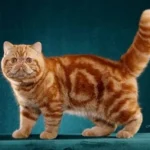
Cats have been beloved companions for thousands of years, but not all cats are the same. Some are large and fluffy, while others are small and sleek. Some love climbing and playing, while others prefer spending their day relaxing beside their owners. These differences are what make learning about cat breeds so important before bringing a new feline into your home.
Whether you’re looking for one of the biggest cat breeds, a hypoallergenic cat, a playful family companion, or a low-maintenance indoor pet, understanding each breed’s personality, appearance, and care requirements will help you make the right decision.
Today, dozens of recognized cat breeds exist around the world. Each has its own unique history, physical characteristics, temperament, grooming needs, and health considerations. Some breeds developed naturally over centuries, while others were carefully created through selective breeding.
This complete guide explores the most popular and fascinating cat breeds, compares their traits, and helps you discover which breed best matches your lifestyle. From fluffy giants like the Maine Coon to elegant hairless breeds like the Sphynx, you’ll find everything you need to know in one place.
Whether you’re adopting your first kitten or simply curious about different breeds, this guide will help you understand what makes each cat unique.
What Is a Cat Breed?
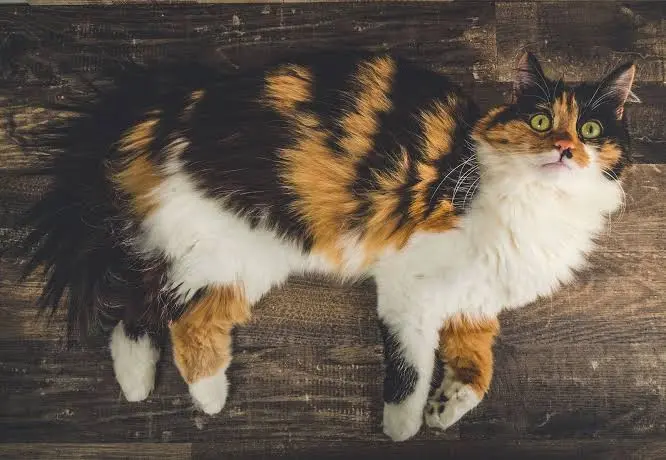
A cat breed is a group of domestic cats that share specific physical characteristics, personality traits, and genetic backgrounds. These traits are passed down through generations and are recognized by major cat registries.
Each breed follows a breed standard, which describes features such as:
- Body shape
- Head structure
- Eye shape and color
- Coat length and texture
- Coat colors and patterns
- Tail length
- Ear shape
- Temperament
For example:
- A Siberian Cat is recognized for its muscular body and thick triple coat.
- A Persian Cat is known for its flat face and luxurious long fur.
- A Maine Coon stands out for its impressive size and tufted ears.
- A Siamese Cat is famous for its blue eyes and colorpoint coat.
These breed standards help preserve the unique characteristics that make each breed special.
Purebred Cats vs Mixed-Breed Cats
Not every domestic cat belongs to a recognized breed.
Cats generally fall into two categories.
Purebred Cats
Purebred cats come from parents of the same recognized breed.
Their family history, known as a pedigree, can often be traced back for several generations.
Advantages of purebred cats include:
- Predictable appearance
- More consistent personality traits
- Known grooming requirements
- Recognized breed standards
- Eligibility for cat shows
However, because of their controlled breeding, some purebred cats may have inherited health conditions associated with their breed.
Mixed-Breed Cats
Mixed-breed cats, sometimes called domestic cats, have parents from different backgrounds rather than one specific breed.
They can vary greatly in:
- Size
- Coat length
- Color
- Personality
- Activity level
Many mixed-breed cats are healthy, affectionate companions and make wonderful family pets. Since their genetics are more diverse, their appearance and temperament can be less predictable than those of purebred cats.
How Many Cat Breeds Are There?
There isn’t one exact answer because different cat organizations recognize different numbers of breeds.
Some registries recognize around 40 breeds, while others recognize 70 or more. New breeds may also be developed or officially recognized over time.
The total varies because each organization has its own standards for recognizing new breeds and color varieties.
Despite these differences, many well-known breeds appear on nearly every major registry, including:
- Maine Coon
- Siberian
- Persian
- Ragdoll
- Siamese
- Bengal
- British Shorthair
- Norwegian Forest Cat
- Sphynx
- Abyssinian
These breeds have become popular worldwide because of their distinctive appearance and personality.
Natural vs Developed Cat Breeds
Cat breeds generally fall into two main categories.
Natural Cat Breeds
Natural breeds developed over hundreds of years with little or no human intervention.
Instead of being intentionally created, they evolved naturally in specific environments.
Examples include:
- Siberian
- Norwegian Forest Cat
- Turkish Van
- Turkish Angora
- Egyptian Mau
These breeds often possess strong survival instincts and physical adaptations suited to their original climates.
Developed Cat Breeds
Developed breeds were created through selective breeding to preserve or enhance certain characteristics.
Breeders carefully selected cats with desirable features and continued breeding them over multiple generations.
Examples include:
- Persian
- Ragdoll
- Scottish Fold
- Exotic Shorthair
- Himalayan
Selective breeding has produced many beautiful breeds, but responsible breeding practices are essential for maintaining health and genetic diversity.
Most Popular Cat Breeds
Some cat breeds have gained worldwide popularity because of their friendly personalities, beautiful appearance, and adaptability.
Below are some of the most popular cat breeds today.
| Breed | Size | Coat | Personality | Grooming |
|---|---|---|---|---|
| Maine Coon | Large | Long | Friendly, gentle | High |
| Siberian | Large | Triple coat | Intelligent, playful | Moderate |
| Persian | Medium | Long | Calm, affectionate | High |
| Ragdoll | Large | Semi-long | Gentle, relaxed | Moderate |
| British Shorthair | Medium-Large | Short | Calm, loyal | Low |
| Siamese | Medium | Short | Vocal, intelligent | Low |
| Bengal | Medium-Large | Short | Active, energetic | Low |
| Norwegian Forest Cat | Large | Double coat | Gentle, independent | Moderate |
| Scottish Fold | Medium | Short/Long | Sweet, quiet | Moderate |
| Sphynx | Medium | Hairless | Social, affectionate | Special skin care |
Each breed offers a different combination of personality, grooming needs, and activity level, making it important to choose one that fits your lifestyle rather than simply selecting the most popular option.
Biggest Cat Breeds
Many people dream of owning a giant house cat. Fortunately, several domestic breeds grow much larger than the average cat while remaining gentle and affectionate.
Maine Coon
The Maine Coon is widely regarded as one of the biggest cat breeds in the world.
Known as the “gentle giant,” it combines impressive size with a friendly personality.
Typical characteristics include:
- Weight: 10–25 pounds
- Long bushy tail
- Large tufted ears
- Thick water-resistant coat
- Gentle temperament
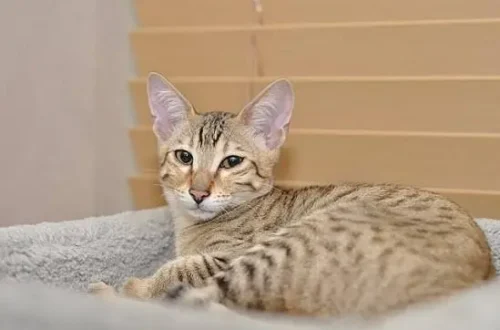
Savannah Cat
The Savannah Cat is another exceptionally large breed created by crossing a domestic cat with an African serval.
It is known for:
- Very long legs
- Athletic body
- Exceptional jumping ability
- Exotic spotted coat
- High intelligence
Because of its hybrid ancestry, ownership may be restricted in some areas.
Norwegian Forest Cat
The Norwegian Forest Cat is a powerful natural breed developed in Scandinavia.
It features:
- Large muscular body
- Thick double coat
- Strong climbing ability
- Calm personality
- Long fluffy tail
Siberian Cat
The Siberian Cat is another impressive forest breed.
Although slightly more compact than the Norwegian Forest Cat, it feels surprisingly heavy because of its muscular build.
Its thick triple coat protects it from extremely cold weather, making it one of the hardiest domestic cat breeds.
Ragdoll
The Ragdoll is famous for both its large size and relaxed temperament.
It is one of the most affectionate cat breeds and often enjoys being held, making it a favorite among families.
Largest Cat Breeds Comparison
| Breed | Average Weight | Coat | Personality |
|---|---|---|---|
| Maine Coon | 10–25 lbs | Long | Gentle, friendly |
| Savannah | 12–25 lbs | Short | Active, intelligent |
| Norwegian Forest Cat | 12–20 lbs | Double coat | Calm, independent |
| Siberian | 10–18 lbs | Triple coat | Playful, loyal |
| Ragdoll | 10–20 lbs | Semi-long | Relaxed, affectionate |
While size may be impressive, it’s important to remember that larger breeds also require more space, larger litter boxes, sturdy cat furniture, and higher food budgets.
Smallest Cat Breeds
Not everyone is looking for a giant cat. Some people prefer smaller breeds that remain compact throughout their lives. While these cats may be small in size, they often have big personalities and plenty of energy.
Here are some of the smallest cat breeds in the world.
Singapura
The Singapura is widely considered the smallest cat breed recognized by major cat associations.
Despite its tiny size, it is energetic, curious, and extremely affectionate.
Highlights
- Weight: 4–8 pounds
- Short silky coat
- Large expressive eyes
- Very playful
- Loves human interaction
Munchkin
The Munchkin is famous for its short legs, which result from a natural genetic mutation.
Although smaller in height, these cats are active, playful, and surprisingly fast.
Highlights
- Weight: 5–9 pounds
- Short or long coat
- Friendly personality
- Highly social
- Good family pet
Devon Rex
The Devon Rex has a slim body, oversized ears, and a soft curly coat.
These cats love attention and enjoy climbing, jumping, and playing throughout the day.
Cornish Rex
The Cornish Rex is another lightweight breed with a distinctive curly coat.
Its athletic body makes it one of the fastest and most agile domestic cats.
Burmese
Although muscular, the Burmese has a relatively compact body.
Known for their affectionate personalities, Burmese cats often remain playful well into adulthood.
Comparison of the Smallest Cat Breeds
| Breed | Average Weight | Coat | Personality |
|---|---|---|---|
| Singapura | 4–8 lbs | Short | Curious, affectionate |
| Munchkin | 5–9 lbs | Short/Long | Playful, social |
| Devon Rex | 6–9 lbs | Curly | Active, loving |
| Cornish Rex | 6–10 lbs | Curly | Energetic, intelligent |
| Burmese | 8–10 lbs | Short | Friendly, loyal |
If you’re looking for a compact companion, these breeds are excellent choices without sacrificing personality.
Fluffy Cat Breeds
Few things are more beautiful than a cat with a luxurious, fluffy coat. These breeds are admired for their soft fur, majestic appearance, and cuddly personalities.
If you’re searching for fluffy cat breeds, consider these favorites.
Persian
The Persian is one of the world’s most recognizable long-haired cats.
Its luxurious coat, round face, and calm personality have made it popular for decades.
Siberian
The Siberian has a thick triple coat that protects it from harsh Russian winters.
Despite its fluffy appearance, its coat naturally resists matting better than many long-haired breeds.
Norwegian Forest Cat
This Scandinavian breed has a dense double coat with a beautiful mane around the neck.
Its waterproof outer coat helps protect it from rain and snow.
Ragdoll
Ragdolls have silky semi-long coats that are soft to the touch.
Unlike some fluffy breeds, their coat is less prone to matting.
Turkish Angora
Elegant and graceful, the Turkish Angora has fine, silky fur and a feather-like tail.
Many individuals have stunning white coats, although other colors also exist.
Himalayan
A cross between the Persian and Siamese, the Himalayan combines a luxurious long coat with beautiful blue eyes and colorpoint markings.
Birman
Birmans have silky medium-long coats, striking blue eyes, and distinctive white “gloves” on their paws.
They are gentle, affectionate, and excellent companions.
Fluffy Cat Breeds Comparison
| Breed | Coat Type | Grooming | Family Friendly |
|---|---|---|---|
| Persian | Long | High | Yes |
| Siberian | Triple | Moderate | Yes |
| Norwegian Forest | Double | Moderate | Yes |
| Ragdoll | Semi-long | Moderate | Excellent |
| Turkish Angora | Long | Moderate | Yes |
| Himalayan | Long | High | Yes |
| Birman | Medium-long | Moderate | Excellent |
White Cat Breeds
White cats are admired for their elegant appearance and striking beauty.
It’s important to remember that white is usually a coat color, not a breed. Many breeds can produce solid white cats.
Some of the most popular white cat breeds include:
Turkish Angora
Perhaps the best-known white cat, the Turkish Angora is graceful, intelligent, and playful.
Persian
White Persians are among the most elegant long-haired cats and are popular worldwide.
Khao Manee
Known as the “Diamond Eye Cat,” the rare Khao Manee often has brilliant white fur and may even have two different eye colors.
Oriental Shorthair
This sleek breed comes in many colors, including stunning pure white.
Devon Rex
Some Devon Rex cats are completely white, highlighting their large ears and curly coat.
Siberian (White Variety)
Although many people associate Siberians with brown tabby coats, solid white Siberians are also recognized and are especially striking because of their thick triple coat.
Hypoallergenic Cat Breeds
Many people dream of owning a cat despite having allergies.
One important fact is that no cat is completely hypoallergenic.
Most allergic reactions are caused by a protein called Fel d 1, which is found in a cat’s saliva and skin oils—not its fur.
However, some breeds may produce lower amounts of this protein or spread fewer allergens.
Popular hypoallergenic cat breeds include:
- Siberian
- Balinese
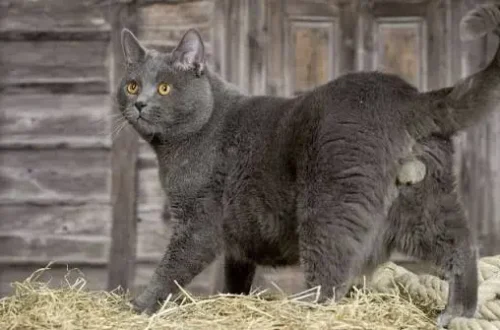
- Russian Blue
- Devon Rex
- Cornish Rex
- Sphynx
While these breeds may be more suitable for some allergy sufferers, spending time with an individual cat before adoption is always recommended.
Cat Breeds That Don’t Shed
Many people search for cat breeds that don’t shed, but the truth is that every cat sheds at least a little.
Some breeds, however, shed much less than others.
Popular low-shedding breeds include:
Sphynx
Although hairless, the Sphynx still requires regular skin care because natural oils collect on its skin.
Devon Rex
Its short curly coat sheds very little compared to most breeds.
Cornish Rex
The Cornish Rex has only a soft undercoat, resulting in minimal shedding.
Peterbald
Some Peterbalds are nearly hairless, while others have very fine coats.
Donskoy
Another hairless breed that produces very little loose hair around the home.
Lowest-Shedding Cat Breeds
| Breed | Shedding | Grooming |
|---|---|---|
| Sphynx | Very Low | Skin Care |
| Devon Rex | Low | Low |
| Cornish Rex | Low | Low |
| Peterbald | Very Low | Skin Care |
| Donskoy | Very Low | Skin Care |
Cutest Cat Breeds
“Cute” is subjective, but several breeds are consistently loved for their adorable appearance and sweet personalities.
Some of the cutest cat breeds include:
Scottish Fold
Famous for its folded ears and round face.
Ragdoll
Large blue eyes and a relaxed personality make the Ragdoll one of the world’s most lovable cats.
Persian
Its fluffy coat and expressive face have made it an icon among cat lovers.
Munchkin
Short legs give this breed a playful, kitten-like appearance throughout adulthood.
Siberian
The Siberian combines a majestic fluffy coat with a friendly smile and expressive eyes.
British Shorthair
Its round face, plush coat, and chubby cheeks create a teddy bear-like appearance.
Birman
Known for bright blue eyes, silky fur, and white-gloved paws.
What Makes a Cat Breed Cute?
While appearance plays a role, personality often matters just as much.
Many people find cats especially adorable because of:
- Large eyes
- Round faces
- Soft fluffy coats
- Gentle personalities
- Playful behavior
- Friendly nature
- Curious expressions
The cutest cat for one owner may be completely different for another, which is why personality should always be considered alongside appearance.
Best Cat Breeds for Families
If you’re bringing a cat into a family home, temperament is just as important as appearance. A family-friendly cat should be patient, affectionate, adaptable, and comfortable around children and other pets.
Here are some of the best cat breeds for families.
Ragdoll
The Ragdoll is often considered one of the best family cats because of its calm, affectionate nature.
Why families love Ragdolls:
- Gentle temperament
- Loves cuddles
- Patient with children
- Friendly with other pets
- Easygoing personality
Siberian
The Siberian Cat is playful, intelligent, and highly social.
It enjoys interactive games and forms strong bonds with its family.
Best for:
- Active families
- Homes with children
- Multi-pet households
Maine Coon
Known as the “Gentle Giant,” the Maine Coon is friendly, patient, and adaptable.
Its playful personality makes it a favorite among families with children.
British Shorthair
British Shorthairs are calm, independent, and loyal.
They enjoy companionship but usually aren’t overly demanding.
Birman
Birmans combine affection with a gentle personality.
They adapt well to family life and generally enjoy spending time with both adults and children.
American Shorthair
This breed is healthy, adaptable, and easy to care for.
American Shorthairs are known for their balanced personalities and make excellent companions for first-time owners.
Best Cat Breeds for Apartments
Living in an apartment doesn’t mean you can’t own a cat.
Many breeds adapt well to smaller living spaces, especially when provided with scratching posts, climbing trees, and interactive toys.
Excellent apartment cats include:
- British Shorthair
- Ragdoll
- Persian
- Russian Blue
- Scottish Fold
- Birman
- Exotic Shorthair
Even active breeds like the Siberian and Maine Coon can thrive in apartments if they receive enough exercise and mental stimulation.
Best Cat Breeds for First-Time Owners
If you’ve never owned a cat before, choosing an easygoing breed can make the experience much more enjoyable.
Recommended breeds include:
British Shorthair
Calm, independent, and low maintenance.
Ragdoll
Friendly, affectionate, and easy to handle.
American Shorthair
Healthy, adaptable, and beginner-friendly.
Birman
Gentle and social with moderate grooming needs.
Siberian
Although energetic, the Siberian is intelligent and eager to bond with its family, making it a rewarding companion for committed first-time owners.
Most Intelligent Cat Breeds
Some cats enjoy solving puzzles, learning tricks, and interacting closely with their owners.
Highly intelligent breeds include:
| Breed | Intelligence | Trainability |
|---|---|---|
| Abyssinian | Excellent | Excellent |
| Bengal | Excellent | Excellent |
| Siberian | Excellent | Excellent |
| Siamese | Excellent | Very High |
| Burmese | High | High |
These breeds often enjoy:
- Puzzle feeders
- Clicker training
- Harness walking
- Interactive games
- Fetch
Mental stimulation is just as important as physical exercise for intelligent cats.
Most Affectionate Cat Breeds
If you’re looking for a cat that enjoys spending time with people, consider these affectionate breeds:
- Ragdoll
- Birman
- Siberian
- Persian
- Burmese
- Maine Coon
- Sphynx
These breeds often enjoy following their owners, sitting nearby, and participating in daily family activities.
Active vs Calm Cat Breeds
Choosing a breed that matches your lifestyle is essential.
Active Cat Breeds
Perfect for owners who enjoy interactive play.
Examples include:
- Bengal
- Abyssinian
- Siberian
- Siamese
- Savannah
These cats require plenty of exercise and enrichment.
Calm Cat Breeds
Ideal for quieter households.
Popular calm breeds include:
- Persian
- British Shorthair
- Ragdoll
- Scottish Fold
- Exotic Shorthair
These breeds generally enjoy relaxing with their families while still appreciating occasional play sessions.
Indoor vs Outdoor Cat Breeds
Although many cats enjoy exploring outdoors, keeping pet cats indoors is generally safer.
Indoor cats face fewer risks from:
- Traffic
- Predators
- Disease
- Parasites
- Theft
- Injuries
Many breeds thrive as indoor companions when provided with:
- Cat trees
- Scratching posts
- Puzzle toys
- Window perches
- Interactive play
Breeds particularly suited to indoor life include:
- Ragdoll
- Persian
- British Shorthair
- Scottish Fold
- Russian Blue
- Birman
Long-Haired vs Short-Haired Cat Breeds
One of the biggest decisions for new owners is choosing between long-haired and short-haired cats.
| Feature | Long-Haired Cats | Short-Haired Cats |
|---|---|---|
| Grooming | Higher | Lower |
| Shedding | Moderate to Heavy | Low to Moderate |
| Brushing | Frequent | Occasional |
| Coat Care | More Time | Easier |
| Appearance | Fluffy | Sleek |
Popular Long-Haired Breeds
- Persian
- Siberian
- Maine Coon
- Norwegian Forest Cat
- Ragdoll
- Birman
Popular Short-Haired Breeds
- British Shorthair
- Siamese
- Bengal
- Russian Blue
- Burmese
- American Shorthair
Rare Cat Breeds
Some breeds are far less common but equally fascinating.
Examples include:
Khao Manee
A rare Thai breed famous for its brilliant white coat and striking eyes.
Sokoke
Originally from Kenya, the Sokoke is one of the world’s rarest natural cat breeds.
Kurilian Bobtail
Known for its naturally short tail and excellent hunting abilities.
Serengeti
Developed to resemble a wild serval while remaining fully domestic.
Turkish Van
Recognized for its love of water and distinctive coat pattern.
How to Choose the Right Cat Breed
Instead of choosing a breed based only on appearance, consider your lifestyle carefully.
Ask yourself:
How active am I?
Active owners may enjoy:
- Bengal
- Siberian
- Abyssinian
Relaxed owners may prefer:
- Persian
- British Shorthair
- Ragdoll
How much grooming can I manage?
If you prefer minimal grooming, consider:
- Siamese
- Russian Blue
- British Shorthair
If you enjoy brushing your cat regularly, you may love:
- Persian
- Maine Coon
- Siberian
- Norwegian Forest Cat
Do I Have Children or Other Pets?
Friendly breeds include:
- Maine Coon
- Siberian
- Ragdoll
- Birman
- American Shorthair
What’s My Budget?
Remember that larger cats generally cost more because they require:
- More food
- Larger litter boxes
- Bigger cat trees
- Larger carriers
- Higher veterinary expenses
Cat Breed Comparison Table
| Breed | Size | Coat | Grooming | Shedding | Personality | Family Friendly |
|---|---|---|---|---|---|---|
| Maine Coon | Large | Long | High | High | Gentle | Excellent |
| Siberian | Large | Triple | Moderate | Seasonal | Playful | Excellent |
| Persian | Medium | Long | High | Moderate | Calm | Excellent |
| Ragdoll | Large | Semi-long | Moderate | Moderate | Gentle | Excellent |
| British Shorthair | Medium | Short | Low | Low | Calm | Excellent |
| Siamese | Medium | Short | Low | Low | Vocal | Good |
| Bengal | Medium | Short | Low | Low | Active | Good |
| Norwegian Forest Cat | Large | Double | Moderate | Seasonal | Independent | Excellent |
| Birman | Medium | Semi-long | Moderate | Moderate | Affectionate | Excellent |
| Russian Blue | Medium | Short | Low | Low | Loyal | Excellent |
Final Thoughts
With so many wonderful cat breeds to choose from, finding the perfect companion comes down to understanding your lifestyle, experience, and expectations.
Some people fall in love with the impressive size of the Maine Coon, while others prefer the luxurious coat of the Persian, the playful intelligence of the Siberian, or the gentle personality of the Ragdoll. If allergies are a concern, you may want to explore breeds that produce fewer allergens, while those seeking a low-maintenance companion may prefer short-haired breeds.
No single breed is the “best” for everyone. The ideal cat is one whose energy level, grooming needs, personality, and care requirements match your home and daily routine.
By taking the time to research different breeds, you’ll be better prepared to choose a feline companion that can bring joy, companionship, and love for many years.
Frequently Asked Questions
1. How many cat breeds are there?
Different cat registries recognize different numbers of breeds, but most organizations officially recognize between 40 and 70+ cat breeds.
2. What is the biggest cat breed?
The Maine Coon is widely considered the largest domestic cat breed, although Savannah Cats can also reach impressive sizes.
3. What is the smallest cat breed?
The Singapura is generally recognized as the smallest domestic cat breed.
4. Which cat breeds shed the least?
Low-shedding breeds include the Sphynx, Devon Rex, Cornish Rex, Peterbald, and Donskoy.
5. Are there hypoallergenic cat breeds?
No cat is completely hypoallergenic, but breeds such as the Siberian, Balinese, and Russian Blue may produce fewer allergens for some people.
6. Which cat breed is best for families?
Popular family-friendly breeds include the Ragdoll, Maine Coon, Siberian, Birman, and British Shorthair.
7. Which cat breed is easiest to care for?
The British Shorthair, American Shorthair, and Russian Blue are generally considered easy to care for because of their short coats and adaptable personalities.
8. What is the fluffiest cat breed?
The Persian, Siberian, Norwegian Forest Cat, Maine Coon, and Ragdoll are among the fluffiest cat breeds.
9. Which cat breed is the most intelligent?
The Abyssinian, Bengal, Siberian, and Siamese are widely recognized for their intelligence and trainability.
10. Which cat breed lives the longest?
Many cats live 12–18 years, but breeds such as the Siberian, Burmese, and Russian Blue are often known for their long lifespans when properly cared for.
11. Are mixed-breed cats healthier than purebred cats?
Mixed-breed cats often benefit from greater genetic diversity, while responsible breeders work to reduce inherited health problems in purebred cats through health testing.
12. Should I adopt or buy a cat?
Both are excellent options. Adoption gives a cat a second chance at a loving home, while purchasing from a responsible breeder allows you to choose a specific breed with known characteristics.
13. Which cat breeds are best for apartments?
The British Shorthair, Ragdoll, Persian, Birman, and Russian Blue are all well-suited to apartment living.
14. Which cat breed is best for first-time owners?
The British Shorthair, American Shorthair, Ragdoll, and Birman are excellent choices for beginners because of their friendly and adaptable personalities.
15. How do I choose the right cat breed?
Consider your lifestyle, available space, grooming commitment, activity level, budget, allergies, and whether you have children or other pets. Choosing a breed that matches your daily routine will lead to a happier experience for both you and your cat.